
Syed Shayan Real Estate Archive
Syed Shayan Real Estate Archive
From Real Estate History
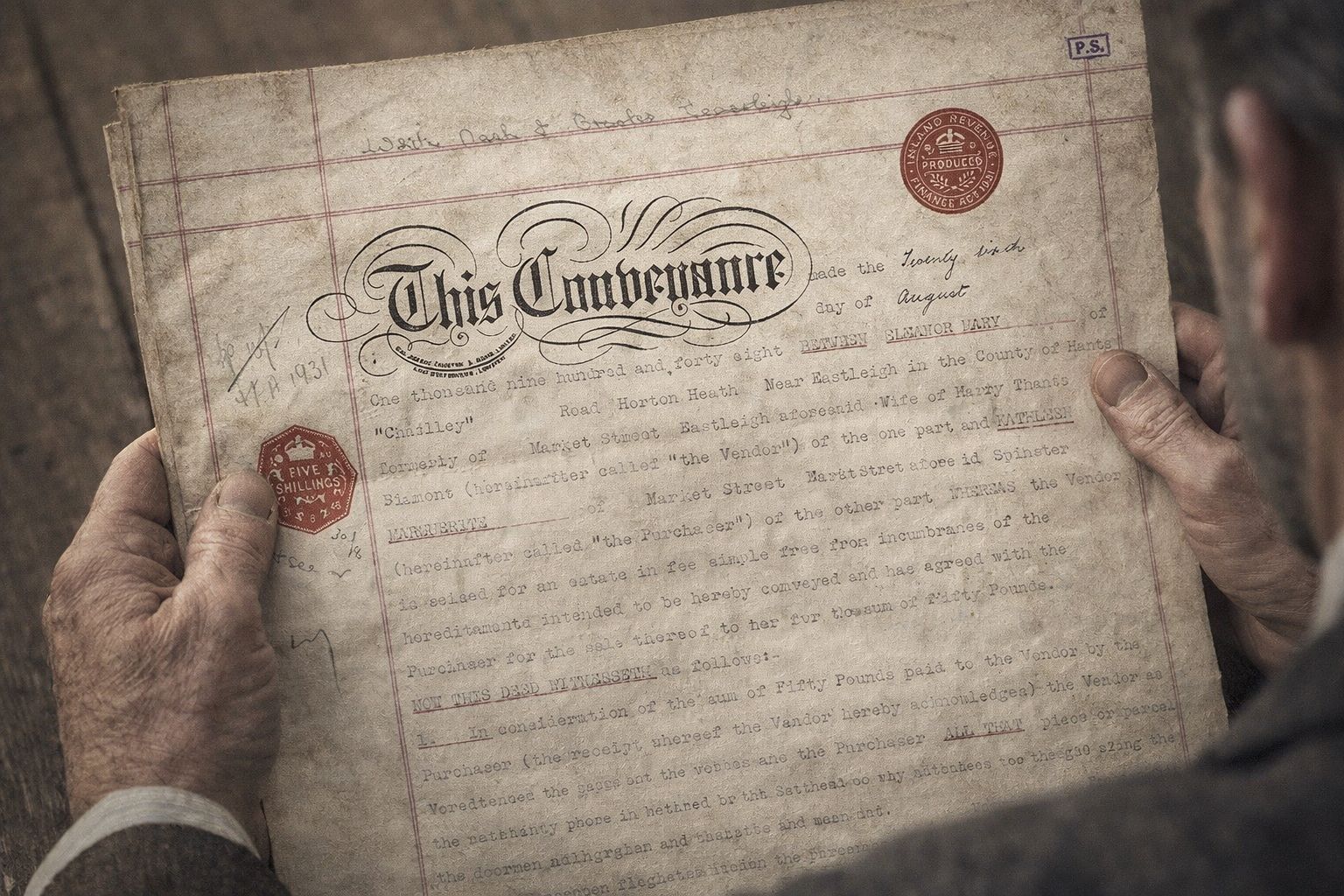
In Britain, the understanding of land and property ownership underwent a decisive and lasting transformation with the legal enforcement of the Land Registration Rules 1925 under Statutory Instrument 1925 No. 1093.
According to the records of the House of Lords and official legal archives, the final confirmation of these Rules on 5 December 1925 established, for the first time, that legal ownership of land would be determined by entry in the official state register. This marked a fundamental shift, whereby public registration replaced private deeds and papers as the primary and authoritative proof of title.
The Land Registration Rules introduced in December 1925 fundamentally altered long standing practices. Prior to their enforcement, ownership was proved largely through the possession of title deeds and historical documents, the loss or destruction of which often resulted in uncertainty and prolonged disputes. The new framework made it clear that the lawful owner of land would be the individual whose name appeared in the government register. Registration thus became not merely evidential but constitutive of ownership. It was further stipulated that no transfer of property would be legally recognised until it had been duly entered in the official register, a measure that significantly reduced fraud, concealed transactions, and disputes over title.
As the Indian subcontinent remained under British rule at the time, the same principles were extended to colonial administration. The contemporary systems of registration and transfer of land in Pakistan, carried out through patwaris and registrars, continue to reflect this foundational concept: that ownership derives its legal force from state records rather than from private documentation alone.
These 1925 Rules later formed the institutional and legal foundation of what evolved into the modern system of HM Land Registry, refined through subsequent legislative amendments and administrative reforms.
(In the British context, HM Land Registry refers to Her Majesty’s Land Registry, the statutory body responsible for maintaining records of land ownership. In functional terms, it performs a role comparable to that of the provincial Boards of Revenue in Pakistan, including the preservation of land records, registration of title, and confirmation of legal status.)
It is important to note that, following this model, wide ranging reforms were introduced across the subcontinent to rationalise and standardise systems of land record management.
From the late 1920s onwards, particularly between 1927 and the 1930s, land record practices in the subcontinent were reorganised with reference to the British registration system. Although the Registration Act 1908 was already in force, this period clarified and reinforced the principle that official records constituted the primary proof of ownership. As a result, procedures relating to registration, mutation, and official entry were systematised to reduce disputes and ensure greater certainty of title. These reforms laid the groundwork for the land record systems developed in Punjab, Bengal, Bombay, and Madras, elements of which remain visible today in the land administration frameworks of Pakistan and India.
▪️Syed Shayan Real Estate Archive
▪ Reference(s):
برطانیہ میں زمین اور جائیداد کی ملکیت کا تصور اس وقت بنیادی طور پر تبدیل ہوا جب لینڈ رجسٹریشن رولز 1925 کو Statutory Instrument 1925 No. 1093 کے تحت قانونی طور پر نافذ کیا گیا۔
برطانوی ہاؤس آف لارڈز اور سرکاری قانونی ریکارڈ کے مطابق 5 دسمبر 1925 کو ان قواعد کی حتمی توثیق کے بعد زمین کی ملکیت کو باقاعدہ طور پر سرکاری رجسٹر سے منسلک کر دیا گیا، جس کے نتیجے میں نجی کاغذات کے بجائے سرکاری اندراج کو ملکیت کی اصل بنیاد بنا دیا گیا۔
5 دسمبر 1925 کو برطانیہ میں نافذ ہونے والے نئے لینڈ رجسٹریشن رولز نے زمین کی ملکیت کا طریقہ ہی بدل دیا۔ اس سے پہلے لوگ اپنی زمین کی ملکیت ثابت کرنے کے لیے پرانے کاغذات اور ٹائٹل ڈیڈز سنبھال کر رکھتے تھے، اور اگر یہ کاغذات ضائع ہو جاتے تو ملکیت ثابت کرنا مشکل ہو جاتا تھا۔ اس قانون کے بعد یہ طے کر دیا گیا کہ زمین کا اصل مالک وہی مانا جائے گا جس کا نام حکومت کے سرکاری رجسٹر میں درج ہوگا، یعنی اب نجی کاغذات سے زیادہ اہمیت سرکاری ریکارڈ کو مل گئی۔ اس کے ساتھ یہ بھی لازمی قرار پایا کہ جب تک کسی جائیداد کی رجسٹری سرکاری ریکارڈ میں منتقل نہ ہو، وہ قانونی طور پر خریدار کی ملکیت نہیں سمجھی جائے گی، جس سے دھوکہ دہی اور بے نامی سودوں میں نمایاں کمی آئی۔
چونکہ اس وقت برصغیر برطانوی راج کے تحت تھا، اسی نظام کو یہاں بھی اپنایا گیا، اور آج پاکستان میں پٹواری یا رجسٹرار کے ذریعے جو زمین کا اندراج اور انتقال کیا جاتا ہے، اس کی بنیادی سوچ یہی ہے کہ اصل ملکیت وہی ہے جو سرکاری رجسٹر میں درج ہو۔
یہی قواعد بعد میں جدید ترامیم کے ساتھ برطانیہ کے HM Land Registry کے موجودہ نظام کی بنیاد بنے۔
(برطانیہ میں HM Land Registry سے مراد Her Majesty’s Land Registry ہے، جو زمین اور جائیداد کی ملکیت کا سرکاری ادارہ ہے۔ عملی طور پر یہ وہی کردار ادا کرتا ہے جو پاکستان میں صوبائی سطح پر بورڈ آف ریونیو انجام دیتے ہیں، یعنی زمین کے ریکارڈ کا تحفظ، ملکیت کا اندراج اور قانونی حیثیت کی توثیق۔)
یاد رہے کہ اسی ماڈل کی پیروی کرتے ہوئے برصغیر میں بھی ریکارڈِ اراضی کے نظام میں بنیادی اصلاحات متعارف کرائی گئی۔
1925 کے بعد، خاص طور پر 1927 سے 1930 کی دہائی کے دوران، برطانیہ میں بنائے گئے زمین کی رجسٹری کے نئے نظام کو سامنے رکھتے ہوئے برصغیر میں بھی زمین کے ریکارڈ میں تبدیلیاں کی گئیں۔ اگرچہ یہاں Registration Act 1908 پہلے سے موجود تھا، لیکن اس دور میں یہ بات واضح کر دی گئی کہ زمین کی ملکیت کا اصل ثبوت سرکاری ریکارڈ ہوگا، نہ کہ صرف نجی کاغذات۔ اسی لیے رجسٹری، انتقال اور سرکاری اندراج کے طریقے کو زیادہ منظم بنایا گیا تاکہ زمین کے جھگڑے کم ہوں اور ملکیت واضح رہے۔ انہی اصلاحات کی بنیاد پر پنجاب، بنگال، بمبئی اور مدراس میں زمین کے ریکارڈ کا ایسا نظام قائم ہوا جس کی جھلک آج بھی پاکستان اور بھارت کے موجودہ ریکارڈِ اراضی کے نظام میں نظر آتی ہے۔
▪️ سید شایان ریئل اسٹیٹ آرکائیو
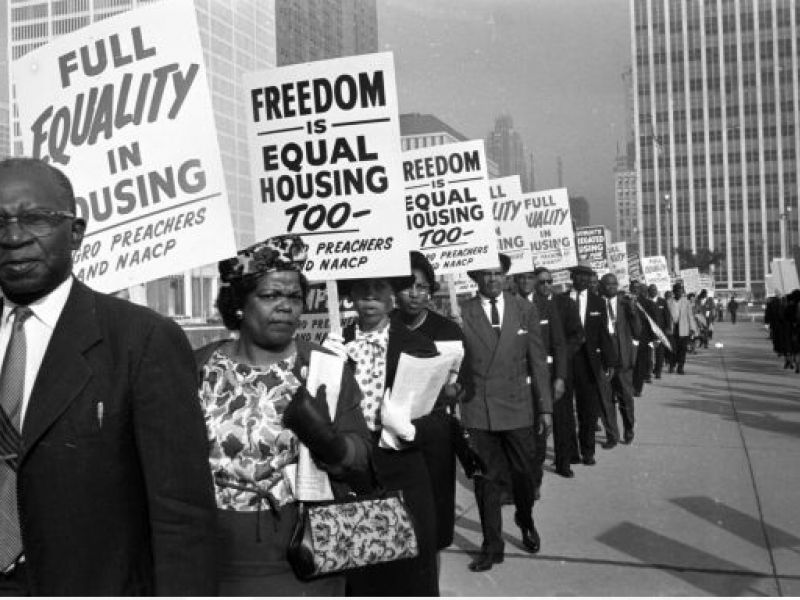
On 5 December 1957, New York City became the first city in the United States to enact legislation prohibiting racial and religious discrimination in the housing market. On this date, the New York City Council approved the Fair Housing Practices Law, which made it unlawful to discriminate in the sale, purchase, or rental of housing on the grounds of colour, race, or religion.
The necessity for this legislation arose in the period following the Second World War, when racial and religious discrimination had become entrenched within the housing markets of major American cities. Property owners and real estate agents routinely prevented African American residents, Jewish families, and other minority groups from purchasing or renting homes in certain neighbourhoods. This practice led to the emergence of segregated residential areas and exposed a fundamental contradiction within American society: citizens were legally equal, yet denied equality in access to housing. This persistent injustice, combined with the growing civil rights movement, made the introduction of fair housing legislation both urgent and unavoidable.
The decision represented a significant milestone in the history of civil rights in the United States. For the first time, a major city adopted a clear and formal legal position against discrimination within the private housing sector. The law provided statutory recognition to the principle of fair housing and formally aligned the housing market with broader commitments to social equality and civil rights.
Later in December 1957, the legislation came into force as a local law. Nevertheless, in historical and policy terms, 5 December 1957 is recognised as the moment when New York laid the foundation for the legal prohibition of discrimination in housing. In subsequent years, this law served as an important precedent for fair housing legislation across the United States and influenced reforms introduced at the federal level.
▪️Syed Shayan Real Estate Archive
▪ Reference(s):
5 دسمبر 1957 کو نیویارک شہر نے ہاؤسنگ مارکیٹ میں نسلی اور مذہبی بنیادوں پر امتیاز کے خلاف قانون سازی کر کے امریکہ کا پہلا شہر ہونے کا اعزاز حاصل کیا۔ اسی دن نیویارک سٹی کونسل نے Fair Housing Practices Law کی منظوری دی، جس کے تحت مکانات کی خرید و فروخت اور کرایہ داری میں رنگ، نسل یا مذہب کی بنیاد پر کسی بھی قسم کے امتیازی سلوک کو غیر قانونی قرار دیا گیا۔
اس قانون کی ضرورت اس وقت محسوس ہوئی جب خصوصاً دوسری عالمی جنگ کے بعد امریکہ کے بڑے شہروں میں ہاؤسنگ مارکیٹ میں نسلی اور مذہبی امتیاز ایک معمول بن چکا تھا، جہاں مکان مالکان اور رئیل اسٹیٹ ایجنٹس سیاہ فام شہریوں، یہودی خاندانوں اور دیگر اقلیتی گروہوں کو مخصوص علاقوں میں گھر خریدنے یا کرائے پر لینے سے روکتے تھے۔ اس کے نتیجے میں شہروں کے اندر نسلی بنیادوں پر علیحدہ بستیاں وجود میں آ گئیں اور یہ واضح تضاد سامنے آیا کہ قانونی طور پر شہری برابر ہیں، مگر رہائش کے حق میں برابر نہیں۔ اسی عملی ناانصافی اور شہری حقوق کے بڑھتے ہوئے شعور نے فیئر ہاؤسنگ پریکٹسز لا جیسے قانون کو ناگزیر بنا دیا تاکہ رہائش کو ایک بنیادی شہری حق کے طور پر تحفظ دیا جا سکے۔
یہ فیصلہ امریکی شہری حقوق کی تاریخ میں ایک اہم موڑ ثابت ہوا کیونکہ پہلی مرتبہ کسی بڑے شہر نے نجی رہائش کے شعبے میں امتیاز کے خلاف واضح اور باضابطہ موقف اختیار کیا۔ اس قانون نے منصفانہ رہائش کے تصور کو قانونی تحفظ فراہم کیا اور ہاؤسنگ مارکیٹ کو سماجی مساوات اور شہری حقوق کے اصولوں سے جوڑ دیا۔
بعد ازاں دسمبر 1957 کے اختتام پر یہ قانون مقامی قانون (Local Law) کی حیثیت سے نافذ ہوا، تاہم تاریخی اور پالیسی اعتبار سے 5 دسمبر 1957 کو وہ دن تسلیم کیا جاتا ہے جب نیویارک نے رہائش کے شعبے میں امتیازی سلوک کو غیر قانونی قرار دینے کی بنیاد رکھی۔ یہ قانون بعد کے برسوں میں امریکہ بھر میں فیئر ہاؤسنگ قوانین اور وفاقی سطح پر ہونے والی اصلاحات کے لیے ایک عملی نمونہ بنا۔
▪️ سید شایان ریئل اسٹیٹ آرکائیو
On October 20, 1901, the first comprehensive national building code standards were established, creating uniform construction regulations across the country. This landmark legislation addressed fire safety, structural integrity, and sanitation requirements for all new constructions. The code mandated minimum room dimensions, ventilation standards, ...
Read More →
On November 11, 1894, the British Parliament approved the London Housing Reform Act to address worsening living standards in industrial London. The nineteenth century had transformed the city into a dense, polluted metropolis where entire families were crowded into small, unsanitary tenements. Poor ventilation, unsafe structures, and limited access...
Read More →
On this day in 2005, a catastrophic 7.6 magnitude earthquake struck northern Pakistan and Azad Jammu & Kashmir (AJK), marking one of the deadliest natural disasters in the nation’s history. Within minutes, vast regions of Muzaffarabad, Balakot, and Bagh were reduced to rubble. Over 73,000 people lost their lives, while millions were left injured ...
Read More →On October 26, 1933, the US New Deal introduced transformative housing reforms during the Great Depression. The Home Owners' Loan Corporation (HOLC) and Federal Housing Administration (FHA) were established to prevent foreclosures, stabilize property values, and introduce long-term amortized mortgages. These initiatives revolutionized home financin...
Read More →
On November 9, 1996, the Lahore Development Authority (LDA) initiated the Shahdara Low Income Housing Project to address rising urban population pressures and informal settlements. The 500-acre development along the Ravi River’s northern bank offered over 3,000 small residential plots for low- and middle-income families. LDA prioritized infrastru...
Read More →
The acquisition of land for the Model Town Society was one of the most remarkable and spirited chapters in its early history. Dewan Khem Chand and his...

Between 1921 and 1924, the land for Model Town Lahore was acquired in successive phases. The process began in 1921, shortly after the establishment of...
No comments yet. Be the first to comment!