
Syed Shayan Real Estate Archive
Syed Shayan Real Estate Archive
From Real Estate History
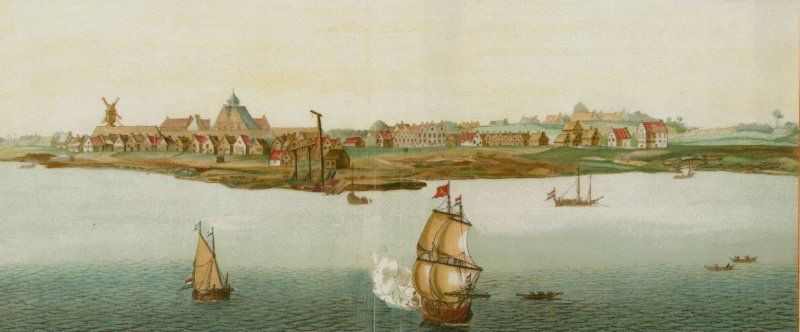
On 2 February 1665, British forces formally consolidated their control over the Dutch colonial settlement of New Amsterdam, located in what is now the Manhattan area of New York City. On this occasion, the settlement was renamed New York.
The earliest known name of the area was Manahatta or Mannahatta, a term used by the indigenous Lenape people, generally understood to describe an island or elevated land. During the period of Dutch colonial administration, when the territory came under the authority of the Dutch West India Company, it was named New Amsterdam. Following the establishment of British control, the settlement was renamed New York in honour of the Duke of York, James, who later ascended the throne as James II. This name has remained in continuous use to the present day.
The history of the settlement thus reflects a succession of political authorities, with each change in name marking a shift in sovereignty. The evolving identity of the city mirrors the broader patterns of imperial control that shaped its early development.
After 1776, when the United States emerged as an independent nation, discussions did arise regarding the renaming of cities and places associated with the colonial past. By that time, however, New York had already established itself as a major commercial, legal, and urban centre. Consequently, there was neither a compelling political rationale nor any significant public demand to alter its name.
▪️Syed Shayan Real Estate Archive
▪ Reference(s):
2 فروری 1665 کو برطانوی افواج نے ڈچ نوآبادی نیو ایمسٹرڈم پر باضابطہ کنٹرول مستحکم کر لیا، جو آج کے مین ہٹن کے علاقے میں واقع تھی، اور اسی موقع پر اس شہر کا نام تبدیل کر کے نیو یارک رکھا گیا۔ اس علاقے کا پہلا معروف نام مینہاٹا یا ماناہاٹا (Mannahatta) تھا، جو مقامی لیناپی قبائل استعمال کرتے تھے، اور جس کا مفہوم عموماً جزیرہ یا پہاڑی زمین سے جوڑا جاتا ہے۔ بعد ازاں ڈچ نوآبادی دور میں، جب یہ علاقہ ڈچ ویسٹ انڈیا کمپنی کے زیرِ انتظام آیا، تو اس کا نام نیو ایمسٹرڈم (New Amsterdam) رکھا گیا۔ برطانوی کنٹرول قائم ہونے پر اس بستی کا نام یارک کے ڈیوک (Duke of York) کے نام پر نیو یارک رکھا گیا، جو اس وقت جیمز تھے اور بعد میں برطانیہ کے بادشاہ جیمز دوم (James II) بنے، اور یہ نام آج تک رائج ہے۔
یوں ایک ہی زمین نے وقت کے ساتھ مختلف قوموں کے زیرِ اثر مختلف نام اختیار کیے، اور ہر نیا نام اس علاقے کے بدلتے ہوئے اقتدار کی عکاسی کرتا ہے۔
تاہم 1776 کے بعد جب امریکہ ایک آزاد ریاست بنا تو اگرچہ کئی شہروں اور مقامات کے ناموں پر بحث ضرور ہوئی، لیکن نیو یارک اس وقت تک ایک مکمل تجارتی، قانونی اور شہری نظام کی حیثیت اختیار کر چکا تھا، اس لیے اس کا نام تبدیل کرنے کی نہ کوئی مضبوط سیاسی ضرورت محسوس کی گئی اور نہ ہی عوامی سطح پر ایسا کوئی مطالبہ سامنے آیا۔
▪️ سید شایان ریئل اسٹیٹ آرکائیو
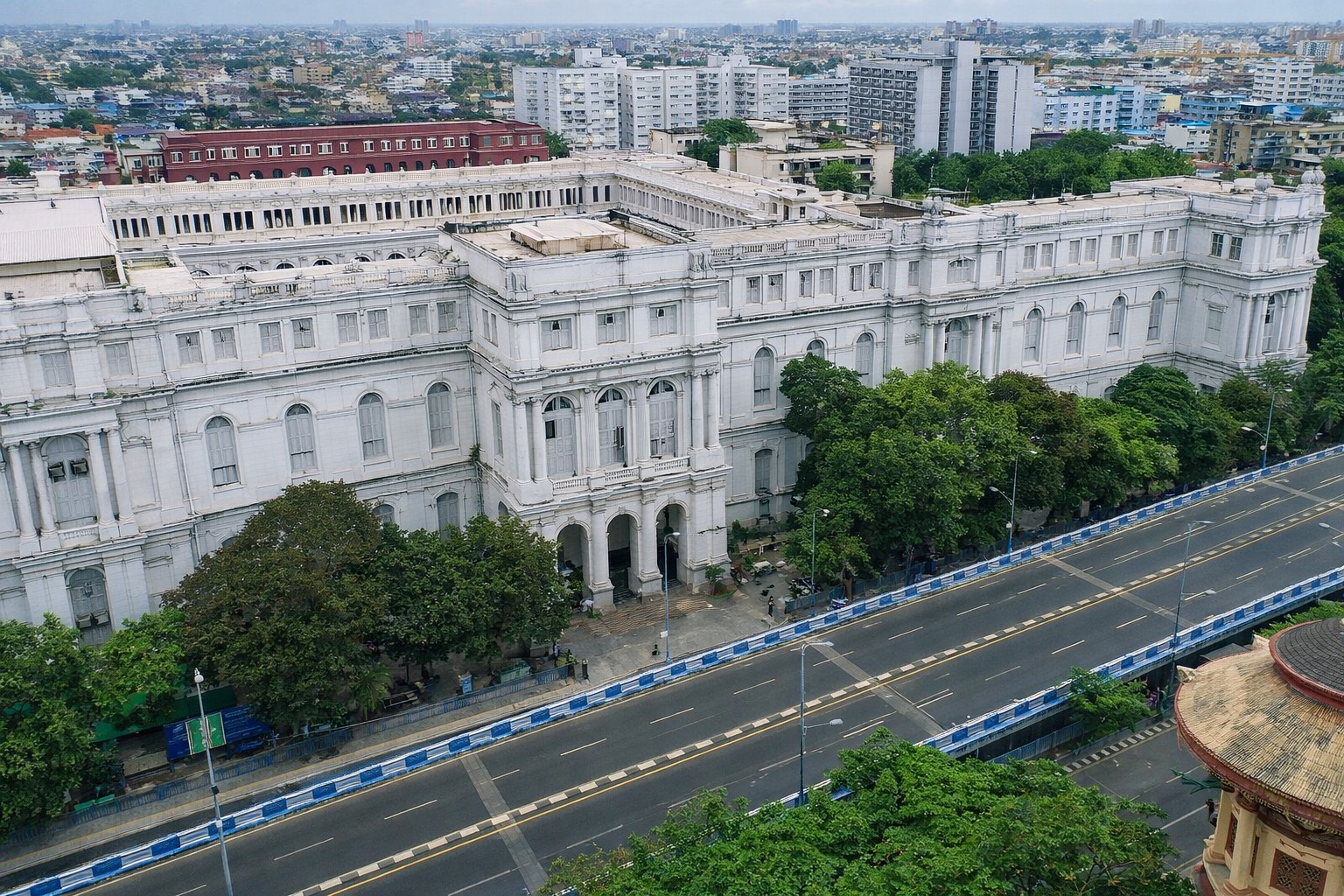
On 2 February, the Indian Museum in Calcutta marks its foundation day. The institution is recognised as the oldest and largest museum in the Indian subcontinent and has played a central role in preserving the region’s architectural legacy, land based civilisations, and archaeological heritage.
The history of the museum represents the first organised and systematic effort in the subcontinent to preserve knowledge, antiquities, land related cultures, architecture, and civilisational heritage within a formal institutional framework.
The origins of this initiative can be traced to the late eighteenth century, when scholars associated with the Asiatic Society of Bengal had accumulated extensive collections of ancient coins, inscriptions, sculptures, fossils, zoological specimens, botanical samples, and numerous artefacts brought from distant regions. Despite the growing scale and diversity of these collections, no permanent institution existed to house them, record them scientifically, or make them accessible to the public and researchers. This gap led to the emergence of the museum concept. On 2 February 1814, the Danish botanist Nathaniel Wallich formally proposed the establishment of a museum to the Asiatic Society of Bengal, offered his personal collection for this purpose, and assumed responsibility as its first curator in practice.
Initially, the museum was accommodated within the premises of the Asiatic Society of Bengal. Over time, however, the collections expanded to such an extent that a separate and more spacious building became essential. The government of the period, operating under the East India Company, allocated more than ten acres of land in the area between Chowringhee Road and Park Street for the construction of a dedicated museum complex.
The decision to construct a public museum on such a substantial tract of land during the colonial period was itself significant. It reflected an intention to create not merely an exhibition space, but a comprehensive institution dedicated to knowledge, research, antiquities, and natural history. The architectural plan incorporated multiple galleries, storage facilities, research rooms, and internal courtyards, arranged according to functional and scholarly requirements.
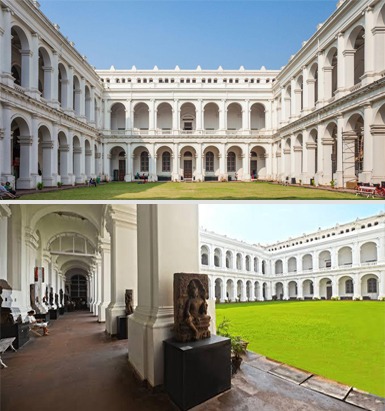
Development of the present neo classical building progressed during the nineteenth century. The name of architect Walter L B Granville appears consistently in credible sources associated with its design. The museum was opened to the public in its current building on 1 April 1878.
Although the Indian Museum was formally established in 1814, the building that houses it today became accessible to the public nearly six decades later, in 1878.
The scope of the collections preserved within the museum is so extensive that it is more accurately described as a convergence of multiple disciplines rather than a single subject institution. Its principal identity is shaped by holdings in archaeology, ancient sculpture, numismatics, epigraphy, and civilisational artefacts, alongside a substantial natural history collection that includes fossils and biological specimens. Among the most widely recognised objects of public interest are the ancient Egyptian mummy displayed in the Egyptian gallery and the stone railings of the Bharhut Stupa, together with other significant Buddhist remains regarded as internationally important.
In the field of collection care, the institution has moved beyond traditional security measures towards systematic conservation, documentation, and scientific preservation. Its internal documentation includes conservation guidelines and structured upgrade frameworks, indicating sustained efforts to improve standards of collection management. Government audits and institutional reports also refer to administrative structures, trustee systems, and planned upgrades, suggesting that the museum operates as an autonomous institution under state oversight.
The historical importance of the museum lies not only in its status as the oldest museum in the subcontinent, but also in its role in institutionalising the practices of collecting, cataloguing, and presenting antiquities, archaeological material, and scientific specimens as part of public knowledge. For this reason, it remains a central reference point for understanding the architectural and land history of the subcontinent, patterns of urban development, colonial era knowledge policy, and the formation of regional cultural capital.
The museum continues to function actively and observes its foundation day each year on 2 February.
In recent years, reports of special exhibitions and thematic programmes have continued to emerge, reflecting the continuity of its public engagement and educational role. At the same time, public discourse has drawn attention to challenges related to the age of the building, maintenance requirements, and the need to meet contemporary standards. The present condition of the institution is therefore best understood as that of a historic establishment which, despite its stature and collections, remains under constant pressure for restoration, upgrading, and advanced conservation.
The Indian Museum was the first institution in the subcontinent to be established on the formal concept of a museum, where antiquities, archaeological material, natural history specimens, and scientific objects were systematically collected, recorded, and made accessible to the public and researchers. Prior to this, royal treasuries, private collections, and religious sites did preserve valuable objects, but these did not qualify as museums due to the absence of scientific documentation and public access. On this basis, the Indian Museum is recognised in authoritative historical sources as the first museum of the subcontinent.
▪️Syed Shayan Real Estate Archive
▪ Reference(s):
2 فروری کو کولکتہ میں قائم Indian Museum اپنے قیام کا دن مناتا ہے۔ یہ ادارہ برصغیر کا قدیم ترین اور سب سے بڑا میوزیم سمجھا جاتا ہے، جس نے خطے کی تعمیراتی تاریخ، زمین سے جڑی تہذیب، اور آثارِ قدیمہ کے تحفظ میں مرکزی کردار ادا کیا ہے۔
اس میوزیم کی کہانی برصغیر میں علم، نوادرات، زمین، تعمیرات، اور تہذیبی ورثے کو باقاعدہ طور پر محفوظ کرنے کی پہلی منظم کوشش کی کہانی ہے۔
پس منظر یہ تھا کہ اٹھارہویں صدی کے آخر میں ایشیاٹک سوسائٹی آف بنگال Asiatic Society of Bengal کے اہلِ علم کے پاس قدیم سکے، کتبے، مجسمے، فوسلز، جانوروں کے نمونے، نباتات، اور دور دراز علاقوں سے لائی گئی بے شمار چیزیں جمع ہو رہی تھیں، مگر انہیں رکھنے، سائنسی انداز میں درج کرنے، اور عوام یا محققین کے لیے پیش کرنے کا کوئی مستقل ادارہ موجود نہیں تھا۔ اسی ضرورت کے تحت میوزیم کے تصور نے شکل اختیار کی، اور آخرکار 2 فروری 1814 کو ڈینش ماہرِ نباتات ڈاکٹر Nathaniel Wallich نے Asiatic Society of Bengal کو ایک باقاعدہ میوزیم بنانے کی تجویز دی، اپنی کلیکشن اس کے لیے پیش کی، اور عملی طور پر پہلے نگران کی حیثیت سے کام بھی سنبھالا۔
ابتدا میں یہ میوزیم Asiatic Society of Bengal کی عمارت کے اندر قائم ہوا، مگر وقت کے ساتھ مجموعہ اتنا بڑا اور متنوع ہو گیا کہ ایک الگ اور وسیع عمارت ناگزیر بن گئی۔ حکومت نے (اس وقت کی ایسٹ انڈیا کمپنی) چورنگھی روڈ اور پارک اسٹریٹ کے علاقے میں 10 ایکڑ سے بھی زائد کا قطعۂ اراضی اس مقصد کے لیے مہیا کیا۔
نو آبادیاتی دور میں اتنے بڑے رقبے پر ایک عوامی میوزیم کی تعمیر بذاتِ خود اس بات کی علامت تھی کہ اسے محض ایک نمائش گاہ نہیں بلکہ علم، تحقیق، نوادرات اور قدرتی تاریخ کے ایک جامع ادارے کے طور پر ڈیزائن کیا گیا تھا، جس میں مختلف گیلریوں، ذخیرہ خانوں، تحقیقی کمروں اور اندرونی صحنوں کو ضروریات کے مطابق تعمیر کیا گیا۔
میوزیم کی موجودہ شاندار نو کلاسیکل طرز کی عمارت کا منصوبہ انیسویں صدی میں آگے بڑھا۔ اس عمارت کے آرکیٹکٹ Walter L. B. Granville کا نام معتبر ماخذوں میں بار بار آتا ہے، اور میوزیم کو موجودہ عمارت میں عوام کے لیے 1 اپریل 1878 کو کھولا گیا۔
اگرچہ انڈین میوزیم 1814 میں قائم ہوا، مگر اس کی موجودہ عمارت تقریباً چھ دہائیوں بعد 1878 میں عوام کے لیے کھولی گئی۔
یہاں رکھے گئے نوادرات کی نوعیت اتنی وسیع ہے کہ اسے ایک واحد میوزیم کے بجائے کئی علوم کا مجموعہ کہنا زیادہ درست ہے۔ میوزیم کی بڑی شناخت آثارِ قدیمہ، قدیم مجسمہ سازی، سکے، کتبے، اور تہذیبی نوادرات کے ساتھ ساتھ قدرتی تاریخ کے ذخیرے سے بھی بنتی ہے، جس میں فوسلز اور حیاتیاتی نمونے شامل ہیں۔ عوامی دلچسپی کی چند نمایاں مثالیں مصر کی گیلری کی قدیم ممی، اور بھارہوت اسٹوپا کی سنگی ریلنگز اور بدھ مت سے متعلق قدیم آثار ہیں، جنہیں دنیا بھر میں اہم سمجھا جاتا ہے۔
نوادرات کی حفاظت کے باب میں اس ادارے نے روایتی تالوں اور چوکیداری سے آگے بڑھ کر کنزرویشن، ریکارڈنگ، اور سائنسی نگہداشت کی طرف بھی سفر کیا ہے۔ میوزیم کے اپنے دستاویزی منصوبوں میں کنزرویشن گائیڈ لائنز اور اپ گریڈیشن جیسے موضوعات موجود ہیں، جن سے یہ ظاہر ہوتا ہے کہ ذخیرے کی حفاظت کے لیے معیار سازی اور بہتری کی کوشش جاری ہے۔ اسی کے ساتھ سرکاری آڈٹ اور ادارہ جاتی رپورٹس میں انتظامی ڈھانچے، ٹرسٹیز کے نظام، اور اپ گریڈیشن کے منصوبوں کا ذکر بھی ملتا ہے، جو اس بات کی طرف اشارہ ہے کہ یہ ادارہ ریاستی نگرانی میں ایک خودمختار تنظیم کے طور پر چلتا ہے۔
اس میوزیم کی تاریخی اہمیت صرف یہ نہیں کہ یہ برصغیر کا قدیم ترین میوزیم ہے، بلکہ یہ بھی ہے کہ اسی ادارے نے نوادرات، آثارِ قدیمہ، اور سائنسی نمونوں کو جمع کرنے، درج کرنے، اور عوامی علم کا حصہ بنانے کی روایت کو ادارہ جاتی صورت دی۔ یہی وجہ ہے کہ اسے برصغیر کی تعمیراتی اور زمینی تاریخ، شہری ارتقا، نو آبادیاتی عہد کی علمی پالیسی، اور علاقائی ثقافتی سرمائے کو سمجھنے کے لیے ایک مرکزی حوالہ سمجھا جاتا ہے۔
آج بھی یہ میوزیم فعال ہے اور ہر سال 2 فروری کو اس کا فاؤنڈیشن ڈے منایا جاتا ہے۔
حالیہ برسوں میں اس میوزیم کی خصوصی نمائشوں اور موضوعاتی پروگراموں کی خبریں بھی سامنے آتی رہی ہیں، جس سے ادارے کی عوامی اور تعلیمی سرگرمیوں کا تسلسل ظاہر ہوتا ہے۔ تاہم بعض مباحث میں عمارت کی عمر، دیکھ بھال، اور جدید تقاضوں کے مطابق سہولیات کے چیلنجز کا ذکر بھی ملتا ہے، اس لیے اس کی موجودہ حالت کو یوں سمجھنا بہتر ہے کہ ادارہ اپنی عظمت اور ذخیرے کے باوجود مسلسل مرمت، اپ گریڈیشن، اور جدید کنزرویشن کی ضرورت کے دباؤ میں بھی رہتا ہے۔
انڈین میوزیم برصغیر میں پہلا ایسا ادارہ تھا جو میوزیم کے باقاعدہ تصور کے تحت قائم ہوا، یعنی جہاں نوادرات، آثارِ قدیمہ، قدرتی تاریخ کے نمونے، اور سائنسی اشیا کو منظم انداز میں جمع کیا گیا، درج کیا گیا، اور عوام و محققین کے لیے پیش کیا گیا۔ اس سے پہلے اگرچہ شاہی خزانے، نجی کلیکشنز، یا مذہبی مقامات پر نوادرات موجود تھے، مگر وہ میوزیم نہیں کہلاتے تھے کیونکہ نہ ان کا سائنسی اندراج ہوتا تھا اور نہ عوامی رسائی۔ اسی بنیاد پر Indian Museum کو مستند تاریخی حوالوں میں برصغیر کا پہلا میوزیم بھی تسلیم کیا جاتا ہے۔
▪️ سید شایان ریئل اسٹیٹ آرکائیو
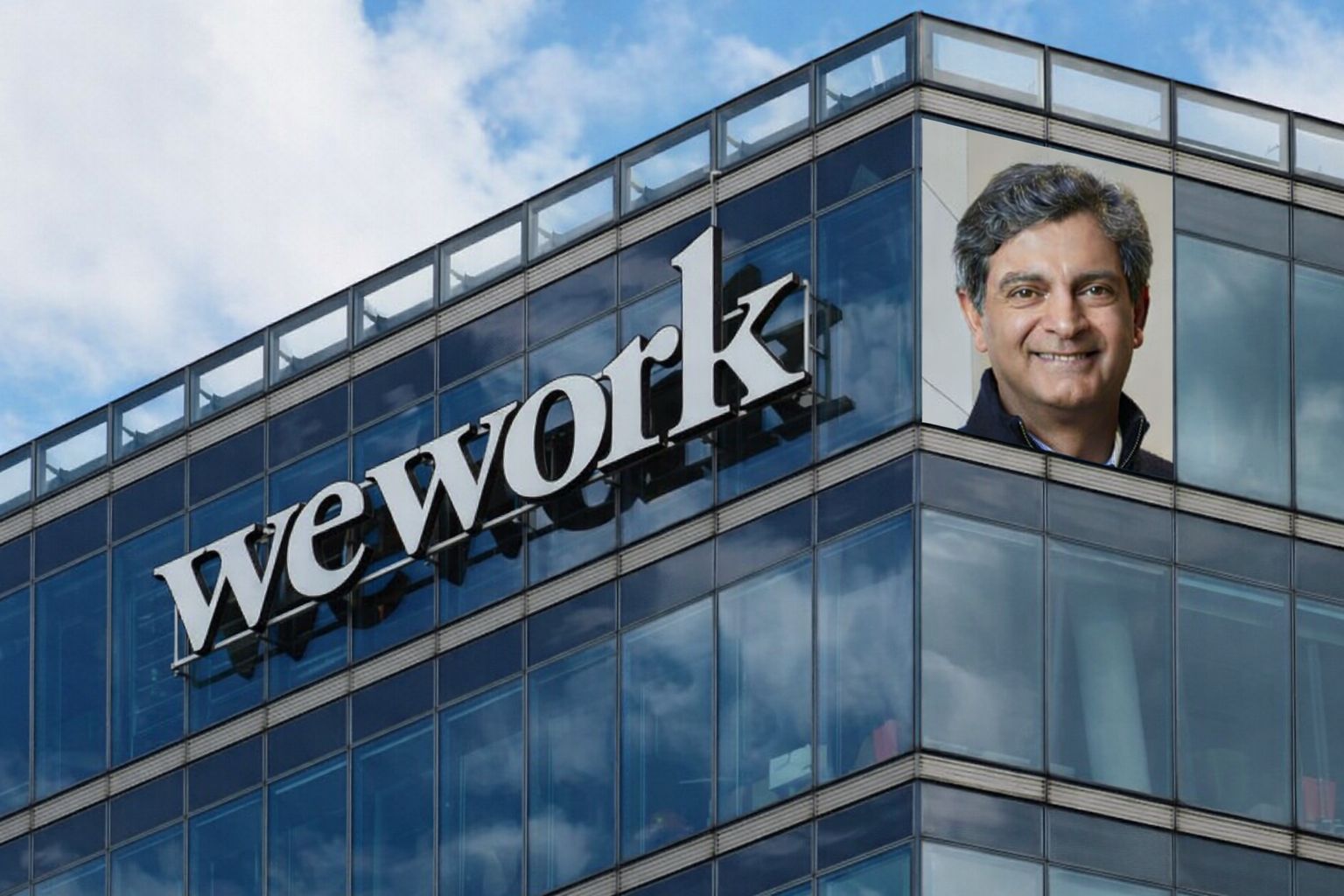
For WeWork, the globally recognised emblem of rapidly expanding co working spaces, the year 2020 marked a decisive turning point. Following a period of excessive expansion and a failed initial public offering, it became evident that the company was required to undertake a fundamental reassessment of its strategy. WeWork’s valuation, business model, and corporate governance came under intense international scrutiny, prompting growing concern among investors and market regulators alike. In response to this mounting pressure, the company resolved to realign its strategic direction.
Within this context, on 2 February 2020, WeWork announced a significant and foundational change in leadership with the appointment of Sandeep Mathrani as Chief Executive Officer.
Sandeep Mathrani brought with him extensive senior level experience from major commercial real estate organisations, including deep expertise in shopping centres, office portfolios, and leasing structures. His appointment signalled a deliberate shift away from the perception of WeWork as a technology driven start up, and towards its repositioning as a disciplined and operationally grounded real estate leasing company.
This transition also marked the conclusion of the leadership era associated with the company’s founder, Adam Neumann. In the period that followed, WeWork moved away from aggressive expansion, inflated growth narratives, and unsustainable expenditure, choosing instead to re establish financial discipline and operational restraint. The revised strategy focused on aligning lease obligations with market realities and managing assets in a more structured and sustainable manner. Within the global real estate industry, this shift came to be regarded as a clear illustration of how an overextended start up vision can be recalibrated in accordance with conventional and cautious real estate principles.
It is important to note that WeWork’s underlying business model is rooted in traditional real estate practice. The company leases large commercial buildings on long term agreements, subdivides them into smaller shared offices, and offers these spaces to companies, freelancers, and start ups. In practical terms, WeWork’s operations centre on leasing properties, converting them into modern and functional office environments, and generating revenue through the sub leasing of space to a diverse user base.
▪️Syed Shayan Real Estate Archive
▪ Reference(s):
دنیا بھر میں تیزی سے پھیلنے والی کو ورکنگ اسپیسز (co working spaces) کی علامت سمجھی جانے والی عالمی کمپنی WeWork کے لیے 2020 کا سال ایک فیصلہ کن موڑ ثابت ہوا، جب حد سے زیادہ توسیع اور ناکام آئی پی او (IPO) کے بعد یہ واضح ہو چکا تھا کہ کمپنی کو اپنی پالیسیوں پر ازسرِنو غور کرنا ہوگا۔
WeWork کی ویلیوایشن، بزنس ماڈل اور کارپوریٹ گورننس پر عالمی سطح پر شدید سوالات اٹھ رہے تھے۔ سرمایہ کاروں اور مارکیٹ ریگولیٹرز کی جانب سے بڑھتے ہوئے دباؤ کے بعد کمپنی نے اپنی حکمتِ عملی ازسرِنو ترتیب دینے کا فیصلہ کیا۔
اسی پس منظر میں 2 فروری 2020 کو WeWork نے اپنی قیادت میں ایک بڑی اور بنیادی تبدیلی کا اعلان کیا، جس کے تحت رئیل اسٹیٹ انڈسٹری کے تجربہ کار ایگزیکٹو سندیپ متھرانی (Sandeep Mathrani) کو چیف ایگزیکٹو آفیسر مقرر کیا گیا۔
سندیپ متھرانی اس سے قبل بڑے کمرشل رئیل اسٹیٹ اداروں میں اعلیٰ انتظامی ذمہ داریاں نبھا چکے تھے، اور انہیں شاپنگ مالز، آفس اسپیس اور لیزنگ ماڈلز کا گہرا تجربہ حاصل تھا۔ ان کی تقرری کا بنیادی مقصد WeWork کو ایک ٹیکنالوجی یا اسٹارٹ اپ طرز کے خواب سے نکال کر دوبارہ ایک عملی رئیل اسٹیٹ لیزنگ کمپنی کے طور پر مستحکم کرنا تھا۔
یہ قیادت کی تبدیلی دراصل WeWork کے بانی ایڈم نیومن (Adam Neumann) کے دور کے خاتمے کی علامت تھی۔ اس کے بعد کمپنی نے تیزی سے پھیلنے کی پالیسی، بڑے دعووں اور غیر ضروری اخراجات کو چھوڑ کر مالی نظم و ضبط کی طرف واپسی کا فیصلہ کیا۔ مقصد یہ تھا کہ لیزنگ کے معاہدے زمینی حقائق کے مطابق ہوں اور کمپنی اپنے اثاثوں کو زیادہ منظم انداز میں چلائے۔ عالمی رئیل اسٹیٹ انڈسٹری میں اس عمل کو ایک مثال کے طور پر دیکھا گیا کہ کس طرح ایک ناکام اسٹارٹ اپ سوچ کو دوبارہ روایتی اور محتاط رئیل اسٹیٹ اصولوں کے مطابق ڈھالا جاتا ہے۔
یہ بات واضح رہے کہ WeWork بڑی کمرشل عمارتیں طویل مدت کے لیے کرائے پر حاصل کرتی ہے، پھر ان عمارتوں کو چھوٹے اور مشترکہ دفاتر میں تقسیم کرتی ہے، جنہیں کو ورکنگ اسپیسز کہا جاتا ہے۔ بعد ازاں یہ دفاتر مختلف کمپنیوں، فری لانسرز اور اسٹارٹ اپس کو استعمال کے لیے فراہم کیے جاتے ہیں۔ سادہ الفاظ میں WeWork کا کاروباری ماڈل یہی ہے کہ وہ عمارتیں کرائے پر لے، انہیں جدید اور فعال دفاتر میں تبدیل کرے، اور مختلف صارفین کو لیز پر دے کر منافع حاصل کرے۔
▪️ سید شایان ریئل اسٹیٹ آرکائیو
On November 21, 1987, the Punjab Planning and Development Department introduced the Inter-District Agricultural Storage & Cold-Chain Enhancement Initiative, a landmark program designed to reduce post-harvest losses and stabilize farm incomes across central and southern Punjab. During the late 1980s, regions such as Okara, Sahiwal, Rahim Yar Khan, a...
Read More →
On October 23, 1972, pioneering energy efficiency standards for commercial buildings were enacted, establishing the first comprehensive requirements for energy conservation in commercial construction. These regulations emerged during the energy crisis era, addressing growing concerns about resource conservation and building operating costs. The sta...
Read More →
The structure known globally today as Burj Khalifa was originally conceived and launched under the name Burj Dubai. An important and deliberate aspect of its history is that the inauguration was scheduled for 4 January 2010 to coincide with the anniversary of Sheikh Mohammed bin Rashid Al Maktoum’s accession as Ruler of Dubai. On 4 January 2006,...
Read More →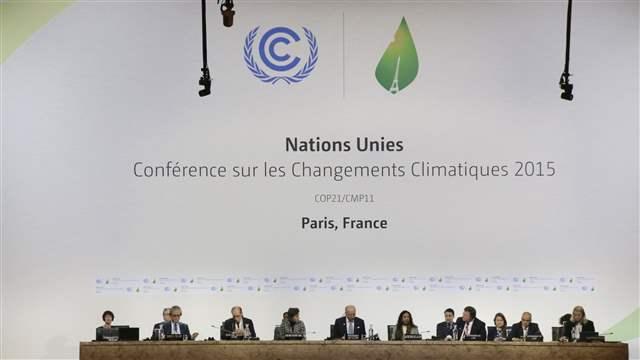
On November 2, 2015, world leaders and climate experts gathered in Paris to finalize the framework for the COP21 Climate Agreement, a landmark initiative aimed at limiting global temperature rise below 2°C. The conference represented a pivotal moment in global environmental policy, bringing together 196 nations to commit to emission reduction targ...
Read More →
On the 12th of January 1831, a pivotal moment in the annals of global real estate transpired, heralding a transformation in the ownership of land and dwellings from the preserve of the elite to a domain accessible to the broader populace. It was on this date that the inaugural Building and Loan Association, designated as the Oxford Provident, was...
Read More →
The acquisition of land for the Model Town Society was one of the most remarkable and spirited chapters in its early history. Dewan Khem Chand and his...
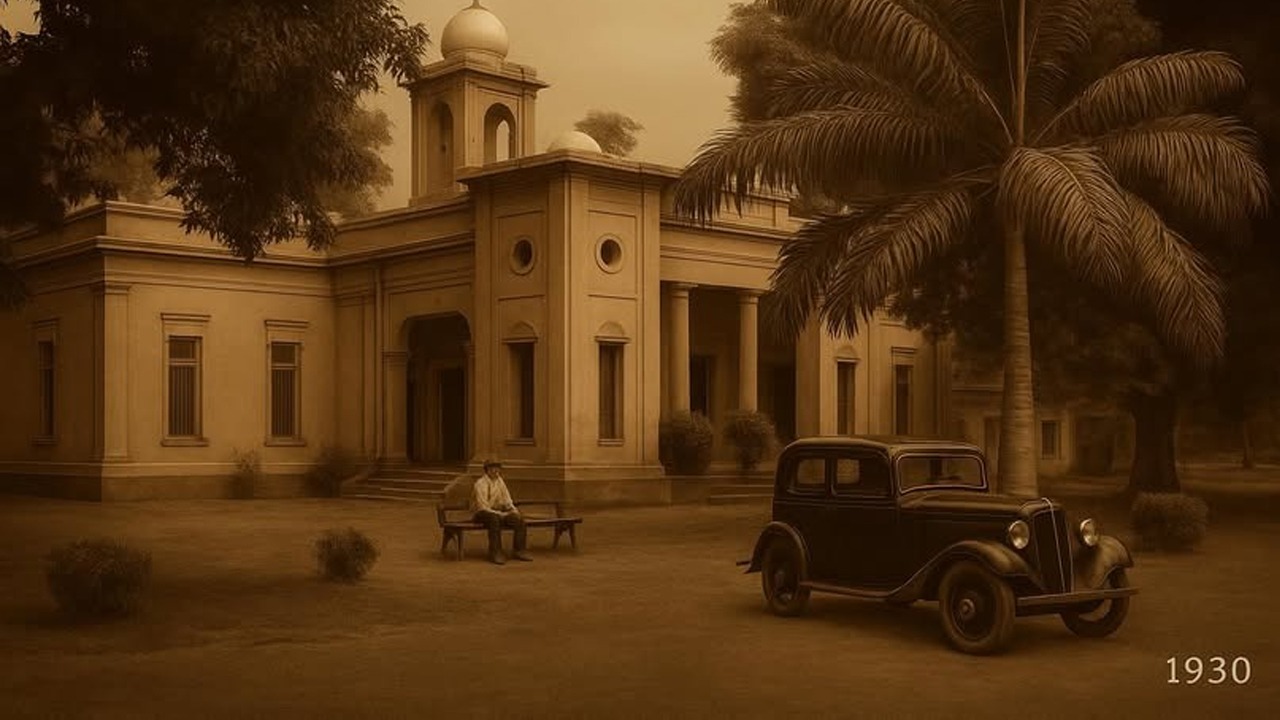
Between 1921 and 1924, the land for Model Town Lahore was acquired in successive phases. The process began in 1921, shortly after the establishment of...
No comments yet. Be the first to comment!