
Syed Shayan Real Estate Archive
Syed Shayan Real Estate Archive
From Real Estate History
On This Date
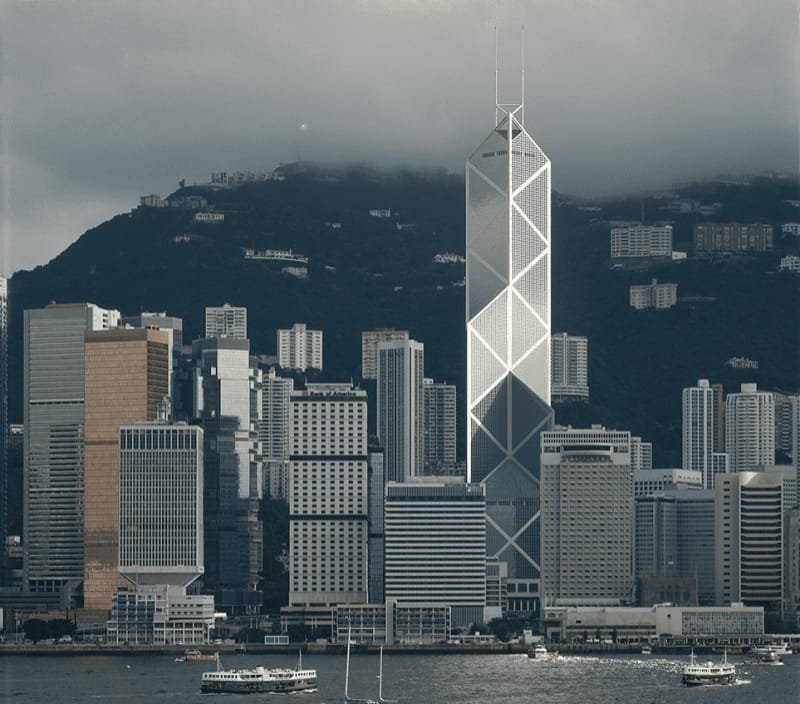
Hong Kong’s landmark Bank of China Tower reached a major construction milestone on August 8, 1988, when its topping-out ceremony was held, marking an important stage in the development of a skyscraper that would later transform the city’s skyline.
The date, written as 8/8/88, was deliberately chosen because the number eight is traditionally associated with prosperity, success and good fortune in Chinese culture.
Located in Hong Kong’s Central business district, the Bank of China Tower was designed by internationally renowned architect I. M. Pei. Its distinctive geometric form, triangular sections and exposed diagonal structural framework made it markedly different from conventional office towers of the period.
Following its completion in 1990, the building rose approximately 315 metres to its main roof and around 367 metres including its masts. It became the tallest building in Hong Kong and Asia at the time.
The development also reflected the rapid growth of Hong Kong’s commercial real estate market. Limited urban land, high property values and the concentration of financial institutions in the Central business district encouraged increasingly vertical and technologically advanced office development.
The Bank of China Tower subsequently became one of Hong Kong’s most recognisable landmarks and remains a prominent example of the relationship between architecture, engineering and commercial real estate in shaping the identity of a global financial centre.
▪️Syed Shayan Real Estate Archive
▪ Reference(s):
On This Date
ہانگ کانگ کی مشہور کمرشل عمارت بینک آف چائنا ٹاور کی تعمیر ایک اہم مرحلے میں داخل ہوئی جب اس کی ٹاپنگ آؤٹ تقریب منعقد کی گئی۔ بعد ازاں یہ عمارت نہ صرف ہانگ کانگ کی سکائی لائن کی نمایاں شناخت بنی بلکہ ایشیا میں بلند کمرشل عمارتوں کی تعمیر کے ایک نئے دور کی علامت بھی ثابت ہوئی۔
تقریب کے لیے 8 اگست 1988 کا انتخاب بھی خصوصی اہمیت رکھتا تھا، کیونکہ چینی ثقافت میں ہندسہ آٹھ خوش بختی، ترقی اور خوشحالی سے منسوب کیا جاتا ہے۔
ہانگ کانگ کے مرکزی کاروباری علاقے میں واقع بینک آف چائنا ٹاور کو عالمی شہرت یافتہ معمار آئی ایم پے نے ڈیزائن کیا تھا۔ اس کا منفرد جیومیٹرک ڈیزائن، مثلث نما ساخت اور بیرونی حصے پر نمایاں ترچھی لکیریں اسے اپنے دور کی روایتی دفتری عمارتوں سے ممتاز کرتی تھیں۔
1990 میں عمارت کی تکمیل کے بعد اس کی مرکزی چھت کی بلندی تقریباً 315 میٹر جبکہ اوپر نصب مَسٹ سمیت مجموعی بلندی تقریباً 367 میٹر تک پہنچ گئی۔ اس وقت یہ ہانگ کانگ اور ایشیا کی بلند ترین عمارت بن گئی۔
بینک آف چائنا ٹاور کی تعمیر اس دور میں ہانگ کانگ کی تیزی سے بڑھتی کمرشل رئیل اسٹیٹ مارکیٹ کی بھی عکاسی کرتی تھی۔ محدود شہری زمین، بلند جائیداد قیمتوں اور سینٹرل بزنس ڈسٹرکٹ میں مالیاتی اداروں کی بڑھتی تعداد نے بلند و بالا دفتری عمارتوں کی تعمیر کو فروغ دیا۔
آج بینک آف چائنا ٹاور ہانگ کانگ کی عالمی شناخت کا اہم حصہ اور جدید فن تعمیر، انجینئرنگ اور کمرشل رئیل اسٹیٹ کے امتزاج کی نمایاں مثال سمجھا جاتا ہے۔
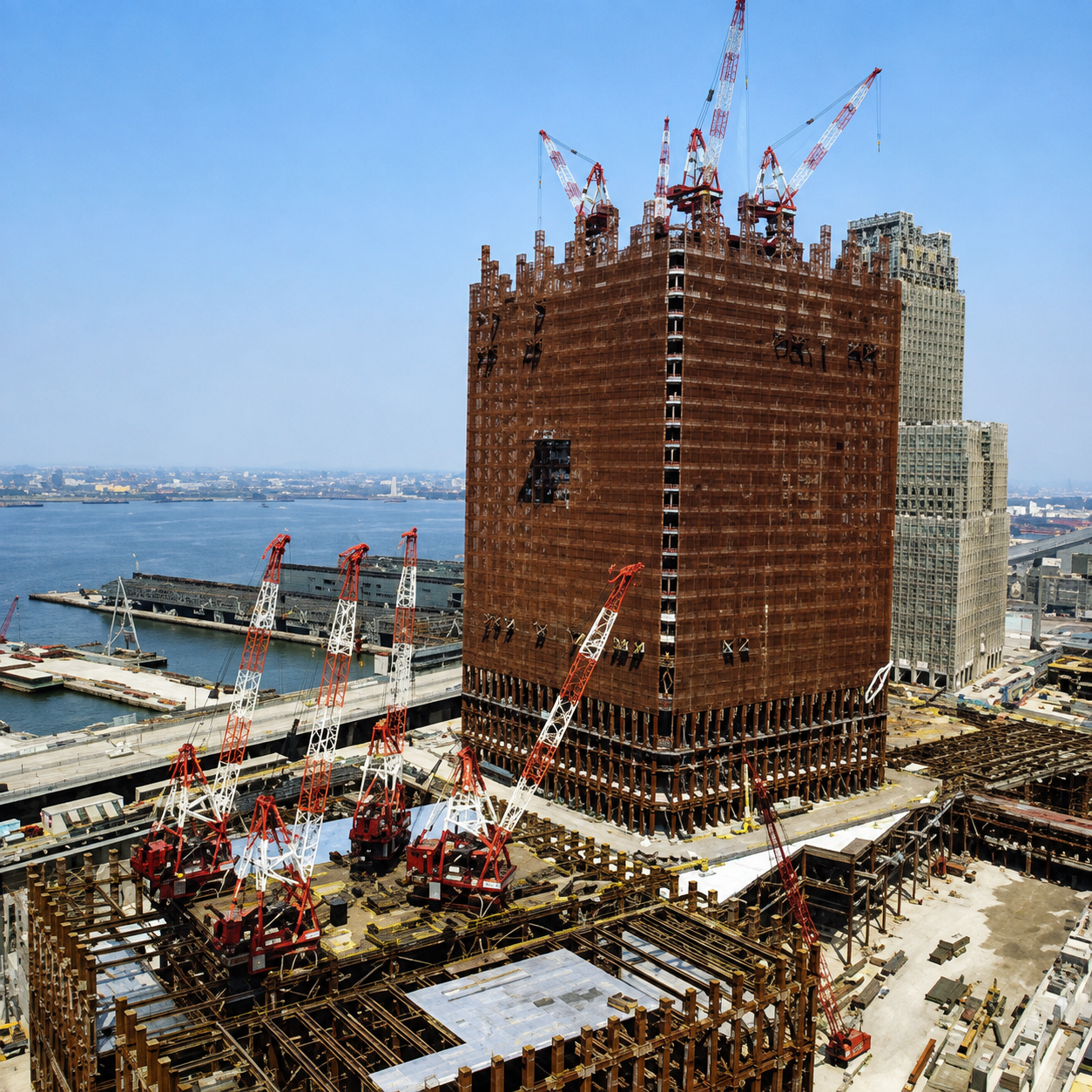
A formal groundbreaking ceremony in Lower Manhattan marked the beginning of the original World Trade Center, one of the most ambitious commercial real estate an...
Read More →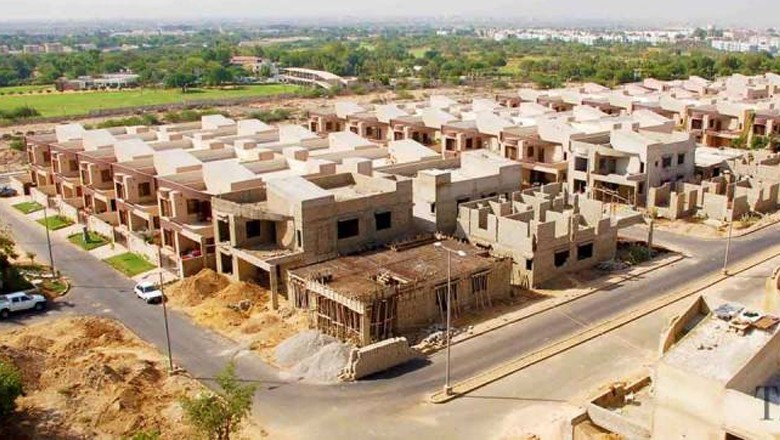
On October 30, 1980, Pakistan unveiled its groundbreaking first comprehensive national housing policy specifically designed to address the shelter needs of low-...
Read More →On October 26, 1933, the US New Deal introduced transformative housing reforms during the Great Depression. The Home Owners' Loan Corporation (HOLC) and Federal...
Read More →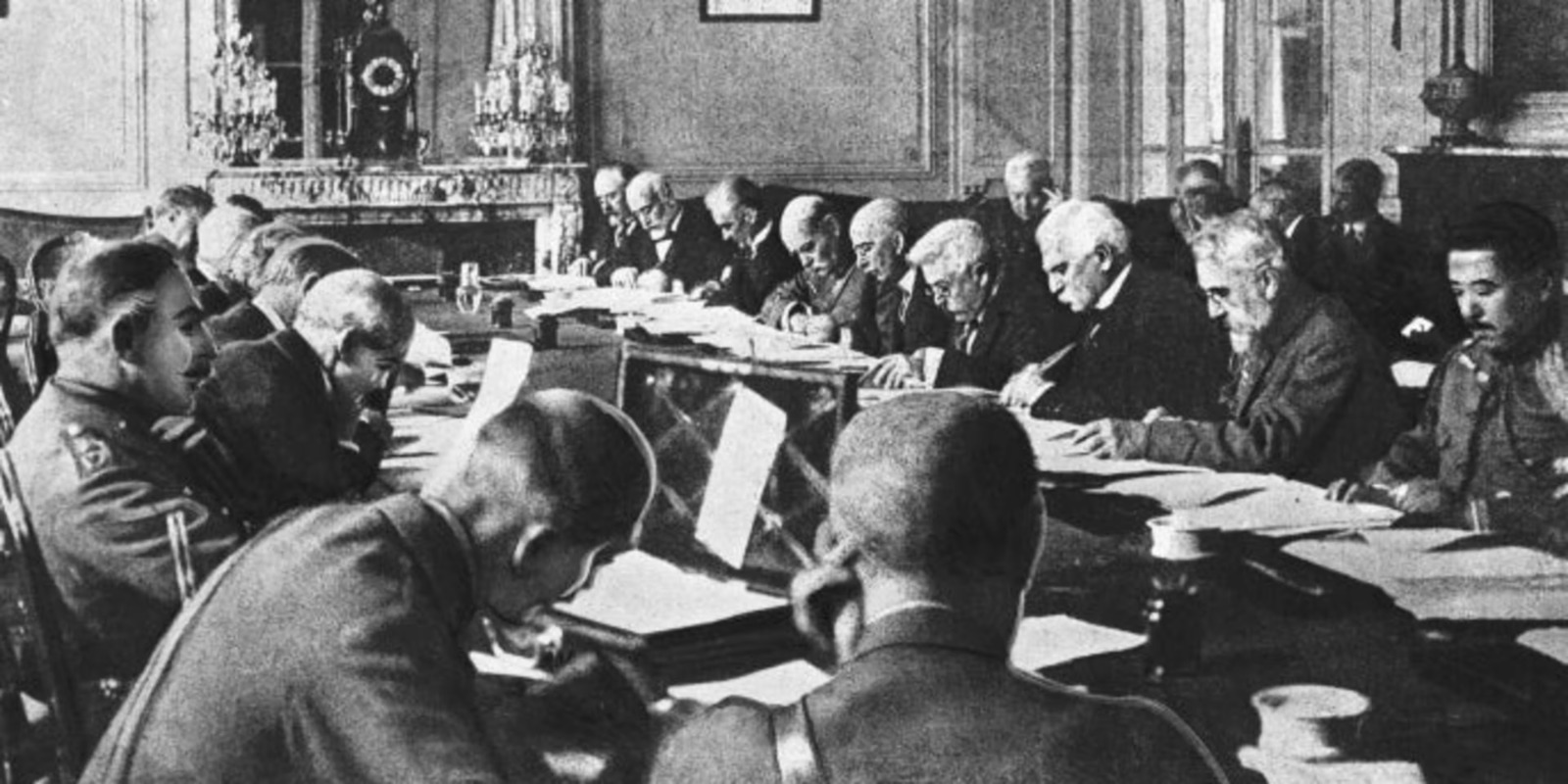
The Treaty of Versailles was signed at the Palace of Versailles in France, officially bringing World War I to an end. While the treaty is primarily remembered f...
Read More →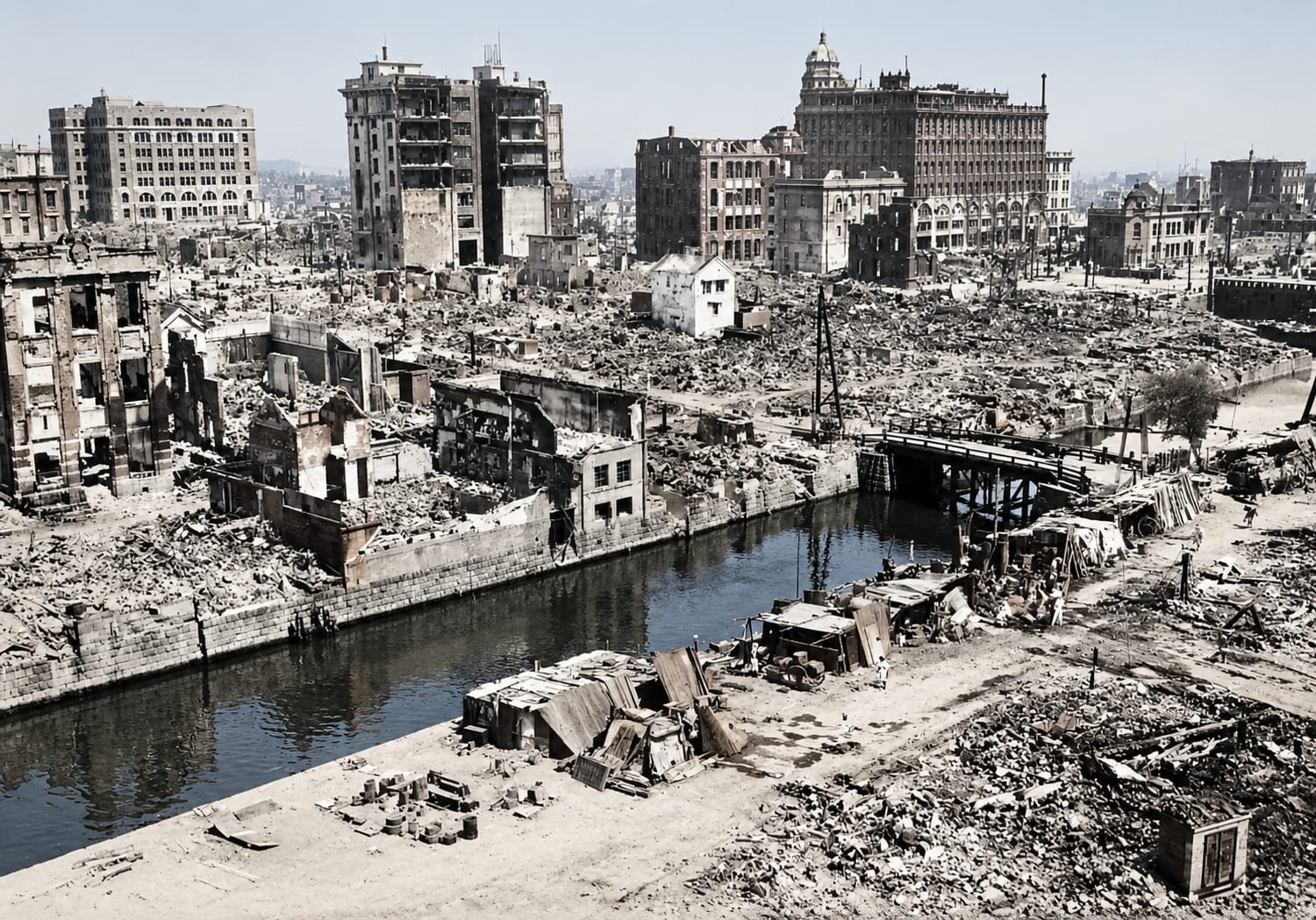
September 26, 1923, marked a critical moment in the aftermath of the Great Kanto Earthquake, as Japan moved from emergency relief toward the difficult task of r...
Read More →
The acquisition of land for the Model Town Society was one of the most remarkable and spirited chapters in its early history. Dewan Khem Chand and his...

Between 1921 and 1924, the land for Model Town Lahore was acquired in successive phases. The process began in 1921, shortly after the establishment of...
No comments yet. Be the first to comment!