
Syed Shayan Real Estate Archive
Syed Shayan Real Estate Archive
From Real Estate History
On This Date
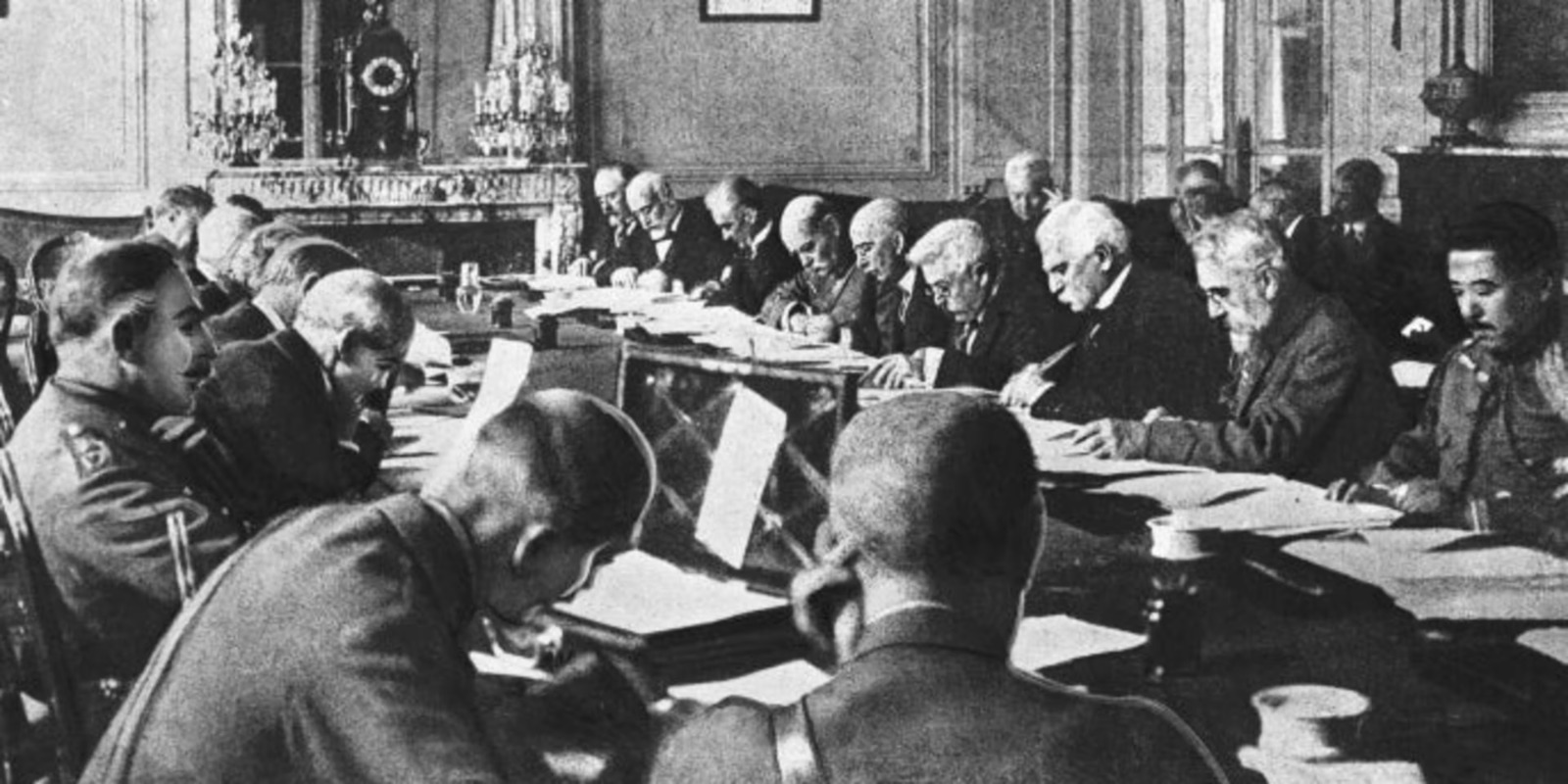
The Treaty of Versailles was signed at the Palace of Versailles in France, officially bringing World War I to an end. While the treaty is primarily remembered for its political and diplomatic consequences, it also had a profound and lasting impact on real estate, housing, and urban development across Europe.
The widespread destruction caused by the war had left millions of homes, public buildings, transport networks, and commercial districts damaged or destroyed. In the years that followed, governments launched large scale reconstruction programs to rebuild cities, restore essential infrastructure, and address severe housing shortages. These efforts stimulated significant investment in residential construction, public works, land redevelopment, and modern urban planning.
The post war rebuilding period also encouraged the adoption of improved planning regulations, zoning practices, and housing policies in several European countries. Many cities were redesigned with wider roads, upgraded public utilities, and more organized residential neighborhoods, laying the foundation for modern urban development. As a result, the Treaty of Versailles marked the beginning of one of the most significant reconstruction and real estate development periods in twentieth century European history.
▪ Reference(s):
On This Date
فرانس کے محل ورسائی میں معاہدۂ ورسائی پر دستخط کیے گئے، جس کے ذریعے پہلی جنگِ عظیم کا باضابطہ اختتام ہوا۔ اگرچہ یہ معاہدہ زیادہ تر اپنے سیاسی اور سفارتی اثرات کے حوالے سے یاد کیا جاتا ہے، تاہم اس کے یورپ کی رئیل اسٹیٹ، رہائش اور شہری ترقی پر بھی گہرے اور طویل المدتی اثرات مرتب ہوئے۔
جنگ کے دوران بڑے پیمانے پر تباہی کے باعث لاکھوں گھر، سرکاری عمارتیں، ٹرانسپورٹ نیٹ ورکس اور تجارتی علاقے متاثر یا تباہ ہو چکے تھے۔ بعد کے برسوں میں مختلف حکومتوں نے شہروں کی بحالی، بنیادی انفرااسٹرکچر کی تعمیرِ نو اور رہائش کی شدید قلت دور کرنے کے لیے بڑے پیمانے پر تعمیرِ نو کے پروگرام شروع کیے۔ ان اقدامات سے رہائشی تعمیرات، عوامی منصوبوں، زمین کی دوبارہ ترقی اور جدید شہری منصوبہ بندی میں نمایاں سرمایہ کاری ہوئی۔
جنگ کے بعد تعمیرِ نو کے اس دور نے کئی یورپی ممالک میں بہتر پلاننگ قوانین، زوننگ پالیسیوں اور ہاؤسنگ پالیسیوں کو بھی فروغ دیا۔ کئی شہروں کو کشادہ سڑکوں، بہتر عوامی سہولتوں اور منظم رہائشی علاقوں کے ساتھ دوبارہ ترتیب دیا گیا، جس نے جدید شہری ترقی کی بنیاد مضبوط کی۔ اس لحاظ سے معاہدۂ ورسائی بیسویں صدی کی یورپی تاریخ میں تعمیرِ نو اور رئیل اسٹیٹ ترقی کے ایک اہم دور کا نقطۂ آغاز ثابت ہوا۔
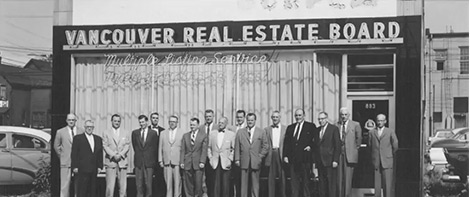
On October 22, 1929, the nation's first comprehensive real estate board was established, creating professional standards and ethical guidelines for property tra...
Read More →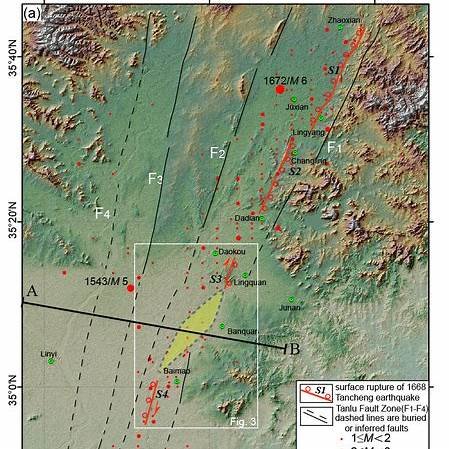
On the evening of 25 July 1668, a massive earthquake struck near Tancheng in present day Shandong province. Historical earthquake catalogues place the event nea...
Read More →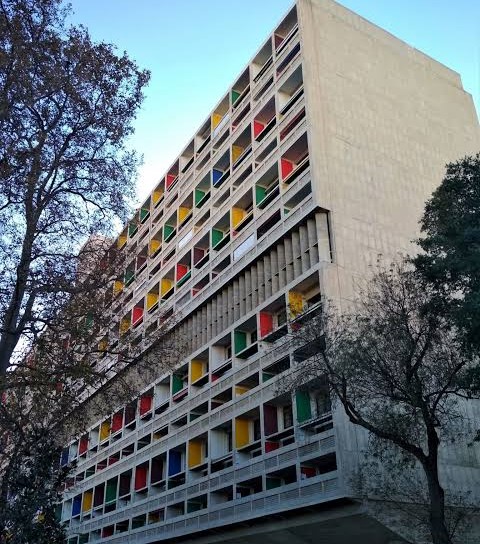
La Maison Radieuse, a major collective housing project designed by renowned architect Le Corbusier, was inaugurated in Rezé near Nantes, France. The building be...
Read More →
On November 25, 1982, the Government of Punjab finalized its first pre master planning guidelines to manage accelerating urban growth in Lahore, Rawalpindi, Fai...
Read More →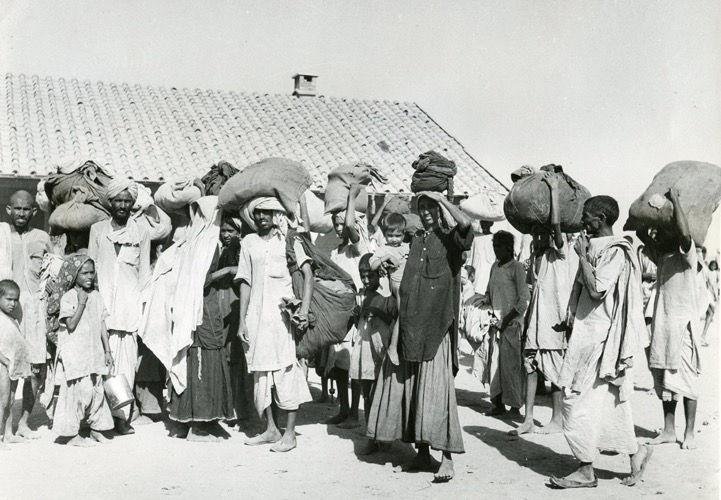
Pakistan emerged as an independent state. But viewed through the lens of real estate and urban history, the day also marked the beginning of one of the most ext...
Read More →
The acquisition of land for the Model Town Society was one of the most remarkable and spirited chapters in its early history. Dewan Khem Chand and his...

Between 1921 and 1924, the land for Model Town Lahore was acquired in successive phases. The process began in 1921, shortly after the establishment of...
No comments yet. Be the first to comment!