
Syed Shayan Real Estate Archive
Syed Shayan Real Estate Archive
From Real Estate History
On This Date
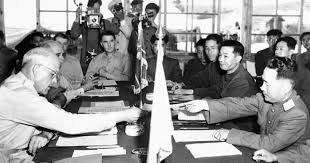
On July 27, 1953, the Korean Armistice Agreement was signed to halt three years of devastating warfare between North and South Korea. The historic agreement was concluded at Panmunjom, a border village in Korea, bringing major military operations on the Korean Peninsula to an end.
The Korean War began on June 25, 1950, when North Korean forces crossed into South Korea and rapidly captured large areas. Military forces from several countries entered the conflict under the United Nations Command to support South Korea, while China provided major military assistance to North Korea. The conflict soon became an important confrontation involving rival global powers.
Negotiations for an armistice began in July 1951. However, disagreements over the return of prisoners, the location of the military boundary and the system for supervising the ceasefire delayed an agreement for two years. After 158 formal meetings, the opposing military commands finally accepted the terms.
Under the agreement, forces on both sides were required to withdraw from the battle line. A demilitarised zone about four kilometres wide was established between North and South Korea. The agreement also created arrangements for the exchange of prisoners and organisations responsible for supervising compliance with the ceasefire.
South Korean President Syngman Rhee opposed the armistice, and South Korea did not sign the document. The agreement was also a military ceasefire rather than a permanent peace treaty. As a result, the Korean War has never formally ended through a final political settlement.
The armistice stopped large scale fighting after millions of soldiers and civilians had been killed, wounded or displaced. However, it did not reunite Korea or remove the political tensions that had caused the conflict.
The demilitarised zone remains one of the most heavily guarded borders in the world. Periodic military tensions and disputes continue to demonstrate the limits of the 1953 agreement. The events of July 27 remain an important example of diplomacy successfully stopping a destructive war without resolving the deeper political conflict behind it.
▪️Syed Shayan Real Estate Archive
▪ Reference(s):
On This Date
27 جولائی 1953 کو شمالی اور جنوبی کوریا کے درمیان تین سال سے جاری خونریز جنگ روکنے کے لیے کوریائی جنگ بندی معاہدے پر دستخط کیے گئے۔ یہ تاریخی معاہدہ کوریا کے سرحدی گاؤں پان من جوم میں طے پایا، جس کے بعد جزیرہ نما کوریا میں بڑی فوجی کارروائیاں بند ہو گئیں۔
کوریائی جنگ 25 جون 1950 کو اس وقت شروع ہوئی تھی جب شمالی کوریا کی فوج نے جنوبی کوریا میں داخل ہو کر بڑے علاقوں پر قبضہ کر لیا۔ جنوبی کوریا کی حمایت میں اقوام متحدہ کے تحت مختلف ممالک کی افواج میدان میں آئیں، جبکہ چین نے شمالی کوریا کی فوجی مدد کی۔ اس جنگ نے جلد ہی عالمی طاقتوں کے درمیان ایک بڑے ٹکراؤ کی شکل اختیار کر لی۔
جنگ بندی کے لیے مذاکرات جولائی 1951 میں شروع ہوئے، مگر قیدیوں کی واپسی، سرحد کے تعین اور نگرانی کے طریقہ کار پر اختلافات کے باعث یہ عمل دو سال تک جاری رہا۔ طویل مذاکرات اور 158 باقاعدہ اجلاسوں کے بعد بالآخر معاہدے پر اتفاق ہوا۔
معاہدے کے تحت دونوں جانب کی فوجوں کو محاذ جنگ سے پیچھے ہٹانے اور تقریباً چار کلومیٹر چوڑا غیر فوجی علاقہ قائم کرنے کا فیصلہ کیا گیا۔ اسی علاقے کو آج کوریائی غیر فوجی پٹی کہا جاتا ہے، جو شمالی اور جنوبی کوریا کو الگ کرتی ہے۔ جنگی قیدیوں کے تبادلے اور جنگ بندی کی نگرانی کے لیے بھی باقاعدہ نظام بنایا گیا۔
جنوبی کوریا کے صدر سنگمن ری نے اس معاہدے کی مخالفت کی اور جنوبی کوریا نے اس پر دستخط نہیں کیے۔ یہ بھی ایک مستقل امن معاہدہ نہیں تھا، اس لیے قانونی اور سیاسی طور پر کوریائی جنگ کا مکمل خاتمہ آج تک نہیں ہو سکا۔
اس معاہدے نے لاکھوں جانوں کے ضیاع اور بڑے پیمانے پر تباہی کے بعد لڑائی تو روک دی، مگر کوریا کی تقسیم برقرار رہی۔ آج بھی غیر فوجی سرحد دنیا کے سخت ترین نگرانی والے علاقوں میں شمار ہوتی ہے۔ 27 جولائی کا معاہدہ جنگ روکنے میں سفارت کاری کی کامیابی اور مستقل سیاسی حل نہ ہونے کی ایک نمایاں مثال ہے۔معاہدہ 27 جولائی 1953 کو پان من جوم میں طے پایا، مذاکرات دو سال اور 158 اجلاسوں تک جاری رہے، جبکہ جنوبی کوریا نے اس پر دستخط نہیں کیے تھے۔
On This Date
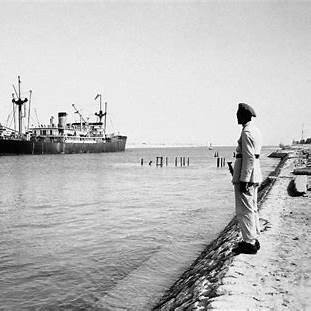
Egyptian President Gamal Abdel Nasser announced that the Suez Canal Company would be nationalised and placed under Egyptian control. The declaration, made during a major public speech in Alexandria, changed the political balance of the Middle East and directly challenged the influence of Britain and France in Egypt.
The Suez Canal, opened in 1869, connects the Mediterranean Sea with the Red Sea and provides a shorter maritime route between Europe and Asia. Although the canal passed through Egyptian territory, the company operating it was dominated by British and French interests. For European powers, it was a vital route for international trade, oil supplies and communication with Asian territories.
Nasser’s decision followed the withdrawal of Western financial support for Egypt’s planned Aswan High Dam. The Egyptian government argued that revenue collected from ships using the canal could finance the dam and support national economic development. For many Egyptians and people across the Arab world, nationalisation became a symbol of sovereignty, economic independence and resistance to colonial control.
Britain and France strongly opposed the decision. In October 1956, Israel invaded Egypt’s Sinai Peninsula, followed by military action from Britain and France. International pressure, particularly through the United Nations and from the United States and Soviet Union, forced the attacking countries to withdraw. Egypt retained control of the canal.
The crisis strengthened Nasser’s position across the Arab world but seriously damaged the international influence of Britain and France. It also demonstrated that the era of European colonial empires was rapidly coming to an end and that a new global balance of power was emerging.
The nationalisation of the Suez Canal remains one of the most important events of the twentieth century. It connected control of strategic infrastructure with national dignity, economic authority and political independence. Its legacy continues to influence international debates over waterways, trade routes and state control of important national assets.
▪️Syed Shayan Real Estate Archive
▪ Reference(s):
On This Date
مصر کے صدر جمال عبدالناصر نے اعلان کیا کہ نہر سویز چلانے والی کمپنی کو قومی ملکیت میں لے کر اس کا انتظام مصر کے حوالے کیا جا رہا ہے۔ سکندریہ میں ایک بڑے عوامی جلسے کے دوران کیے گئے اس اعلان نے مشرق وسطیٰ کی سیاست بدل دی اور برطانیہ اور فرانس کے اثر و رسوخ کو بڑا چیلنج پیش کیا۔
نہر سویز 1869 میں کھولی گئی تھی۔ یہ بحیرہ روم کو بحیرہ احمر سے ملاتی ہے اور یورپ سے ایشیا جانے والے بحری جہازوں کا سفر مختصر کرتی ہے۔ نہر مصر کی سرزمین سے گزرتی تھی، مگر اسے چلانے والی کمپنی پر برطانوی اور فرانسیسی مفادات کا غلبہ تھا۔ یورپی ملکوں کے لیے یہ تجارت، تیل کی ترسیل اور ایشیا سے رابطے کا اہم راستہ تھی۔
جمال عبدالناصر کا فیصلہ اس وقت سامنے آیا جب امریکا اور برطانیہ نے مصر کے اسوان ہائی ڈیم کے لیے مالی مدد واپس لے لی۔ مصری حکومت کا کہنا تھا کہ نہر سے حاصل ہونے والی آمدن کو ڈیم کی تعمیر اور ملک کی معاشی ترقی پر خرچ کیا جائے گا۔ مصر اور عرب دنیا میں اس اقدام کو خود مختاری، معاشی آزادی اور نوآبادیاتی طاقتوں کے خلاف مزاحمت کی علامت سمجھا گیا۔
برطانیہ اور فرانس نے مصر کے فیصلے کی سخت مخالفت کی۔ اکتوبر 1956 میں اسرائیل نے مصر کے جزیرہ نما سینا پر حملہ کیا، جس کے بعد برطانیہ اور فرانس بھی فوجی کارروائی میں شامل ہو گئے۔ اقوام متحدہ، امریکا اور سوویت یونین کے دباؤ کے باعث حملہ آور ملکوں کو واپس جانا پڑا اور نہر مصر کے کنٹرول میں رہی۔
اس بحران کے بعد عرب دنیا میں جمال عبدالناصر کی مقبولیت میں اضافہ ہوا، جبکہ برطانیہ اور فرانس کی عالمی حیثیت متاثر ہوئی۔ اس واقعے نے واضح کر دیا کہ یورپی نوآبادیاتی دور ختم ہو رہا تھا اور دنیا میں طاقت کا نیا نظام وجود میں آ رہا تھا۔ آج بھی نہر سویز کو قومی ملکیت میں لینے کا فیصلہ قومی وقار، معاشی اختیار اور اہم قومی تنصیبات پر ریاستی کنٹرول کی نمایاں مثال سمجھا جاتا ہے۔

On 24 December 1968, the Apollo 8 spacecraft was orbiting the Moon. As it emerged from behind the Moon’s far side, an extraordinary sight appeared before the as...
Read More →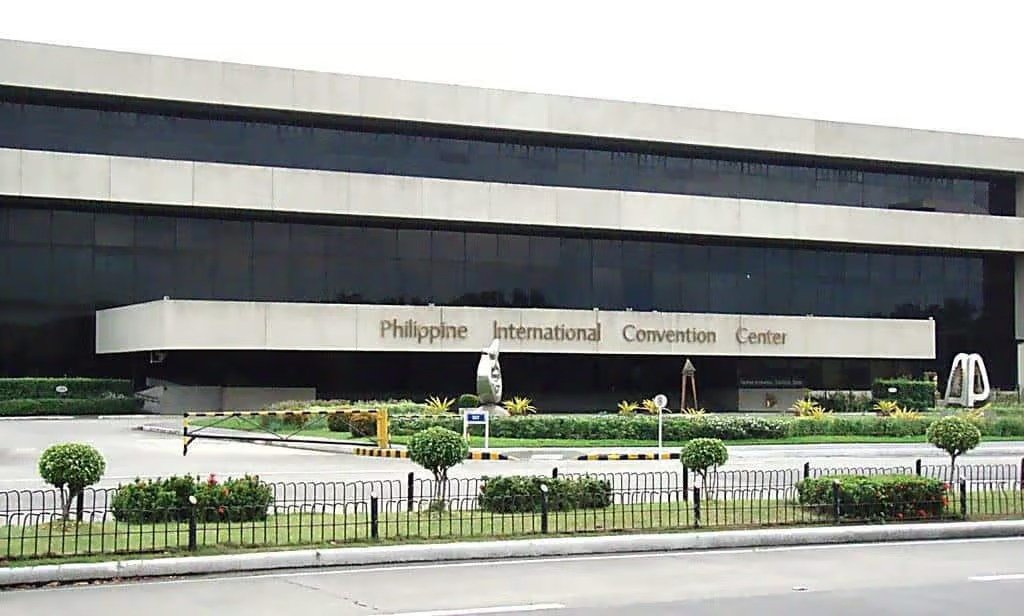
On September 5, 1976, the Philippine International Convention Center (PICC) officially opened in Manila, Philippines. Located along Manila Bay, it became Asia’s...
Read More →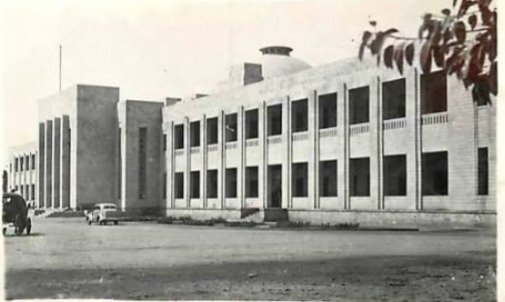
Days before the creation of Pakistan, the country’s Constituent Assembly held its inaugural session at the Sindh Assembly Building in Karachi on August 10, 1947...
Read More →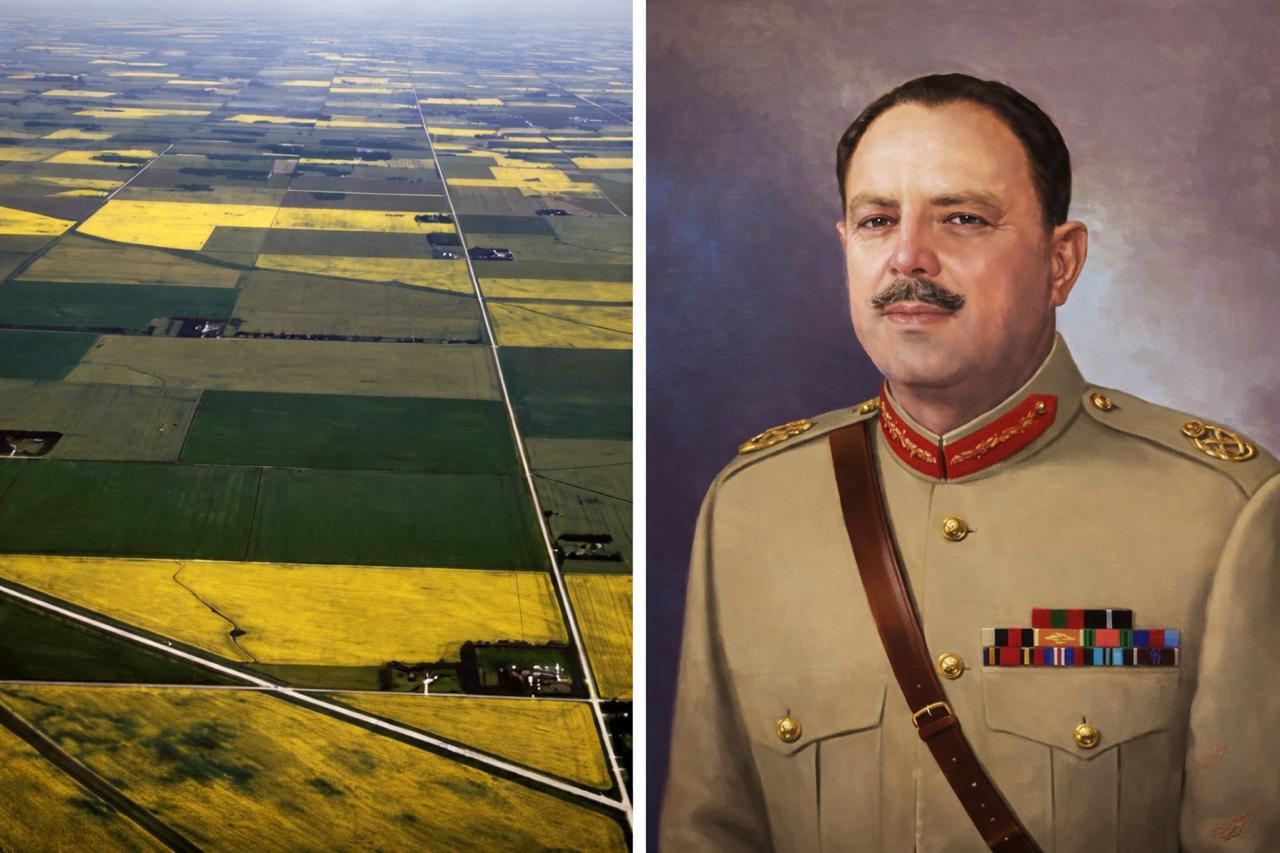
In the agrarian history of Pakistan, 8 January 1959 stands as a moment of enduring significance. On this date, the military government of Muhammad Ayub Khan a...
Read More →
In 1994, the Azad Jammu and Kashmir government initiated the Muzaffarabad Urban Housing Expansion Program the region’s first comprehensive plan to manage popula...
Read More →
The acquisition of land for the Model Town Society was one of the most remarkable and spirited chapters in its early history. Dewan Khem Chand and his...

Between 1921 and 1924, the land for Model Town Lahore was acquired in successive phases. The process began in 1921, shortly after the establishment of...
No comments yet. Be the first to comment!