
Syed Shayan Real Estate Archive
Syed Shayan Real Estate Archive
From Real Estate History
On This Date
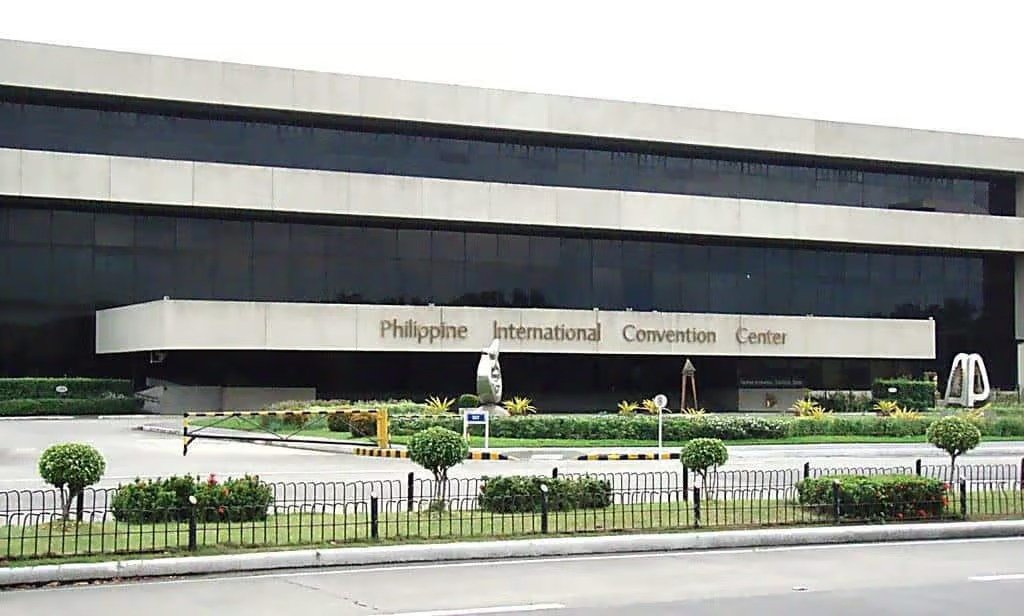
On September 5, 1976, the Philippine International Convention Center (PICC) officially opened in Manila, Philippines. Located along Manila Bay, it became Asia’s first international convention center and represented far more than a new building. It was part of the Philippines’ effort to establish Manila as an important destination for major international gatherings, diplomatic meetings and global business events.
The center was designed by renowned Filipino architect Leandro V. Locsin, who was later named a National Artist for Architecture. Construction began in 1974 and the complex was completed in roughly 23 months. Its modernist design consists of five interconnected modules: the Delegation Building, Secretariat Building, Plenary Hall, Reception Hall and The Forum.
The building quickly established itself as an international venue. In October 1976, only weeks after its opening, the Philippines hosted the Annual Meeting of the Boards of Governors of the World Bank and the International Monetary Fund at the center. Over the following decades, the PICC hosted numerous major events, including the World Law Conference, World Medical Assembly, Asian Development Bank meetings, World Chess Olympiad, Miss Universe, APEC meetings and ASEAN summits.
From a real-estate perspective, the PICC offers an interesting lesson in how a landmark development can influence an entire urban district. A major convention center does not simply occupy valuable land; it can generate demand for nearby hotels, restaurants, retail businesses, transportation and office space while strengthening a city’s international profile.
Today, the PICC remains an architectural and cultural landmark. In 2022, the complex and four of its intrinsic artworks were officially declared National Cultural Treasures of the Philippines. A property that opened on September 5, 1976, therefore evolved into something much more valuable than a conventional commercial asset: a lasting part of Manila’s architectural, cultural and international identity.
▪️Syed Shayan Real Estate Archive
▪ Reference(s):
On This Date
5 ستمبر 1976 کو فلپائن کے دارالحکومت منیلا کے خلیجِ منیلا کے کنارے فلپائن انٹرنیشنل کنونشن سینٹر کا باقاعدہ افتتاح ہوا۔ اسے ایشیا کا پہلا بین الاقوامی کنونشن سینٹر قرار دیا جاتا ہے۔ اس عمارت کا قیام محض ایک تعمیراتی منصوبہ نہیں تھا بلکہ فلپائن کی جانب سے خود کو بڑے بین الاقوامی اجتماعات، سفارتی سرگرمیوں اور عالمی کاروباری ملاقاتوں کے لیے ایک اہم مرکز کے طور پر پیش کرنے کی کوشش بھی تھا۔
اس منفرد عمارت کا نقشہ فلپائن کے معروف معمار لیاندرو وی۔ لوکسِن نے تیار کیا تھا، جو بعد میں فلپائن کے قومی فنکار برائے تعمیرات قرار پائے۔ مرکز کی تعمیر 1974 میں شروع ہوئی اور تقریباً 23 ماہ میں مکمل ہوئی۔ یہ عمارت جدید تعمیراتی انداز کی نمایاں مثال ہے اور اس کے وسیع احاطے میں وفود کے لیے عمارت، سیکریٹریٹ، مرکزی اجلاس گاہ، استقبالیہ ہال اور فورم سمیت پانچ بڑے حصے شامل ہیں۔
افتتاح کے چند ہی ہفتوں بعد اس عمارت نے اپنی عالمی اہمیت ثابت کر دی۔ اکتوبر 1976 میں فلپائن نے عالمی بینک اور عالمی مالیاتی فنڈ کے سالانہ اجلاس کی میزبانی کی۔ اس کے بعد یہ مرکز عالمی قانونی کانفرنسوں، طبی اجتماعات، ایشیائی ترقیاتی بینک کے اجلاسوں، عالمی شطرنج اولمپیاڈ، عالمی حسن مقابلے، ایشیا بحرالکاہل اقتصادی تعاون اور آسیان سربراہی اجلاسوں سمیت متعدد اہم عالمی تقریبات کا میزبان بنتا رہا۔
رئیل اسٹیٹ کے نقطۂ نظر سے اس عمارت کی کہانی خاصی اہم ہے۔ ایک بڑی اور علامتی عمارت نے صرف اپنی جگہ کی قدر نہیں بڑھائی بلکہ منیلا کی عالمی شناخت، سیاحت، ہوٹلوں، ریستورانوں، نقل و حمل اور تجارتی سرگرمیوں کے لیے بھی ایک نیا مرکز پیدا کیا۔
آج یہ عمارت تقریباً نصف صدی کی تاریخ اپنے اندر سمیٹے ہوئے ہے اور 2022 میں اسے اور اس کے چار فن پاروں کو قومی ثقافتی خزانہ قرار دیا گیا۔ یوں 5 ستمبر 1976 کو کھلنے والی ایک عمارت محض جائیداد نہیں رہی بلکہ فلپائن کے شہری اور ثقافتی ورثے کا حصہ بن گئی۔
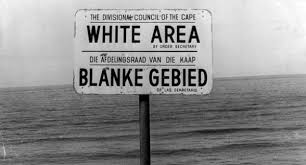
On 19 June 1913, South Africa’s Natives Land Act became law, marking one of the most consequential moments in the country’s land and property history. The legis...
Read More →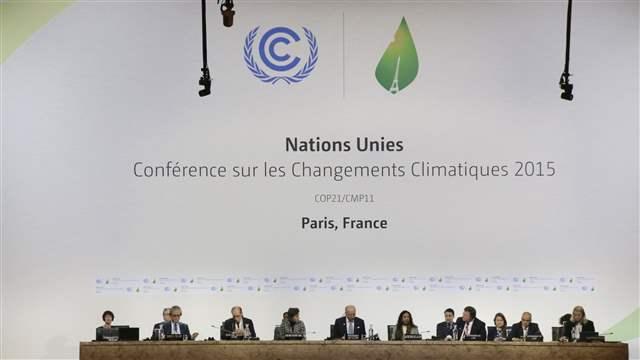
On November 2, 2015, world leaders and climate experts gathered in Paris to finalize the framework for the COP21 Climate Agreement, a landmark initiative aimed ...
Read More →
On November 6, 1995, the Government of Sindh embarked on one of the most ambitious urban land reform programs in Pakistan’s history the Karachi Katchi Abadi Reg...
Read More →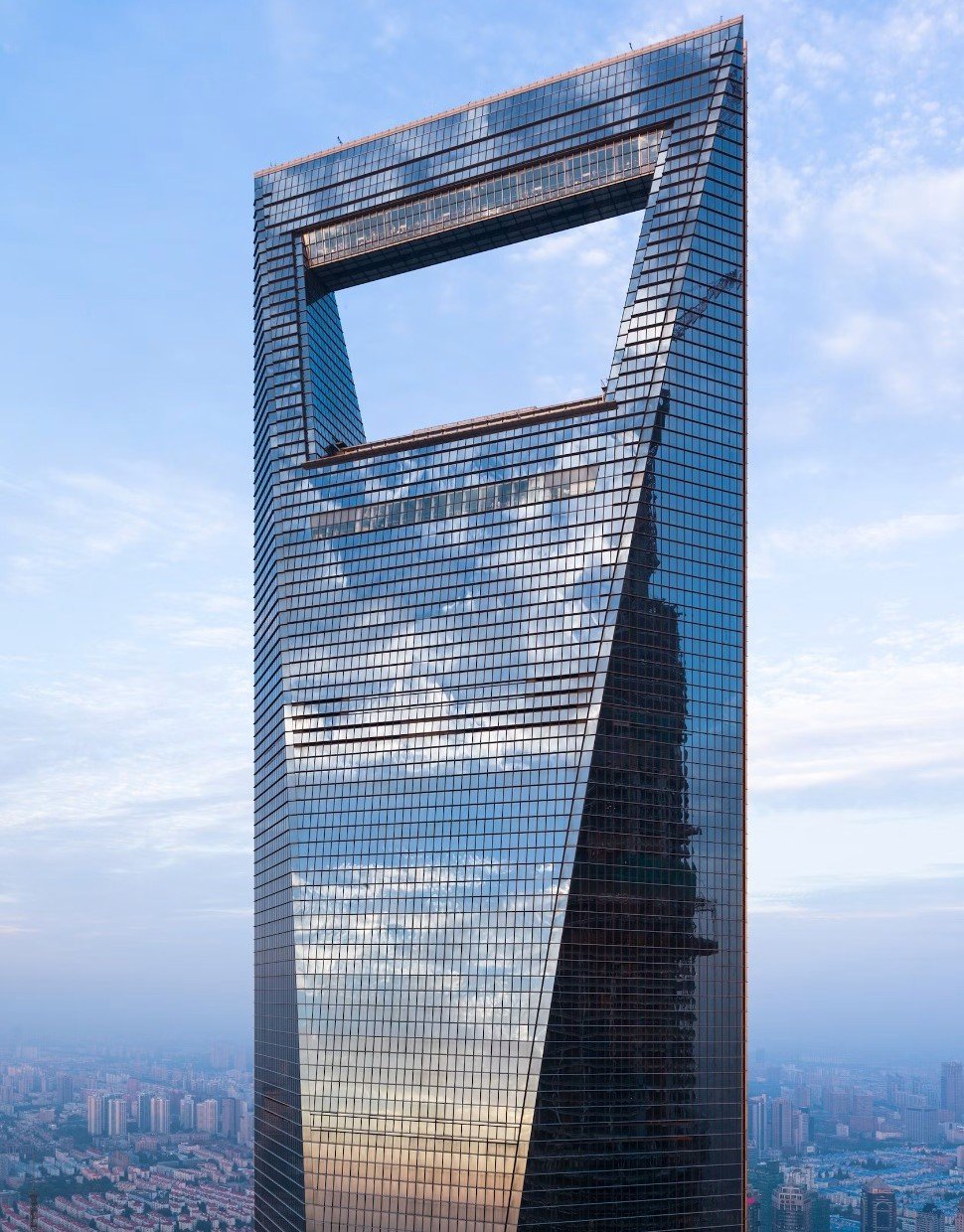
The 492 metre tower became a defining symbol of Pudong’s transformation into an international business and commercial property district Construction of the S...
Read More →
The Fifteenth Census Act was approved in the United States. The law authorized the 1930 census and helped strengthen the collection of population, agriculture, ...
Read More →
The acquisition of land for the Model Town Society was one of the most remarkable and spirited chapters in its early history. Dewan Khem Chand and his...

Between 1921 and 1924, the land for Model Town Lahore was acquired in successive phases. The process began in 1921, shortly after the establishment of...
No comments yet. Be the first to comment!