
Syed Shayan Real Estate Archive
Syed Shayan Real Estate Archive
From Real Estate History
On This Date

On November 6, 1853, the French Emperor Napoleon III appointed Baron Georges Eugène Haussmann as Prefect of the Seine, launching one of the most transformative urban redevelopment projects in modern history. The 'Haussmannization of Paris' would redefine not only the physical layout of the French capital but also the global principles of real estate, urban design, and civic modernization. At the time, Paris was a maze of narrow, overcrowded medieval streets plagued by poor sanitation, epidemics, and uncontrolled construction. Haussmann’s vision, supported by state funds and private investment, introduced wide boulevards, uniform building facades, modern sewage systems, and vast public squares that reshaped the entire cityscape. His urban reforms prioritized light, air, and mobility introducing zoning regulations, property expropriation laws, and new standards for architectural uniformity that dramatically increased land value across central Paris. The transformation displaced thousands of residents but simultaneously created unprecedented real estate opportunities for investors, developers, and the emerging bourgeoisie. Haussmann’s integrated planning approach became a global model, influencing urban renewal in London, Vienna, New York, and later colonial cities in South Asia. Although criticized for social displacement and elitism, his 1853 project established the foundation of modern urban governance, connecting architecture, public health, and economics into one cohesive framework. Today, Haussmann’s Paris remains a symbol of structured modernization a city rebuilt through vision, controversy, and the enduring power of real estate policy to shape society.
▪ Reference(s):
On This Date
6 نومبر 1853 کو فرانس کے بادشاہ نپولین سوم نے جارج یوجین ہاؤسمان کو پیرس کا پریفیکٹ مقرر کیا، جس کے ساتھ ہی جدید تاریخ کے سب سے بڑے شہری ترقیاتی منصوبے کا آغاز ہوا۔ “ہاؤسمانائزیشن آف پیرس” نے نہ صرف فرانس کے دارالحکومت کے خدوخال بدل دیے بلکہ دنیا بھر میں شہری منصوبہ بندی، رئیل اسٹیٹ، اور شہری انتظام کے اصولوں کو بھی ازسرِنو متعارف کرایا۔ اُس وقت پیرس تنگ گلیوں، گندگی، وباؤں اور غیر منظم تعمیرات کا شکار تھا۔ ہاؤسمان نے ریاستی سرمایہ کاری اور نجی سرمایہ کاروں کی شراکت سے شہر کو کشادہ بلیوارڈز، یکساں عمارات، جدید نکاسی نظام، اور وسیع عوامی چوکوں سے آراستہ کیا۔ ان اصلاحات نے روشنی، ہوا، اور نقل و حرکت کو ترجیح دی، جبکہ نئی زوننگ پالیسیز، جائیداد ضبطی کے قوانین، اور تعمیراتی ہم آہنگی کے اصول متعارف کرائے جنہوں نے مرکزی پیرس میں زمینوں کی قیمتوں میں غیر معمولی اضافہ کیا۔ اگرچہ اس عمل کے نتیجے میں ہزاروں غریب مکین بے گھر ہوئے، لیکن اسی کے ذریعے سرمایہ کاروں، تعمیراتی کمپنیوں اور متوسط طبقے کے لیے بے مثال مواقع پیدا ہوئے۔ ہاؤسمان کا مربوط منصوبہ بندی کا ماڈل جلد ہی لندن، ویانا، نیویارک اور جنوبی ایشیا کے نوآبادیاتی شہروں میں بھی اپنایا گیا۔ اگرچہ اس پر طبقاتی امتیاز اور سماجی بے دخلی کے الزامات لگے، تاہم 1853 کا یہ منصوبہ جدید شہری حکمرانی کی بنیاد بنا جس نے فنِ تعمیر، صحتِ عامہ، اور معیشت کو ایک متحد نظام میں جوڑا۔ آج کا پیرس اسی منصوبے کی بدولت دنیا کے منظم ترین اور خوبصورت شہروں میں شمار ہوتا ہے ایک ایسا شہر جو وژن، تنازع اور رئیل اسٹیٹ پالیسی کی طاقت سے تشکیل پایا۔
On This Date

On November 6, 1995, the Government of Sindh embarked on one of the most ambitious urban land reform programs in Pakistan’s history the Karachi Katchi Abadi Regularization and Land Titling Initiative. The campaign was designed to bring hundreds of informal settlements, locally known as katchi abadis, into the legal urban framework. These settlements, which had expanded rapidly during Karachi’s population boom of the 1980s and early 1990s, housed millions of low income residents who lacked property rights, basic infrastructure, and civic services.
Under the new policy, the provincial government, working with the Sindh Katchi Abadi Authority (SKAA), began surveying unplanned areas, mapping land parcels, and issuing ownership documents to long term residents. The program’s objective was twofold: to legitimize existing housing through the distribution of title deeds and to upgrade essential services such as sanitation, drainage, paved streets, electricity, and clean drinking water.
Regularization aimed not only to improve living conditions but also to enhance social inclusion by giving residents a sense of ownership and civic responsibility. Legal recognition enabled property holders to access loans, invest in home improvements, and participate in community based development programs. The Sindh government also collaborated with non governmental organizations and international development partners to ensure technical support, transparency, and community participation.
Despite logistical challenges, including overlapping land claims, corruption, and lack of accurate records, the initiative was widely viewed as a milestone in inclusive urban policy. It bridged the gap between informal settlements and the formal housing market, providing a replicable model later adapted in other Pakistani cities such as Lahore and Hyderabad.
Nearly three decades later, the 1995 regularization campaign remains a key reference point in Pakistan’s housing reform history. It demonstrated how proactive government intervention could balance legality, affordability, and social justice, setting the foundation for sustainable urban governance and equitable development in rapidly expanding metropolitan regions.
▪ Reference(s):
On This Date
6 نومبر 1995 کو حکومتِ سندھ نے کراچی میں ایک تاریخی اور بڑے پیمانے پر زمین کی باقاعدہ ملکیت اور کچی آبادیوں کی قانونی حیثیت دینے کا پروگرام شروع کیا۔ اس منصوبے کا مقصد شہر میں موجود ہزاروں غیر رسمی رہائشی بستیوں کو شہری منصوبہ بندی کے باضابطہ نظام میں شامل کرنا تھا۔ یہ بستیان، جو 1980 اور 1990 کی دہائی میں کراچی کی تیز آبادیاتی توسیع کے دوران وجود میں آئیں، لاکھوں کم آمدنی والے خاندانوں کی رہائش گاہ بن چکی تھیں جن کے پاس زمین کی ملکیت کی قانونی دستاویزات موجود نہیں تھیں۔
اس پالیسی کے تحت سندھ کچی آبادی اتھارٹی (SKAA) نے تفصیلی سروے اور زمین کے پلاٹس کی نشاندہی کا آغاز کیا، تاکہ مستقل رہائشیوں کو قانونی ملکیت کے سرٹیفکیٹ جاری کیے جا سکیں۔ اس کے ساتھ ساتھ حکومت نے پانی، نکاسی آب، بجلی اور سڑکوں جیسے بنیادی ڈھانچے کی فراہمی کے منصوبے بھی شروع کیے تاکہ ان علاقوں کو شہری معیار کے مطابق لایا جا سکے۔ اس پروگرام کا ایک اہم مقصد مکینوں میں ملکیت کا احساس پیدا کرنا تھا تاکہ وہ اپنے گھروں میں سرمایہ کاری کریں، کمیونٹی سطح پر ترقیاتی منصوبوں میں حصہ لیں، اور بلدیاتی اداروں کے ساتھ شراکت داری کے ذریعے اپنے علاقوں کو بہتر بنائیں۔
اگرچہ نفاذ کے دوران کئی چیلنجز سامنے آئے — مثلاً زمین کے متنازعہ دعوے، بدعنوانی اور ریکارڈ کی عدم درستگی تاہم اس پروگرام کو پاکستان کی شہری پالیسی میں ایک سنگ میل کے طور پر تسلیم کیا گیا۔ اس نے غیر رسمی بستیوں اور منظم رہائشی منصوبوں کے درمیان موجود خلیج کو کم کیا اور ایک ایسا ماڈل پیش کیا جسے لاہور، حیدرآباد اور دیگر شہروں میں بھی اپنایا گیا۔
آج تقریباً تین دہائیاں گزرنے کے باوجود یہ مہم پاکستان کے رہائشی نظام میں ایک اہم حوالہ سمجھی جاتی ہے۔ اس نے یہ ثابت کیا کہ اگر حکومت عزم کے ساتھ کام کرے تو affordability، قانونی تحفظ اور پائیدار ترقی کے درمیان توازن قائم کرتے ہوئے ایک منصفانہ شہری ماڈل تشکیل دیا جا سکتا ہے۔
On November 12, 1892, the British Municipal Authority of Karachi approved the Frere Town Housing Project, one of the earliest organized residential developments...
Read More →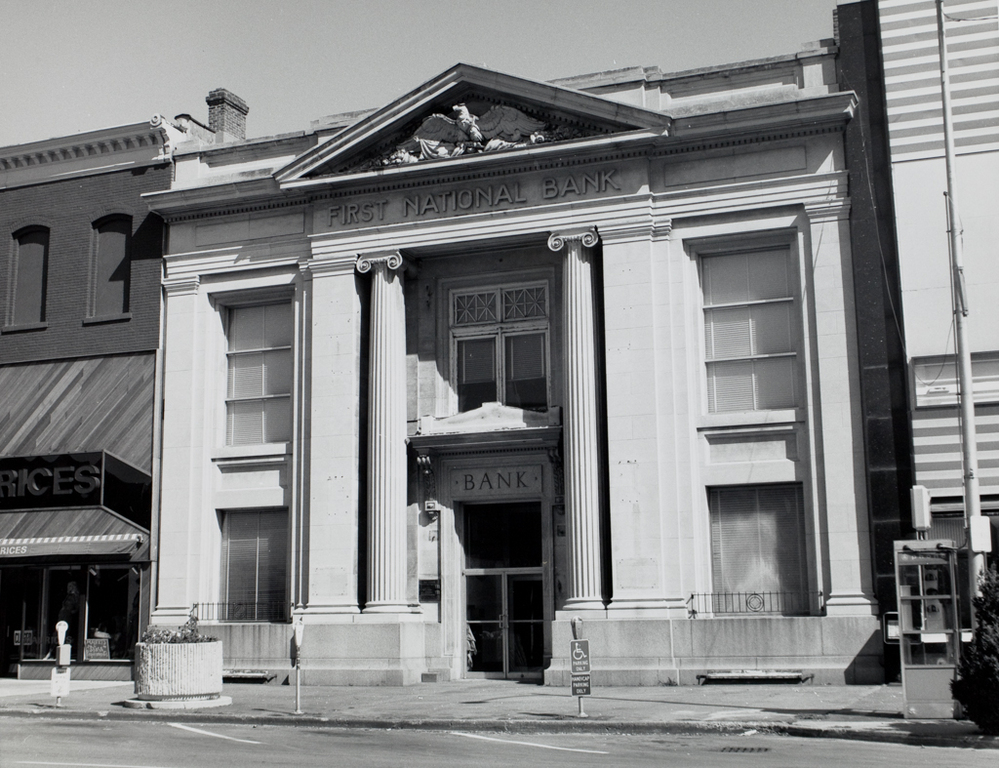
On October 20, 1901, the first comprehensive national building code standards were established, creating uniform construction regulations across the country. Th...
Read More →On October 26, 2005, the US housing bubble reached its zenith, marking the peak of unsustainable price growth that would soon trigger the global financial crisi...
Read More →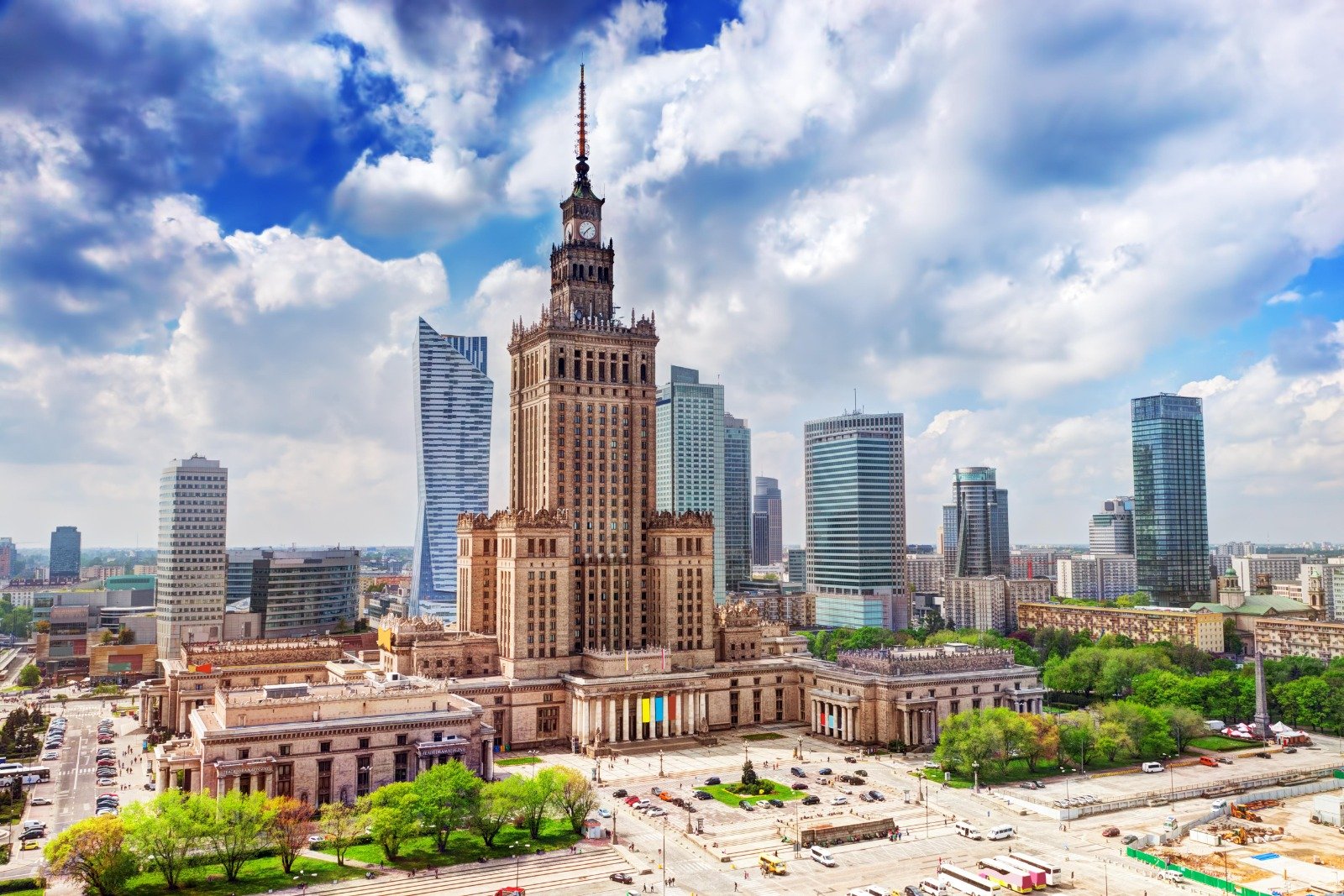
Warsaw’s Palace of Culture and Science opened its doors to the public for the first time. Construction had begun on 1 May 1952 and was completed on 21 July 1955...
Read More →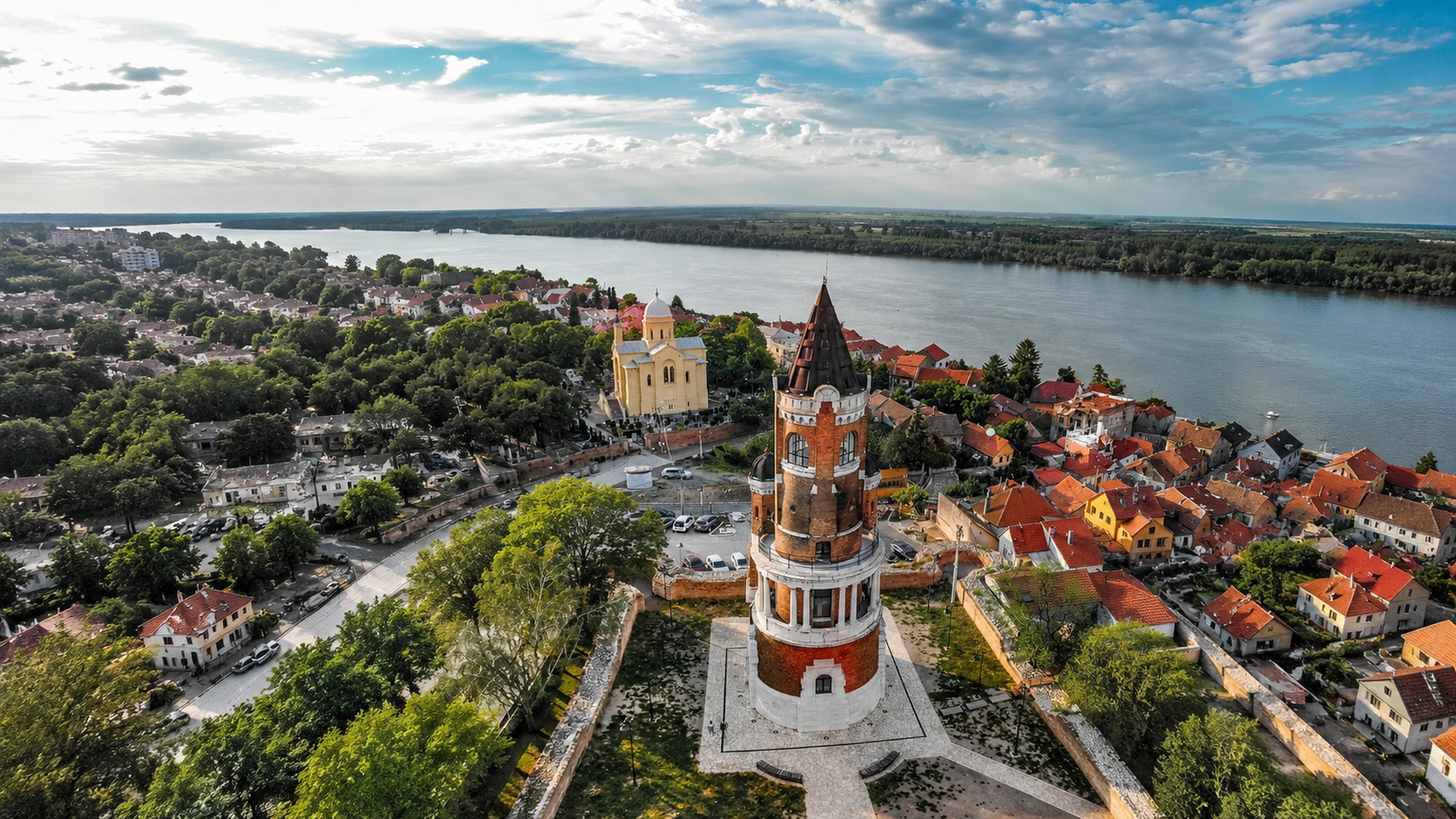
On August 20, 1896, the historic Gardoš Tower, also known as the Millennium Tower, was formally opened in Zemun, an area that is today part of Belgrade, Serbia....
Read More →
The acquisition of land for the Model Town Society was one of the most remarkable and spirited chapters in its early history. Dewan Khem Chand and his...

Between 1921 and 1924, the land for Model Town Lahore was acquired in successive phases. The process began in 1921, shortly after the establishment of...

No comments yet. Be the first to comment!