
Syed Shayan Real Estate Archive
Syed Shayan Real Estate Archive
From Real Estate History
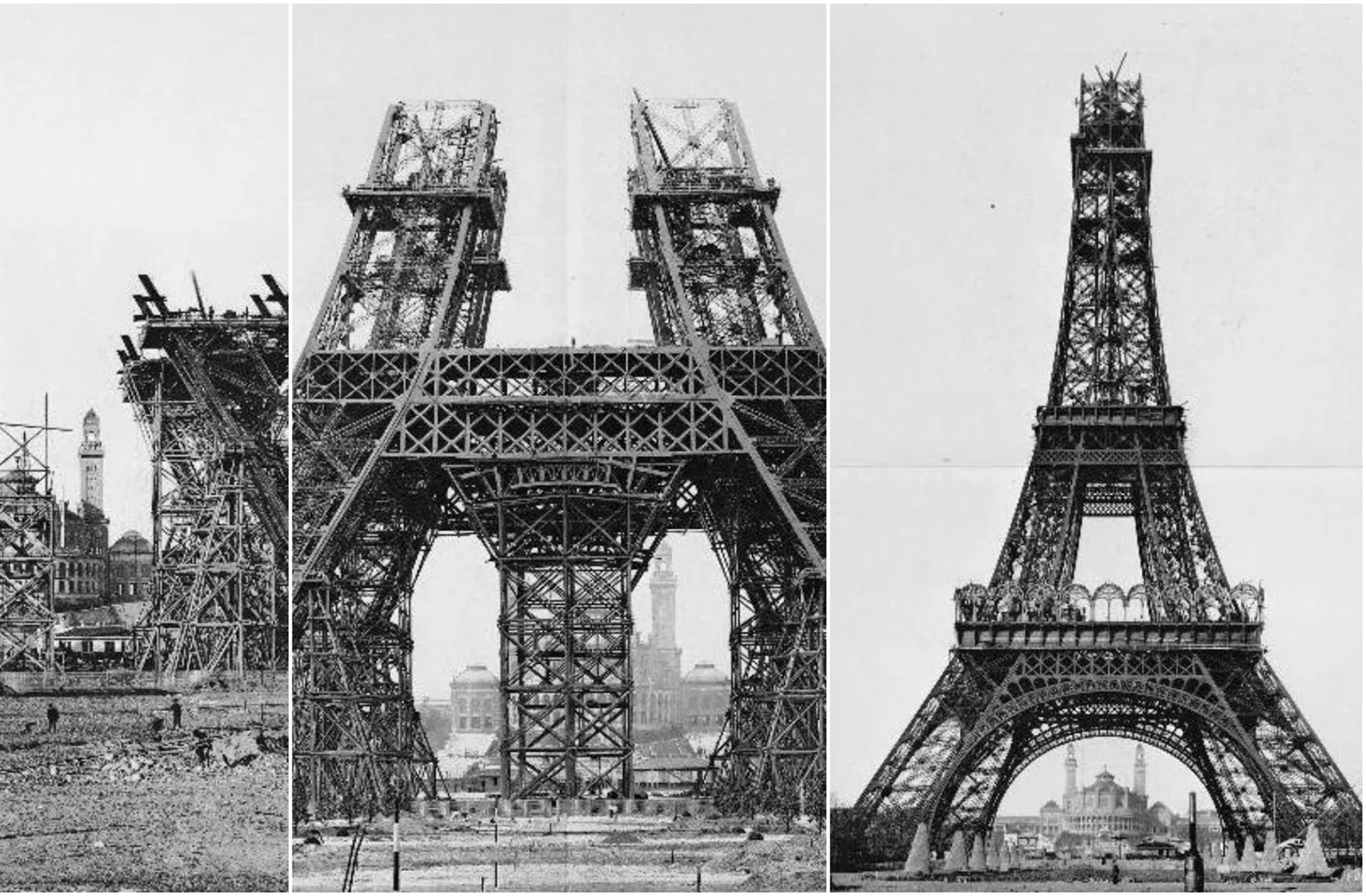
On October 25, 1889, the completion of the Eiffel Tower marked a defining moment in global engineering and architecture. Constructed for the Paris Exposition, it showcased the strength and versatility of iron as a primary construction material, revolutionizing modern building design. The 1889 completion of the Eiffel Tower forever changed global construction practices. As one of the first large-scale structures made entirely of iron, it demonstrated that industrial materials could combine strength and beauty, transforming architecture into an engineering art. The tower’s modular prefabrication, precision riveting, and record-breaking height set new benchmarks for structural innovation. It became a prototype for the skyscraper era, influencing design in New York, Chicago, and beyond. Today, the Eiffel Tower stands as a timeless reminder of how creativity, science, and vision can redefine the built environment.
▪ Reference(s):
1889 میں ایفل ٹاور کی تکمیل نے عالمی تعمیراتی طریقوں کو بدل دیا، یہ ثابت کرتے ہوئے کہ لوہا نہ صرف مضبوط بلکہ خوبصورت عمارتوں کے لیے بھی موزوں مواد ہو سکتا ہے۔ اس کامیابی نے دنیا بھر میں بلند و بالا اور پائیدار عمارتوں کے ڈیزائن کو متاثر کیا۔ تیار شدہ لوہے کے حصے، درست انجینئرنگ اور ماڈیولر تعمیراتی تکنیک نے صنعتی تعمیرات کی بنیاد رکھی۔ فن، ٹیکنالوجی اور انجینئرنگ کے امتزاج کی علامت بننے والا یہ ٹاور جدید شہری تعمیرات کا نقطۂ آغاز بن گیا۔

On October 25, 1967, Pakistan introduced the Urban Development and Housing Reform Act, which marked a turning point in national city planning. The legislation established urban development authorities and zoning regulations for major cities like Karachi, Lahore, and Islamabad. It promoted structured urban growth, affordable housing, and better municipal coordination during a period of rapid population increase. This reform encouraged planned neighborhoods, regulated land subdivision, and improved municipal infrastructure across Pakistan. The policy’s impact extended to the 1970s, shaping housing societies and industrial zones that remain vital to urban centers today. It laid the groundwork for balanced development between public housing and private sector investment, modernizing Pakistan’s approach to urban governance.
▪ Reference(s):
25 اکتوبر 1967 کو پاکستان نے شہری ترقی اور ہاؤسنگ ریفارم ایکٹ متعارف کرایا جس نے شہری منصوبہ بندی میں انقلابی تبدیلیاں کیں۔ اس قانون کے تحت ترقیاتی ادارے قائم کیے گئے، زوننگ قوانین بنائے گئے اور بڑے شہروں میں کم لاگت رہائشی منصوبوں کو فروغ دیا گیا۔ اس اصلاح نے منظم شہری توسیع، بہتر انفراسٹرکچر اور عوامی و نجی شعبے کے درمیان تعاون کو فروغ دیا۔
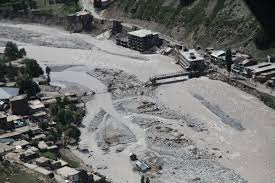
On October 25, 1992, the Government of Pakistan introduced a landmark Housing Finance Policy aimed at increasing homeownership and stimulating the real estate sector. The policy enabled commercial banks and the House Building Finance Corporation to expand affordable mortgage options for middle-class families. This measure led to a surge in residential construction, strengthened the building materials market, and attracted private real estate investment nationwide. The 1992 reforms established financial frameworks that made housing loans more accessible and reduced bureaucratic barriers for developers. This initiative became a cornerstone for future housing finance reforms and marked the beginning of structured mortgage markets in Pakistan’s property sector.
▪ Reference(s):
25 اکتوبر 1992 کو حکومتِ پاکستان نے ہاؤسنگ فنانس پالیسی متعارف کرائی جس کا مقصد عوام کے لیے گھر کی ملکیت کو آسان بنانا اور رئیل اسٹیٹ سیکٹر کو فروغ دینا تھا۔ اس پالیسی سے بینکوں اور ہاؤس بلڈنگ فنانس کارپوریشن کو کم شرح سود پر قرضے دینے کا اختیار ملا، جس سے رہائشی تعمیرات اور نجی سرمایہ کاری میں اضافہ ہوا۔
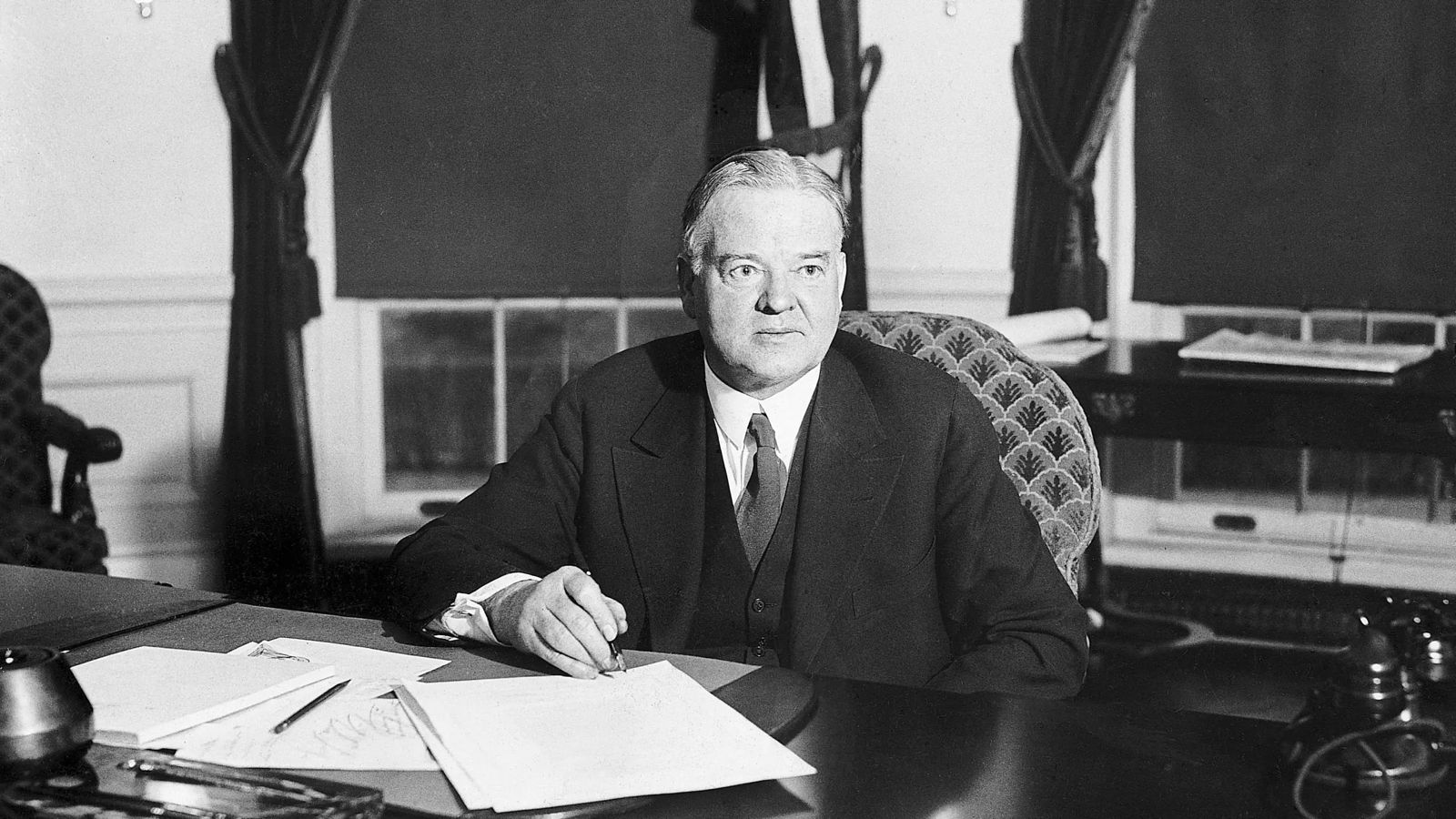
Amid the continuing economic crisis, President Herbert Hoover inaugurated the White House Conference on Home Building and Home Ownership today in Washington. The nationwide conference brought together more than three thousand specialists in construction, housing finance, urban planning and land law. The opening session emphasised that although the ...
Read More →
According to the notification published in Part One of the Government of India Gazette on 28 November 1903, the East Indian Railway authorised for the first time an extensive acquisition of state land in the stretch between Howrah and Liluah. The measure was undertaken under Section Six of the Land Acquisition Act of 1894 and its principal purpose ...
Read More →
On October 26, 2018, blockchain technology began transforming real estate transactions through pilot programs testing property tokenization and smart contracts. This innovation promised to revolutionize property ownership transfers, title management, and transaction recording by creating immutable, transparent digital ledgers. Early adopters explor...
Read More →
On October 9, 1874, representatives from twenty-two nations gathered in Bern, Switzerland, to establish the Universal Postal Union (UPU) — a pioneering global framework that standardized international mail exchange. By creating a single postal territory, the UPU laid the groundwork for today’s address systems, property documentation by post, ca...
Read More →
In 1994, the Azad Jammu and Kashmir government initiated the Muzaffarabad Urban Housing Expansion Program the region’s first comprehensive plan to manage population growth and prevent unregulated sprawl. The initiative sought to formalize land use around the Jhelum and Neelum river basins, introduce zoning laws, and develop affordable housing sec...
Read More →
The acquisition of land for the Model Town Society was one of the most remarkable and spirited chapters in its early history. Dewan Khem Chand and his...

Between 1921 and 1924, the land for Model Town Lahore was acquired in successive phases. The process began in 1921, shortly after the establishment of...
No comments yet. Be the first to comment!