
Syed Shayan Real Estate Archive
Syed Shayan Real Estate Archive
From Real Estate History

According to the notification published in Part One of the Government of India Gazette on 28 November 1903, the East Indian Railway authorised for the first time an extensive acquisition of state land in the stretch between Howrah and Liluah. The measure was undertaken under Section Six of the Land Acquisition Act of 1894 and its principal purpose was to secure land for the expansion of railway goods yards, siding lines, wagon repair sheds and associated installations. At the time the Calcutta region constituted the busiest commercial corridor in the subcontinent, with growing volumes of imports and exports placing considerable pressure on the railway system and creating a pressing need for additional routes and more resilient infrastructure.
Archival records indicate that the land designated for acquisition included privately owned agricultural fields adjoining the existing railway alignment, which were considered essential for increased traffic capacity and the enlargement of the goods yard. Low lying and marshy tracts were also identified, requiring embankments and protective bunds to safeguard railway facilities from seasonal flooding and monsoon damage. Land earmarked for the proposed wagon repair sheds at Liluah was prioritised owing to its strategic importance for industrial operations and employee services.
The Gazette notification directed the Collector of Hooghly to undertake a complete survey, demarcation, cartographic mapping and valuation of the specified plots and to transfer possession to the East Indian Railway upon completion of all statutory proceedings.
Contemporary records reveal that this decision produced an immediate enhancement in the operational capacity of the railway. Howrah Junction, already regarded as the busiest station in British India, became capable of accommodating the region’s expanding industrial demands, while the productivity of the Liluah workshops was substantially strengthened.
This measure formed part of the broader railway policy of British India, in which the government sought to adapt the railway network rapidly to commercial, administrative and strategic requirements. The notification of 1903 laid the groundwork for several major future expansions, including new track extensions, freight complexes and large scale industrial workshops. Historical studies demonstrate that this intervention played a decisive role in solidifying Howrah as the principal railway hub of the subcontinent and in shaping the Calcutta region into a central axis of industrial and commercial activity for decades to come.
The advent of railways in the subcontinent dates back to the morning of 1853 when the first passenger train ran from Bombay to Thane, marking the beginning of a system the government intended to extend across the entire region. In the early phase, land was acquired strictly on a need basis, whether on one side of the track or both, and this principle remained consistent as the network expanded through Punjab, Bengal and the United Provinces during the eighteen sixties and eighteen seventies. The Land Acquisition Act of 1894 formalised this practice by stipulating that the government should acquire only such land as was necessary for public purpose. It was in continuation of this long established policy that the Howrah Liluah notification of 28 November 1903 was issued, authorising limited yet essential acquisitions for the expansion of goods yards and siding lines.
▪ Reference(s):
گورنمنٹ آف انڈیا کے گزٹ پارٹ ون میں 28 نومبر 1903 کو شائع ہونے والے نوٹیفکیشن کے مطابق ایسٹ انڈین ریلوے نے ہاوڑہ اور لِللوا کے درمیانی خطے میں پہلی مرتبہ بڑے پیمانے پر سرکاری اراضی کے حصول کی منظوری دی۔
یہ اقدام لینڈ ایکوزیشن ایکٹ 1894 کی دفعہ چھ کے تحت لیا گیا اور اس کا بنیادی مقصد ریلوے گڈز یارڈ، سائیڈنگ لائنوں، ویگن ریپئر شیڈز اور متعلقہ تنصیبات کی ترقی کے لیے زمین فراہم کرنا تھا۔ اُس وقت پورا کلکتہ خطہ برصغیر کی تجارت کا سب سے مصروف مرکز تھا، جہاں درآمد و برآمد کی سرگرمیوں کے باعث ریلوے پر شدید دباؤ تھا اور سامان کی نقل و حرکت کے لیے مزید متبادل راستوں اور مضبوط انفراسٹرکچر کی ضرورت محسوس کی جا رہی تھی۔
سرکاری ریکارڈ کے مطابق حاصل کی جانے والی زمین میں موجودہ ریلوے لائن سے متصل نجی زرعی اراضیات شامل تھیں، جنہیں آمد و رفت کے بڑھتے ہوئے دباؤ کے پیش نظر اضافی لائنوں اور گڈز یارڈ کی توسیع کے لیے ناگزیر قرار دیا گیا۔ اس کے علاوہ وہ نشیبی اور دلدلی پٹیاں بھی نشان زد کی گئیں جن پر ابری بند اور حفاظتی پشتے بنانے کی ضرورت تھی، تاکہ مستقبل میں بارشوں یا سیلاب سے ریلوے تنصیبات کو نقصان نہ پہنچے۔ لِللوا میں مجوزہ ویگن ریپئر شیڈز کے لیے ترجیحی بنیادوں پر وہ پلاٹ بھی شامل کیے گئے جو صنعتی سرگرمیوں اور ملازمین کی سہولت کے لیے بنیادی اہمیت رکھتے تھے۔
نوٹیفکیشن میں کلکٹر ضلع ہوگلی کو یہ ذمہ داری سونپی گئی کہ وہ فوری طور پر اراضی کا سروے، حد بندی، نقشہ سازی اور تخمینہ کاری مکمل کرے اور تمام قانونی کارروائی کے بعد زمین کو ایسٹ انڈین ریلوے کے حوالے کرے۔
اُس وقت کے ریکارڈ سے معلوم ہوتا ہے کہ اس فیصلے کا براہِ راست اثر ریلوے کی آپریشنل صلاحیت میں نمایاں اضافہ تھا۔ ہاوڑہ جنکشن جو پہلے ہی پورے برصغیر میں سب سے زیادہ مصروف اسٹیشن سمجھا جاتا تھا، اس توسیع سے مستقبل کی صنعتی ضروریات پوری کرنے کے قابل ہو گیا، جبکہ لِللوا ورکشاپ کی استعداد میں بھی خاطر خواہ اضافہ ہوا۔
یہ فیصلہ برطانوی ہند کی ریلوے پالیسی کے اس دور سے تعلق رکھتا ہے جب حکومت تیزی سے ریلوے نیٹ ورک کو تجارتی، دفاعی اور انتظامی ضروریات کے مطابق ڈھال رہی تھی۔ 1903 کے اس نوٹیفکیشن نے مستقبل کے کئی بڑے منصوبوں کی بنیاد رکھی، جن میں پٹریوں کی نئی توسیعات، سامان برداری کے مراکز، اور صنعتی ورکشاپس کے بڑے ڈھانچے شامل تھے۔ تاریخی مطالعے سے ثابت ہوتا ہے کہ یہی وہ اقدام تھا جس نے ہاوڑہ کو برصغیر کے سب سے اہم ریلوے مرکز کی حیثیت مضبوط کرنے میں فیصلہ کن کردار ادا کیا اور کلکتہ خطے کو آنے والے عشروں تک صنعتی اور تجارتی سرگرمیوں کا مرکزی دھارا بنانے میں مدد فراہم کی۔
برصغیر میں ریلوے کا آغاز 1853 کی اُس صبح سے ہوا جب پہلی مسافر گاڑی بمبئی سے ٹھانے پہنچی اور حکومت نے طے کیا کہ ریل پورے ہندوستان تک پہنچائی جائے گی۔ ابتدائی دور میں پٹری بچھانے کے لیے زمین صرف ضرورت کے مطابق لی جاتی تھی، چاہے وہ ایک طرف ہو یا دونوں جانب، اور یہی اصول 1860 اور 1870 کی دہائیوں میں پنجاب، بنگال اور یوپی تک نیٹ ورک پھیلنے کے ساتھ برقرار رہا۔
1894 کے لینڈ ایکوزیشن ایکٹ نے اسی پالیسی کو قانونی شکل دی کہ حکومت کو صرف وہی زمین حاصل کرنی ہے جو عوامی مفاد کے لیے ناگزیر ہو۔ اسی سلسلے کی کڑی 28 نومبر 1903 کا ہاوڑہ۔لِللوا نوٹیفکیشن تھا، جس میں ریلوے نے گڈز یارڈ اور سائیڈنگ لائنوں کی توسیع کے لیے محدود اراضی حاصل کی گئی

Washington
A significant development unfolded today in the realm of American housing policy as President George H. W. Bush formally signed the Cranston–Gonzalez National Affordable Housing Act, thereby giving it the full force of federal law. The Act inaugurates a broad national framework of residential funding, housing assistance and urban support programmes aimed at low income households, the homeless and distressed urban areas.
Under the provisions of the Act, the HOME Investment Partnerships Program is established, through which states and local governments will receive direct federal grants. These funds are designated for the construction of affordable housing, the rehabilitation of existing units and the expansion of homeownership opportunities for lower income families.
The legislation also authorises the HOPE Programme, enabling tenants of public housing units to purchase their dwellings on preferential terms. In addition, the Act introduces dedicated schemes for emergency and long term accommodation for the homeless, supportive funding for low income renters and federal block grants intended for the renewal and development of urban communities.
The Cranston–Gonzalez Act sets out new federal standards for the repair of public housing, the administration of housing vouchers and the management of a wide range of urban development initiatives. In accordance with these new requirements, states will be obliged to align their housing programmes with the revised federal framework from the forthcoming fiscal year. The US Department of Housing and Urban Development has confirmed that disbursement of the new funds is commencing immediately.
This Act, forming a central component of the federal housing budget for 1990, officially comes into force today.
واشنگٹن
امریکہ میں آج سستی رہائش کے شعبے میں ایک اہم پیش رفت ہوئی جب صدر جارج ایچ ڈبلیو بش نے Cranston–Gonzalez National Affordable Housing Act پر رسمی دستخط کر کے اسے وفاقی قانون کا درجہ دے دیا۔ اس قانون کے تحت کم آمدنی والے خاندانوں، بے گھر افراد اور پسماندہ شہری علاقوں کے لیے وسیع رہائشی فنڈنگ اور ہاؤسنگ پروگراموں کا آغاز کیا جا رہا ہے۔
قانون کے مطابق HOME Investment Partnerships Program قائم کیا گیا ہے جس کے ذریعے ریاستوں اور مقامی حکومتوں کو براہ راست گرانٹس فراہم کی جائیں گی۔ ان فنڈز کا مقصد سستی رہائش کی تعمیر، موجودہ رہائشی یونٹس کی بحالی، اور غریب گھرانوں کے لیے ہوم اونرشپ کے نئے مواقع پیدا کرنا ہے۔
قانون میں HOPE پروگرام کی منظوری بھی شامل ہے جس کے تحت عوامی رہائشی یونٹس میں مقیم کرایہ داروں کو اپنی رہائش خریدنے کی سہولت فراہم کی جائے گی۔ اس کے علاوہ بے گھر افراد کے لیے ہنگامی اور مستقل رہائش کے پروگرام، کم آمدنی والے کرایہ داروں کے لیے معاونتی فنڈز، اور شہری علاقوں کی تجدید کے لیے وفاقی بلاک گرانٹس جاری کیے جائیں گے۔
Cranston–Gonzalez Act کے تحت پبلک ہاؤسنگ کی مرمت، رہائشی واؤچرز، اور شہری ترقی کے متعدد منصوبوں کے لیے نئے وفاقی معیار مقرر کیے گئے ہیں، جن کے مطابق ریاستوں کو آئندہ بجٹ سال سے اپنے رہائشی پروگرام اسی نئے فریم ورک کے تحت چلانا ہوں گے۔ امریکی محکمہ ہاؤسنگ اینڈ اربن ڈیولپمنٹ نے تصدیق کی ہے کہ نئے فنڈز کا اجرا فوری طور پر شروع کیا جا رہا ہے۔
یہ قانون 1990 کے وفاقی ہاؤسنگ بجٹ کے بنیادی حصے کے طور پر آج نافذ کیا گیا ہے

On October 9, 1874, representatives from twenty-two nations gathered in Bern, Switzerland, to establish the Universal Postal Union (UPU) — a pioneering global framework that standardized international mail exchange. By creating a single postal territory, the UPU laid the groundwork for today’s address systems, property documentation by post, ca...
Read More →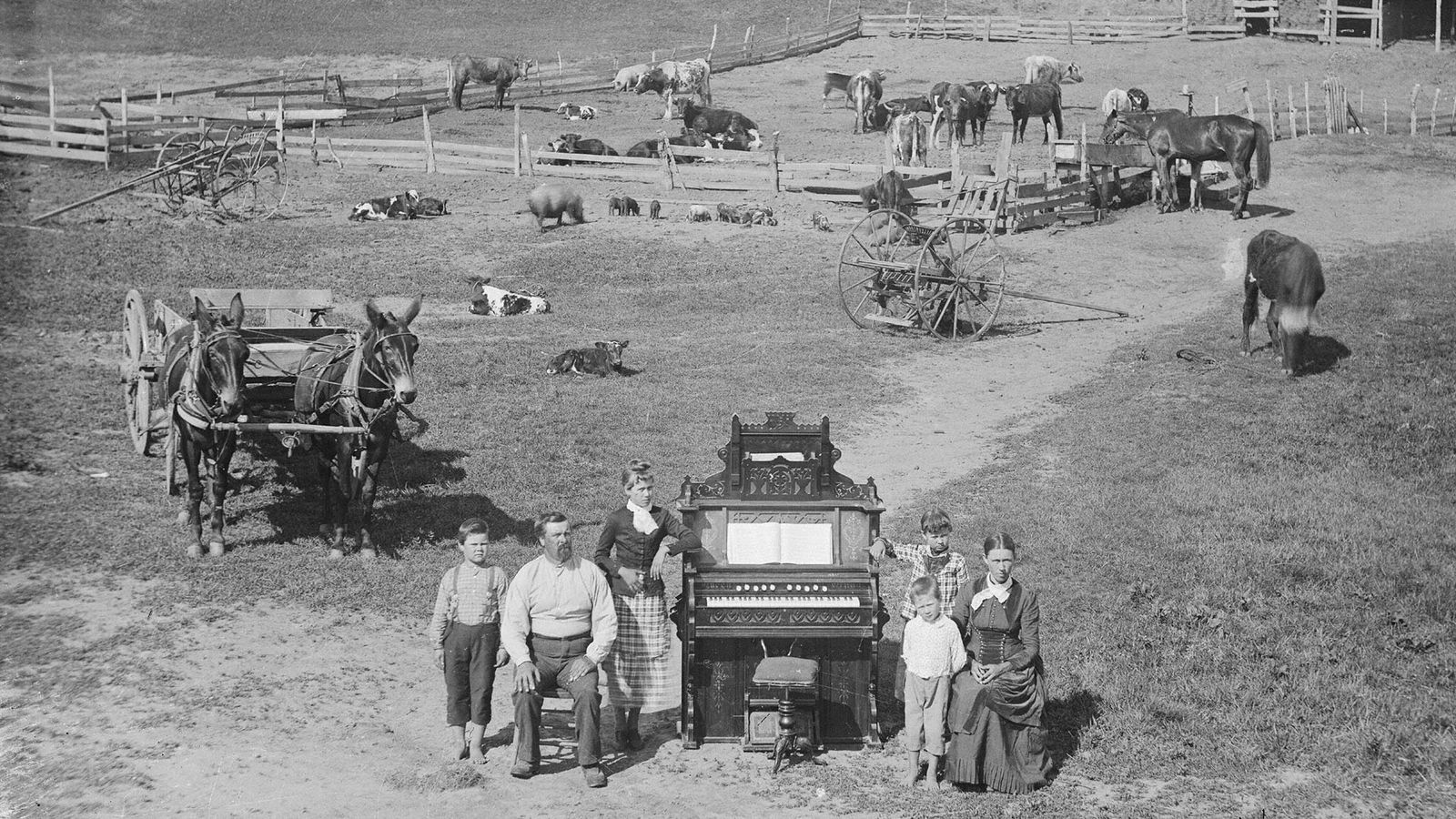
On 1 January 1863, a landmark piece of legislation came into force in the United States known as the Homestead Act. For the first time, the law granted ordinary citizens the legal right to file a claim on vacant government-owned land and, upon meeting specific conditions, ultimately acquire ownership. Under the Act, eligible individuals were per...
Read More →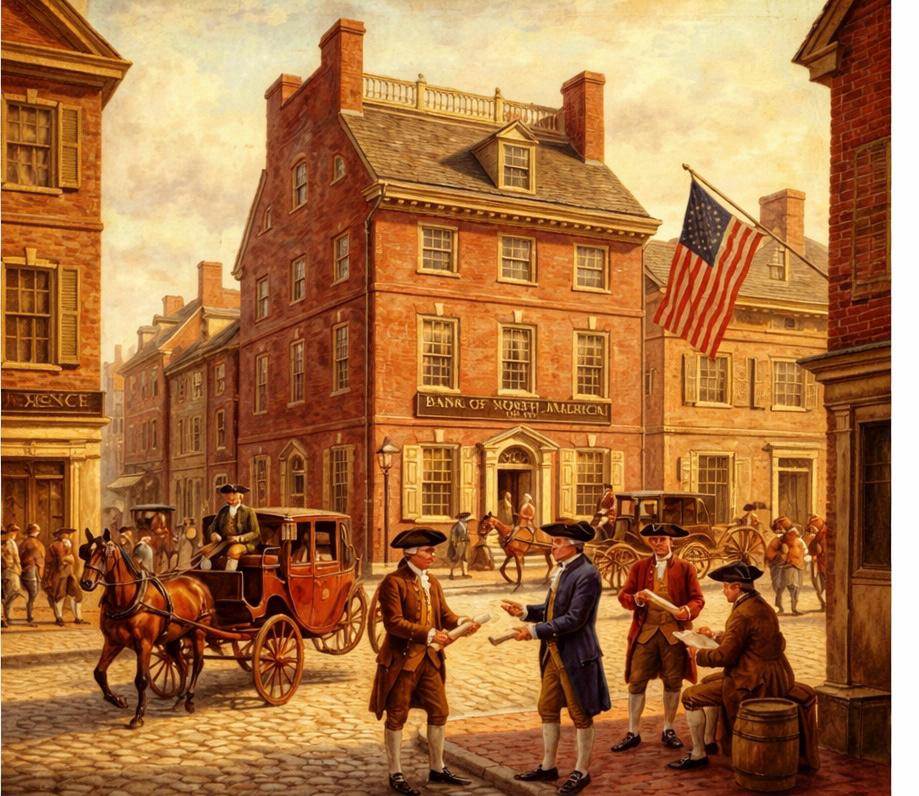
On the 12th of January 1831, a pivotal moment in the annals of global real estate transpired, heralding a transformation in the ownership of land and dwellings from the preserve of the elite to a domain accessible to the broader populace. It was on this date that the inaugural Building and Loan Association, designated as the Oxford Provident, was...
Read More →
On November 12, 1885, Paris initiated a large-scale suburban expansion project inspired by Baron Haussmann’s earlier urban reforms. The French government sought to manage rapid industrial growth and population pressure by extending planned boulevards and housing layouts beyond the city walls. The expansion included public transport integration, w...
Read More →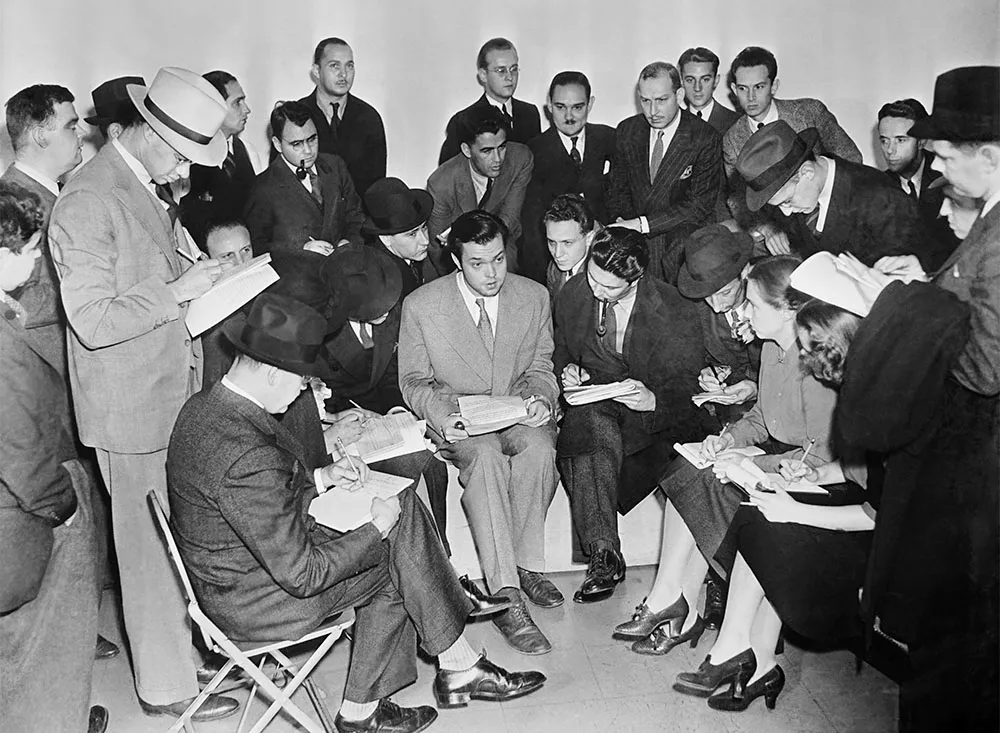
On October 30, 1938, Orson Welles' legendary radio broadcast of 'War of the Worlds' triggered unprecedented panic among millions of American listeners who genuinely believed Earth was under Martian invasion. In New Jersey areas specifically mentioned in the broadcast, property values experienced immediate temporary declines as terrified residents c...
Read More →
The acquisition of land for the Model Town Society was one of the most remarkable and spirited chapters in its early history. Dewan Khem Chand and his...

Between 1921 and 1924, the land for Model Town Lahore was acquired in successive phases. The process began in 1921, shortly after the establishment of...
No comments yet. Be the first to comment!