
Syed Shayan Real Estate Archive
Syed Shayan Real Estate Archive
From Real Estate History
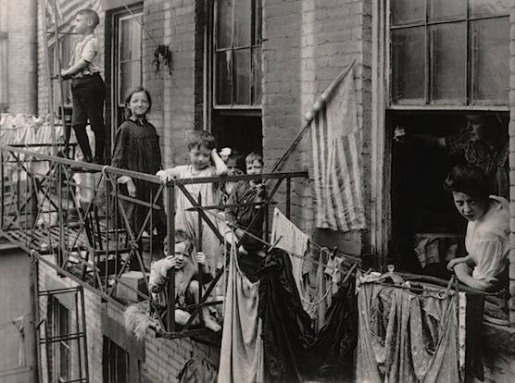
On November 14, 1884, New York State legislature passed the Tenement House Act, a landmark legislation aimed at improving the dreadful living conditions in immigrant tenements. The law mandated proper ventilation, minimum window requirements for every room, fire safety measures, and basic sanitation standards. This was the state's first comprehensive attempt to regulate tenement housing, which housed thousands of poor immigrant families in overcrowded and unsanitary conditions. The act required landlords to provide adequate light and air to all living spaces and established minimum room sizes, marking a significant step toward recognizing housing as a matter of public health and welfare.
▪ Reference(s):
14 نومبر 1884 کو، نیویارک اسٹیٹ legislچر نے ٹینیمنٹ ہاؤس ایکٹ منظور کیا، جو تارکین وطن کی رہائشی عمارتوں میں خوفناک حالات کو بہتر بنانے کے لیے ایک تاریخی قانون تھا۔ اس قانون میں ہر کمرے کے لیے مناسب ہوا کشی، کم از کم کھڑکیوں کی شرائط، آگ سے بچاؤ کے اقدامات، اور بنیادی صفائی کے معیارات لازم کیے گئے تھے۔ یہ ریاست کی ٹینیمنٹ رہائش کو منظم کرنے کی پہلی جامع کوشش تھی، جہاں ہزاروں غریب مہاجر خاندان گنجان اور غیر صحت مند حالات میں رہ رہے تھے۔ اس ایکٹ نے زمین داروں پر تمام رہائشی جگہوں پر مناسب روشنی اور ہوا فراہم کرنا لازم کر دیا اور کم از کم کمرے کے سائز مقرر کیے، جو رہائش کو عوامی صحت اور بہبود کا معاملہ تسلیم کرنے کی جانب ایک اہم قدم تھا۔
On November 14, 1955, the Karachi Development Authority (KDA) officially launched North Nazimabad, Karachi's first properly planned residential township. Designed to accommodate the growing middle-class population in Pakistan's largest city, the project featured wide roads, proper drainage systems, designated commercial areas, and public parks. The township was planned with a gridiron pattern and included various block sizes to cater to different income groups. This development set new standards for urban planning in Pakistan and became a model for subsequent residential schemes in Karachi, demonstrating the government's commitment to organized urban expansion during the country's early years.
▪ Reference(s):
14 نومبر 1955 کو کراچی ڈویلپمنٹ اتھارٹی نے شمالی ناظم آباد کے نام سے کراچی کے پہلے منصوبہ بند رہائشی ٹاؤن شپ کا باقاعدہ آغاز کیا۔ اس منصوبے میں چوڑی سڑکیں، مناسب نکاسی آب کے نظام، تجارتی زون اور عوامی پارک شامل تھے۔ یہ ٹاؤن شپ مختلف آمدنی والے طبقوں کے لیے مختلف سائز کے بلاکس پر مشتمل تھی۔ اس ترقی نے پاکستان میں شہری منصوبہ بندی کے نئے معیارات قائم کیے اور ملک کے ابتدائی سالوں میں منظم شہری توسیع کے عزم کا اظہار کیا۔

In the history of France, a draft resolution addressing the legally enforceable right to housing for ordinary citizens was formally presented to the cabinet on 17 January 2007. The French government designated this initiative as the Right to Housing, known as DALO (Droit au logement opposable). The purpose of this measure was to establish housing...
Read More →
On November 24, 1963, newly sworn-in U.S. President Lyndon B. Johnson addressed the United Nations for the first time following the assassination of President John F. Kennedy. The global community watched closely as Johnson outlined America’s commitments to international cooperation, nuclear arms control, and ongoing development programs under th...
Read More →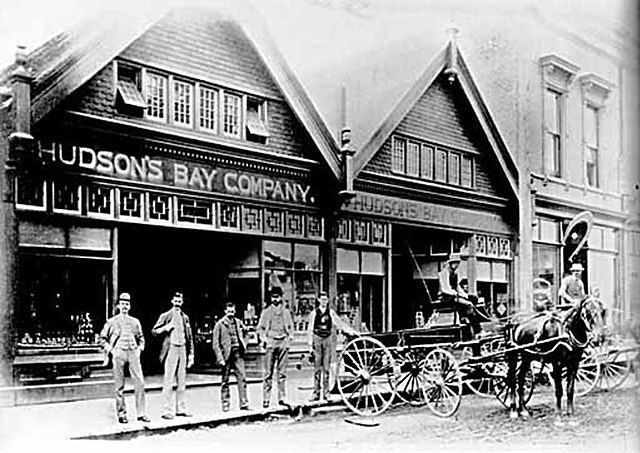
On 13 January 1849 the British government transferred the administration of Vancouver Island to the Hudson’s Bay Company, marking a distinctive moment in colonial governance. Instead of assuming direct control, the Crown delegated authority to a private commercial enterprise. The company was authorised to establish administrative order, distribut...
Read More →
In the agrarian history of Pakistan, 8 January 1959 stands as a moment of enduring significance. On this date, the military government of Muhammad Ayub Khan announced the first comprehensive land reforms in the country’s history. These reforms were designed to curtail the entrenched feudal order and to relocate land ownership from the realm of ...
Read More →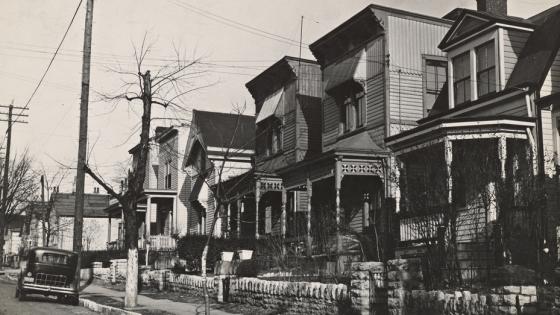
On October 27, 1835, the first official institutional mortgage system emerged in the United States through 'Terminating Building Societies' (TBS), marking a revolutionary shift from informal property transactions to structured home financing. These societies pooled member resources to provide systematic mortgage lending, establishing foundational p...
Read More →
The acquisition of land for the Model Town Society was one of the most remarkable and spirited chapters in its early history. Dewan Khem Chand and his...

Between 1921 and 1924, the land for Model Town Lahore was acquired in successive phases. The process began in 1921, shortly after the establishment of...
No comments yet. Be the first to comment!