
Syed Shayan Real Estate Archive
Syed Shayan Real Estate Archive
From Real Estate History
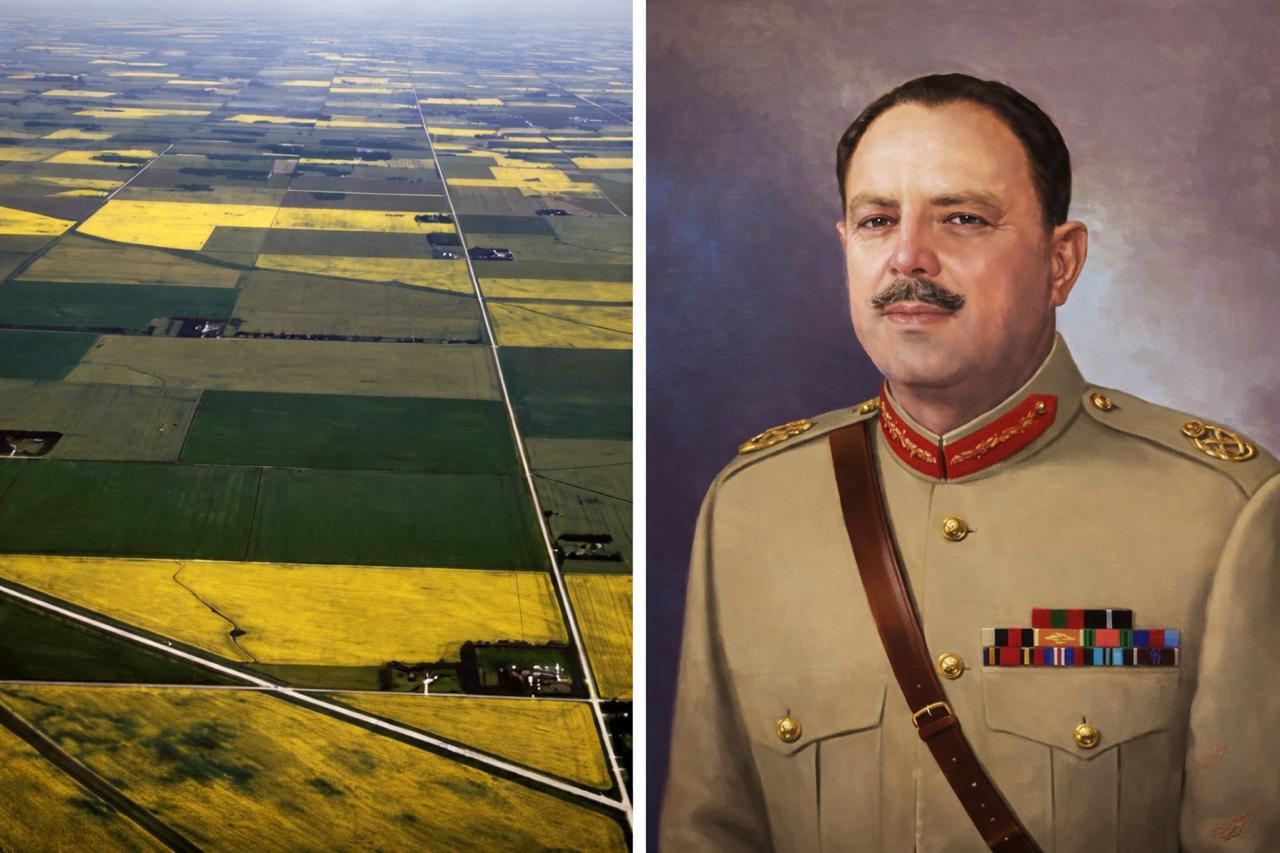
In the agrarian history of Pakistan, 8 January 1959 stands as a moment of enduring significance. On this date, the military government of Muhammad Ayub Khan announced the first comprehensive land reforms in the country’s history. These reforms were designed to curtail the entrenched feudal order and to relocate land ownership from the realm of social power into the authority of law. Their stated purpose was to align agrarian relations with a regulated system of state governance and legal accountability.
The reforms introduced statutory limits on the amount of agricultural land that large landowners could retain, while land held in excess of these limits was designated as surplus and brought under state control for the purpose of redistribution. As a result, millions of acres of land entered public ownership for the first time, establishing a new legal foundation not only for Pakistan’s agrarian system but also for the future regulation of urban real estate.
A clearly defined land ceiling was established under these measures. Ownership of irrigated agricultural land was capped at 500 acres, while the ceiling for unirrigated land was fixed at 1,000 acres per individual or family. All land exceeding these limits was declared surplus and legally transferred to the state. Compensation to landowners was provided through government bonds rather than cash payments. Through this process, large tracts of land passed into direct state ownership, fundamentally altering Pakistan’s agrarian structure.
According to cautious contemporary estimates, the implementation of the 1959 land reforms resulted in the federal government acquiring approximately six million acres of surplus agricultural land across both West Pakistan and East Pakistan under the land ceiling laws. This land was reclaimed from large landholders and formally vested in the state.
Historical records further indicate that only two to two and a half million acres of this total were ultimately distributed among tenants and small farmers. The remainder remained under state control for prolonged periods, owing to legal complexities, exemption clauses, judicial disputes, and administrative delays.
At the political and social level, the reforms were soon perceived in East Pakistan as largely symbolic. Given that the overwhelming majority of the agrarian population there consisted of tenants and landless peasants, expectations of meaningful redistribution were considerable. However, implementation proved limited. Official records, including the Land Reforms Commission Reports 1959–1962, confirm that although surplus land was identified in East Pakistan, a substantial portion could not be redistributed due to legal obstacles, judicial challenges, and statutory exemptions.
This interpretation has been reinforced by scholars such as Ayesha Jalal and Rounaq Jahan, who argue that the reforms failed to dismantle the underlying structures of agrarian power in East Pakistan. As a consequence, a perception took root that agrarian policy was formulated centrally, with insufficient regard for local social and economic realities. In contrast, in West Pakistan, where a powerful landed elite coexisted with an emerging urban middle class, the reforms were widely regarded as incomplete and limited, yet nonetheless acknowledged as the first formal legal intervention by the state to restrain the feudal system. Analyses by Hamza Alavi and S. Akbar Zaidi suggest that, at a minimum, the reforms in West Pakistan succeeded in bringing land within a legal framework and strengthening the authority of the state.
In Pakistan’s historical record, the legislation of 1959 has therefore remained a defining reference point. Shaped by differences in social structure and agrarian composition, it came to symbolise a deepening sense of deprivation in East Pakistan, while in West Pakistan it was received with cautious, though qualified, acceptance.
▪️Syed Shayan Real Estate Archive
▪ Reference(s):
پاکستان کی زرعی تاریخ میں 8 جنوری 1959 ایک اہم دن کی حیثیت رکھتا ہے، جب محمد ایوب خان کی فوجی حکومت نے پاکستان کی تاریخ کی پہلی جامع لینڈ ریفارمز کا اعلان کیا۔ ان اصلاحات کا بنیادی مقصد جاگیرداری نظام کو محدود کرنا اور زمین کی ملکیت کو طاقت ور طبقات کے بجائے قانون کے دائرے میں لا کر عام کسان اور ریاستی نظم و نسق کے تابع کرنا تھا۔
بڑے جاگیرداروں کے لیے زیادہ سے زیادہ زمین رکھنے کی حد مقرر کی گئی اور فاضل زمین کو ریاستی کنٹرول میں لے کر نئی تقسیم کا تصور متعارف کرایا گیا۔ اس اقدام کے نتیجے میں لاکھوں ایکڑ اراضی پہلی مرتبہ ریاستی نگرانی میں آئی، جس نے نہ صرف زرعی ڈھانچے بلکہ شہری رئیل اسٹیٹ کی قانونی سمت کو بھی نئی بنیادیں فراہم کیں۔
ان لینڈ ریفارمز کے تحت بڑے جاگیرداروں کے لیے زرعی زمین رکھنے کی واضح حد (Land Ceiling) مقرر کی گئی، جس کے مطابق سیراب زرعی زمین (Irrigated Land) کی زیادہ سے زیادہ ملکیت 500 ایکڑ اور غیر سیراب زرعی زمین (Unirrigated Land) کی حد 1000 ایکڑ فی فرد یا خاندان طے کی گئی۔ اس مقررہ حد سے زائد تمام زمین کو فاضل اراضی (Surplus Land) قرار دے کر ریاستی کنٹرول میں لے لیا گیا اور اس کے عوض جاگیرداروں کو نقد رقم کے بجائے حکومتی بانڈز فراہم کیے گئے۔ اس اقدام کے نتیجے میں لاکھوں ایکڑ زمین پہلی مرتبہ براہ راست ریاستی ملکیت (State Ownership) میں آ گئی، جس نے پاکستان کے زرعی ڈھانچے (Agrarian Structure) کو بدل کر رکھ دیا۔
ایک محتاط اندازے کے مطابق 1959 کی لینڈ ریفارمز کے نتیجے میں وفاقی حکومت نے دونوں حصوں، یعنی مغربی پاکستان اور مشرقی پاکستان میں، لینڈ سیلنگ قوانین کے تحت ملک بھر میں تقریباً 60 لاکھ ایکڑ فاضل زرعی زمین جاگیرداروں سے واپس لے کر قانونی طور پر ریاستی ملکیت میں لے لی۔
تاہم تاریخی ریکارڈ کے مطابق اس مجموعی رقبے میں سے صرف 20 سے 25 لاکھ ایکڑ زمین ہی عملی طور پر مزارعین اور چھوٹے کسانوں میں تقسیم ہو سکی، جبکہ باقی زمین قانونی پیچیدگیوں، استثنائی شقوں، عدالتی تنازعات اور انتظامی تاخیر کے باعث طویل عرصے تک ریاست کے پاس ہی رہی۔
سیاسی اور سماجی سطح پر مشرقی پاکستان میں 1959 کی لینڈ ریفارمز کو جلد ہی علامتی اصلاحات سمجھا جانے لگا، کیونکہ وہاں زرعی آبادی کی اکثریت مزارعین اور بے زمین کسانوں پر مشتمل تھی، مگر زمین کی عملی تقسیم نہایت محدود رہی۔ Government of Pakistan, Land Reforms Commission Reports 1959–1962 کے مطابق مشرقی پاکستان میں اگرچہ فاضل زمین کی نشاندہی کی گئی، لیکن اس کا بڑا حصہ یا تو قانونی پیچیدگیوں، عدالتی اعتراضات یا استثنائی شقوں کے باعث تقسیم نہ ہو سکا۔
اسی نکتے کی نشاندہی ماہرِ تاریخ عائشہ جلال اور رونق جہاں جیسی محققین نے بھی کی ہے کہ اصلاحات کا نفاذ مشرقی پاکستان میں زرعی طاقت کے اصل ڈھانچے کو توڑنے میں ناکام رہا، جس کے باعث وہاں یہ تاثر مضبوط ہوا کہ پالیسیاں مرکز میں بیٹھ کر بنائی گئیں اور مقامی سماجی حقائق کو نظرانداز کیا گیا۔ اس کے برعکس مغربی پاکستان میں، جہاں بڑے جاگیردارانہ اسٹرکچر کے ساتھ ساتھ ایک ابھرتا ہوا شہری متوسط طبقہ بھی موجود تھا، ان اصلاحات کو اگرچہ ادھورا سمجھا گیا، تاہم انہیں ریاست کی جانب سے جاگیرداری نظام پر پہلی باقاعدہ قانونی قدغن کے طور پر دیکھا گیا۔ حمزہ علوی اور ایس۔ اکبر زیدی کے تجزیوں کے مطابق مغربی پاکستان میں ان اصلاحات نے کم از کم زمین کو قانونی نظم میں لانے اور ریاستی اختیار کو مستحکم کرنے میں ایک عملی کردار ادا کیا۔
یوں پاکستان کی تاریخ میں یہ قانون سماجی ساخت اور زرعی تناسب کے فرق کے باعث مشرقی پاکستان میں احساسِ محرومی اور مغربی پاکستان میں محتاط قبولیت کی علامت بن کر ہمیشہ موجود رہے گا۔
▪️ سید شایان ریئل اسٹیٹ آرکائیو

On November 6, 1853, the French Emperor Napoleon III appointed Baron Georges Eugène Haussmann as Prefect of the Seine, launching one of the most transformative urban redevelopment projects in modern history. The 'Haussmannization of Paris' would redefine not only the physical layout of the French capital but also the global principles of real esta...
Read More →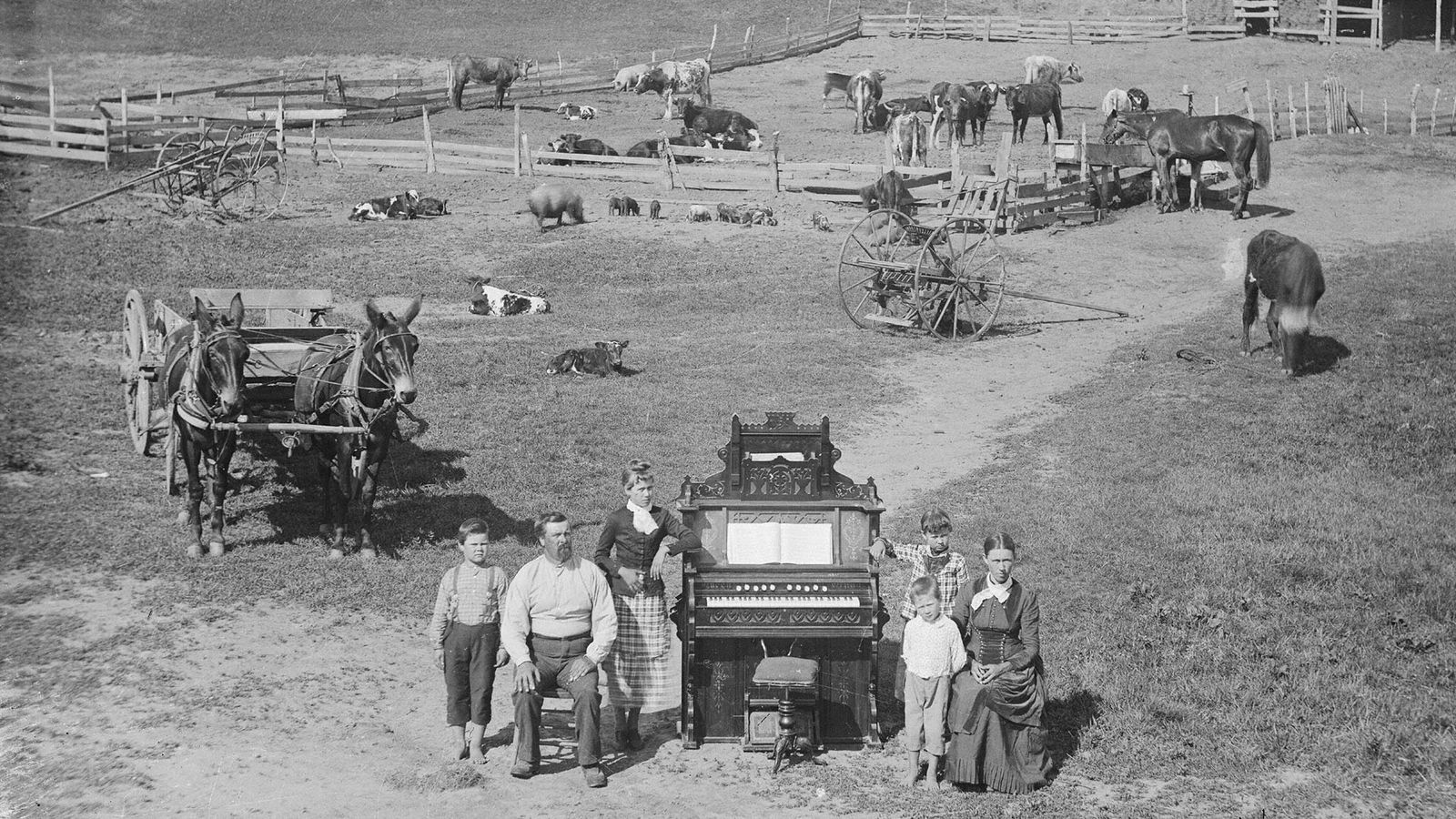
On 1 January 1863, a landmark piece of legislation came into force in the United States known as the Homestead Act. For the first time, the law granted ordinary citizens the legal right to file a claim on vacant government-owned land and, upon meeting specific conditions, ultimately acquire ownership. Under the Act, eligible individuals were per...
Read More →
On November 3, 1993, the implementation of the Maastricht Treaty revolutionized European real estate markets by establishing the framework for a unified property investment zone. The treaty's provisions for free movement of capital and persons enabled cross-border property ownership and investment across EU member states. This led to the emergence ...
Read More →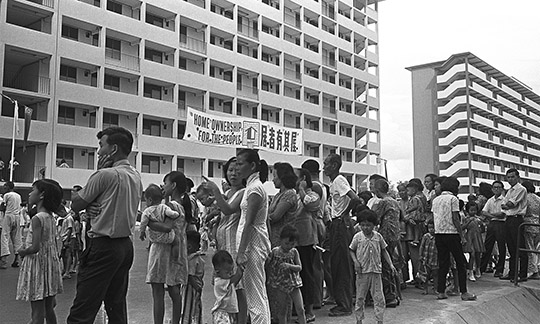
On November 5, 1989, Singapore announced a major expansion to its Housing & Development Board (HDB) home-ownership model, creating policies that allowed low- and middle-income families to purchase improved public flats with government-backed financing. The initiative marked a new chapter in Singapore’s urban housing revolution, aimed at transitio...
Read More →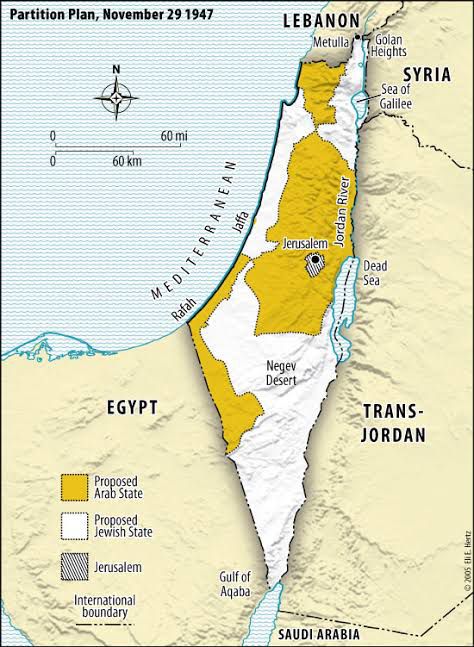
▫This decision is regarded as one of the most consequential developments of its era, shaping the historical geography of land, real estate, urban division, agricultural territory, industrial regions, coastal zones and the boundaries that connected transport routes across the region. ▫The refusal to accept this resolution has shaped the Palesti...
Read More →
The acquisition of land for the Model Town Society was one of the most remarkable and spirited chapters in its early history. Dewan Khem Chand and his...

Between 1921 and 1924, the land for Model Town Lahore was acquired in successive phases. The process began in 1921, shortly after the establishment of...
No comments yet. Be the first to comment!