
Syed Shayan Real Estate Archive
Syed Shayan Real Estate Archive
From Real Estate History
Syed Shayan Real Estate Archive


On 1 February 1887, in what is now Los Angeles County in the US state of California, Harvey Wilcox formally registered his privately owned agricultural land as a residential real estate subdivision. This registration marked the first official use of the name Hollywood in public land records. At the ...

On 31 January 1757, Robert Clive signed the Treaty of Alinagar with Siraj ud Daulah, as a result of which Calcutta, known today as Kolkata, returned to British control. On the surface, this appeared to be a peace treaty. In reality, it was the agreement that paved the way for British rule in Beng...
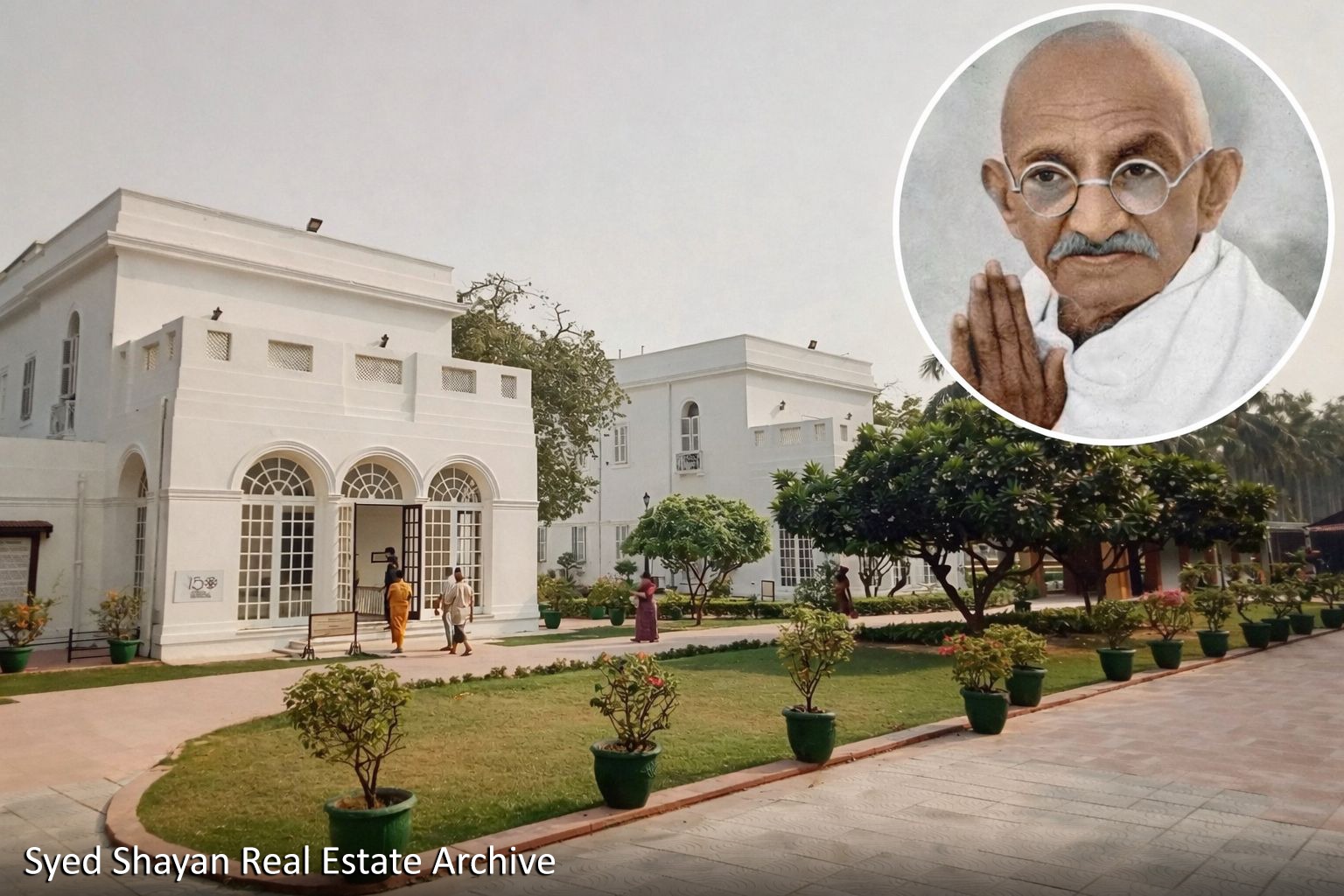
Birla Bhavan is situated within Lutyens’ Delhi, an area regarded as India’s most exclusive, secure, and expensive residential zone. This district is home to foreign diplomatic residences, official homes of central ministers, and several of the country’s most important constitutional institutio...
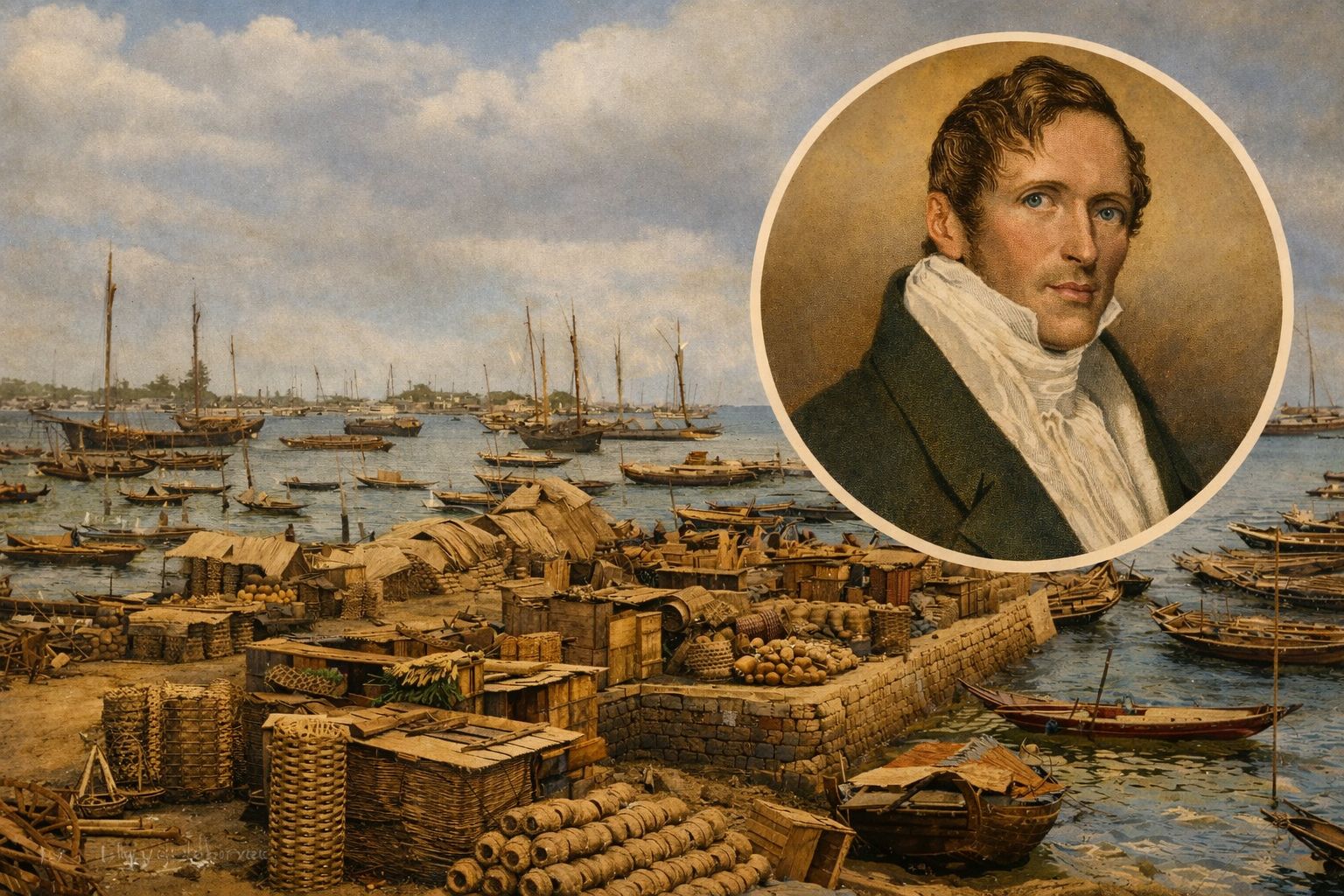
On 29 January 1819, a decision was taken that would quietly but decisively alter the course of maritime trade and urban development in Southeast Asia. On that day, Sir Stamford Raffles, a senior administrator of the British East India Company and then Lieutenant Governor of Bencoolen in Sumatra, arr...

On 27 January 1888, the National Geographic Society was established in Washington DC. The purpose of this institution was to advance understanding of the world’s lands, mountains, rivers, cities, regions, and the human and wildlife populations inhabiting them, and to document this knowledge throu...

On 26 January 1905, the world’s largest known gem quality diamond, the Cullinan Diamond, was discovered at the Premier Mine in South Africa. The find immediately transformed the economic standing of the mine and its surrounding land, elevating the area to exceptional geological and commercial impo...
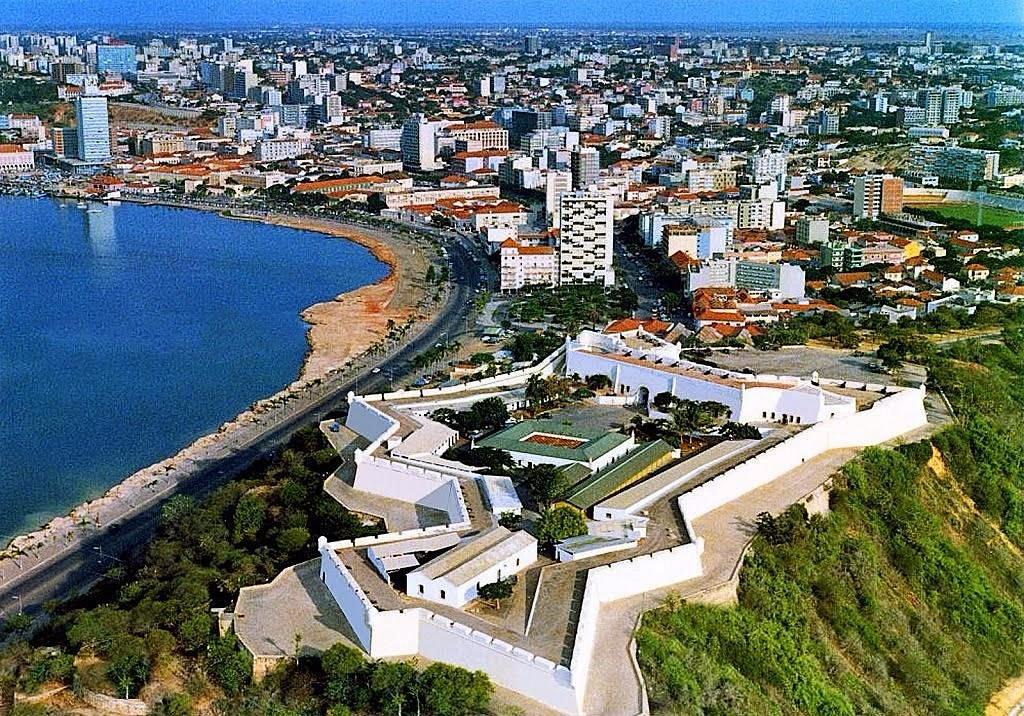
25 January 1575 marks the formal foundation of Luanda on the western coast of Africa by the Portuguese explorer and colonial administrator Paulo Dias de Novais. The settlement was originally named São Paulo da Assunção de Loanda, a designation that was later shortened to Luanda. At the time of...
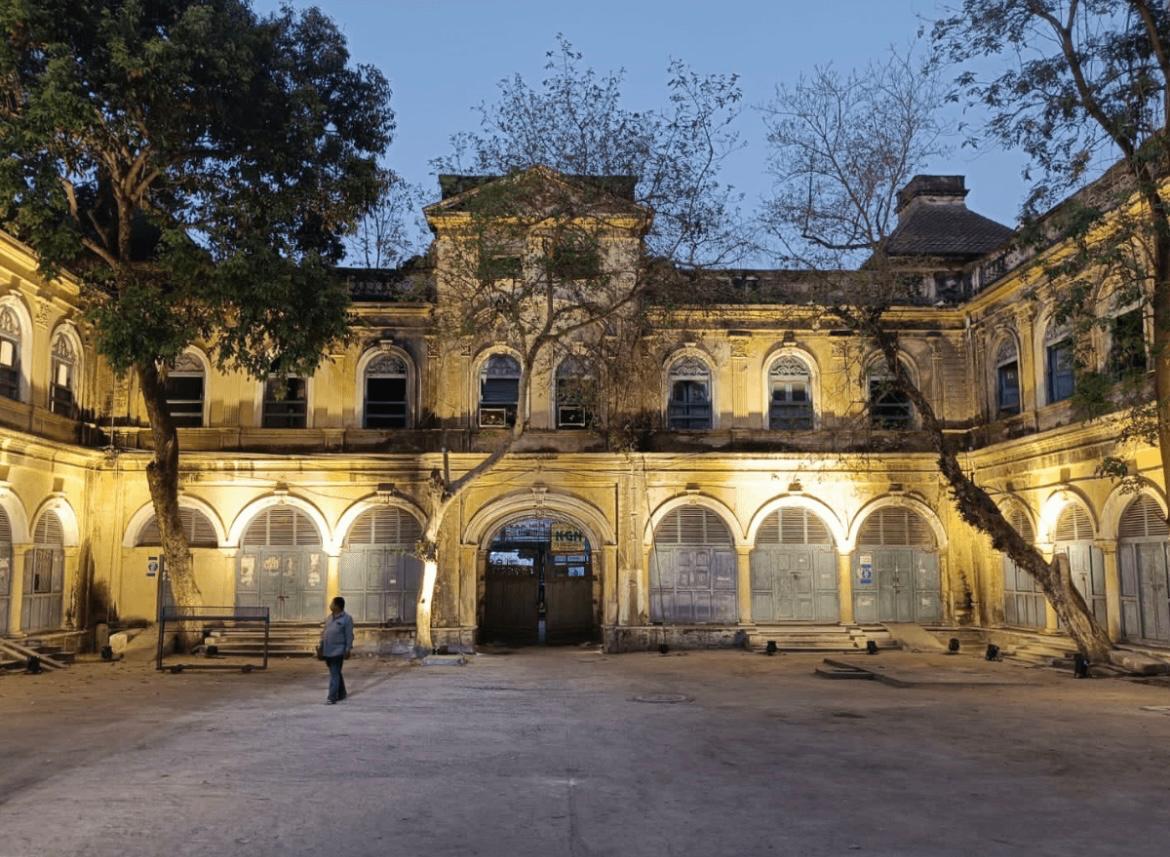
On 24 January 1965, the historic Sardar Mahal, located in Hyderabad, was placed under official municipal control following the failure to clear outstanding property tax dues. After the takeover, the premises were repurposed for municipal administrative use. The action was carried out by the Hyderab...

On 23 January 1959, the Governor of West Pakistan, Lieutenant General Muhammad Azam Khan, promulgated the Punjab Land Dispositions Saving of Shamilat Ordinance 1959. The ordinance formally defined the ownership of village common land, known as Shamilat, and established clear principles governing ...
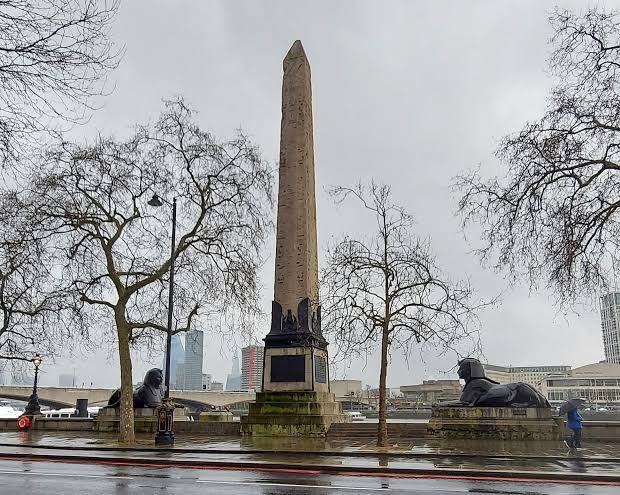
London:On 21 January 1878, the ancient Egyptian stone obelisk known as Cleopatra’s Needle formally became part of London’s public and urban landscape. On this date, the monument was opened to the public following its complete installation at Victoria Embankment on the banks of the River Thames. ...
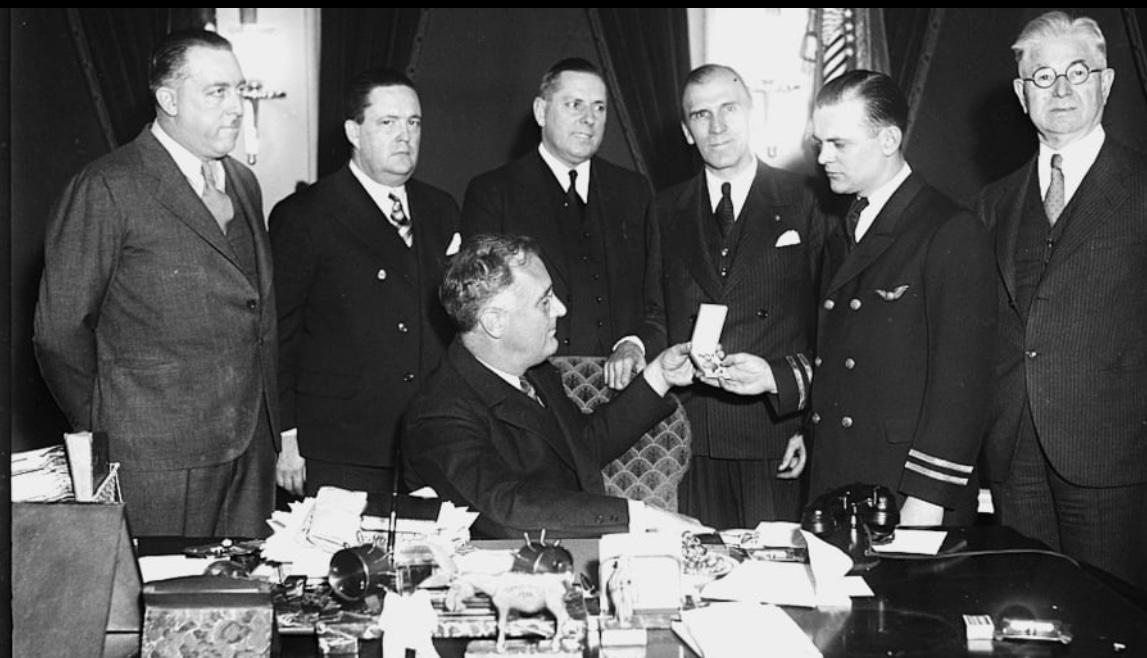
In the global history of real estate and housing, 20 January is remembered as a pivotal date, as it marks the formal signing of the United States Housing Act. Enacted with the signature of President Franklin D Roosevelt, this law, also known as the Wagner Steagall Act, was a cornerstone of the New...
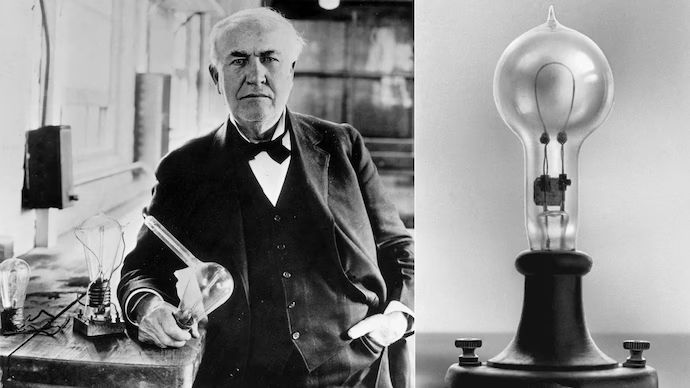
Although Thomas Edison had already developed the electric light bulb in 1879 and had illuminated public spaces on a commercial scale in New York through the Pearl Street Power Station in 1882, the use of electricity at that stage remained limited to a small number of buildings and confined areas. O...
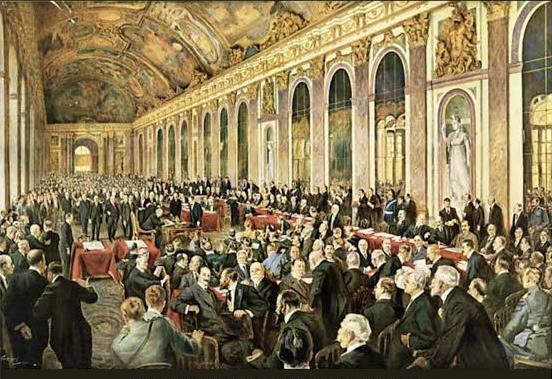
The structure of the world map and globe as they are recognised today is fundamentally rooted in the decisions taken following the Paris Peace Conference, which began on 18 January 1919. Prior to the conference, much of the world was organised under a limited number of vast imperial systems. These ...

In the history of France, a draft resolution addressing the legally enforceable right to housing for ordinary citizens was formally presented to the cabinet on 17 January 2007. The French government designated this initiative as the Right to Housing, known as DALO (Droit au logement opposable). Th...
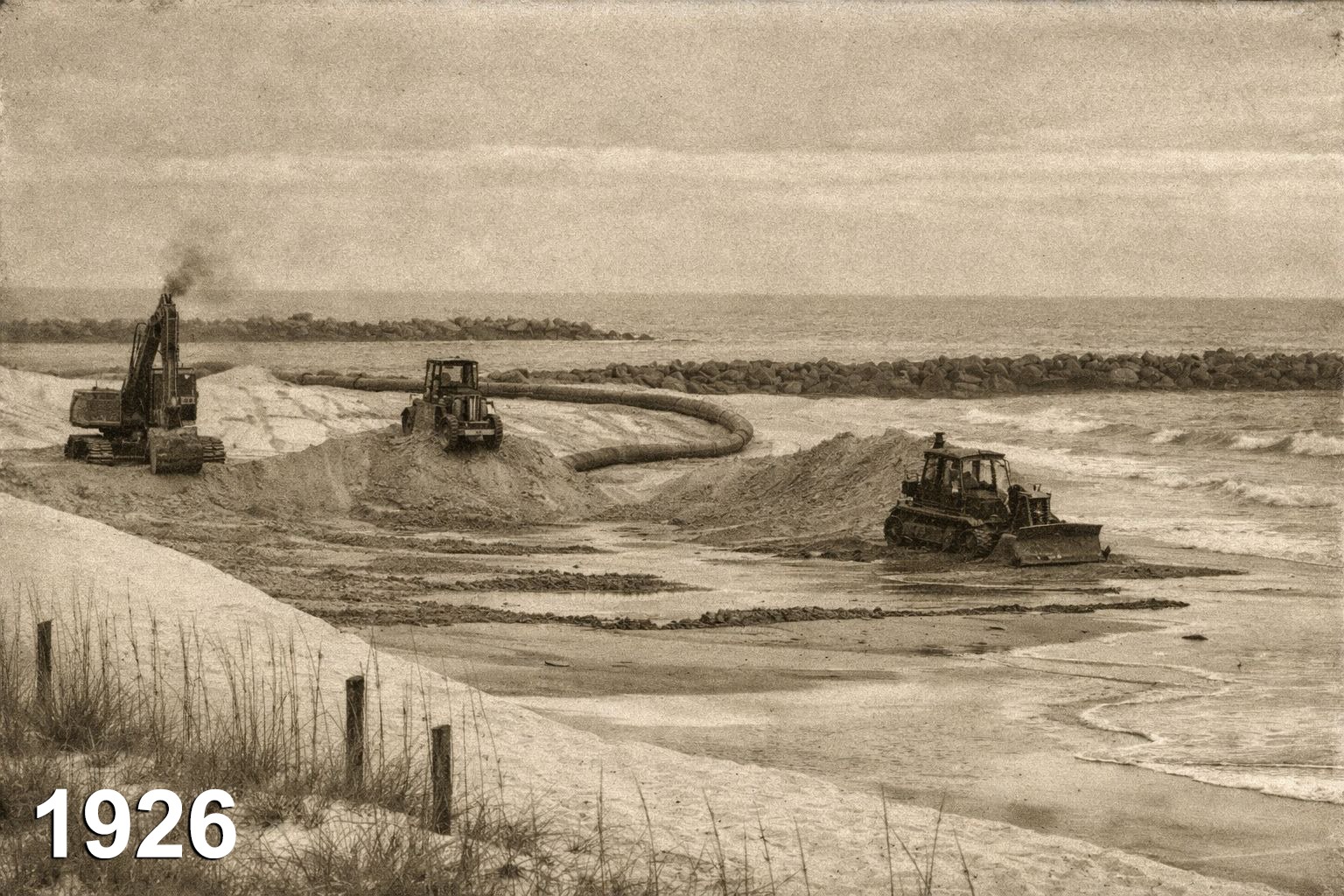
One hundred years ago, on 16 January 1926, leading English language newspapers published in Bombay, including The Times of India, Bombay Chronicle, and The Bombay, reported on an official debate held during a major government session in British India. These reports recorded that the Bombay Legislati...