
Syed Shayan Real Estate Archive
Syed Shayan Real Estate Archive
From Real Estate History
Syed Shayan Real Estate Archive

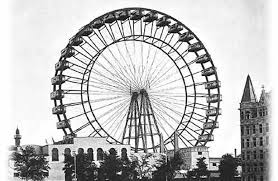
The world’s first Ferris Wheel opened at Chicago’s World’s Columbian Exposition. The 80.4-metre landmark became a powerful example of how major urban attractions can raise a city’s global profile and stimulate surrounding commercial development.The original Ferris Wheel, sometimes also refe...

Penn Central, one of America’s major railroad companies, declared bankruptcy. Beyond its rail network, the company held extensive interests in land, terminals, hotels and railway-linked commercial properties. Its collapse triggered the restructuring, sale and redevelopment of major transport-relat...
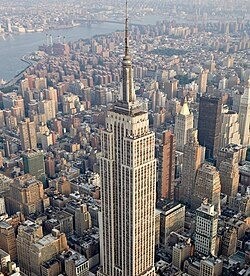
On June 20, 1930, the construction of New York’s iconic Empire State Building reached a major milestone when its steel frame rose to the 26th floor. This achievement showed the speed, ambition and technical strength behind one of the most important real estate projects of the 20th century. Work o...
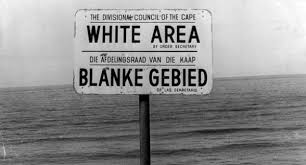
On 19 June 1913, South Africa’s Natives Land Act became law, marking one of the most consequential moments in the country’s land and property history. The legislation severely restricted African land ownership, confining Black South Africans to limited reserve areas that initially covered only a...
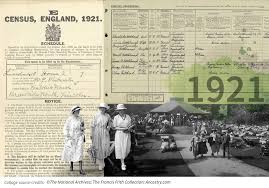
On 19 June 1921, the United Kingdom conducted its national census after delaying it from April because of widespread industrial unrest. The census recorded important details about the population, including age, occupation, household structure and living conditions. Over time, this data became valuab...
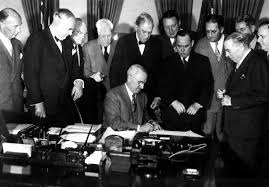
On 19 June 1947, Britain and France invited European nations to Paris to discuss a coordinated recovery programme after the devastation of the Second World War. These talks helped shape what later became known as the Marshall Plan, a major American-backed initiative for rebuilding Europe. The progra...
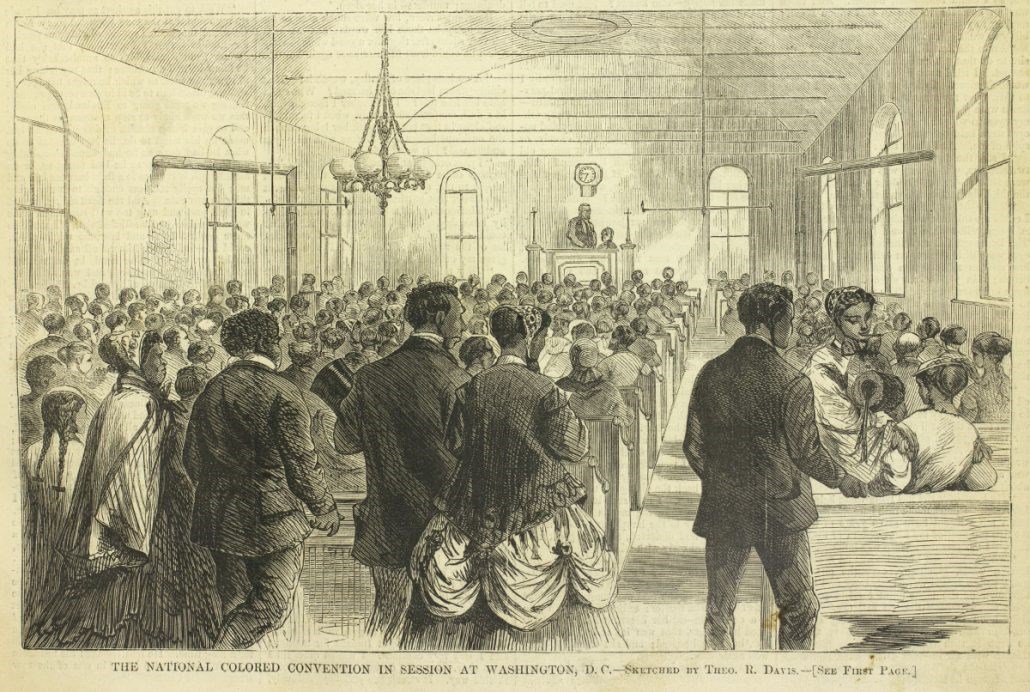
The Fifteenth Census Act was approved in the United States. The law authorized the 1930 census and helped strengthen the collection of population, agriculture, land use and economic data. Such census data later became important for urban planning, housing studies, infrastructure development and prop...
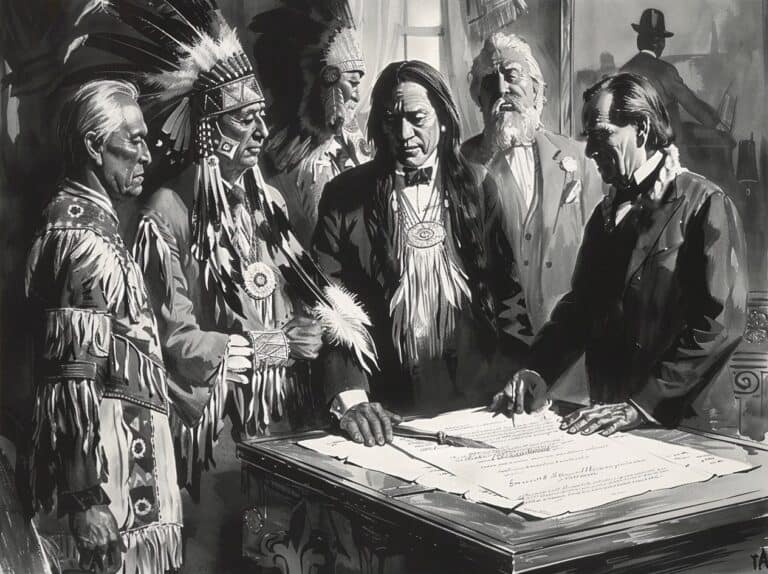
The Indian Reorganization Act, also known as the Wheeler Howard Act, was passed in the United States. The law marked a major shift in federal policy toward Native American lands. It ended the allotment policy that had broken up tribal lands and created a process through which land could be restored ...
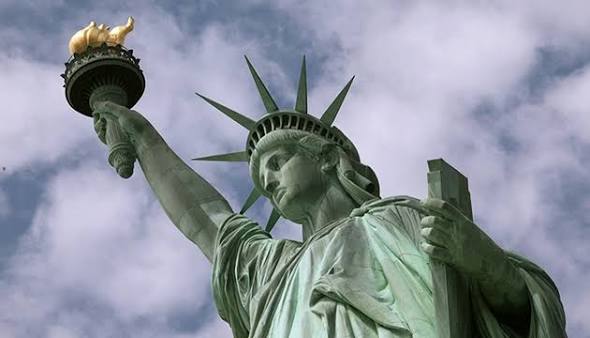
On June 17, 1885, the Statue of Liberty arrived in New York Harbor from France aboard the French ship Isère. The statue was sent in more than 200 crates as a gift from the people of France to the United States, symbolizing freedom, democracy, and friendship between the two nations. After its arriva...
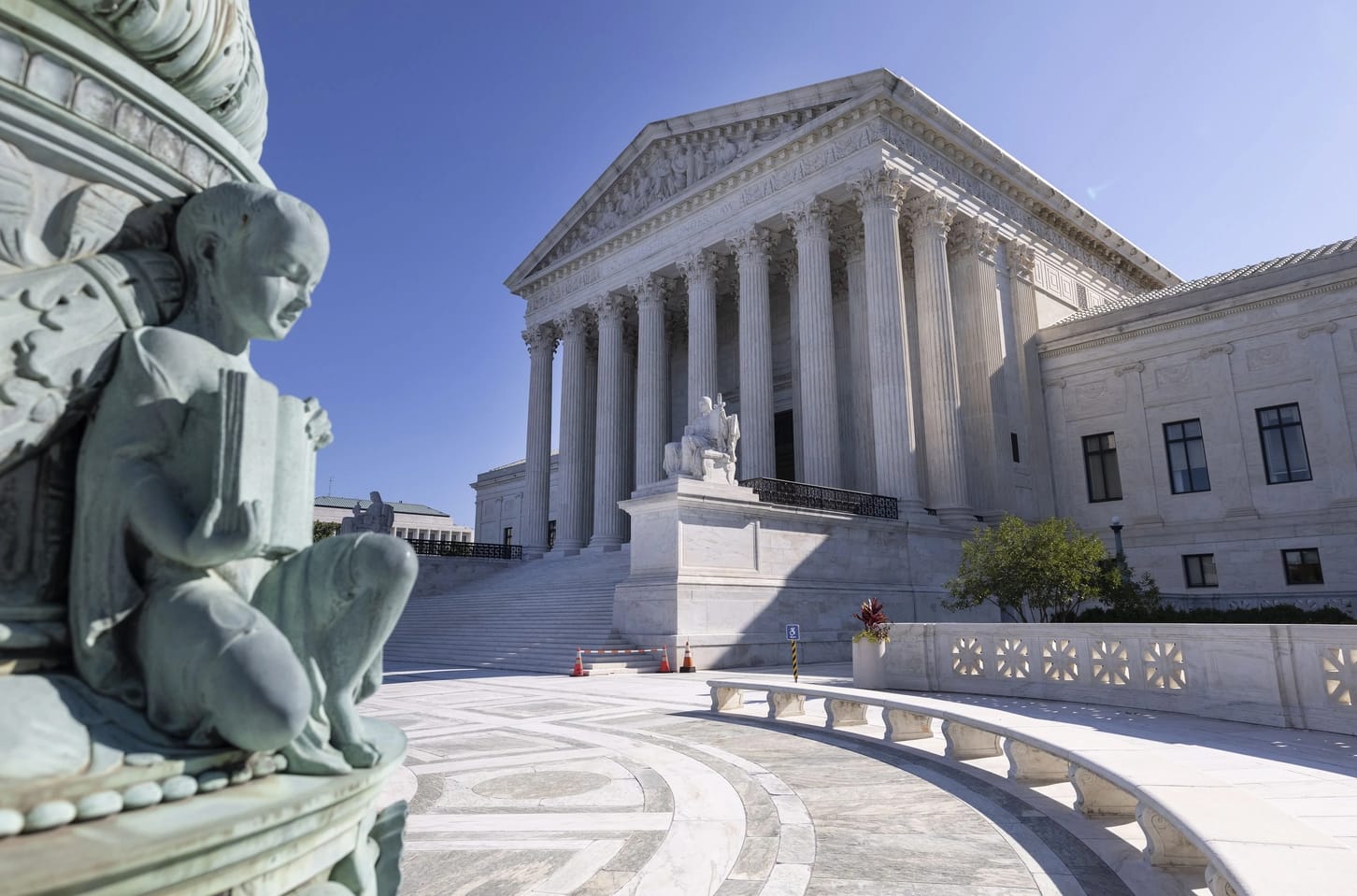
On June 17, 1968, the U.S. Supreme Court delivered an important decision in Jones v. Alfred H. Mayer Co., strengthening fair housing rights in the United States. The Court ruled that racial discrimination in the sale or rental of property was illegal, including discrimination by private property own...
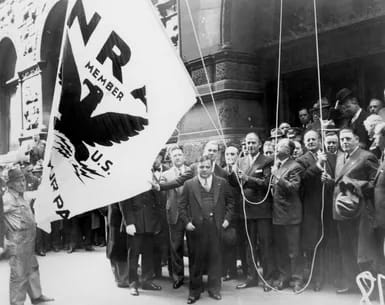
On 16 June 1933, U.S. President Franklin D. Roosevelt signed the National Industrial Recovery Act (NRA), one of the major laws of the New Deal era. The law was introduced during the Great Depression to revive the economy, support employment and encourage large scale public works. For real estate an...

Every year on 10 February, real estate professionals in the US state of Wisconsin come together to engage directly with government. The day is commonly known as REALTOR® & Government Day, also referred to as Capitol Day. Discussions focus on laws and policy matters that affect the real estate sec...
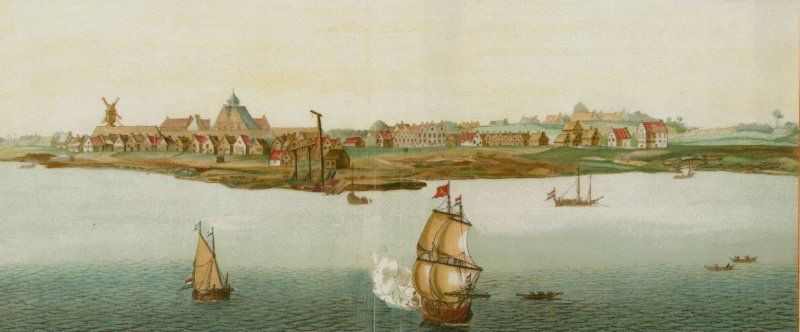
On 2 February 1665, British forces formally consolidated their control over the Dutch colonial settlement of New Amsterdam, located in what is now the Manhattan area of New York City. On this occasion, the settlement was renamed New York. The earliest known name of the area was Manahatta or Mannaha...
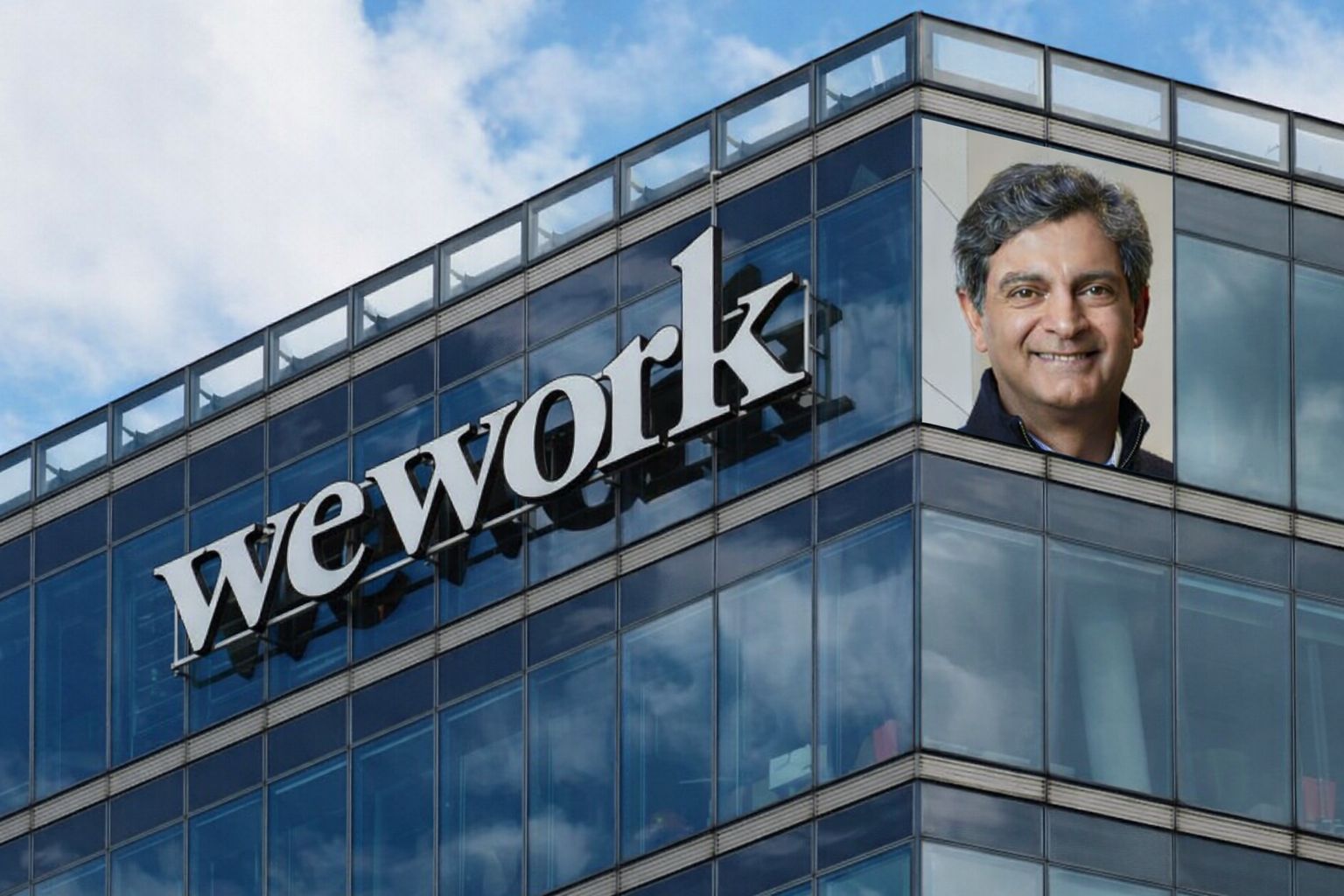
For WeWork, the globally recognised emblem of rapidly expanding co working spaces, the year 2020 marked a decisive turning point. Following a period of excessive expansion and a failed initial public offering, it became evident that the company was required to undertake a fundamental reassessment of...
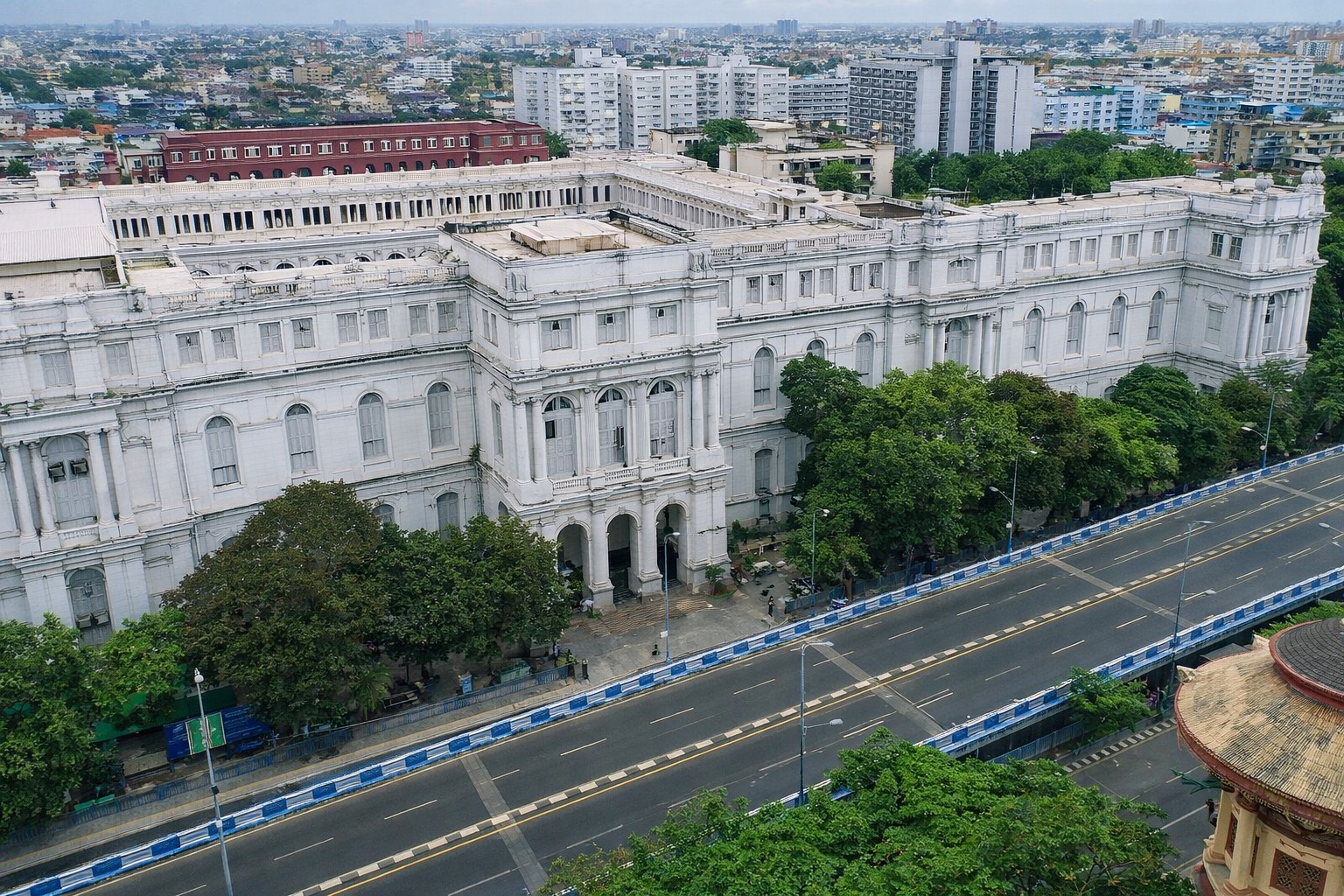
On 2 February, the Indian Museum in Calcutta marks its foundation day. The institution is recognised as the oldest and largest museum in the Indian subcontinent and has played a central role in preserving the region’s architectural legacy, land based civilisations, and archaeological heritage. T...