
Syed Shayan Real Estate Archive
Syed Shayan Real Estate Archive
From Real Estate History
On This Date
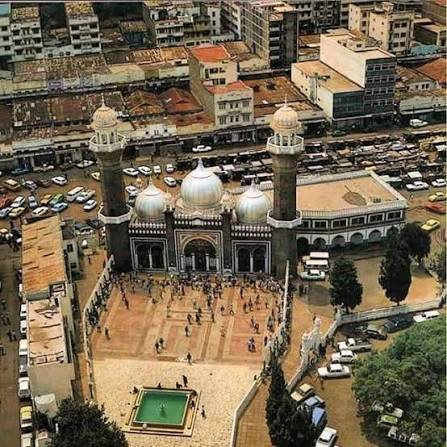
On September 7, 1925, the foundation stone of Jamia Mosque was laid in the heart of Nairobi, Kenya. The event marked the beginning of the construction of a landmark that would eventually become one of the most prominent religious and architectural symbols of East Africa. Today, the mosque stands in Nairobi’s Central Business District and remains an important part of the city’s historic identity.
The story of Jamia Mosque, however, goes back to 1902, when Maulana Sayed Abdullah Shah sought land to establish a mosque in Nairobi. According to historical accounts, he was given a map of the city and selected a largely undeveloped, swampy site near its center. He reportedly believed that the location would one day become the center of a great city. His vision proved remarkably accurate, as the mosque now stands at the heart of Nairobi’s busy central district.
Formal construction began in 1925, with the mosque designed by Scottish architect William Landels. The design drew heavily from Mughal architecture, particularly the great mosques associated with the Mughal period in the Indian subcontinent. Its architectural inspiration included the Jama Masjid in Delhi and the Badshahi Mosque in Lahore, giving the building a distinctive character within Nairobi’s urban landscape.
The construction itself was an extraordinary community effort. Building stones were transported from India to the port of Mombasa and then carried by railway to Nairobi. Indian railway workers reportedly carried the heavy stone blocks from the railway station to the construction site on their shoulders. Funds were raised through a broad appeal across East Africa, with contributions coming from members of different communities.
After approximately eight years of work, the mosque was completed in 1933. At the time, it was regarded as the tallest building in Nairobi and one of the largest mosques in East Africa. Its distinctive domes and minarets have remained an important feature of Nairobi’s historic skyline.
The story of September 7, 1925 demonstrates how a construction project can evolve far beyond its original purpose. Over a century later, Jamia Mosque stands not merely as a placey of worship, but as a symbol of architectural heritage, community effort and Nairobi’s urban history.
▪️Syed Shayan Real Estate Archive
▪ Reference(s):
On This Date
7 ستمبر 1925 کو کینیا کے دارالحکومت نیروبی کے قلب میں واقع تاریخی جامع مسجد کا سنگ بنیاد رکھا گیا۔ یہ دن ایک ایسی عمارت کی تعمیر کا آغاز تھا جو آنے والی دہائیوں میں نہ صرف کینیا بلکہ پورے مشرقی افریقہ کی نمایاں مذہبی اور تعمیراتی علامت بن گئی۔ آج جامع مسجد نیروبی کے مرکزی کاروباری ضلع کے عین وسط میں موجود ہے اور شہر کی تاریخی شناخت کا اہم حصہ سمجھی جاتی ہے۔
اس مسجد کی کہانی دراصل 1902 سے شروع ہوتی ہے، جب مولانا سید عبداللہ شاہ نے نیروبی میں مسجد کی تعمیر کے لیے زمین حاصل کرنے کی کوشش کی۔ روایت کے مطابق انہیں شہر کا نقشہ دکھایا گیا تو انہوں نے تقریباً شہر کے وسط میں موجود ایک دلدلی اور غیر آباد مقام کا انتخاب کیا۔ ان کا کہنا تھا کہ ایک دن یہی جگہ ایک بڑے شہر کا مرکز بنے گی۔ کئی دہائیوں بعد ان کی یہ پیش گوئی حقیقت ثابت ہوئی اور آج یہی مقام نیروبی کے مصروف ترین مرکزی علاقے میں واقع ہے۔
جامع مسجد کا باقاعدہ تعمیراتی منصوبہ 1925 میں شروع ہوا۔ اس کا نقشہ سکاٹ لینڈ سے تعلق رکھنے والے ماہر تعمیرات ولیم لینڈلز نے تیار کیا، جس میں سولہویں اور سترہویں صدی کے مغلیہ طرزِ تعمیر سے خاصا اثر لیا گیا تھا۔ اس ڈیزائن میں دہلی کی جامع مسجد اور لاہور کی بادشاہی مسجد کے تعمیراتی انداز کی جھلک نمایاں تھی۔
مسجد کی تعمیر اپنے وقت میں ایک غیر معمولی اجتماعی کوشش تھی۔ تعمیر کے لیے پتھر بھارت سے ممباسا کی بندرگاہ تک لائے گئے، پھر ریل کے ذریعے نیروبی پہنچائے گئے۔ وہاں سے بھارتی ریلوے کے مزدور بھاری پتھروں کو اپنے کندھوں پر تعمیراتی مقام تک لے جاتے تھے۔ مالی وسائل کے لیے مشرقی افریقہ بھر میں چندہ جمع کیا گیا اور مختلف برادریوں نے اس منصوبے میں حصہ لیا۔
تقریباً آٹھ سال کی محنت کے بعد مسجد 1933 میں مکمل ہوئی۔ اس وقت یہ نیروبی کی بلند ترین عمارت اور مشرقی افریقہ کی سب سے بڑی مساجد میں شمار ہوتی تھی۔ اس کے تین نمایاں گنبد اور مینار آج بھی شہر کے تاریخی منظرنامے کا اہم حصہ ہیں۔
7 ستمبر 1925 کا یہ واقعہ اس بات کی مثال ہے کہ ایک تعمیراتی منصوبہ کس طرح وقت گزرنے کے ساتھ صرف ایک عمارت نہیں رہتا بلکہ شہر کی شناخت، تاریخ اور اجتماعی ورثے کا حصہ بن جاتا ہے۔
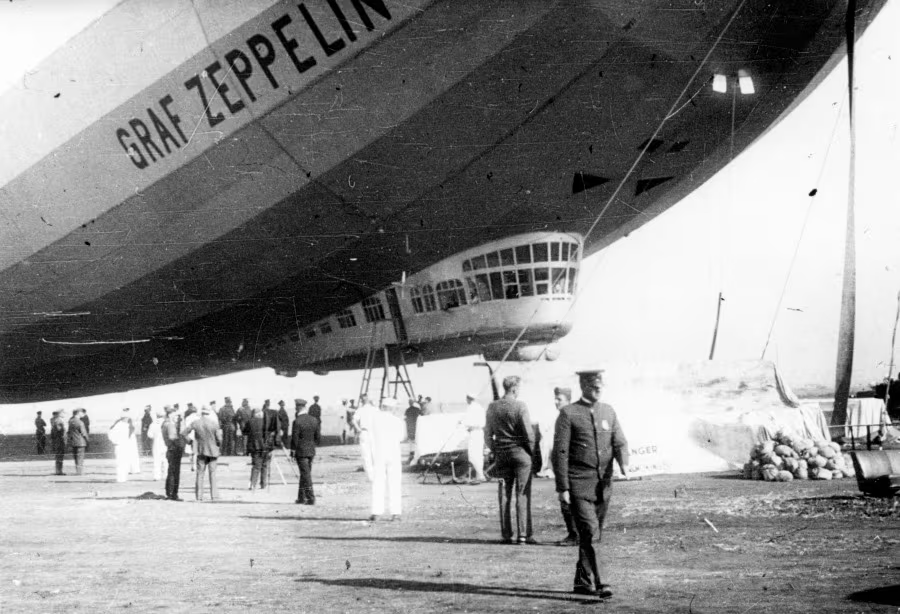
The Graf Zeppelin First Commercial Flight on October 15 1928 revolutionized real estate development approaches. This landmark event introduced innovat...
Read More →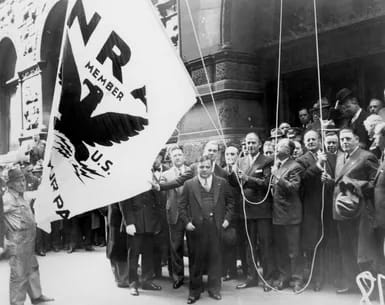
On 16 June 1933, U.S. President Franklin D. Roosevelt signed the National Industrial Recovery Act (NRA), one of the major laws of the New Deal era. The law was ...
Read More →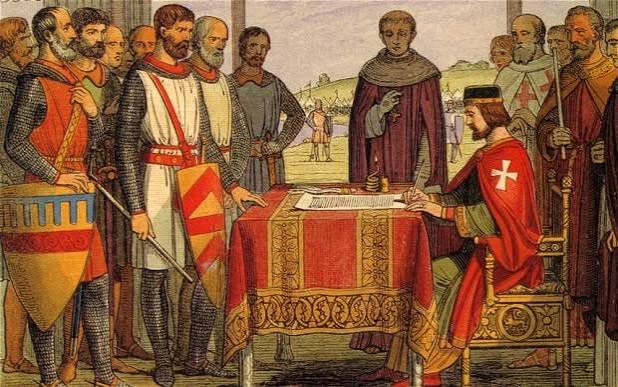
On 15 June 1215, King John of England agreed to the Magna Carta at Runnymede. Although it was not a modern real estate law, it became one of history’s most impo...
Read More →
On July 20, 2003, former South African president Nelson Mandela officially opened the Nelson Mandela Bridge in Johannesburg. The ceremony took place two days af...
Read More →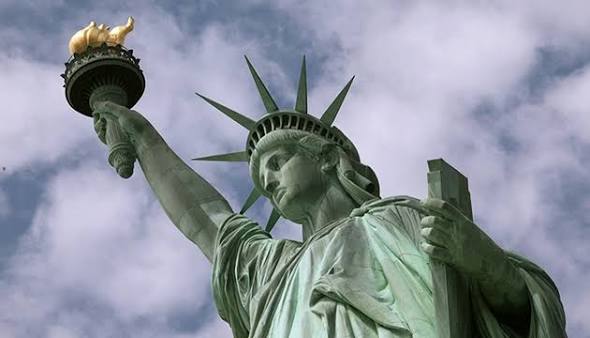
On June 17, 1885, the Statue of Liberty arrived in New York Harbor from France aboard the French ship Isère. The statue was sent in more than 200 crates as a gi...
Read More →
The acquisition of land for the Model Town Society was one of the most remarkable and spirited chapters in its early history. Dewan Khem Chand and his...

Between 1921 and 1924, the land for Model Town Lahore was acquired in successive phases. The process began in 1921, shortly after the establishment of...
No comments yet. Be the first to comment!