
Syed Shayan Real Estate Archive
Syed Shayan Real Estate Archive
From Real Estate History
On This Date
On August 19
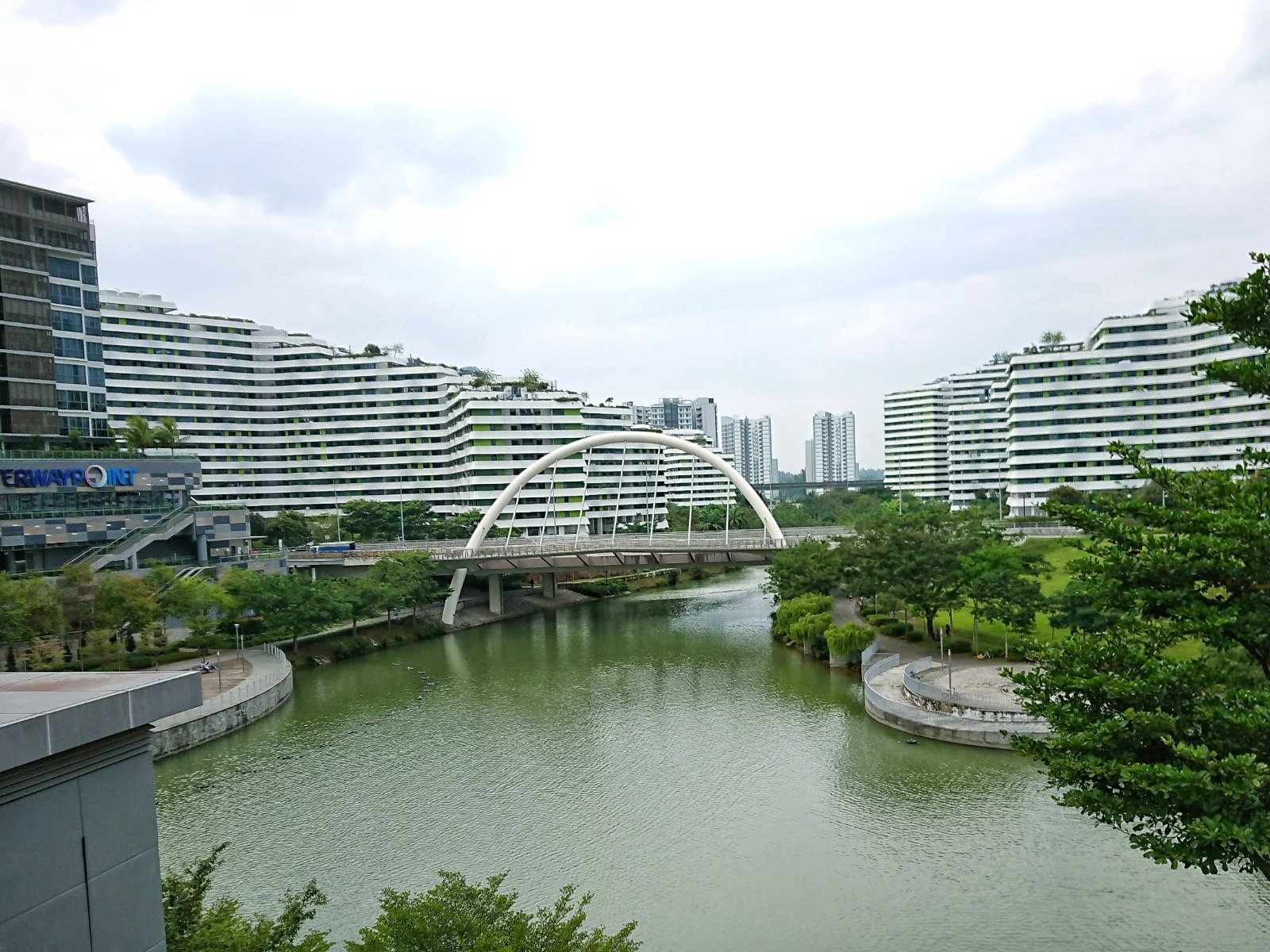
2007, Singapore marked an important moment in its urban and real estate history when then-Prime Minister Lee Hsien Loong announced the Punggol 21 Plus plan during his National Day Rally speech. The initiative aimed to transform Punggol from a conventional residential district into a modern, integrated waterfront town where housing, water, greenery, transport, commerce and recreation would be closely connected.
Punggol is located in the northeastern part of Singapore. Plans to develop the area into a modern residential town had existed well before 2007. In the 1990s, the government introduced an earlier programme known as Punggol 21, but the Asian financial crisis of 1997 weakened the property market, reduced housing demand and slowed development in the area.
Nearly a decade later, the government revived and expanded the vision through Punggol 21 Plus. This time, the emphasis was not simply on increasing the housing stock. The broader objective was to create a more complete living environment in which homes would be supported by quality public spaces, transport links, recreational facilities and essential day-to-day services.
One of the most prominent features of the development was a 4.2-kilometre waterway designed as a central element of the new town. The project sought to connect the Punggol and Serangoon waterways while making water an integral part of everyday urban life.
Residential developments were planned alongside parks, landscaped areas, pedestrian paths, cycling routes, recreational facilities, retail outlets, dining areas and other public amenities.
The concept represented a significant shift in urban planning. Rather than constructing residential buildings first and adding community facilities later, Punggol was designed around the idea that housing and the wider urban environment should develop together as part of a single integrated plan.
The proposal did not remain on paper. Construction of the Punggol Waterway began in 2009, and the waterway was officially opened in 2011.
Residential developments along its banks soon began shaping Punggol’s new identity. Public housing projects such as Waterway Terraces incorporated waterfront views, landscaped surroundings and environmentally conscious design features.
Over time, Punggol also saw an expansion of schools, retail facilities, transport services, recreational spaces and other urban amenities. An area once regarded as relatively remote and underdeveloped gradually emerged as a modern residential destination, particularly attractive to younger families.
The scale of Punggol’s transformation can also be seen in its population growth. According to figures cited by Singapore’s National Library, Punggol’s population stood at about 52,700 in 2007. By March 2013, it had risen to approximately 83,300.
The sharp increase over a relatively short period reflected growing residential demand and suggested that improved housing, public amenities and a better urban environment were drawing more people to the area.
Punggol’s significance in real estate history lies not merely in the construction of thousands of new homes, but in the broader planning philosophy behind the development.
The project demonstrated that the appeal of a residential district does not depend solely on houses, apartments or land values. When housing is integrated with waterfront spaces, greenery, parks, pedestrian and cycling networks, public transport, commercial activity and recreation, the identity and long-term attractiveness of an entire district can change.
Rather than treating water as something separate from the city, Punggol made it part of the urban experience. Homes were placed close to the waterway, parks and public spaces, allowing residents to combine everyday convenience with access to a more attractive and liveable environment.
The August 19, 2007 announcement of Punggol 21 Plus remains notable because it revived a slower-moving residential development and turned it into a much broader vision for integrated urban living.
Punggol’s transformation offers an important lesson for the real estate sector: successful development is not simply about building homes. Its real value lies in creating a complete, liveable urban environment around those homes.
Today, Punggol stands as one of Singapore’s prominent examples of coordinated urban planning, where water, greenery, housing, mobility and public amenities were brought together to create a distinct new urban identity. The announcement made on August 19, 2007 marked the beginning of that transformation.
▪️Syed Shayan Real Estate Archive
▪ Reference(s):
On This Date
19 اگست 2007 کو سنگاپور کی شہری اور رئیل اسٹیٹ تاریخ میں ایک اہم موڑ آیا، جب اس وقت کے وزیراعظم لی ہسین لونگ نے اپنے قومی خطاب میں پنگول 21 پلس منصوبے کا اعلان کیا۔ اس منصوبے کا مقصد پنگول کو محض نئی رہائشی عمارتوں کے علاقے کے بجائے ایک ایسے جدید اور مکمل شہری قصبے میں تبدیل کرنا تھا جہاں گھر، پانی، سبزہ، آمدورفت، کاروبار اور تفریح ایک دوسرے سے جڑے ہوں۔
پنگول سنگاپور کے شمال مشرقی حصے میں واقع ہے۔ اس علاقے کو جدید رہائشی قصبے میں تبدیل کرنے کی منصوبہ بندی اس سے پہلے بھی کی گئی تھی۔ 1990 کی دہائی میں پنگول 21 کے نام سے ایک بڑا منصوبہ سامنے آیا، لیکن 1997 کے ایشیائی مالی بحران کے بعد سنگاپور کی جائیداد اور رہائش کی مارکیٹ متاثر ہوئی، گھروں کی طلب میں کمی آئی اور پنگول کی ترقی کی رفتار بھی سست پڑ گئی۔
تقریباً ایک دہائی بعد حکومت نے پنگول کو نئے انداز میں ترقی دینے کا فیصلہ کیا۔ پنگول 21 پلس اسی کوشش کا نیا اور زیادہ جامع مرحلہ تھا۔ اس بار توجہ صرف زیادہ گھر بنانے پر نہیں تھی بلکہ یہ سوچ سامنے رکھی گئی کہ ایک اچھے رہائشی علاقے میں گھر کے ساتھ بہتر ماحول اور روزمرہ زندگی کی ضروری سہولتیں بھی موجود ہونی چاہئیں۔
4.2 کلومیٹر طویل آبی گزرگاہ
اس منصوبے کی سب سے نمایاں خصوصیت تقریباً 4.2 کلومیٹر طویل آبی گزرگاہ تھی۔ اس کا مقصد پنگول اور سیرانگون کے آبی علاقوں کو جوڑنے کے ساتھ پنگول کے اندر پانی کو شہری زندگی کا اہم حصہ بنانا تھا۔
اس آبی گزرگاہ کے دونوں جانب رہائشی منصوبوں کے ساتھ پارک، سبز مقامات، پیدل راستے، سائیکل ٹریک، تفریحی سہولتیں، دکانیں، کھانے پینے کے مقامات اور عوامی استعمال کی دوسری سہولتیں شامل کرنے کی منصوبہ بندی کی گئی۔
یہ سوچ اس وقت خاص اہمیت رکھتی تھی کیونکہ روایتی شہری ترقی میں پہلے عمارتیں تعمیر کی جاتی تھیں اور دوسری سہولتیں بعد میں شامل ہوتی تھیں۔ پنگول میں کوشش کی گئی کہ رہائش اور شہری ماحول کو ایک ہی منصوبے کا حصہ سمجھا جائے۔
منصوبے سے حقیقت تک
اعلان کے بعد منصوبہ صرف کاغذی کارروائی تک محدود نہیں رہا۔ 2009 میں پنگول آبی گزرگاہ کی تعمیر شروع ہوئی اور 2011 میں اسے کھول دیا گیا۔
اس کے کنارے رہائشی منصوبوں نے بھی پنگول کی نئی شناخت بنانا شروع کردی۔ واٹر وے ٹیریسز جیسے سرکاری رہائشی منصوبوں میں پانی کے نظارے، سبز ماحول اور ماحول دوست تعمیراتی خصوصیات کو اہمیت دی گئی۔
وقت کے ساتھ پنگول میں سکولوں، دکانوں، ٹرانسپورٹ، تفریح اور دوسری شہری سہولتوں میں بھی اضافہ ہوا۔ یوں ایک ایسا علاقہ جو کبھی نسبتاً دور اور کم ترقی یافتہ سمجھا جاتا تھا، نئی نسل کے خاندانوں کیلئے ایک جدید رہائشی مقام بنتا چلا گیا۔
آبادی میں نمایاں اضافہ
پنگول کی تبدیلی کا اندازہ اس کی بڑھتی ہوئی آبادی سے بھی لگایا جاسکتا ہے۔ سنگاپور کی نیشنل لائبریری میں درج اعداد و شمار کے مطابق 2007 میں پنگول کی آبادی تقریباً 52 ہزار 700 تھی، جو مارچ 2013 تک بڑھ کر تقریباً 83 ہزار 300 ہوگئی۔
یعنی صرف چند برسوں میں یہاں رہنے والوں کی تعداد میں نمایاں اضافہ ہوا۔ یہ اضافہ اس بات کی علامت تھا کہ نئی رہائش کے ساتھ بہتر شہری ماحول اور سہولتیں لوگوں کو علاقے کی طرف متوجہ کر رہی تھیں۔
رئیل اسٹیٹ کی تاریخ میں پنگول کی اصل اہمیت صرف ہزاروں نئے گھر تعمیر کرنے میں نہیں بلکہ شہری منصوبہ بندی کے ایک مختلف تصور میں ہے۔
پنگول نے دکھایا کہ کسی علاقے کی کشش صرف عمارتوں، پلاٹوں یا گھروں کی تعداد سے نہیں بنتی۔ اگر رہائش کے ساتھ پانی، سبزہ، پارک، پیدل اور سائیکلنگ کے راستے، پبلک ٹرانسپورٹ، کاروباری سرگرمیاں اور تفریحی سہولتیں منظم انداز میں فراہم کی جائیں تو پورے علاقے کی شہری شناخت بدل سکتی ہے۔
اس ماڈل میں پانی کو شہر سے الگ رکھنے کے بجائے شہری زندگی کا حصہ بنایا گیا۔ گھروں کو آبی گزرگاہ، پارکوں اور عوامی مقامات کے قریب رکھا گیا تاکہ رہائشیوں کو بہتر ماحول کے ساتھ روزمرہ سہولتیں بھی دستیاب ہوں۔
ایک اعلان جس نے علاقے کی شناخت بدل دی
19 اگست 2007 کا پنگول 21 پلس اعلان اس لیے رئیل اسٹیٹ تاریخ کا قابل ذکر واقعہ ہے کہ اس نے ایک نسبتاً سست رفتار رہائشی منصوبے کو دوبارہ زندہ کرکے ایک وسیع شہری تصور میں تبدیل کردیا۔
پنگول کی کہانی یہ سبق دیتی ہے کہ کامیاب رئیل اسٹیٹ ترقی صرف مکان بنانے کا نام نہیں؛ اصل کامیابی اس وقت آتی ہے جب مکان کے ساتھ رہنے کے قابل پورا شہر بنایا جائے۔
آج پنگول سنگاپور کی اسی منصوبہ بندی کی ایک نمایاں مثال ہے، جہاں پانی، سبزہ، رہائش اور شہری سہولتوں کو ایک دوسرے سے جوڑ کر ایک نئی شہری شناخت پیدا کی گئی۔ 19 اگست 2007 کا اعلان دراصل اس بڑی تبدیلی کا نقطۂ آغاز تھا۔
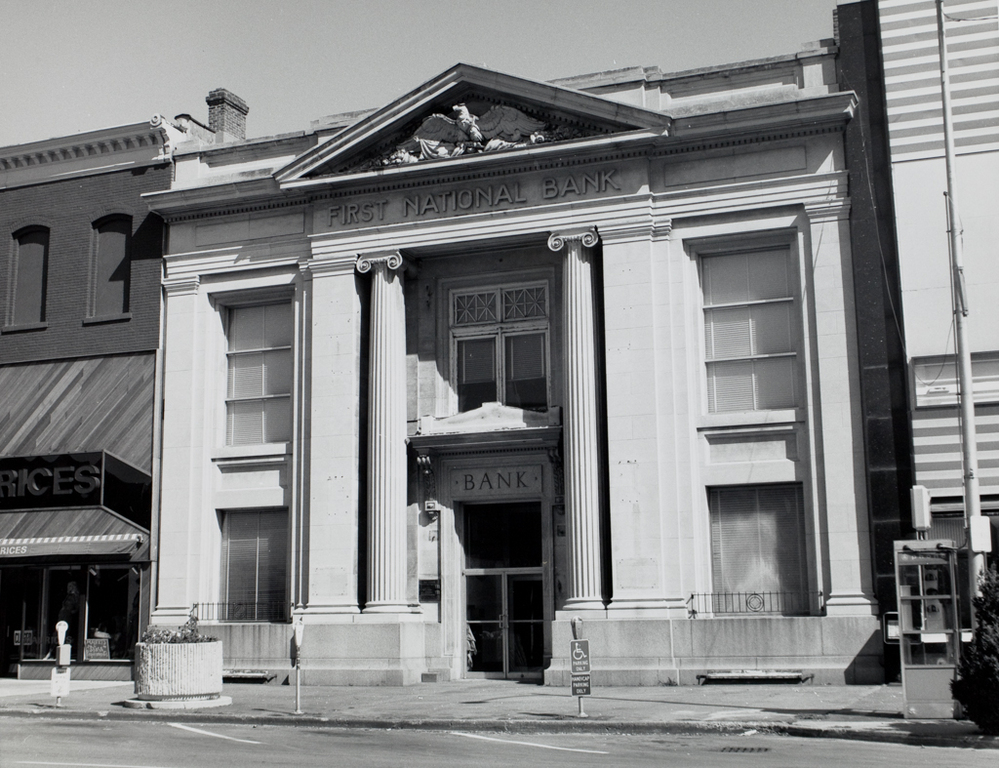
On October 20, 1901, the first comprehensive national building code standards were established, creating uniform construction regulations across the country. Th...
Read More →
Some buildings become so deeply associated with a city that they eventually represent far more than steel, concrete and glass. New York’s World Trade Center Twi...
Read More →
On 27 January 1888, the National Geographic Society was established in Washington DC. The purpose of this institution was to advance understanding of the world...
Read More →
On June 17, 1885, the Statue of Liberty arrived in New York Harbor from France aboard the French ship Isère. The statue was sent in more than 200 crates as a gi...
Read More →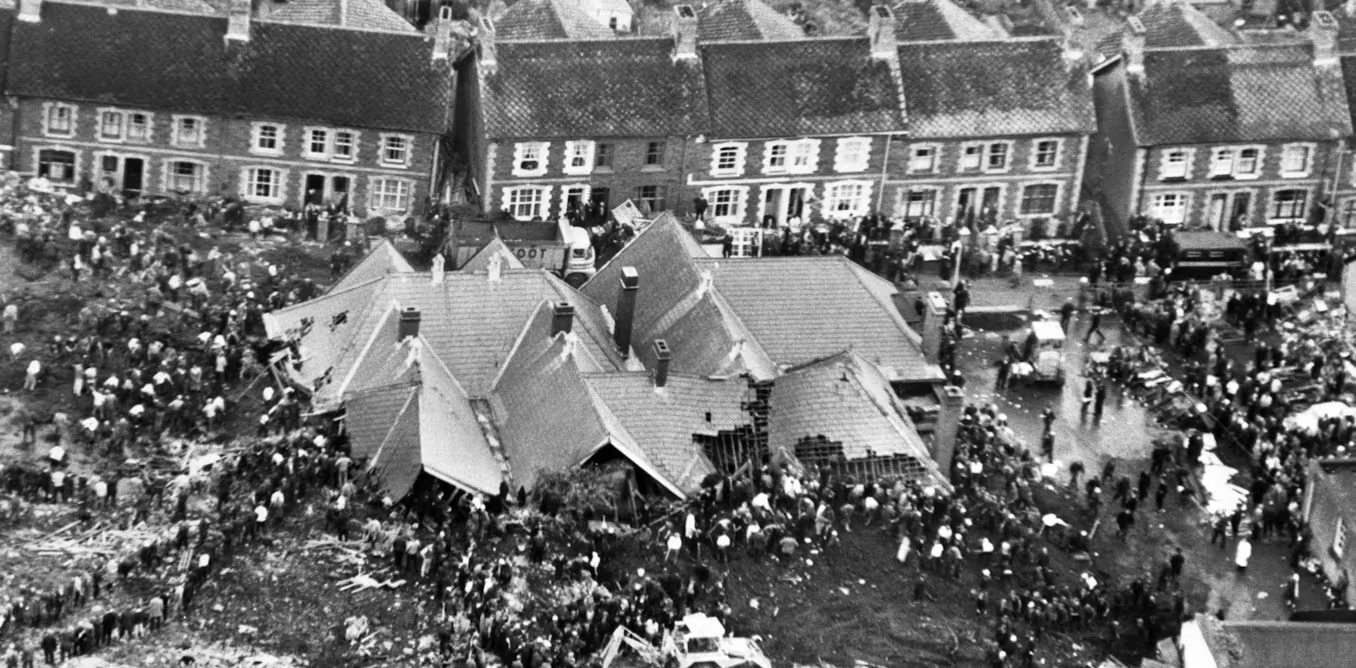
On October 21, 1966, the Aberfan disaster occurred in Wales when a colliery spoil tip collapsed onto the village, killing 144 people including 116 children. Thi...
Read More →
The acquisition of land for the Model Town Society was one of the most remarkable and spirited chapters in its early history. Dewan Khem Chand and his...

Between 1921 and 1924, the land for Model Town Lahore was acquired in successive phases. The process began in 1921, shortly after the establishment of...
No comments yet. Be the first to comment!