
Syed Shayan Real Estate Archive
Syed Shayan Real Estate Archive
From Real Estate History
On This Date
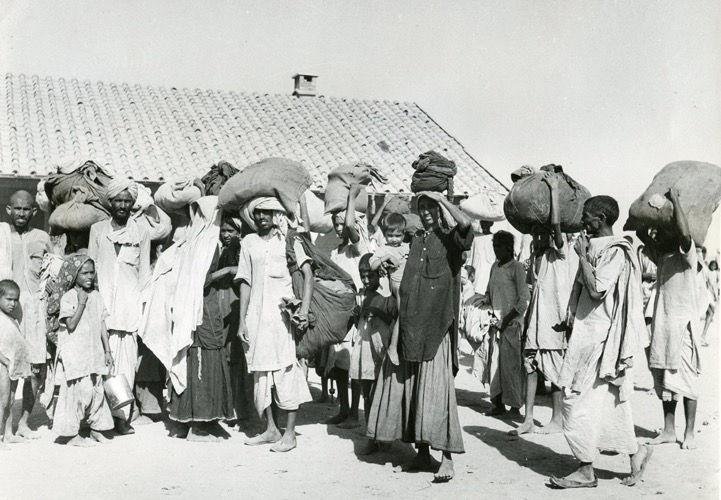
Pakistan emerged as an independent state. But viewed through the lens of real estate and urban history, the day also marked the beginning of one of the most extraordinary transformations of land, housing and property ownership in South Asia.
Partition did not merely create new international borders. It separated families from homes, owners from properties and communities from neighbourhoods that in many cases had developed over generations.
More than 15 million people were displaced during the upheaval surrounding Partition, according to historical material preserved by the Citizens Archive of Pakistan. Muslims travelled towards the newly created Pakistan while large numbers of Hindus and Sikhs left areas that became part of Pakistan.
The movement created an immediate housing crisis.
Thousands of arriving families reached cities and towns without permanent accommodation. Temporary refugee camps were established, including the major Walton camp in Lahore, as authorities and volunteers struggled to provide shelter and basic facilities to the rapidly arriving population.
At the same time, houses, shops, commercial premises, agricultural land and other assets were being left behind by people migrating in the opposite direction.
These properties subsequently became part of what came to be known as evacuee property, creating one of the most complex property-management and redistribution challenges faced by the new state.
Academic research on Pakistan’s early years records that properties abandoned by departing Hindus and Sikhs were redistributed to incoming refugees. The process involved valuable urban and rural assets and ultimately required extensive administrative, legal and institutional arrangements.
For Pakistan’s cities, the consequences were profound.
Karachi, which became Pakistan’s first federal capital, experienced rapid population growth as refugees and migrants arrived. The Karachi Development Authority’s historical account identifies migration and refugee settlement as major forces behind the city’s subsequent growth.
Housing demand increased, new settlements expanded and the relationship between population, land and urban infrastructure changed rapidly.
Lahore experienced a similarly dramatic transition.
Refugees arriving from across the new border required immediate shelter and later permanent housing. Existing residential properties, refugee camps and subsequently allocated properties all became part of a much larger process through which the post-Partition city was reorganised.
The transformation was not limited to major metropolitan areas.
Across Punjab, Sindh and other parts of the newly created country, the movement of populations changed patterns of ownership and occupation of houses, agricultural holdings, commercial properties and neighbourhoods.
For real estate history, 14 August 1947 therefore represents more than the creation of a new country.
It represents the beginning of a fundamental reorganisation of who lived where, who occupied which property, how abandoned assets were administered and how cities accommodated a massive new demand for housing.
The consequences continued for years as Pakistan developed legal and administrative mechanisms for refugee rehabilitation, property claims and the management or transfer of evacuee assets.
Some of the country’s later urban expansion can also be understood against this background. New communities required homes, roads, markets, public facilities and employment centres, increasing pressure on already existing cities and encouraging their geographical expansion.
The story also carries an important lesson for modern urban planning.
Real estate is not shaped only by prices, developers and construction. Political boundaries, population movement and government decisions can alter the ownership and use of land on an enormous scale.
On 14 August 1947, Pakistan acquired political independence.
At the same historical moment, it inherited an immense challenge of housing people, managing abandoned property and rebuilding urban life after one of the largest population movements of the twentieth century.
That makes Partition and Independence one of the most consequential chapters in Pakistan’s real estate and urban development history.
▪️Syed Shayan Real Estate Archive
▪ Reference(s):
On This Date
14 اگست 1947 کو پاکستان ایک آزاد ملک کے طور پر وجود میں آیا، لیکن اگر اس تاریخی دن کو رئیل اسٹیٹ اور شہری ترقی کے نقطۂ نظر سے دیکھا جائے تو یہ گھروں، زمینوں اور جائیدادوں کی ملکیت میں ایک بہت بڑی تبدیلی کا آغاز بھی تھا۔
تقسیم ہند نے صرف نئی سرحدیں قائم نہیں کیں بلکہ لاکھوں لوگوں کو ان کے گھروں، زمینوں، دکانوں اور آبائی علاقوں سے بھی جدا کردیا۔
سٹیزنز آرکائیو آف پاکستان کے محفوظ تاریخی مواد کے مطابق 1947 کی تقسیم کے دوران ڈیڑھ کروڑ سے زیادہ افراد بے گھر ہوئے۔ بڑی تعداد میں مسلمان نئے قائم ہونے والے پاکستان کی طرف آئے جبکہ پاکستان میں شامل ہونے والے علاقوں سے بہت سے ہندو اور سکھ بھارت منتقل ہوئے۔
اس بڑے پیمانے کی نقل مکانی نے نئے ملک کے سامنے فوری طور پر رہائش کا بہت بڑا مسئلہ کھڑا کردیا۔
پاکستان پہنچنے والے ہزاروں خاندانوں کے پاس مستقل گھر موجود نہیں تھے۔ لاہور کے والٹن کیمپ سمیت مختلف مقامات پر عارضی مہاجر کیمپ قائم کیے گئے جہاں آنے والے خاندانوں کو وقتی پناہ اور بنیادی سہولتیں فراہم کرنے کی کوشش کی گئی۔
دوسری طرف بھارت منتقل ہونے والے افراد اپنے پیچھے گھر، دکانیں، کاروباری عمارتیں، زرعی زمینیں اور دوسری جائیدادیں چھوڑ رہے تھے۔
بعد میں ایسی جائیدادیں متروکہ املاک کے نظام کا حصہ بنیں اور ان کا انتظام اور تقسیم پاکستان کی ابتدائی حکومت کے سامنے ایک بڑا قانونی اور انتظامی چیلنج بن گئی۔
پاکستان کی ابتدائی تاریخ پر ہونے والی علمی تحقیق بتاتی ہے کہ ہجرت کرکے جانے والے ہندوؤں اور سکھوں کی چھوڑی ہوئی بہت سی جائیدادیں آنے والے مہاجرین کی آبادکاری کے لیے استعمال اور تقسیم کی گئیں۔ اس عمل میں شہروں اور دیہی علاقوں دونوں کی قیمتی جائیدادیں شامل تھیں۔
اس تبدیلی کے اثرات پاکستان کے بڑے شہروں پر بہت گہرے پڑے۔
کراچی نئے ملک کا پہلا وفاقی دارالحکومت بنا اور یہاں بڑی تعداد میں مہاجرین پہنچے۔ کراچی ڈویلپمنٹ اتھارٹی بھی اپنی تاریخی تفصیل میں شہر کی ترقی میں مہاجرین اور مختلف علاقوں سے آنے والی آبادی کو ایک اہم عنصر قرار دیتی ہے۔
آبادی بڑھنے کے ساتھ گھروں کی ضرورت بڑھی، نئی آبادیاں وجود میں آئیں اور زمین، رہائش اور شہری سہولتوں کے درمیان پرانا توازن تیزی سے بدلنے لگا۔
لاہور کو بھی اسی نوعیت کی بڑی تبدیلی کا سامنا کرنا پڑا۔
سرحد پار سے آنے والے لوگوں کو پہلے فوری پناہ اور پھر مستقل رہائش درکار تھی۔ مہاجر کیمپ، پہلے سے موجود گھروں میں عارضی رہائش اور بعد میں جائیدادوں کی الاٹمنٹ، سب نئے لاہور کی تشکیل کے بڑے عوامل بنے۔
یہ تبدیلی صرف کراچی اور لاہور تک محدود نہیں رہی۔
پنجاب، سندھ اور پاکستان کے دوسرے علاقوں میں بڑے پیمانے پر آبادی کی نقل مکانی نے گھروں، زرعی زمینوں، بازاروں، دکانوں اور کئی محلوں کی ملکیت اور استعمال کا طریقہ بدل دیا۔
اسی لیے رئیل اسٹیٹ کی تاریخ میں 14 اگست 1947 صرف ایک نئے ملک کے قیام کا دن نہیں۔ یہ اس بڑے عمل کا آغاز بھی تھا جس میں یہ طے ہونا تھا کہ لوگ کہاں رہیں گے، خالی ہونے والی جائیدادوں کا انتظام کیسے ہوگا، مہاجر خاندانوں کو گھر اور زمین کیسے ملیں گے اور شہروں کو اچانک بڑھنے والی آبادی کے لیے کیسے تیار کیا جائے گا۔
اس مسئلے کے اثرات کئی سال تک جاری رہے اور پاکستان کو مہاجرین کی بحالی، جائیدادوں کے دعووں اور متروکہ املاک کے انتظام اور منتقلی کے لیے باقاعدہ قانونی اور انتظامی نظام قائم کرنا پڑا۔
اس دور نے پاکستان کی شہری ترقی پر بھی دیرپا اثر ڈالا۔
نئی آبادیوں کو صرف گھر نہیں بلکہ سڑکیں، بازار، روزگار، تعلیمی ادارے اور دوسری شہری سہولتیں بھی درکار تھیں۔ اس ضرورت نے شہروں کے پھیلاؤ اور نئی رہائشی آبادیوں کی تشکیل کو مزید اہم بنادیا۔
یہ تاریخ آج کی شہری منصوبہ بندی کے لیے بھی ایک اہم سبق رکھتی ہے۔
جائیداد اور زمین کی دنیا صرف قیمتوں، تعمیرات اور ڈویلپرز سے نہیں بدلتی۔ سیاسی فیصلے، نئی سرحدیں اور بڑے پیمانے پر آبادی کی نقل مکانی بھی زمین کے استعمال اور ملکیت کا پورا نقشہ تبدیل کرسکتی ہے۔
14 اگست 1947 کو پاکستان نے آزادی حاصل کی، لیکن اسی وقت نئے ملک کے سامنے لاکھوں لوگوں کو بسانے، متروکہ جائیدادوں کا انتظام کرنے اور نئے شہری نظام کی بنیاد رکھنے کا ایک غیر معمولی چیلنج بھی آ کھڑا ہوا۔
اسی وجہ سے قیامِ پاکستان اور تقسیم متحدہ ہندوستان کا دور پاکستان کی رئیل اسٹیٹ اور شہری ترقی کی تاریخ کے اہم ترین ابواب میں شمار کیا جاسکتا ہے۔

On November 17, 1994, the Peshawar Development Authority (PDA) began its first Ring Road Housing Expansion Scheme to reduce congestion inside the historical cor...
Read More →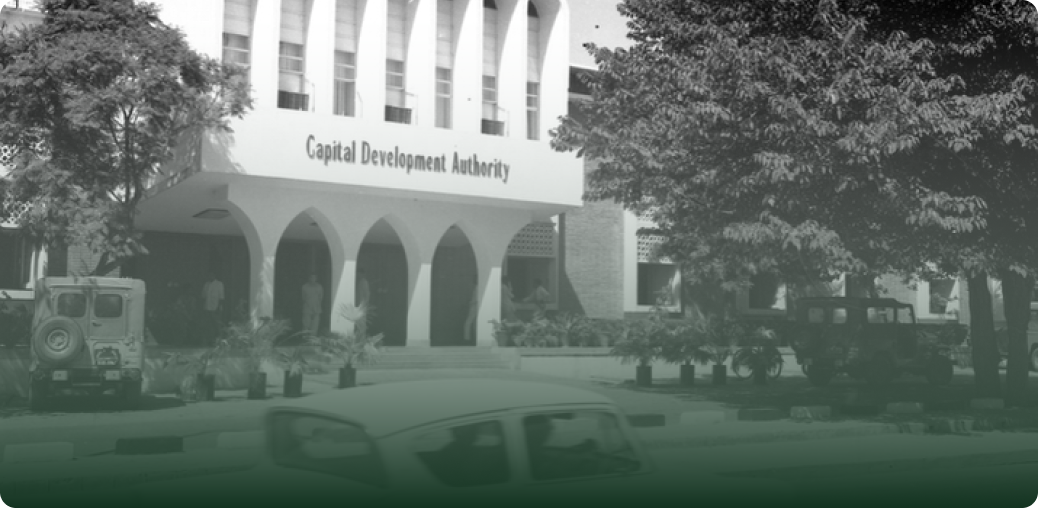
On November 10, 1992, the Capital Development Authority of Pakistan announced a major plan to expand Islamabad toward the southern side of the city. The plan in...
Read More →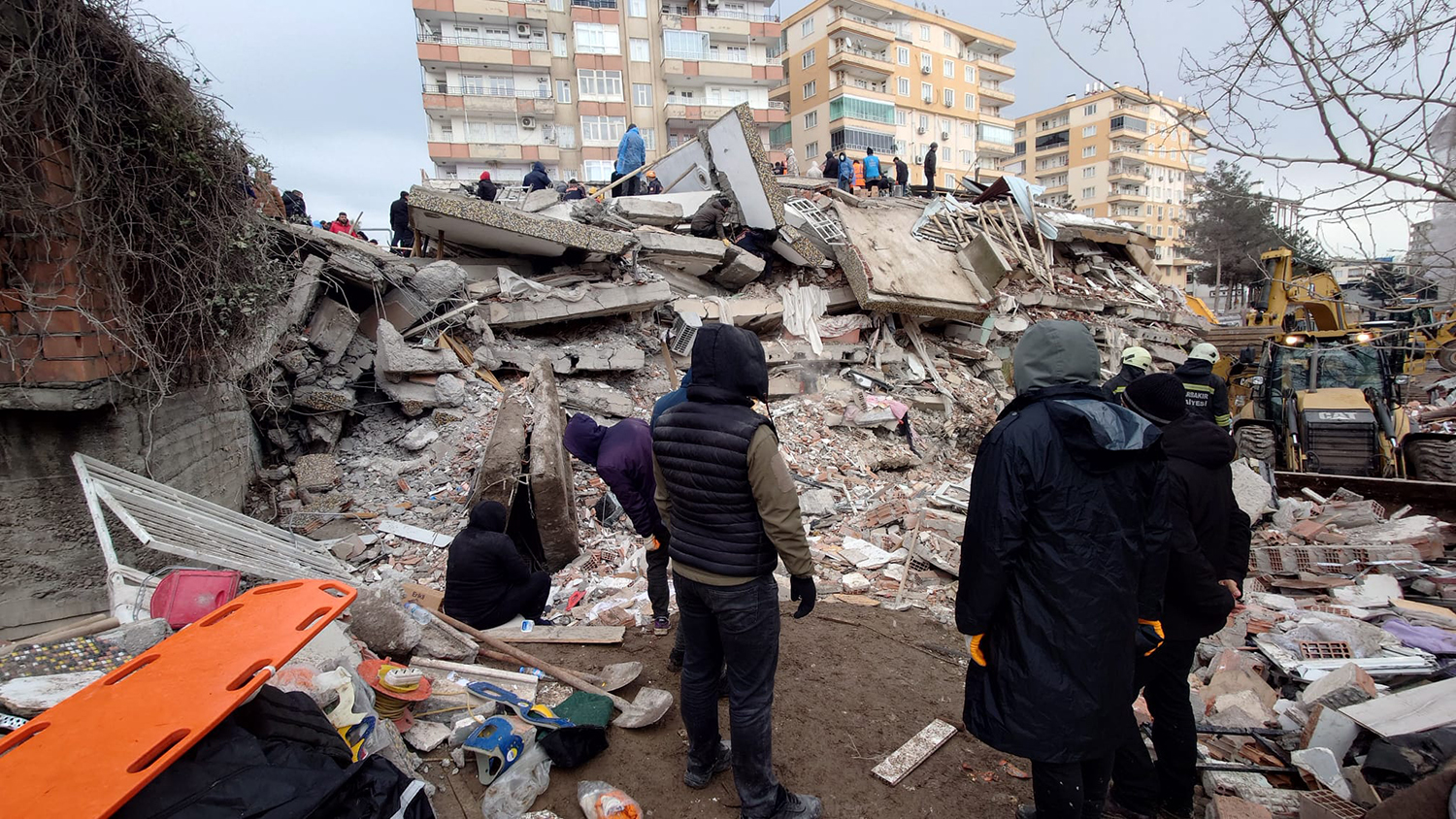
On October 21, 2005, following the devastating earthquake of October 8, the Government of Pakistan announced a comprehensive reconstruction package for earthqua...
Read More →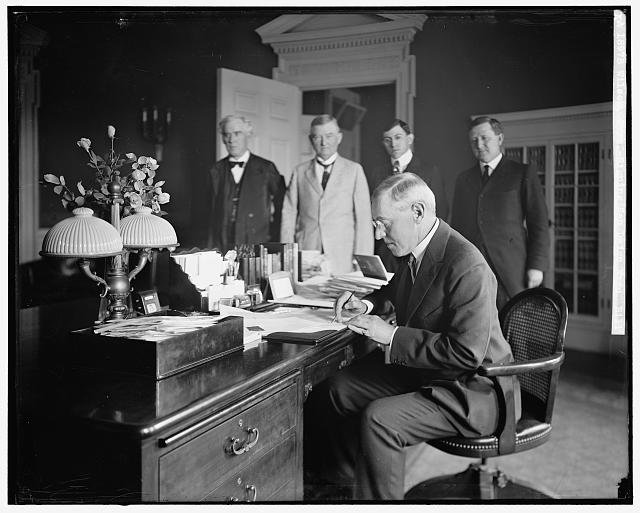
On August 25, 1916, US President Woodrow Wilson signed legislation creating the National Park Service, establishing a unified federal system for managing some o...
Read More →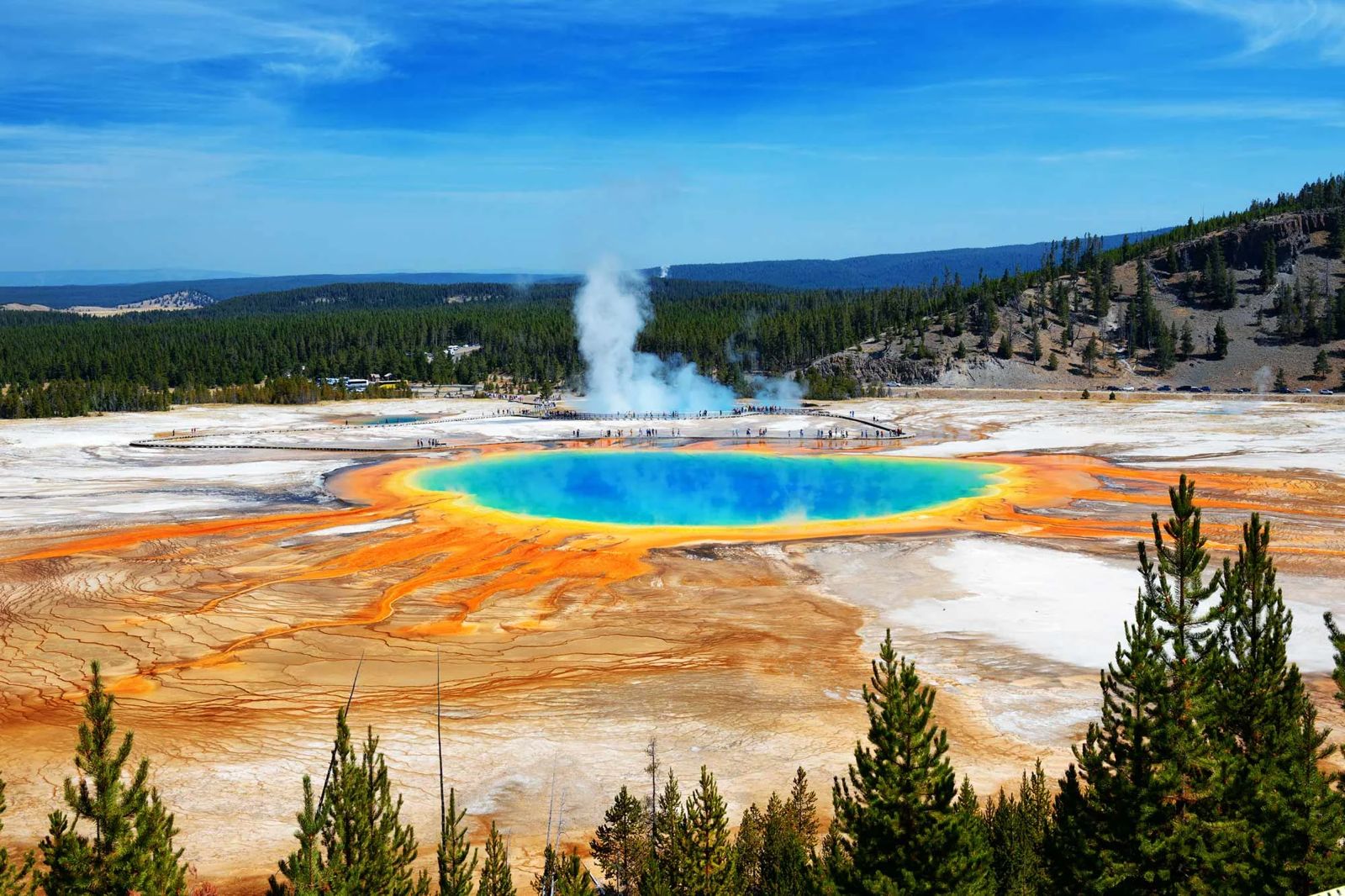
US President Ulysses S. Grant signed the Yellowstone National Park Protection Act on 1 March 1872, thereby formally creating the world’s first national park. On...
Read More →
The acquisition of land for the Model Town Society was one of the most remarkable and spirited chapters in its early history. Dewan Khem Chand and his...

Between 1921 and 1924, the land for Model Town Lahore was acquired in successive phases. The process began in 1921, shortly after the establishment of...
No comments yet. Be the first to comment!