
Syed Shayan Real Estate Archive
Syed Shayan Real Estate Archive
From Real Estate History
On This Date
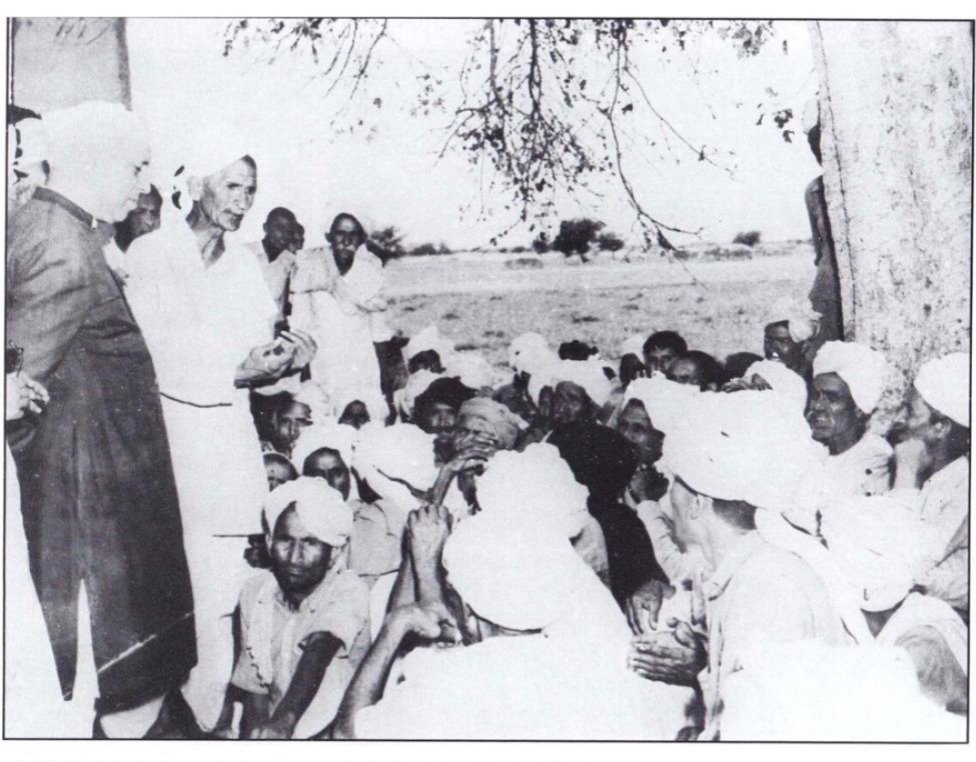
August 30, 1957, marked an important moment in the history of urban development and housing in New Delhi, when around 1,000 farmers from villages on the outskirts of the capital protested against the acquisition of their land for a government housing scheme and the construction of a major medical institution. The farmers came to meet Prime Minister Jawaharlal Nehru, raising concerns about the loss of their agricultural land to expanding urban development.
At the time, New Delhi was expanding rapidly, and the growth of the capital was placing increasing pressure on surrounding agricultural areas. The farmers feared that their land could ultimately be transferred to wealthy companies or housing societies, which could acquire land at relatively low prices and later sell it at substantially higher values. Nehru acknowledged these concerns and expressed his disapproval of cases in which housing companies had purchased land cheaply and made large profits by selling it at much higher prices.
The broader issue was how Delhi should accommodate its growing population without allowing uncontrolled development to overwhelm surrounding communities. Nehru argued that the expansion of a major city could not simply be stopped. However, he stressed that urban growth could take place either through proper planning or in a haphazard manner. In his view, uncontrolled expansion would particularly hurt farmers living around the city, who could be pressured into selling fragmented parcels of land without adequate arrangements for their future housing and livelihoods.
Nehru therefore advocated a more organized approach to Delhi’s expansion, one that would take into account both the requirements of urban development and the interests of the affected rural population. He did not announce an immediate final decision on the land acquisition issue, but promised to examine what was being proposed and how the interests of the farmers could be protected.
The episode is significant in real estate and urban development history because it brought together several issues that remain central to modern cities: land acquisition, housing development, urban expansion, agricultural land conversion and the protection of local communities.
The events of August 30, 1957, therefore offer an early example of a debate that continues across rapidly growing cities today: how can urban development expand while ensuring that the people whose land makes that expansion possible are not left behind?
▪️Syed Shayan Real Estate Archive
▪ Reference(s):
On This Date
30 اگست 1957 کو بھارت کے دارالحکومت نئی دہلی میں شہری توسیع، ہاؤسنگ اور زمین کے استعمال سے متعلق ایک اہم واقعہ پیش آیا، جب دہلی کے مضافاتی علاقوں کے تقریباً ایک ہزار کسان اپنی زمینیں سرکاری ہاؤسنگ سکیم اور ایک بڑے طبی ادارے کی عمارت کے لیے حاصل کیے جانے کے خلاف احتجاج کرنے وزیراعظم جواہر لعل نہرو کی رہائش گاہ پہنچے۔ تاریخی ریکارڈ کے مطابق کسان چار دیہات سے آئے تھے اور انہیں اپنی زرعی زمین کے شہری منصوبوں کے لیے حصول پر اعتراض تھا۔
اس وقت نئی دہلی تیزی سے پھیل رہا تھا اور شہری آبادی میں اضافے کے باعث اردگرد کے دیہی علاقوں کی زمینیں ہاؤسنگ اور دیگر تعمیراتی منصوبوں کے لیے اہم ہوتی جا رہی تھیں۔ کسانوں کو اندیشہ تھا کہ ان کی زمینیں بڑی کمپنیوں یا ہاؤسنگ سوسائٹیز کے پاس چلی جائیں گی، جہاں انہیں کم قیمت پر زمین خرید کر زیادہ قیمت پر فروخت کرنے سے بھاری منافع حاصل ہوگا۔ نہرو نے بھی اس خدشے کو نظرانداز نہیں کیا اور ماضی میں بعض ہاؤسنگ کمپنیوں کی جانب سے زمین سستے داموں خرید کر مہنگے داموں فروخت کرنے پر ناپسندیدگی کا اظہار کیا۔
نہرو کے سامنے اصل سوال یہ تھا کہ دہلی کی بڑھتی ہوئی شہری آبادی اور پھیلاؤ کو کیسے منظم کیا جائے۔ ان کے مطابق بڑے شہر کی ترقی کو مکمل طور پر روکا نہیں جا سکتا، لیکن یہ توسیع منصوبہ بند یا بے ہنگم دونوں طریقوں سے ہو سکتی ہے۔ انہوں نے اس بات پر زور دیا کہ اگر شہری پھیلاؤ بغیر منصوبہ بندی کے جاری رہا تو سب سے زیادہ نقصان اردگرد کے کسانوں کو ہوگا، کیونکہ وہ اپنی زمین کے چھوٹے چھوٹے حصے فروخت کرنے پر مجبور ہو سکتے ہیں اور ان کی مستقبل کی رہائش کے لیے مناسب انتظام نہیں ہوگا۔
یہ واقعہ رئیل اسٹیٹ اور اربن ڈویلپمنٹ کی تاریخ میں اس لیے اہم ہے کہ اس نے شہری توسیع، زمین کے حصول، ہاؤسنگ، زرعی زمین کے تحفظ اور منصوبہ بند ترقی کے درمیان تعلق کو نمایاں کیا۔ نہرو نے فوری طور پر حتمی فیصلہ دینے کے بجائے معاملے کا دوبارہ جائزہ لینے اور کسانوں کے مفادات کے تحفظ کے طریقہ کار کو دیکھنے کا وعدہ کیا۔
30 اگست 1957 کا یہ واقعہ آج بھی اس بنیادی سوال کی یاد دلاتا ہے کہ شہروں کی ترقی کے ساتھ زمین کے مالکان، کسانوں اور مقامی آبادی کے مفادات کو کس طرح متوازن کیا جائے۔
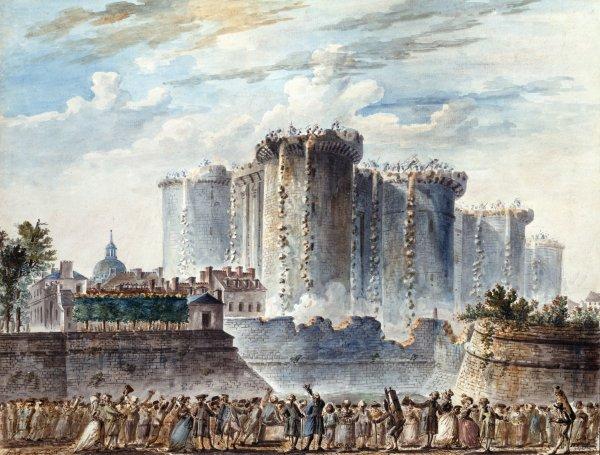
Citizens of Paris stormed and captured the Bastille, a fortified royal prison that had become one of the most powerful symbols of absolute monarchy. The event b...
Read More →
On October 2, 2006, Pakistan’s Aga Khan Planning and Building Service (AKPBS) received the 2006 World Habitat Award during the global celebration of World Habit...
Read More →.jpg)
On October 18, 2017, Saudi Arabia officially announced the historic decision to lift the decades-long ban on women driving, marking a major step toward gender e...
Read More →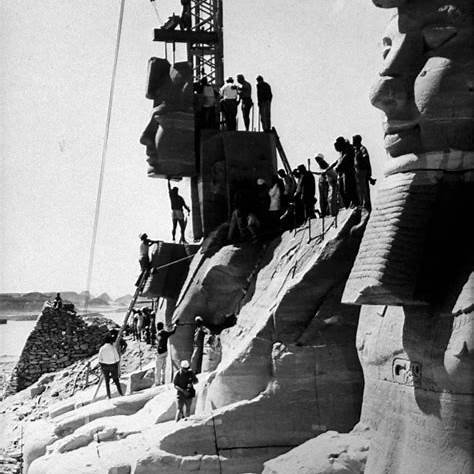
On August 12, 1965, one of the most remarkable preservation projects in the history of the built environment entered a decisive phase in Nubia, southern Egypt, ...
Read More →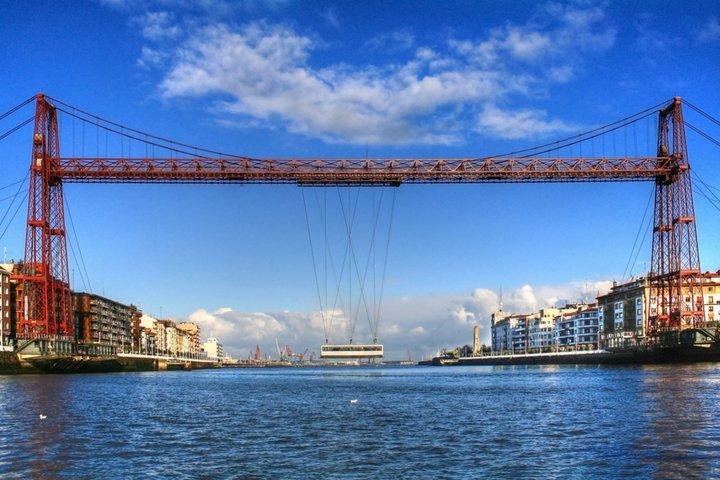
The Vizcaya Bridge opened to the public in northern Spain. Recognised as the world’s first transporter bridge, it introduced a new approach to bridge constructi...
Read More →
The acquisition of land for the Model Town Society was one of the most remarkable and spirited chapters in its early history. Dewan Khem Chand and his...

Between 1921 and 1924, the land for Model Town Lahore was acquired in successive phases. The process began in 1921, shortly after the establishment of...
No comments yet. Be the first to comment!