
Syed Shayan Real Estate Archive
Syed Shayan Real Estate Archive
From Real Estate History
On This Date
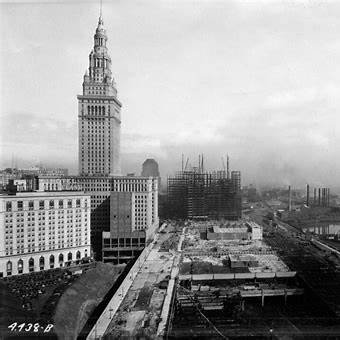
On 18 August 1927, workers marked a major milestone in the construction of Cleveland’s Terminal Tower when a flag was raised above its completed steel frame.
Historical material held by Cleveland State University records that the steel skeleton had reached its full height on that date, marking the topping out of what would become one of America’s most recognisable early skyscrapers.
The tower ultimately rose 52 storeys and 708 feet above Cleveland’s Public Square.
But its importance to real estate history goes far beyond height.
Terminal Tower formed the centrepiece of the much larger Cleveland Union Terminal development: an ambitious project that combined railway infrastructure, offices, shops, hospitality and urban transport in the heart of downtown Cleveland.
The project was driven by brothers Oris P. and Mantis J. Van Sweringen, who were both real estate developers and railroad entrepreneurs.
Their original interest was closely connected with their suburban development at Shaker Heights. They wanted better transport links between the suburb and downtown Cleveland, but their plans eventually expanded into a much larger urban and commercial development centred on Public Square.
That link between property development and transport is what makes the project particularly relevant to modern real estate.
The Van Sweringens understood that better transport could increase the accessibility and attractiveness of land and property. Instead of treating the railway station as a stand-alone transport facility, they integrated it with commercial property and urban development.
In modern terminology, the idea closely resembles what is now described as transit-oriented development: concentrating offices, shops, services and other real estate around major transport connections.
The physical scale of the Cleveland Union Terminal project was extraordinary.
The Encyclopedia of Cleveland History records that its engineering involved foundations reaching approximately 250 feet below ground, the demolition of more than 1,000 buildings, and the construction of bridges and viaducts required for new railway approaches.
The Terminal Tower itself became the visual symbol of this redevelopment.
At 708 feet, it was the tallest building in the world outside New York City when completed and remained the tallest skyscraper outside New York until 1953.
Yet the wider property development was arguably even more significant.
When the Union Terminal formally opened in 1930, passengers could find shops and services inside the complex, while a department store and hotel were also connected with the development. Cleveland Historical describes the project as a multi-use “city within a city” concept that even preceded New York’s Rockefeller Center.
The project also changed the geography of downtown Cleveland.
Plans had previously focused much of the city’s civic development closer to the lakefront. The decision to locate the terminal at Public Square helped shift development pressure and commercial importance back towards the existing downtown centre.
For real estate history, that is an important lesson.
A major railway station, metro line, motorway or airport does not simply move people. It can change which land becomes commercially valuable, where offices and shops are built and where developers choose to invest.
Terminal Tower demonstrated this principle nearly a century ago.
The project connected a major transport investment with large-scale commercial real estate and became a defining part of Cleveland’s skyline and downtown identity.
On 18 August 1927, the flag raised above Terminal Tower therefore marked more than the completion of a skyscraper’s steel frame. It symbolised an early form of transport-led urban development in which infrastructure and real estate were planned as parts of the same investment strategy.
▪️Syed Shayan Real Estate Archive
▪ Reference(s):
On This Date
18 اگست 1927 کو امریکی شہر کلیولینڈ میں زیر تعمیر ٹرمینل ٹاور ایک اہم مرحلے پر پہنچی، جب اس کا فولادی ڈھانچہ اپنی مکمل بلندی تک پہنچ گیا اور اس کامیابی کی علامت کے طور پر عمارت کے اوپر پرچم لہرایا گیا۔
کلیولینڈ سٹیٹ یونیورسٹی کے محفوظ تاریخی ریکارڈ میں 18 اگست 1927 کی اس پیش رفت کا باقاعدہ ذکر موجود ہے۔
ٹرمینل ٹاور بعد میں 52 منزلہ اور 708 فٹ بلند عمارت کے طور پر مکمل ہوئی۔
لیکن جائیداد اور شہری ترقی کی تاریخ میں اس عمارت کی اہمیت صرف اس کی بلندی نہیں تھی۔
ٹرمینل ٹاور دراصل بہت بڑے کلیولینڈ یونین ٹرمینل منصوبے کا مرکزی حصہ تھی، جس میں ریلوے سٹیشن کے ساتھ دفاتر، دکانیں، ہوٹل اور دوسری کاروباری سہولتیں ایک ہی شہری مرکز میں جمع کی گئی تھیں۔
اس منصوبے کے پیچھے اوریس پی وان سویرنگن اور مینٹس جے وان سویرنگن نامی دو بھائی تھے، جو جائیداد کی ترقی کے ساتھ ریلوے کے کاروبار سے بھی وابستہ تھے۔
ان کی ابتدائی دلچسپی اپنے تیار کردہ رہائشی علاقے شیکر ہائٹس کو شہر کے مرکزی کاروباری علاقے سے بہتر آمدورفت کے ذریعے جوڑنا تھی، لیکن وقت کے ساتھ یہ منصوبہ ایک بہت بڑے شہری اور تجارتی منصوبے میں تبدیل ہوگیا۔
جائیداد کے شعبے کیلئے اس منصوبے کا سب سے اہم پہلو یہی تھا۔
منصوبہ سازوں نے یہ سمجھ لیا تھا کہ بہتر آمدورفت صرف سفر آسان نہیں کرتی بلکہ اس سے کسی علاقے کی زمین، دفاتر، دکانوں اور دوسری جائیدادوں کی اہمیت بھی بڑھ سکتی ہے۔
اسی لیے انہوں نے ریلوے سٹیشن کو الگ عمارت کے طور پر تعمیر کرنے کے بجائے اسے بڑے تجارتی اور شہری منصوبے کے ساتھ جوڑ دیا۔
آج ایسے منصوبوں میں آمدورفت کے بڑے مرکز کے اردگرد رہائش، دفاتر، کاروبار اور دوسری سہولتیں قائم کی جاتی ہیں تاکہ لوگوں کو سفر اور روزمرہ ضروریات ایک ہی علاقے میں میسر آسکیں۔
کلیولینڈ یونین ٹرمینل کی تعمیر کا حجم بھی غیر معمولی تھا۔
کیس ویسٹرن ریزرو یونیورسٹی کے تاریخی ریکارڈ کے مطابق منصوبے کیلئے ٹرمینل ٹاور کی بنیادیں تقریباً 250 فٹ گہرائی تک پہنچائی گئیں، ایک ہزار سے زیادہ عمارتیں مسمار کی گئیں اور ریلوے کیلئے متعدد پل اور راستے تعمیر کیے گئے۔
ٹرمینل ٹاور اس پورے منصوبے کی سب سے نمایاں عمارت بن گئی۔
708 فٹ بلند یہ ٹاور مکمل ہونے کے وقت نیویارک سے باہر دنیا کی بلند ترین عمارت تھی اور 1953 تک یہ مقام برقرار رہا۔
تاہم جائیداد کے نقطۂ نظر سے اصل اہمیت اس کے اردگرد بننے والے پورے منصوبے کی تھی۔
1930 میں یونین ٹرمینل کے باقاعدہ افتتاح کے بعد مسافر ایک ہی عمارت میں دکانوں اور مختلف خدمات سے فائدہ اٹھا سکتے تھے، جبکہ ایک بڑا کاروباری سٹور اور ہوٹل بھی اسی منصوبے سے منسلک تھے۔
کلیولینڈ کے تاریخی ریکارڈ میں اس منصوبے کو ایک ایسے کثیرالمقاصد شہری مرکز کے طور پر بیان کیا گیا ہے، جہاں آمدورفت، کاروبار اور دوسری شہری سہولتوں کو ایک جگہ جمع کیا گیا تھا۔
اس منصوبے نے کلیولینڈ شہر کے کاروباری نقشے کو بھی متاثر کیا۔
اس سے پہلے شہر کی بعض بڑی سرکاری اور شہری ترقیاتی سرگرمیوں کا رخ جھیل کے کنارے کی طرف رکھنے کا منصوبہ تھا، لیکن پبلک سکوائر میں نئے ٹرمینل کی تعمیر نے کاروباری سرگرمیوں اور ترقی کا مرکز دوبارہ شہر کے موجودہ مرکزی علاقے کی طرف مضبوط کردیا۔
جائیداد کے شعبے کیلئے اس تاریخ میں ایک اہم سبق موجود ہے۔
کوئی بڑا ریلوے سٹیشن، شہری ریل، موٹروے یا ہوائی اڈہ صرف لوگوں کی آمدورفت نہیں بدلتا بلکہ یہ بھی طے کرسکتا ہے کہ مستقبل میں کون سی زمین زیادہ اہم ہوگی، دفاتر اور دکانیں کہاں بنیں گی اور سرمایہ کار کس علاقے کا رخ کریں گے۔
ٹرمینل ٹاور اور اس کے اردگرد قائم ہونے والے منصوبے نے تقریباً ایک صدی پہلے یہی اصول عملی طور پر دکھایا تھا۔
18 اگست 1927 کو ٹرمینل ٹاور کے اوپر لہرایا جانے والا پرچم صرف ایک بلند عمارت کے فولادی ڈھانچے کی تکمیل کی علامت نہیں تھا بلکہ ایسے شہری ترقیاتی تصور کی نشانی بھی تھا جس میں آمدورفت اور جائیداد کو ایک ہی منصوبے کے دو اہم حصوں کے طور پر دیکھا گیا۔

On November 6, 1853, the French Emperor Napoleon III appointed Baron Georges Eugène Haussmann as Prefect of the Seine, launching one of the most transformative ...
Read More →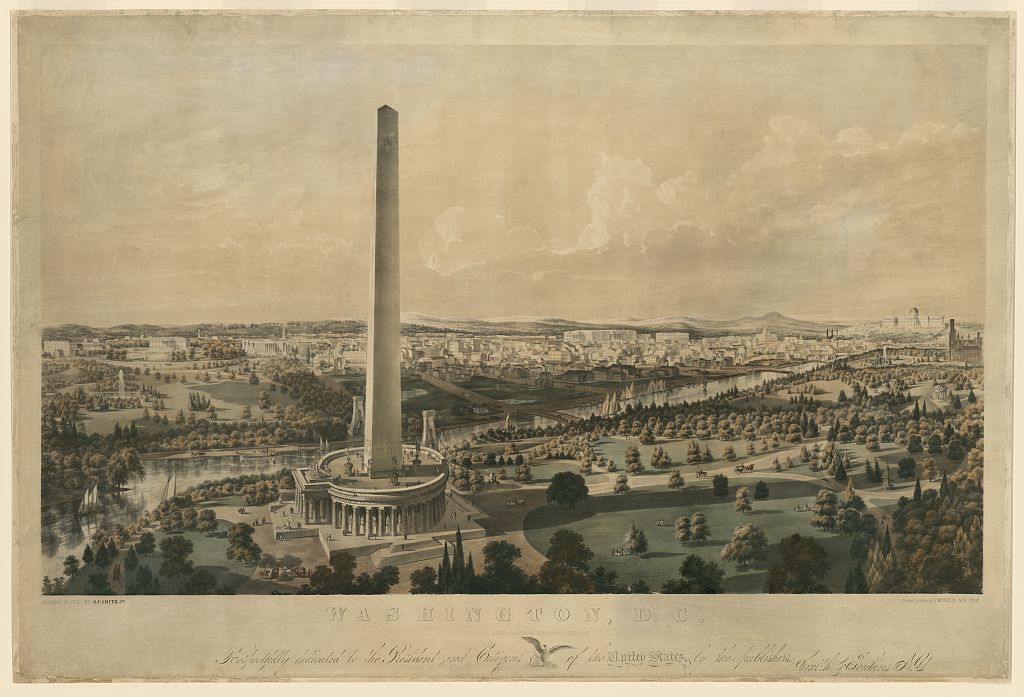
On October 9, 1888, the Washington Monument in Washington D.C. was officially opened to the public. Standing 555 feet tall, it was the tallest man-made structur...
Read More →
On October 9, 1874, representatives from twenty-two nations gathered in Bern, Switzerland, to establish the Universal Postal Union (UPU) — a pioneering global f...
Read More →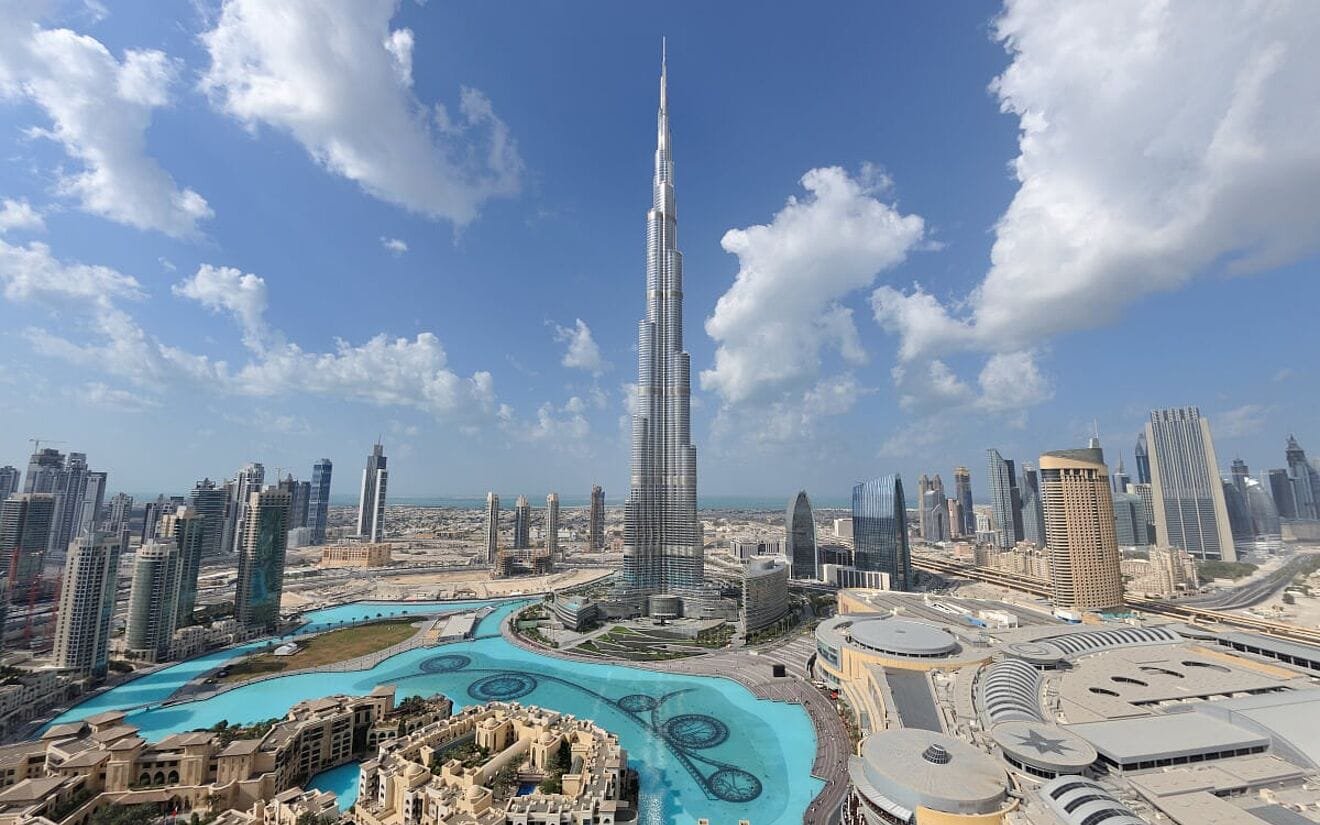
Few construction projects in modern history have transformed the image of a city as dramatically as Burj Dubai, the tower that would later be renamed Burj Khali...
Read More →
On November 9, 1996, the Lahore Development Authority (LDA) initiated the Shahdara Low Income Housing Project to address rising urban population pressures and i...
Read More →
The acquisition of land for the Model Town Society was one of the most remarkable and spirited chapters in its early history. Dewan Khem Chand and his...

Between 1921 and 1924, the land for Model Town Lahore was acquired in successive phases. The process began in 1921, shortly after the establishment of...
No comments yet. Be the first to comment!