
Syed Shayan Real Estate Archive
Syed Shayan Real Estate Archive
From Real Estate History
On This Date
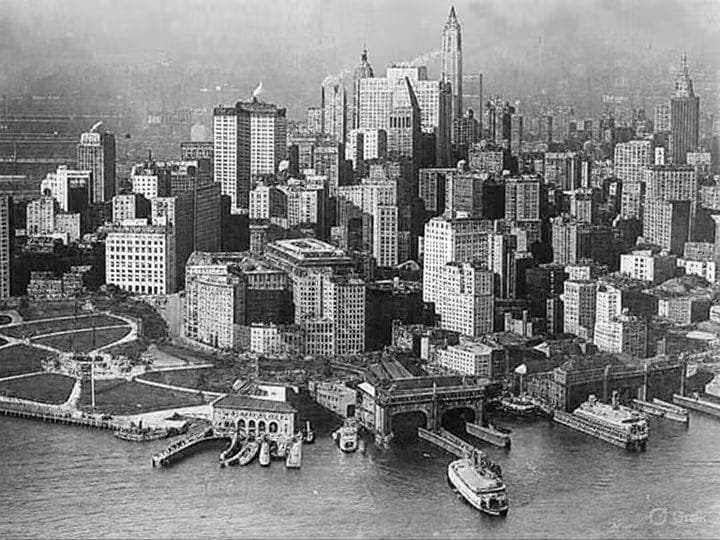
On September 2, 1922, New York’s real estate market was already showing signs of a transformation that would reshape parts of Manhattan. The Real Estate Record and Builders’ Guide, one of the era’s important property and construction publications, devoted a major feature to renewed activity along Third Avenue, describing a wave of buying, redevelopment and modernization that was changing one of Manhattan’s oldest north-south commercial thoroughfares.
The report is particularly significant because it captured the real-estate market at a moment when old buildings were increasingly being viewed not simply as ageing properties, but as redevelopment opportunities. Third Avenue, stretching from the Bowery and Cooper Square toward the Harlem River, had experienced substantial property activity during the preceding six months. According to the publication, purchases were being made by both professional operators and investors, while merchants themselves were becoming increasingly important participants in the market.
From Old Tenements to Modern Property
Third Avenue had a long history as a transportation and commercial corridor. The publication noted that the avenue had once been associated with early horse-car transportation and later with one of New York’s pioneering elevated railway routes. Its surrounding neighbourhoods were densely populated, creating a strong customer base for local retailers.
But much of the property stock remained old. Three- and four-storey tenement buildings with ground-floor shops dominated large sections of the avenue. Many had been constructed decades earlier and lacked the modern storefronts and facilities increasingly demanded by businesses and consumers.
The 1922 report argued that these outdated buildings had contributed to declining property values. Yet it also identified an opportunity: modernization could restore and potentially increase the value of the land and buildings.
The emerging redevelopment cycle was unusual because existing shopkeepers were helping drive it. Merchants who feared rising rents elsewhere increasingly chose to purchase the buildings in which their businesses operated. Their purchases attracted professional real-estate operators, who began acquiring older properties from long-established owners, renovating them and selling or leasing them to businesses and investors.
Transit, Commerce and Rising Property Values
Transportation was another major factor behind the revival. The report highlighted the importance of the rapid-transit route running through nearby Lexington Avenue, effectively giving Third Avenue access to another major transportation corridor.
The changing commercial environment was also visible on the street. Restaurants were replacing some saloons, while specialty shops, book stores, furniture retailers, jewellers, florists, druggists and other businesses were expanding their presence.
Longer commercial leases were becoming increasingly common. One notable example cited by the publication involved United Cigar Stores, which leased old buildings at Third Avenue and East 86th Street for 21 years, with a renewal option. The aggregate rental was reported at approximately $500,000 net, while the site was expected to receive a modern business building.
The report connected the property revival to wider post-World War I economic conditions. Construction costs had risen sharply, making existing buildings comparatively valuable. At the same time, merchants seeking affordable commercial locations were increasingly attracted to Third Avenue.
The September 2, 1922 record therefore offers more than a snapshot of an old New York property market. It documents a familiar real-estate phenomenon: ageing buildings, changing transportation patterns, rising commercial demand and redevelopment combining to transform an established urban corridor.
More than a century later, the account remains a remarkable historical example of how property values can be reshaped when infrastructure, commerce, investment and redevelopment converge.
▪️Syed Shayan Real Estate Archive
▪ Reference(s):
On This Date
2 ستمبر 1922 کو نیویارک کی رئیل اسٹیٹ مارکیٹ میں ایسی تبدیلی کے آثار نمایاں ہو چکے تھے جو بعد ازاں مین ہٹن کے مختلف علاقوں کی شکل بدلنے کا باعث بنی۔ اس دور کے اہم پراپرٹی اور تعمیراتی جریدے دی رئیل اسٹیٹ ریکارڈ اینڈ بلڈرز گائیڈ نے تھرڈ ایونیو میں بڑھتی ہوئی سرگرمیوں پر ایک اہم رپورٹ شائع کی، جس میں خرید و فروخت، ازسرنو ترقی اور جدید تعمیرات کے ذریعے مین ہٹن کی قدیم شمالی جنوبی تجارتی شاہراہوں میں آنے والی تبدیلیوں کو اجاگر کیا گیا۔
یہ رپورٹ اس لحاظ سے بھی اہم ہے کہ اس نے ایسے وقت میں رئیل اسٹیٹ مارکیٹ کی تصویر پیش کی جب پرانی عمارتوں کو صرف خستہ حال یا فرسودہ جائیداد سمجھنے کے بجائے نئی تعمیر اور ترقی کے مواقع کے طور پر دیکھا جانے لگا تھا۔ تھرڈ ایونیو، جو باؤری اور کوپر سکوائر سے شروع ہو کر دریائے ہارلم کی سمت جاتی تھی، گزشتہ چھ ماہ کے دوران پراپرٹی سرگرمیوں کا مرکز بنی ہوئی تھی۔ جریدے کے مطابق پیشہ ور رئیل اسٹیٹ آپریٹرز اور سرمایہ کاروں کے ساتھ ساتھ کاروباری افراد بھی جائیداد کی خریداری میں تیزی سے دلچسپی لے رہے تھے۔
پرانی ٹینیمنٹ عمارتوں سے جدید پراپرٹی تک
تھرڈ ایونیو کی تاریخ نقل و حمل اور تجارت سے گہری وابستہ رہی ہے۔ رپورٹ کے مطابق یہ شاہراہ ابتدائی دور میں گھوڑا گاڑیوں کی ٹرام سروس اور بعد ازاں نیویارک کے اولین ایلیویٹڈ ریلوے روٹس میں سے ایک کے حوالے سے بھی اہمیت رکھتی تھی۔ اس کے اطراف میں آبادی کا گنجان ہونا مقامی کاروبار اور دکانوں کے لیے ایک مضبوط صارف مارکیٹ فراہم کرتا تھا۔
تاہم ایونیو کے بڑے حصے میں عمارتوں کا پرانا ڈھانچہ برقرار تھا۔ تین اور چار منزلہ ٹینیمنٹ عمارتیں، جن کے گراؤنڈ فلور پر دکانیں قائم تھیں، کئی مقامات پر نمایاں تھیں۔ ان میں سے بہت سی عمارتیں کئی دہائیاں قبل تعمیر ہوئی تھیں اور ان میں جدید کاروباری ضروریات کے مطابق اسٹور فرنٹس اور دیگر سہولیات موجود نہیں تھیں۔
1922 کی رپورٹ میں مؤقف اختیار کیا گیا کہ ان فرسودہ عمارتوں نے بعض علاقوں میں پراپرٹی ویلیوز میں کمی پیدا کی تھی، تاہم یہی صورتحال جدید تعمیرات کے لیے ایک موقع بھی بن رہی تھی۔ پرانی عمارتوں کو جدید تقاضوں کے مطابق تبدیل کرکے زمین اور جائیداد کی قدر میں دوبارہ اضافہ کیا جا سکتا تھا۔
اس بحالی کے عمل کی ایک نمایاں خصوصیت یہ تھی کہ اس میں موجودہ دکاندار اور کاروباری افراد بھی اہم کردار ادا کر رہے تھے۔ بعض تاجر بڑھتے ہوئے کرایوں سے بچنے کے لیے ان عمارتوں کو ہی خریدنے لگے جہاں ان کے کاروبار قائم تھے۔ ان خریداریوں نے پیشہ ور رئیل اسٹیٹ آپریٹرز کی توجہ بھی حاصل کی، جنہوں نے پرانے مالکان سے فرسودہ جائیدادیں خرید کر انہیں بہتر بنایا اور بعد ازاں کاروباری اداروں اور سرمایہ کاروں کو فروخت یا کرائے پر دینا شروع کیا۔
ٹرانزٹ، تجارت اور پراپرٹی ویلیوز میں اضافہ
نقل و حمل بھی اس رئیل اسٹیٹ بحالی کا ایک اہم عنصر تھا۔ رپورٹ میں قریبی لیکسنگٹن ایونیو سے گزرنے والے تیز رفتار ٹرانزٹ روٹ کی اہمیت کو اجاگر کیا گیا، جس نے تھرڈ ایونیو کو شہر کے ایک اور بڑے ٹرانسپورٹیشن کوریڈور سے جوڑ دیا۔
سڑک کے بدلتے ہوئے تجارتی ماحول کے اثرات بھی واضح طور پر دکھائی دینے لگے تھے۔ بعض مقامات پر سیلونز کی جگہ ریستوران قائم ہو رہے تھے، جبکہ خصوصی نوعیت کی دکانیں، کتابوں کی دکانیں، فرنیچر اسٹورز، جیولرز، پھول فروش، دوا ساز اور دیگر کاروبار بھی تیزی سے پھیل رہے تھے۔
طویل مدتی تجارتی لیز بھی عام ہوتی جا رہی تھیں۔ رپورٹ میں یونائیٹڈ سگار سٹورز کی ایک قابل ذکر مثال دی گئی، جس نے تھرڈ ایونیو اور ایسٹ 86th سٹریٹ پر واقع پرانی عمارتیں 21 سال کے لیے لیز پر حاصل کیں، جبکہ معاہدے میں تجدید کا اختیار بھی شامل تھا۔ مجموعی کرایہ تقریباً 5 لاکھ ڈالر نیٹ بتایا گیا اور توقع تھی کہ اس مقام پر ایک جدید کاروباری عمارت تعمیر کی جائے گی۔
رپورٹ نے رئیل اسٹیٹ مارکیٹ کی اس بحالی کو پہلی جنگ عظیم کے بعد کے وسیع تر معاشی حالات سے بھی جوڑا۔ تعمیراتی لاگت میں نمایاں اضافے نے موجودہ عمارتوں کو نسبتاً زیادہ قیمتی بنا دیا تھا، جبکہ کم لاگت والے تجارتی مقامات کی تلاش میں کاروباری افراد کی توجہ بھی تھرڈ ایونیو کی جانب بڑھ رہی تھی۔
2 ستمبر 1922 کی یہ رپورٹ محض نیویارک کی ایک قدیم پراپرٹی مارکیٹ کی تصویر نہیں بلکہ شہری رئیل اسٹیٹ کی تبدیلی کا ایک اہم تاریخی ریکارڈ بھی ہے۔ یہ ظاہر کرتی ہے کہ پرانی عمارتیں، بہتر ٹرانسپورٹیشن، بڑھتی ہوئی تجارتی طلب، سرمایہ کاری اور تعمیر نو جب ایک ساتھ آ جائیں تو کسی بھی شہری کوریڈور کی پراپرٹی ویلیو اور معاشی اہمیت کو تبدیل کر سکتے ہیں۔
ایک صدی سے زائد عرصہ گزرنے کے باوجود یہ تاریخی واقعہ اس بات کی قابل ذکر مثال ہے کہ بنیادی ڈھانچے، تجارت، سرمایہ کاری اور تعمیر نو کا امتزاج کس طرح کسی علاقے کی رئیل اسٹیٹ مارکیٹ کو نئی سمت دے سکتا ہے۔
On This Date
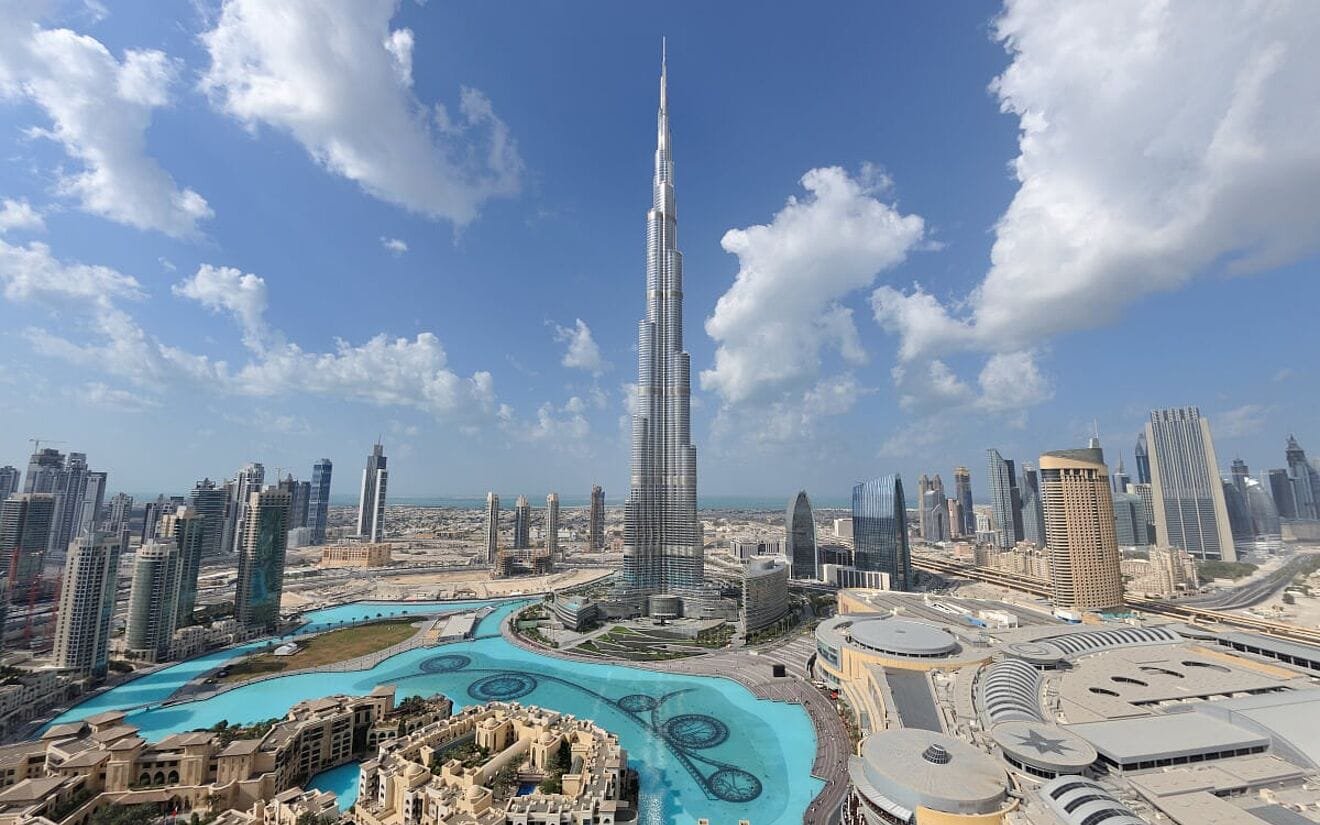
Few construction projects in modern history have transformed the image of a city as dramatically as Burj Dubai, the tower that would later be renamed Burj Khalifa. On September 3, 2008, it was declared the tallest man-made structure in the world. More than a skyscraper, it became a symbol of Dubai’s ambition to establish itself as a global destination for investment, tourism, business and luxury real estate.
The story began in January 2004, when excavation work started at the site in what would become Downtown Dubai. The project was developed by Emaar Properties, with architectural and engineering work led by Chicago based Skidmore, Owings & Merrill and architect Adrian Smith. The tower was designed not simply to be tall, but to establish a new benchmark for supertell construction.
Construction on Dubai’s sandy terrain presented major engineering challenges. The building rests on a massive reinforced concrete foundation supported by deep piles. Engineers developed a distinctive Y shaped structural plan, inspired by Islamic architectural forms, with three wings supporting a strong central core. This configuration helped provide the stability required for a tower of unprecedented height.
As construction accelerated, Burj Dubai began breaking records even before completion. In July 2007, it became the world's tallest building by architectural height. In September of the same year, it became the world's tallest free-standing structure, and in April 2008 it surpassed the previous record for the tallest man-made structure.
The engineering numbers were extraordinary. The project ultimately consumed around 330,000 cubic metres of concrete and 39,000 tonnes of reinforced steel, while construction involved approximately 22 million man hours. Engineers also achieved a world record by pumping high-performance concrete to a height of about 601 metres.
But the importance of Burj Dubai extended far beyond engineering. The tower became the centrepiece of Downtown Dubai, surrounded by residential, commercial, hospitality and retail development. In this sense, the project demonstrated how a landmark building can become an anchor for an entire real-estate district.
The financial crisis of 2008 created enormous challenges for Dubai’s property sector while construction was still underway. Yet the tower continued towards completion. Its structural works were topped out in January 2009, the exterior was completed in September 2009, and the building officially opened on January 4, 2010. By then, it had reached a final height of 828 metres, with 160 habitable storeys.
The project was subsequently renamed Burj Khalifa, and its opening transformed it into one of the world's most recognisable real estate landmarks.
Its greatest legacy may be the lesson it delivered to property developers: a landmark building can change the value and identity of an entire urban district. Burj Dubai was not simply a tower rising from the desert. It was part of a broader strategy of creating a destination where property, tourism, retail, hospitality and international investment could reinforce one another.
Today, Burj Khalifa remains the world's tallest building at 828 metres. Its construction demonstrated that modern real estate is not only about developing land—it can also be about creating an international identity around that land.
Burj Dubai ultimately changed the question from “How much can a city build?” to “How high can a city's ambition reach?”
▪️Syed Shayan Real Estate Archive
▪ Reference(s):
On This Date
جدید تاریخ میں چند ہی تعمیراتی منصوبے ایسے ہیں جنہوں نے کسی شہر کی شناخت کو اتنے نمایاں انداز میں تبدیل کیا جتنا برج دبئی نے کیا، جسے بعد ازاں برج خلیفہ کا نام دیا گیا۔ یہ عمارت 3 ستمبر 2008 کو دنیا کی بلند ترین عمارت قرار پائی۔یہ محض ایک بلند عمارت نہیں تھی بلکہ دبئی کے اس عزم کی علامت بن گئی کہ شہر کو عالمی سرمایہ کاری، سیاحت، کاروبار اور لگژری رئیل اسٹیٹ کا اہم مرکز بنایا جائے۔
اس منصوبے کی کہانی جنوری 2004 میں شروع ہوئی، جب اس مقام پر کھدائی کا کام شروع کیا گیا جہاں بعد میں ڈاؤن ٹاؤن دبئی وجود میں آیا۔ منصوبے کا ڈویلپر ایمار پراپرٹیز تھا، جبکہ اس کے ڈیزائن اور انجینئرنگ کی ذمہ داری شکاگو میں قائم فرم سکڈمور، اوونگز اینڈ میرل اور معروف ماہرِ تعمیرات ایڈرین سمتھ نے سنبھالی۔ عمارت کو صرف بلند بنانے کے بجائے بلند ترین عمارتوں کی تعمیر میں ایک نیا معیار قائم کرنے کے مقصد سے ڈیزائن کیا گیا تھا۔
دبئی کی ریتلی زمین پر اتنی بلند عمارت کی تعمیر انجینئرز کے لیے ایک بڑا چیلنج تھی۔ عمارت کی بنیاد مضبوط مسلح کنکریٹ کے ایک بڑے فاؤنڈیشن سسٹم پر قائم کی گئی، جسے گہری پائلز کا سہارا دیا گیا۔ انجینئرز نے عمارت کے لیے منفرد Y شکل کا سٹرکچرل پلان تیار کیا، جس میں اسلامی طرزِ تعمیر سے متاثر تین بازو ایک مضبوط مرکزی ڈھانچے کو سہارا دیتے ہیں۔ اس ڈیزائن نے عمارت کو غیر معمولی بلندی پر استحکام فراہم کرنے میں اہم کردار ادا کیا۔
تعمیراتی رفتار میں اضافے کے ساتھ برج دبئی نے تکمیل سے پہلے ہی کئی عالمی ریکارڈ اپنے نام کرنا شروع کر دیے۔ جولائی 2007 میں یہ تعمیراتی بلندی کے اعتبار سے دنیا کی بلند ترین عمارت بن گئی۔ اسی سال ستمبر میں یہ دنیا کا بلند ترین آزادانہ طور پر کھڑا رہنے والا ڈھانچہ قرار پایا، جبکہ اپریل 2008 میں اس نے انسانی ساختہ بلند ترین ڈھانچے کا سابقہ ریکارڈ بھی توڑ دیا۔
اس منصوبے کے تعمیراتی اعداد و شمار بھی غیر معمولی ہیں۔ عمارت کی تعمیر میں تقریباً 3 لاکھ 30 ہزار مکعب میٹر کنکریٹ اور 39 ہزار ٹن مسلح فولاد استعمال ہوا، جبکہ تعمیراتی عمل میں تقریباً 2 کروڑ 20 لاکھ افرادی گھنٹے صرف ہوئے۔ انجینئرز نے تقریباً 601 میٹر کی بلندی تک اعلیٰ معیار کا کنکریٹ پہنچا کر عالمی ریکارڈ بھی قائم کیا۔
تاہم برج دبئی کی اہمیت صرف انجینئرنگ تک محدود نہیں تھی۔ یہ ڈاؤن ٹاؤن دبئی کا مرکزی نقطہ بن گیا، جس کے اردگرد رہائشی، کمرشل، ہوٹل، ریٹیل اور دیگر رئیل اسٹیٹ منصوبے تشکیل پاتے گئے۔ یوں اس منصوبے نے یہ ثابت کیا کہ ایک منفرد اور عالمی معیار کی عمارت پورے شہری علاقے کی ترقی اور پراپرٹی مارکیٹ کے لیے مرکزی محرک بن سکتی ہے۔
2008 کا عالمی مالیاتی بحران دبئی کی پراپرٹی مارکیٹ کے لیے بھی ایک مشکل دور ثابت ہوا، تاہم برج دبئی کی تعمیر جاری رہی۔ عمارت کا اسٹرکچرل ڈھانچہ جنوری 2009 میں مکمل کیا گیا، بیرونی تعمیراتی کام ستمبر 2009 میں مکمل ہوا، جبکہ 4 جنوری 2010 کو عمارت کا باقاعدہ افتتاح کیا گیا۔ اس وقت عمارت کی حتمی بلندی 828 میٹر تھی اور اس میں 160 رہائشی منزلیں تھیں۔
بعد ازاں اس منصوبے کا نام تبدیل کرکے برج خلیفہ رکھ دیا گیا اور افتتاح کے بعد یہ دنیا کے معروف ترین رئیل اسٹیٹ اور تعمیراتی لینڈ مارکس میں شامل ہوگیا۔
برج دبئی کا سب سے بڑا سبق شاید یہ ہے کہ ایک منفرد اور تاریخی عمارت پورے شہری علاقے کی قدر اور شناخت تبدیل کر سکتی ہے۔ یہ محض صحرا میں بلند ہونے والا ایک ٹاور نہیں تھا بلکہ ایک وسیع تر شہری ترقیاتی حکمتِ عملی کا حصہ تھا، جس میں پراپرٹی، سیاحت، ریٹیل، ہوٹلنگ اور عالمی سرمایہ کاری کو ایک دوسرے سے جوڑا گیا۔
آج بھی برج خلیفہ 828 میٹر بلندی کے ساتھ دنیا کی بلند ترین عمارت ہے۔ اس کی تعمیر نے یہ ثابت کیا کہ جدید رئیل اسٹیٹ صرف زمین کو ترقی دینے کا نام نہیں بلکہ ایسی عالمی شناخت تخلیق کرنے کا عمل بھی ہے جو کسی شہر کی معاشی اور تجارتی اہمیت کو نئی بلندیوں تک پہنچا سکتی ہے۔
برج دبئی نے بالآخر یہ سوال بدل دیا کہ ایک شہر کتنا تعمیر کر سکتا ہے، اور دنیا کے سامنے یہ سوال رکھ دیا کہ ایک شہر کی امنگیں آخر کتنی بلند ہو سکتی ہیں۔
On July 27, 1953, the Korean Armistice Agreement was signed to halt three years of devastating warfare between North and South Korea. The historic agreement was...
Read More →
On October 29, 2004, construction began on Dubai's Burj Khalifa, transforming global real estate perceptions and establishing the Middle East as a major propert...
Read More →
On 10 March 1930, the 27th President of the United States, William Howard Taft, was laid to rest at the nation’s renowned national burial ground, Arlington Nati...
Read More →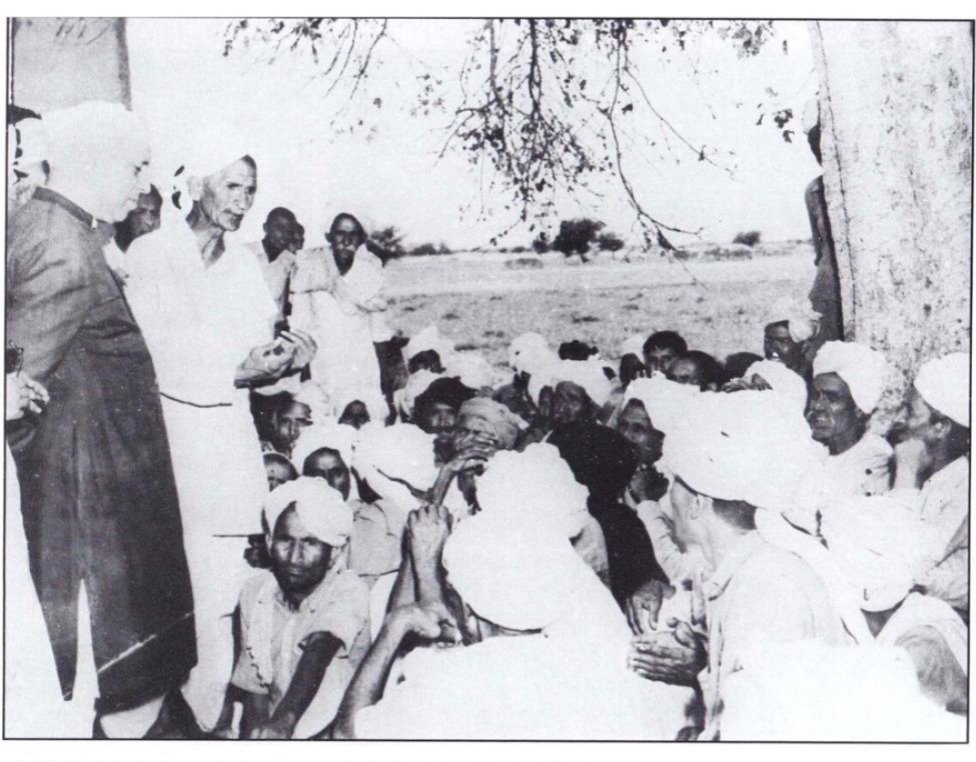
August 30, 1957, marked an important moment in the history of urban development and housing in New Delhi, when around 1,000 farmers from villages on the outskir...
Read More →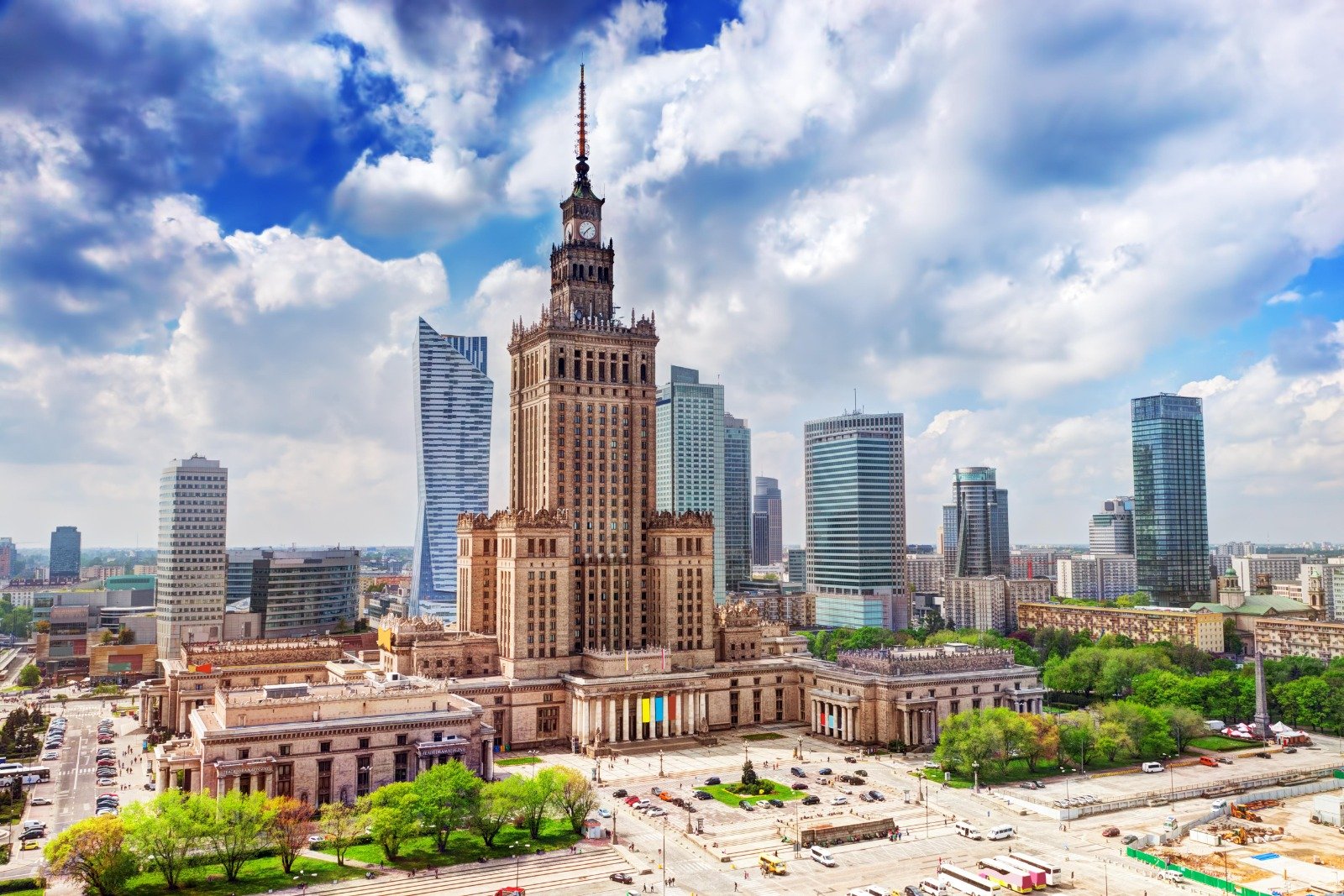
Warsaw’s Palace of Culture and Science opened its doors to the public for the first time. Construction had begun on 1 May 1952 and was completed on 21 July 1955...
Read More →
The acquisition of land for the Model Town Society was one of the most remarkable and spirited chapters in its early history. Dewan Khem Chand and his...

Between 1921 and 1924, the land for Model Town Lahore was acquired in successive phases. The process began in 1921, shortly after the establishment of...
No comments yet. Be the first to comment!