
Syed Shayan Real Estate Archive
Syed Shayan Real Estate Archive
From Real Estate History
On This Date
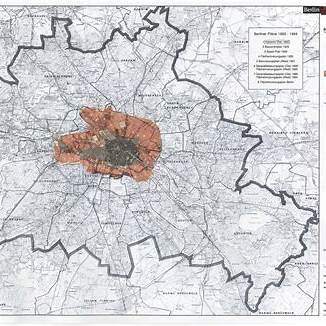
The Prussian authorities formally confirmed the Hobrecht Plan through a royal cabinet order, establishing a comprehensive framework for the planned expansion of Berlin and its surrounding areas.
Named after German planner and civil engineer James Hobrecht, the plan became one of the most influential urban development schemes in European history. Its proposed street network, residential blocks and infrastructure corridors helped shape the physical development of Berlin for decades.
By the middle of the nineteenth century, Berlin was expanding rapidly as industrial growth and migration from rural areas increased its population. The city urgently needed additional housing, roads, transport links, drainage systems and public infrastructure to accommodate its expected growth.
The Hobrecht Plan proposed major ring roads around Berlin and Charlottenburg, together with radial roads connecting developing districts to the city centre. It divided large areas into construction blocks and identified routes for streets, public squares and future urban services.
Unlike some major reconstruction projects that removed existing communities, the Berlin plan incorporated many established roads, villages and railway lines into the proposed urban structure.
The plan became especially associated with Berlin’s perimeter housing blocks. Buildings were developed along streets around shared inner courtyards, while additional residential structures were often constructed behind the main buildings. This model created mixed urban neighbourhoods but also contributed to overcrowding in some areas when private development became increasingly intensive.
Despite those shortcomings, the plan provided a long term structure for land development, housing construction, roads and infrastructure. It also supported the later installation of Berlin’s modern sewerage system and helped prepare the capital for continued population and economic growth.
Researchers say the Hobrecht Plan remains visible in the streets, neighbourhoods and residential blocks of inner Berlin today. Its approval on July 18, 1862, therefore represents a defining moment in global real estate and urban planning history.
▪️Syed Shayan Real Estate Archive
▪ Reference(s):
On This Date
18 جولائی 1862 کو پروشیا کی حکومت نے برلن اور اس کے گردونواح کی منظم توسیع کیلئے تیار کیے گئے تاریخی ہوبریخت پلان کی شاہی کابینہ کے حکم کے ذریعے توثیق کر دی۔ جرمن شہری منصوبہ ساز جیمز ہوبریخت سے منسوب یہ منصوبہ بعد میں برلن کی شہری ترقی، رئیل اسٹیٹ تعمیرات اور بنیادی انفراسٹرکچر کی تشکیل کا اہم فریم ورک ثابت ہوا۔
انیسویں صدی کے وسط میں برلن تیزی سے پھیل رہا تھا۔ صنعتی ترقی اور دیہی علاقوں سے نقل مکانی کے باعث شہر کی آبادی میں مسلسل اضافہ ہو رہا تھا، جس کے نتیجے میں نئی رہائشی عمارتوں، سڑکوں، نکاسی آب، ٹرانسپورٹ اور شہری سہولتوں کی ضرورت بڑھ گئی تھی۔
ہوبریخت پلان میں برلن اور شارلوٹنبرگ کے گرد بڑی رنگ روڈز، شہر کے مختلف حصوں کو ملانے والی مرکزی سڑکیں، رہائشی بلاکس، چوک اور مستقبل کی تعمیرات کیلئے حدود تجویز کی گئیں۔ منصوبے نے پہلے سے موجود دیہات، سڑکوں، ریلوے لائنوں اور مقامی آبادیوں کو مکمل طور پر ختم کرنے کے بجائے انہیں نئی شہری ساخت میں شامل کرنے کی کوشش کی۔
اس منصوبے کے تحت وجود میں آنے والے بند طرز کے بڑے رہائشی بلاکس برلن کی شناخت بن گئے۔ ان عمارتوں کے سامنے مرکزی رہائشی حصے اور اندرونی جانب صحن، ذیلی عمارتیں اور مزید رہائشی یونٹس تعمیر کیے گئے۔ تیز رفتار آبادی کے باعث کئی مقامات پر ضرورت سے زیادہ گنجان تعمیرات بھی ہوئیں، جس سے روشنی، ہوا اور کھلی جگہوں کی کمی جیسے مسائل سامنے آئے۔
اس کے باوجود ہوبریخت پلان نے زمین کے استعمال، نجی تعمیرات، سڑکوں، سیوریج اور شہری توسیع کیلئے ایک واضح سمت فراہم کی۔ بعد میں برلن کے جدید نکاسی آب کے نظام اور وسیع شہری انفراسٹرکچر کی تعمیر بھی اسی منصوبہ بندی سے منسلک ہوئی۔
ماہرین کے مطابق 1862 کا یہ منصوبہ آج بھی اندرونی برلن کی سڑکوں، محلوں اور رہائشی بلاکس کی ساخت میں واضح طور پر نظر آتا ہے۔ اسی لیے ہوبریخت پلان کو یورپ کی شہری اور رئیل اسٹیٹ تاریخ کے اہم ترین منصوبوں میں شمار کیا جاتا ہے۔
▪️ سید شایان ریئل اسٹیٹ آرکائیو
On This Date

On July 18, 1994, China’s State Council issued a landmark decision to deepen reform of the country’s urban housing system, marking an important shift away from housing provided mainly as an employment linked welfare benefit towards personal ownership and a more market oriented property sector.
The policy is widely regarded as an important milestone in the development of China’s modern real estate market.
Before the reforms, urban housing was largely constructed, allocated and maintained by government institutions and state owned enterprises. Many workers received apartments through their employers, often at heavily subsidised rents, rather than purchasing homes as privately owned assets.
The 1994 decision proposed replacing the system under which the state and public institutions carried most housing costs with one in which the government, employers and individuals would share responsibility.
It also encouraged the gradual sale of publicly owned homes to urban workers and supported a transition from direct housing allocation towards monetary compensation.
The reform introduced a more diversified housing supply system. Economic housing was intended primarily for low and middle income households, while commercial housing would serve residents able to purchase homes through the market.
The policy also promoted housing provident funds, residential savings mechanisms and housing credit systems to help households finance property purchases.
The 1994 decision did not immediately eliminate China’s welfare housing model. Many state owned enterprises continued purchasing or subsidising apartments for employees, meaning the old and new systems operated alongside each other during the transition.
However, the reform established the policy foundation for private homeownership, residential finance and commercial property development.
China advanced the process further in 1998 by ending the direct allocation of housing in kind and separating workers’ housing more clearly from their state employers.
The residential towers, privately owned apartments and extensive housing finance market that later transformed Chinese cities can therefore be traced partly to the reform programme launched during this period.
▪️Syed Shayan Real Estate Archive
▪ Reference(s):
On This Date
18 جولائی 1994 کو چین کی سٹیٹ کونسل نے شہری ہاؤسنگ سسٹم میں اصلاحات کو مزید گہرا کرنے کا تاریخی فیصلہ جاری کیا، جس نے ملک میں رہائش کو سرکاری یا ملازمت سے منسلک فلاحی سہولت سمجھنے کے پرانے تصور کو بتدریج تبدیل کرنے کی بنیاد رکھی۔ اس پالیسی کو چین کی جدید رئیل اسٹیٹ مارکیٹ کی تشکیل میں ایک اہم سنگ میل سمجھا جاتا ہے۔
اس سے قبل چین کے شہری علاقوں میں سرکاری ادارے اور سرکاری ملکیتی کمپنیاں اپنے ملازمین کیلئے مکانات تعمیر کرنے، مختص کرنے اور ان کی دیکھ بھال کی بڑی ذمہ داری اٹھاتی تھیں۔ بیشتر ملازمین کو گھر ذاتی اثاثے کے بجائے ملازمت کے ساتھ ملنے والی سہولت کے طور پر دستیاب ہوتے تھے۔
1994 کے فیصلے نے رہائشی تعمیرات کے اخراجات کو صرف حکومت اور اداروں تک محدود رکھنے کے بجائے حکومت، اداروں اور افراد کے درمیان تقسیم کرنے کی پالیسی پیش کی۔ اس کے ساتھ شہریوں کو سرکاری مکانات فروخت کرنے، ذاتی خریداری کی حوصلہ افزائی کرنے اور ہاؤسنگ کی تقسیم کو مالی معاوضے سے منسلک کرنے کا عمل شروع کیا گیا۔
اصلاحات کے تحت کم اور متوسط آمدن والے خاندانوں کیلئے نسبتاً کم قیمت اقتصادی مکانات جبکہ زیادہ آمدن رکھنے والوں کیلئے کمرشل ہاؤسنگ کا تصور متعارف کرایا گیا۔ ہاؤسنگ پروویڈنٹ فنڈ، رہائشی بچت اور ہاؤسنگ کریڈٹ سسٹم کے قیام کو بھی پالیسی کا حصہ بنایا گیا تاکہ گھروں کی خریداری کیلئے مالی وسائل پیدا کیے جا سکیں۔
اگرچہ 1994 کی اصلاحات نے فلاحی ہاؤسنگ سسٹم کو فوری طور پر مکمل ختم نہیں کیا، تاہم انہوں نے نجی ملکیت، رہائشی فنانس اور کمرشل ڈیولپمنٹ کی سمت واضح کر دی۔
اس عمل کو 1998 میں مزید آگے بڑھایا گیا، جب سرکاری اداروں کی جانب سے مکانات کی براہ راست تقسیم روکنے اور ہاؤسنگ کو مکمل طور پر مالی اور مارکیٹ سسٹم سے منسلک کرنے کا اعلان کیا گیا۔
آج چین کے بڑے شہروں میں نظر آنے والی وسیع رہائشی تعمیرات، اپارٹمنٹ مارکیٹ اور ہاؤسنگ فنانس سسٹم کی تاریخی جڑیں بڑی حد تک اسی اصلاحاتی دور سے وابستہ ہیں۔
▪️ سید شایان ریئل اسٹیٹ آرکائیو

1869: legendary American architect Frank Lloyd Wright was born in Richland Center, Wisconsin. His philosophy of “Organic Architecture” reshaped 20th century re...
Read More →
On November 25, 1982, the Government of Punjab finalized its first pre master planning guidelines to manage accelerating urban growth in Lahore, Rawalpindi, Fai...
Read More →
On August 23, 1992, residents of Sydney’s historic Pyrmont neighbourhood staged one of Australia’s most unusual protests against large scale urban redevelopment...
Read More →
In the global history of real estate and housing, 20 January is remembered as a pivotal date, as it marks the formal signing of the United States Housing Act....
Read More →
In October 2013, India began the active implementation of the Land Acquisition, Rehabilitation and Resettlement Act (LARR) 2013, one of the most transformative ...
Read More →
The acquisition of land for the Model Town Society was one of the most remarkable and spirited chapters in its early history. Dewan Khem Chand and his...

Between 1921 and 1924, the land for Model Town Lahore was acquired in successive phases. The process began in 1921, shortly after the establishment of...
No comments yet. Be the first to comment!