
Syed Shayan Real Estate Archive
Syed Shayan Real Estate Archive
From Real Estate History
On This Date
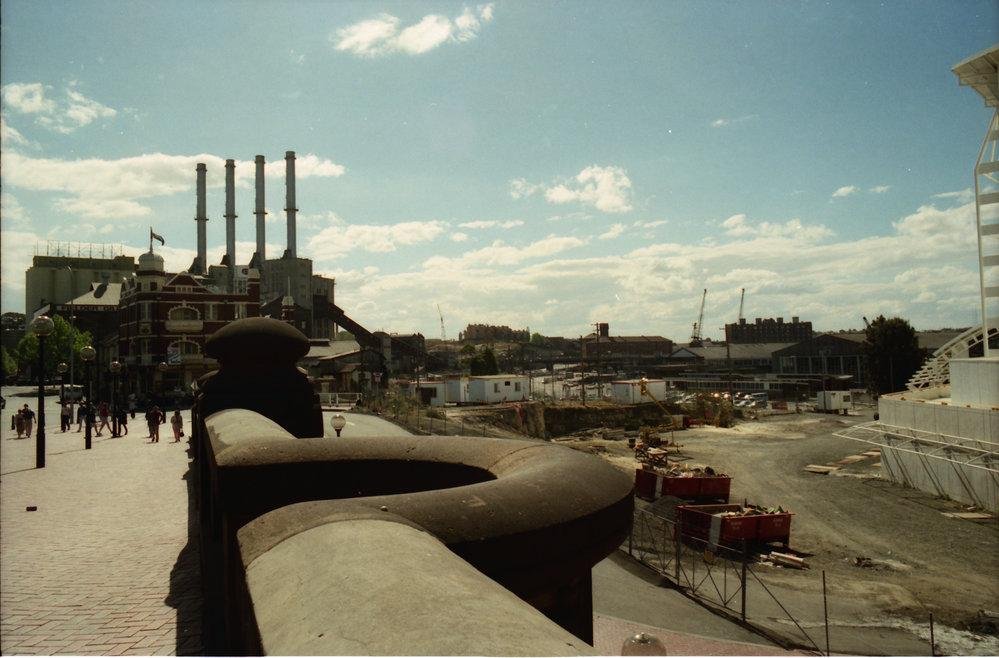
On August 23, 1992, residents of Sydney’s historic Pyrmont neighbourhood staged one of Australia’s most unusual protests against large scale urban redevelopment, symbolically declaring their community the “Republic of Pyrmont.” Road barriers were erected and volunteers even issued mock passports to people entering the neighbourhood.
The protest emerged from dramatic changes sweeping through Pyrmont following the decline and closure of major industries during the 1980s. Once characterised by working-class communities, low rise cottages, wharves and industrial sites, the peninsula had become a major target for government backed urban renewal.
Authorities were planning a large redevelopment of Sydney’s western inner city precinct, covering around 300 hectares. Government projections at the time envisaged thousands of new residents and jobs, millions of square metres of additional floor space and more than $5 billion in private sector investment.
For many long term Pyrmont residents, however, the transformation raised a different question: what happens to an established community when valuable inner city land is redeveloped for higher density and more expensive property?
The manifesto behind the Republic of Pyrmont did not simply oppose development. Instead, campaigners objected to the displacement of residents and the loss of the neighbourhood environment they had known for generations. They argued that communities affected by major planning decisions should have a genuine voice in shaping them.
The protest remained peaceful and good humoured. At the end of the day, the symbolic border barriers were removed and the “Republic” effectively disappeared as quickly as it had been created.
More than three decades later, the episode remains highly relevant to modern real estate. Cities around the world continue to wrestle with the same balance between redevelopment, rising property values, housing affordability, heritage preservation and the rights of existing communities.
The Republic of Pyrmont therefore stands as an unusual reminder that urban renewal is not simply about land and building: it is also about the people who already call a place home.
▪️Syed Shayan Real Estate Archive
▪ Reference(s):
On This Date
23 اگست 1992 کو آسٹریلیا کے شہر سڈنی کے تاریخی علاقے پیرمونٹ میں شہری ترقی اور رئیل اسٹیٹ تعمیرِ نو کے خلاف ایک ایسا انوکھا احتجاج ہوا جو آج بھی شہری منصوبہ بندی کی تاریخ میں یاد کیا جاتا ہے۔ مقامی رہائشیوں نے اپنے علاقے کو علامتی طور پر ’’پیرمونٹ ری پبلک‘‘ قرار دے دیا، سڑکوں پر رکاوٹیں کھڑی کر دیں اور علاقے میں داخل ہونے والوں کو باقاعدہ علامتی پاسپورٹ جاری کیے۔
اس احتجاج کا پس منظر 1980 کی دہائی میں پیرمونٹ کی صنعتی سرگرمیوں کے زوال سے جڑا تھا۔ بڑی صنعتوں کی بندش کے بعد ریاستی حکومت نے اس پرانے صنعتی اور کم آمدنی والے رہائشی علاقے کو جدید شہری مرکز میں تبدیل کرنے کیلئے بڑے پیمانے پر تعمیرِ نو شروع کی۔ منصوبوں میں نئی رہائشی اور تجارتی عمارتیں، زیادہ گنجان والی رہائشیں اور مہنگے اپارٹمنٹس شامل تھے۔
سرکاری منصوبہ بندی کے مطابق سڈنی کے مغربی شہری علاقے کی تعمیرِ نو تقریباً 300 ہیکٹر پر محیط تھی اور اس سے ہزاروں نئے رہائشیوں اور ملازمتوں کی گنجائش پیدا کرنے کے ساتھ اربوں ڈالر کی نجی سرمایہ کاری متوقع تھی۔
تاہم پیرمونٹ کے بعض پرانے رہائشیوں کا مؤقف تھا کہ ترقی کے نام پر مقامی آبادی کو بے دخل کرنے، پرانے گھروں اور علاقے کی سماجی شناخت ختم ہونے کا خطرہ پیدا ہوگیا ہے۔ دلچسپ بات یہ ہے کہ ’’پیرمونٹ ری پبلک‘‘ کے منشور میں ترقی کو مکمل طور پر مسترد نہیں کیا گیا بلکہ مطالبہ کیا گیا کہ شہری منصوبہ بندی میں ان لوگوں کو بھی فیصلہ سازی کا حصہ بنایا جائے جو براہِ راست اس سے متاثر ہوتے ہیں۔
احتجاج دن بھر پرامن اور خوشگوار ماحول میں جاری رہا اور بعد میں سڑکوں سے رکاوٹیں ہٹا دی گئیں۔
آج یہ واقعہ یاد دلاتا ہے کہ رئیل اسٹیٹ تعمیرِ نو صرف زمین، عمارتوں اور سرمایہ کاری کا معاملہ نہیں، اس کا تعلق رہائش کی استطاعت، مقامی آبادی، شہری ورثے اور لوگوں کے اپنے محلے پر حقِ رائے سے بھی ہوتا ہے۔
On 19 June 1921, the United Kingdom conducted its national census after delaying it from April because of widespread industrial unrest. The census recorded impo...
Read More →
On October 21, 1966, the Aberfan disaster occurred in Wales when a colliery spoil tip collapsed onto the village, killing 144 people including 116 children. Thi...
Read More →
On 3 July 1919, Helical Bar and Engineering Company Limited was incorporated in London. The company was originally established to manufacture and sell reinforci...
Read More →On October 31, 2011, commercial property prices in Islamabad's Blue Area reached record levels, signaling the capital’s growing role as a business and investmen...
Read More →
On October 27, 1835, the first official institutional mortgage system emerged in the United States through 'Terminating Building Societies' (TBS), marking a rev...
Read More →
The acquisition of land for the Model Town Society was one of the most remarkable and spirited chapters in its early history. Dewan Khem Chand and his...

Between 1921 and 1924, the land for Model Town Lahore was acquired in successive phases. The process began in 1921, shortly after the establishment of...
No comments yet. Be the first to comment!