
Syed Shayan Real Estate Archive
Syed Shayan Real Estate Archive
From Real Estate History

On October 23, 1892, comprehensive fire-resistant building code standards were enacted, establishing mandatory requirements for fireproof construction materials and safety features in urban buildings. These regulations emerged following devastating urban fires that had destroyed entire city blocks, prompting urgent reforms in construction practices. The new standards mandated fire-resistant materials for structural elements, required fire escapes on multi-story buildings, established minimum wall thickness for party walls, and created specifications for fire doors and compartmentalization. This legislation represented a major advancement in building safety that would save countless lives and protect property investments for generations to come.
▪ Reference(s):
23 اکتوبر 1892 کو جامع فائر ریزسٹنٹ بلڈنگ کوڈ معیارات نافذ کیے گئے، جس نے شہری عمارتوں میں فائر پروف تعمیراتی مواد اور حفاظتی خصوصیات کے لیے لازمی تقاضے قائم کیے۔ یہ ضوابط تباہ کن شہری آگ کے بعد سامنے آئے جس نے پورے شہری بلاکس کو تباہ کر دیا تھا، جس نے تعمیراتی طریقوں میں فوری اصلاحات کی تحریک دی۔ نئے معیارات نے ساختی عناصر کے لیے فائر ریزسٹنٹ مواد کو لازمی قرار دیا، کثیر المنزلہ عمارتوں پر فائر اسکیپ کی ضرورت ہوئی، پارٹی والز کے لیے کم از کم دیوار کی موٹائی قائم کی، اور فائر ڈورز اور کمپارٹمنٹلائزیشن کے لیے تفصیلات تشکیل دیں۔ یہ قانون سازی عمارت کی حفاظت میں ایک بڑی ترقی کی نمائندگی کرتی تھی جو آنے والی نسلوں کے لیے بے شمار جانیں بچائے گی اور پراپرٹی کے سرمایہ کاری کا تحفظ کرے گی۔

On October 23, 1937, the Public Works Administration launched its most ambitious housing construction program, initiating massive public housing projects across major urban centers. This New Deal initiative addressed both the critical housing shortage and widespread unemployment by constructing thousands of affordable housing units while creating construction jobs. The projects introduced innovative design standards that emphasized natural light, ventilation, green spaces, and community facilities - revolutionary concepts in public housing at the time. These developments not only provided decent housing for low-income families but also established new benchmarks for public housing design and community planning that would influence affordable housing development for decades.
▪ Reference(s):
23 اکتوبر 1937 کو پبلک ورکس ایڈمنسٹریشن نے اپنا سب سے بڑا ہاؤسنگ تعمیراتی پروگرام شروع کیا، جس نے بڑے شہری مراکز میں بڑے پیمانے پر پبلک ہاؤسنگ منصوبے شروع کیے۔ اس نیو ڈیل اقدام نے ہاؤسنگ کی سنگین قلت اور بے روزگاری دونوں کو حل کیا، ہزاروں سستی رہائشی یونٹس تعمیر کرتے ہوئے تعمیراتی روزگار پیدا کیا۔ ان منصوبوں نے جدید ڈیزائن معیارات متعارف کروائے جن میں قدرتی روشنی، وینٹیلیشن، سبزہ زار اور کمیونٹی سہولیات پر زور دیا گیا - اس وقت پبلک ہاؤسنگ میں انقلابی تصورات۔ ان ترقیوں نے نہ صرف کم آمدنی والے خاندانوں کے لیے مناسب رہائش فراہم کی بلکہ پبلک ہاؤسنگ ڈیزائن اور کمیونٹی پلاننگ کے لیے نئے معیارات بھی قائم کیے جو آنے والی دہائیوں تک سستی ہاؤسنگ کی ترقی کو متاثر کرتے رہے۔

On October 23, 1972, pioneering energy efficiency standards for commercial buildings were enacted, establishing the first comprehensive requirements for energy conservation in commercial construction. These regulations emerged during the energy crisis era, addressing growing concerns about resource conservation and building operating costs. The standards mandated insulation requirements, window performance specifications, heating and cooling system efficiencies, and lighting energy limits for commercial structures. This legislation represented one of the earliest systematic approaches to reducing energy consumption in the built environment, creating precedents for sustainable building practices that would gain increasing importance in subsequent decades as environmental awareness grew.
▪ Reference(s):
23 اکتوبر 1972 کو کامرسل عمارتوں کے لیے پائیدار توانائی کی کارکردگی کے معیارات نافذ کیے گئے، جس نے کامرسل تعمیرات میں توانائی کے تحفظ کے لیے پہلی جامع ضروریات قائم کیں۔ یہ ضوابط توانائی کے بحران کے دور میں سامنے آئے، جو وسائل کے تحفظ اور عمارت کے آپریٹنگ اخراجات کے بارے میں بڑھتی ہوئی تشویش کو حل کرتے تھے۔ معیارات نے کامرسل ڈھانچے کے لیے موصلیت کی ضروریات، ونڈو کارکردگی کی تفصیلات، حرارتی اور کولنگ سسٹم کی کارکردگی، اور لائٹنگ توانائی کی حدود کو لازمی قرار دیا۔ یہ قانون سازی تعمیر شدہ ماحول میں توانائی کی کھپت کو کم کرنے کے ابتدائی منظم طریقوں میں سے ایک کی نمائندگی کرتی تھی، جو پائیدار عمارت کے طریقوں کے لیے precedents قائم کرتی تھی جو آنے والی دہائیوں میں ماحولیاتی بیداری بڑھنے کے ساتھ ساتھ اہمیت حاصل کرتی جائے گی۔

On October 20, 1978, transformative zoning legislation was enacted that specifically addressed large-scale shopping center developments, creating dedicated commercial zoning categories for retail complexes. This legal framework established standards for parking requirements, traffic management, environmental impact assessments, and community benefi...
Read More →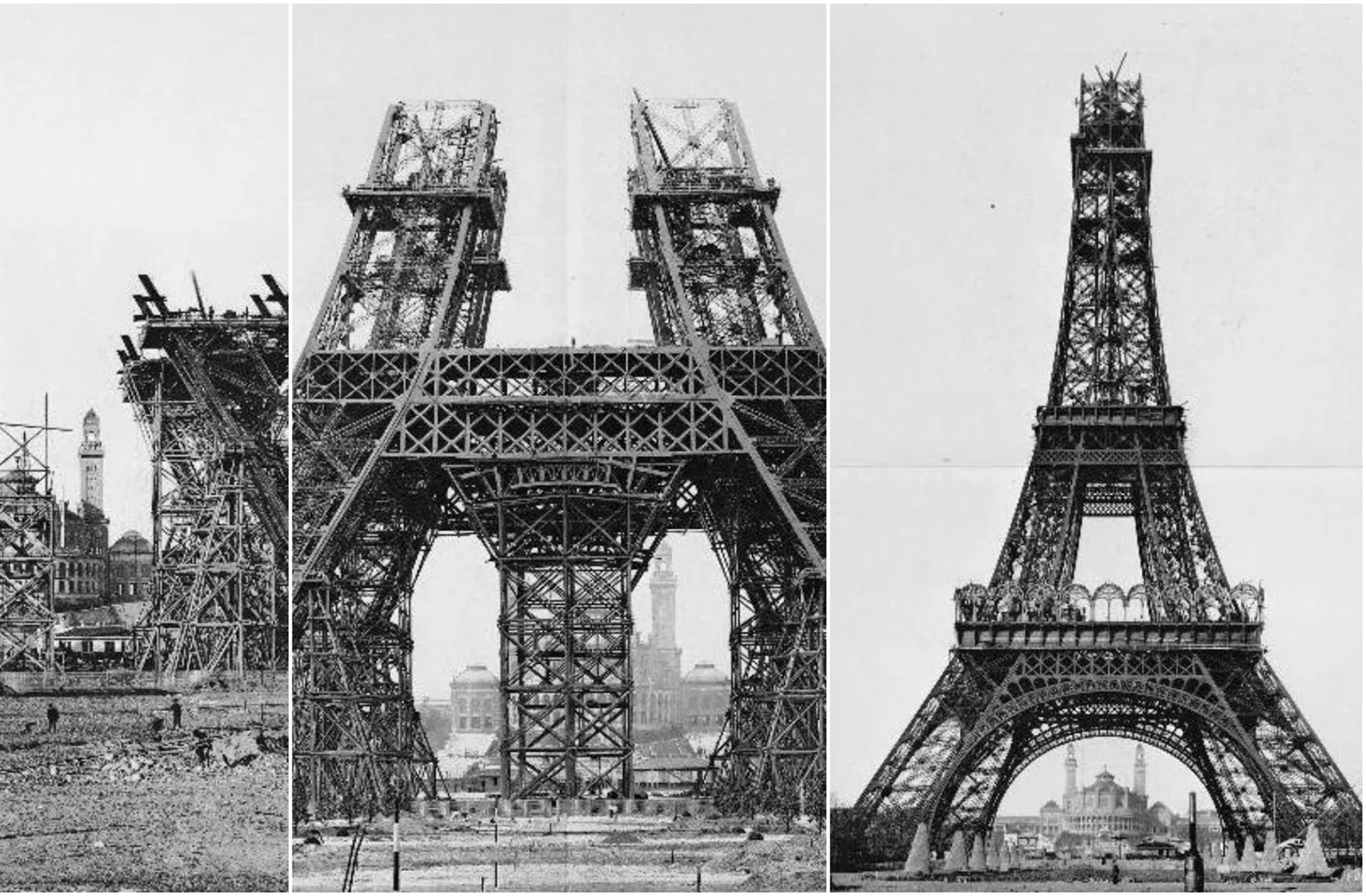
On October 25, 1889, the completion of the Eiffel Tower marked a defining moment in global engineering and architecture. Constructed for the Paris Exposition, it showcased the strength and versatility of iron as a primary construction material, revolutionizing modern building design. The 1889 completion of the Eiffel Tower forever changed global co...
Read More →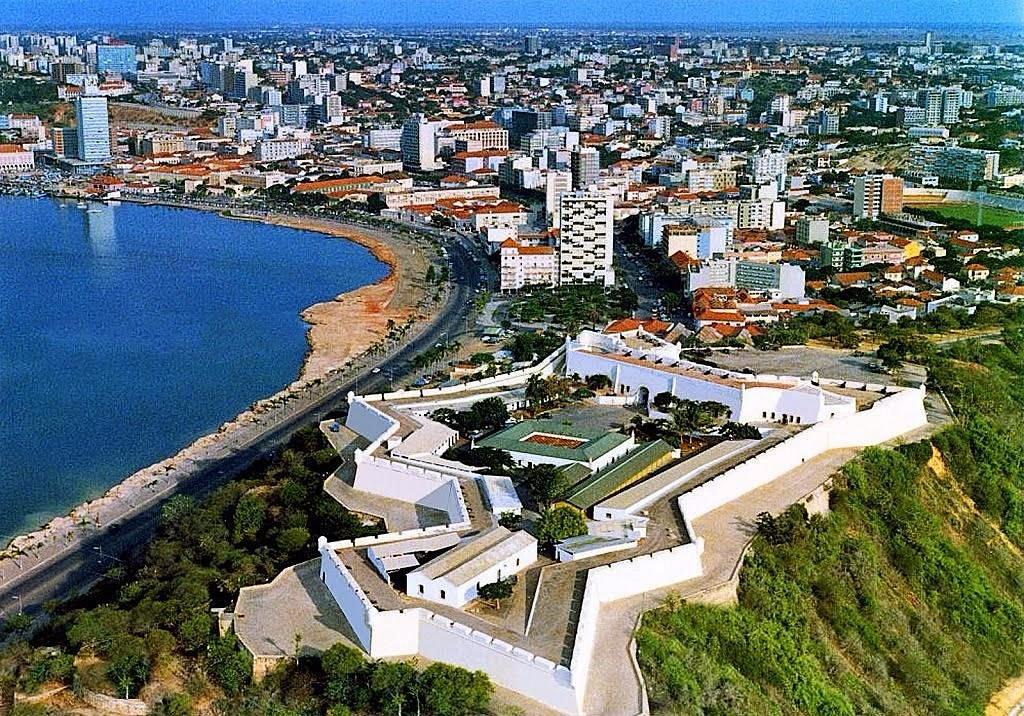
25 January 1575 marks the formal foundation of Luanda on the western coast of Africa by the Portuguese explorer and colonial administrator Paulo Dias de Novais. The settlement was originally named São Paulo da Assunção de Loanda, a designation that was later shortened to Luanda. At the time of its establishment in 1575, Luanda was a small col...
Read More →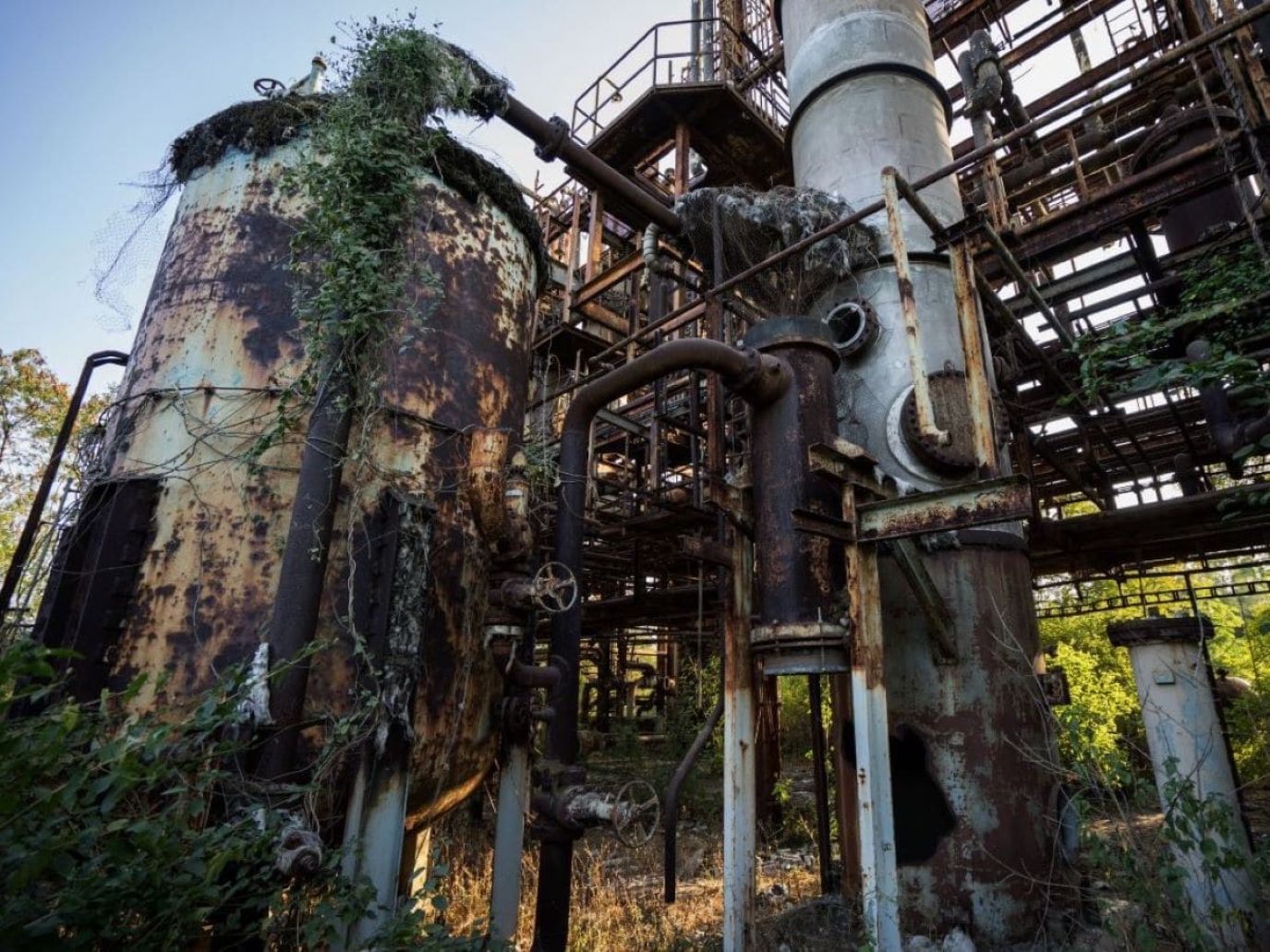
On the night of 3 December 1984, the city of Bhopal in Madhya Pradesh witnessed the uncontrolled release of methyl isocyanate gas from the Union Carbide chemical plant, a facility located in the midst of densely populated residential areas. Within minutes, streets, houses and entire neighbourhoods were engulfed in a toxic cloud, creating scenes of ...
Read More →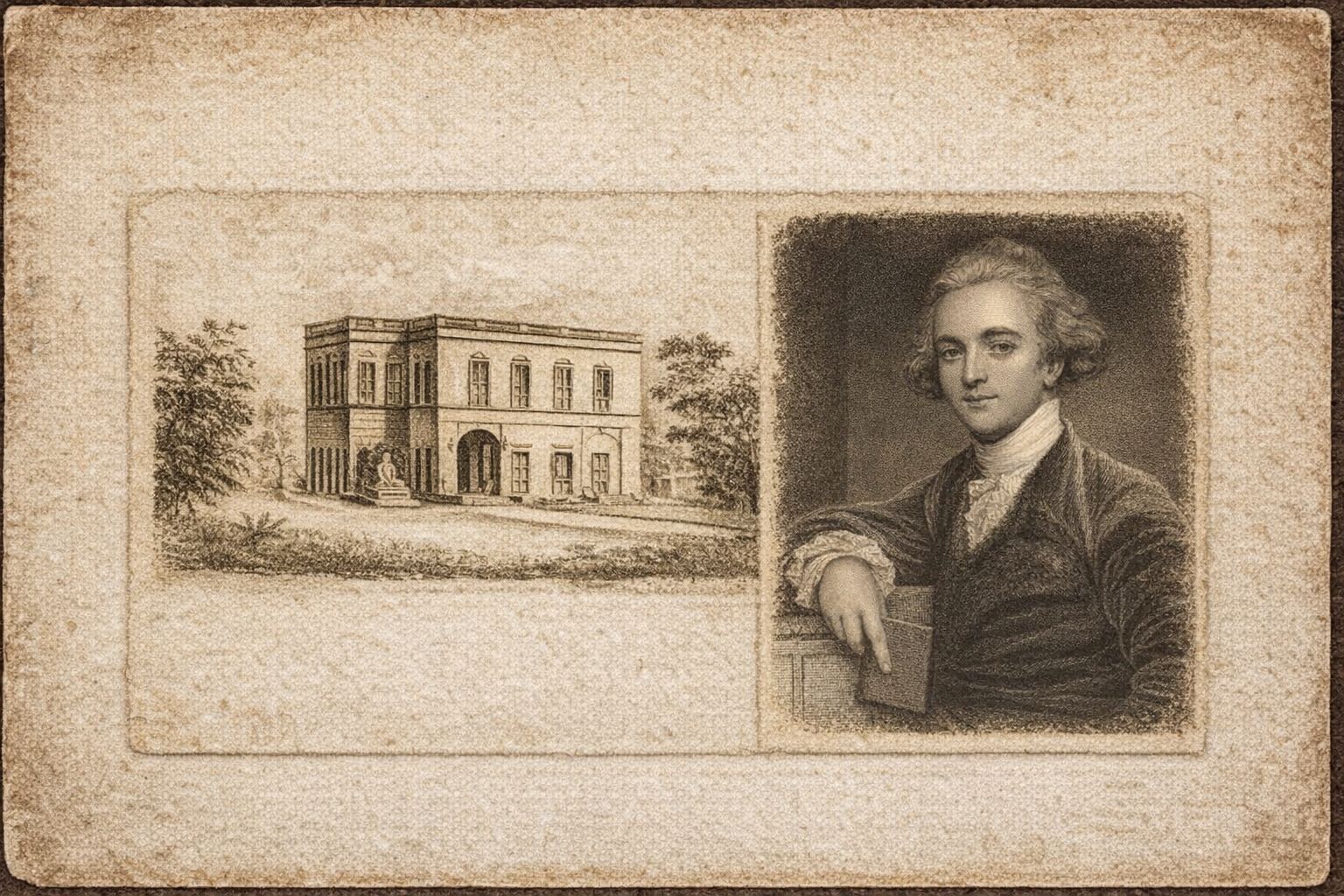
Exactly 242 years ago, on 15 January 1784, the Asiatic Society of Bengal was founded in Calcutta by Sir William Jones. On the same day, the Society convened its first formal meeting. The institution emerged as the earliest organised centre in the subcontinent dedicated to the systematic study of ancient manuscripts, archaeology, and geographical kn...
Read More →
The acquisition of land for the Model Town Society was one of the most remarkable and spirited chapters in its early history. Dewan Khem Chand and his...

Between 1921 and 1924, the land for Model Town Lahore was acquired in successive phases. The process began in 1921, shortly after the establishment of...
No comments yet. Be the first to comment!