From Real Estate History
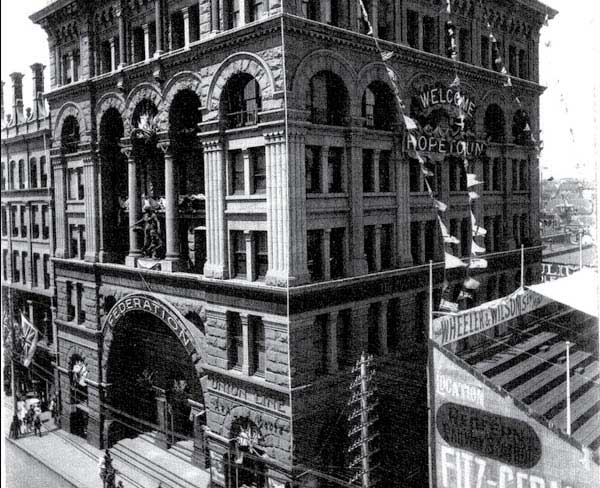
On October 22, 1888, pioneering building height limitation laws were enacted in major cities, establishing the first formal restrictions on building elevations. These regulations emerged as concerns grew about overcrowding, fire safety, and sunlight access in rapidly developing urban centers. The laws typically limited buildings to 6-8 stories, addressing both safety concerns and preserving the character of historic cityscapes. This legislation represented one of the earliest attempts to manage urban density and building scale systematically, creating precedents for future zoning regulations and establishing the principle that private property development could be regulated for public welfare considerations.
▪References:
•️ Impact on Real Estate Sector
Urban density patterns became more controlled, fire safety improved in crowded districts, sunlight access to streets was preserved, and the character of historic city centers was maintained against excessive redevelopment. This event had lasting effects on real-estate practice and continues to influence policy and development worldwide.
•️ Policy Response
Municipal governments implemented height restriction ordinances, established building elevation review processes, created variance procedures for special cases, and developed enforcement mechanisms for compliance monitoring. This event had lasting effects on real-estate practice and continues to influence policy and development worldwide.
•️ Historical Legacy
The 1888 height limitations established the foundation for modern building scale regulations and created the legal precedent for managing urban development through building form controls that continue to influence city planning worldwide. This event had lasting effects on real-estate practice and continues to influence policy and development worldwide.
•️ Current Status
Today's building height regulations worldwide build upon the principles established in 1888, with contemporary approaches balancing development needs with urban design, safety, and environmental considerations. This event had lasting effects on real-estate practice and continues to influence policy and development worldwide.
یہ22 اکتوبر 1888 کی بات ہے جب بڑے شہروں میں عمارتوں کی اونچائی محدود کرنے کے ابتدائی قوانین نافذ کیے گئے۔ ان قوانین کے ذریعے پہلی بار عمارتوں کی بلندی پر باقاعدہ پابندیاں عائد کی گئیں تاکہ شہروں میں تیزی سے بڑھتی ہوئی آبادی، آگ سے تحفظ اور سورج کی روشنی تک رسائی جیسے مسائل پر قابو پایا جا سکے۔ ان ضوابط کے تحت عام طور پر عمارتوں کی اونچائی چھ سے آٹھ منزلوں تک محدود رکھی گئی، جس کا مقصد شہری سلامتی کو یقینی بنانا اور تاریخی شہروں کے خدوخال کو برقرار رکھنا تھا۔ یہ قانون شہری منصوبہ بندی کے منظم تصور کی طرف ایک ابتدائی قدم ثابت ہوا۔ اس نے مستقبل کے زوننگ قوانین کے لیے بنیاد فراہم کی اور یہ اصول متعارف کروایا کہ نجی جائیداد کی تعمیرات کو عوامی مفاد کے تحت منظم اور محدود کیا جا سکتا ہے۔
▪️سید شایان ریئل اسٹیٹ آرکائیو
•️ رئیل اسٹیٹ سیکٹر پر اثرات
شہری کثافت کے نمونے زیادہ کنٹرول ہو گئے، گنجان اضلاع میں آگ کی حفاظت میں بہتری آئی، سڑکوں تک سورج کی روشنی کی رسائی محفوظ رہی، اور تاریخی شہری مراکز کی خصوصیات برقرار رہیں۔ اس واقعے کے اثرات رئیل اسٹیٹ پالیسیوں، سرمایہ کاری کے رویّوں اور شہری منصوبہ بندی پر دیرپا رہے۔
•️ پالیسی کا ردعمل
میونسپل حکومتوں نے اونچائی کی پابندی کے آرڈیننس نافذ کیے، عمارت کی بلندی کے جائزے کے عمل قائم کیے، خاص معاملات کے لیے variation کے طریقہ کار تشکیل دیے، اور تعمیل کی نگرانی کے لیے انفورسمنٹ میکانزم تیار کیے۔
•️ تاریخی ورثہ
1888 کی اونچائی کی حدود نے جدید بلڈنگ سکیل ریگولیشنز کی بنیاد رکھی اور عمارت کی شکل کے کنٹرولز کے ذریعے شہری ترقی کے انتظام کے لیے قانونی precedent قائم کیا جو دنیا بھر میں شہر کی منصوبہ بندی کو متاثر کرتا رہتا ہے۔
•️ موجودہ حیثیت
آج کے دنیا بھر کے بلڈنگ ہائیٹ ریگولیشنز 1888 میں قائم کردہ اصولوں پر تعمیر کرتے ہیں، جس میں معاصر نقطہ نظر ترقی کی ضروریات کو شہری ڈیزائن، حفاظت، اور ماحولیاتی تحفظات کے ساتھ متوازن کرتے ہیں۔ اس واقعے کے اثرات رئیل اسٹیٹ پالیسیوں، سرمایہ کاری کے رویّوں اور شہری منصوبہ بندی پر دیرپا رہے۔
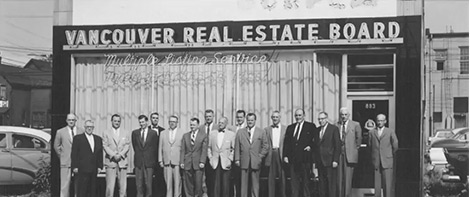
On October 22, 1929, the nation's first comprehensive real estate board was established, creating professional standards and ethical guidelines for property transactions. This pioneering institution brought together real estate professionals to establish uniform practices, standardize transaction procedures, and create codes of conduct for the industry. The board introduced licensing requirements, standardized contract forms, and established dispute resolution mechanisms that brought much-needed organization to the previously fragmented real estate market. This professionalization of the industry occurred just before the Great Depression, providing crucial stability mechanisms during the subsequent economic challenges that would reshape property markets globally.
▪References:
•️ Impact on Real Estate Sector
Real estate transactions became more standardized, professional ethics improved significantly, consumer protection in property deals increased, and industry credibility was enhanced through formal organization. This event had lasting effects on real-estate practice and continues to influence policy and development worldwide.
•️ Policy Response
Industry professionals established licensing requirements, created standardized contract forms, developed ethical codes of conduct, and implemented professional certification and continuing education requirements. This event had lasting effects on real-estate practice and continues to influence policy and development worldwide.
•️ Historical Legacy
The 1929 real estate board established the model for professional real estate organizations worldwide and created standards that continue to govern property transaction practices and professional ethics globally. This event had lasting effects on real-estate practice and continues to influence policy and development worldwide.
•️ Current Status
Today's real estate professional organizations worldwide build upon the institutional framework established in 1929, with evolved standards addressing contemporary market challenges while maintaining core professional principles. This event had lasting effects on real-estate practice and continues to influence policy and development worldwide.
یہ 22 اکتوبر 1929 کی بات ہے جب ملک کا پہلا جامع رئیل اسٹیٹ بورڈ قائم ہوا، جس نے جائیداد کے لین دین کے لیے پیشہ ورانہ معیار، اخلاقی اصول اور ضابطہ اخلاق متعین کیے، ماہرین کو ایک پلیٹ فارم پر لا کر معیاری معاہدہ فارم تیار کیے، لائسنسنگ کے تقاضے اور تنازعات کے حل کے طریقہ کار وضع کیے، جس سے بکھری ہوئی رئیل اسٹیٹ منڈی میں نظم و ضبط آیا اور یہ اصلاحات عظیم معاشی بحران سے قبل متعارف ہو کر بعد کی اقتصادی مشکلات میں مارکیٹ کے استحکام اور عالمی رئیل اسٹیٹ نظام کی تشکیل میں سنگ میل ثابت ہوئیں۔
▪️سید شایان ریئل اسٹیٹ آرکائیو
•️ رئیل اسٹیٹ سیکٹر پر اثرات
رئیل اسٹیٹ لین دین زیادہ معیاری ہو گئے، پیشہ ورانہ اخلاقیات میں نمایاں بہتری آئی، پراپرٹی ڈیلز میں صارف کا تحفظ بڑھا، اور رسمی تنظیم کے ذریعے انڈسٹری کی ساکھ میں اضافہ ہوا۔ اس واقعے کے اثرات رئیل اسٹیٹ پالیسیوں، سرمایہ کاری کے رویّوں اور شہری منصوبہ بندی پر دیرپا رہے۔
•️ پالیسی کا ردعمل
انڈسٹری کے پیشہ ورانہ نے لائسنس کی ضروریات قائم کیں، معیاری معاہدہ فارمز تشکیل دیے، اخلاقیات کے ضوابط تیار کیے، اور پیشہ ورانہ سرٹیفیکیشن اور جاری تعلیم کی ضروریات نافذ کیں۔ اس واقعے کے اثرات رئیل اسٹیٹ پالیسیوں، سرمایہ کاری کے رویّوں اور شہری منصوبہ بندی پر دیرپا رہے۔
•️ تاریخی ورثہ
1929 کے رئیل اسٹیٹ بورڈ نے دنیا بھر میں پیشہ ورانہ رئیل اسٹیٹ تنظیموں کے لیے ماڈل قائم کیا اور معیارات تشکیل دیے جو عالمی سطح پر پراپرٹی لین دین کے طریقوں اور پیشہ ورانہ اخلاقیات کو حکم دیتے رہتے ہیں۔
•️ موجودہ حیثیت
آج کے دنیا بھر کے رئیل اسٹیٹ پیشہ ورانہ تنظیمیں 1929 میں قائم کردہ ادارہ جاتی فریم ورک پر تعمیر کرتی ہیں، جس میں معاصر مارکیٹ چیلنجز کو حل کرنے کے لیے ترقی یافتہ معیارات شامل ہیں جبکہ مرکزی پیشہ ورانہ اصول برقرار رہتے ہیں۔
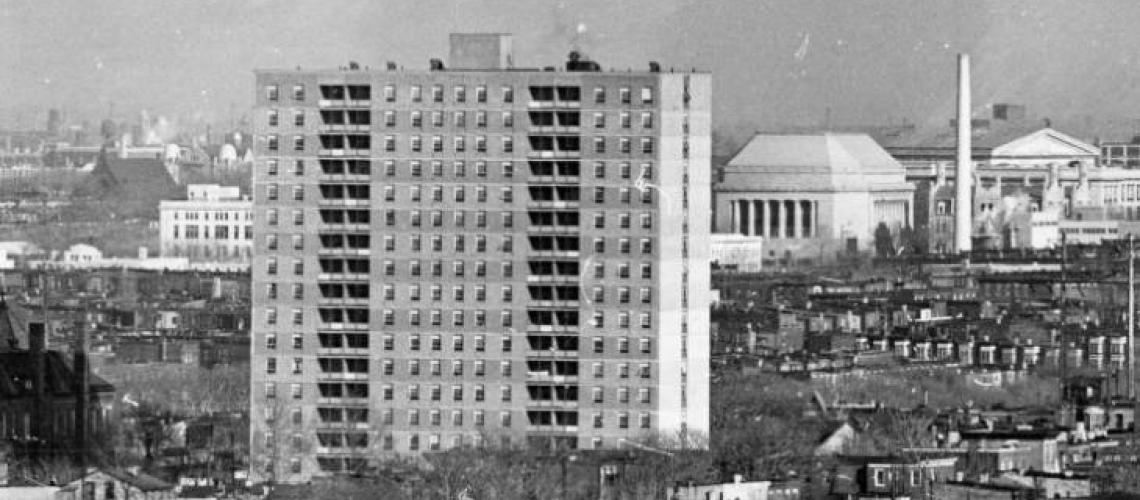
On October 22, 1963, groundbreaking condominium legislation was enacted, creating the legal framework for individual ownership of units within multi-story residential buildings. This revolutionary law established the concept of 'air rights' ownership and created mechanisms for shared ownership of common areas, maintenance responsibilities, and governance structures for residential communities. The legislation addressed the growing demand for urban housing options that combined private ownership with shared amenities, enabling more efficient land use in dense urban areas. This legal innovation transformed urban housing markets, making high-density residential development more financially viable and creating new patterns of urban living that would dominate city development for decades.
▪References:
•️ Impact on Real Estate Sector
Urban housing options expanded significantly, high-density development became more financially viable, new patterns of urban community living emerged, and property ownership became accessible to more urban residents. This event had lasting effects on real-estate practice and continues to influence policy and development worldwide.
•️ Policy Response
State legislatures implemented condominium ownership statutes, established common area management frameworks, created governance structures for residential communities, and developed regulations for maintenance funding and reserve requirements. This event had lasting effects on real-estate practice and continues to influence policy and development worldwide.
•️ Historical Legacy
The 1963 condominium legislation established the legal foundation for modern multi-unit residential ownership and created development models that continue to shape urban housing markets and high-density living worldwide. This event had lasting effects on real-estate practice and continues to influence policy and development worldwide.
•️ Current Status
Today's condominium and strata title systems worldwide build upon the legal framework established in 1963, with evolved approaches addressing contemporary urban living challenges while maintaining core ownership principles. This event had lasting effects on real-estate practice and continues to influence policy and development worldwide.
یہ 22 اکتوبر 1963 کی بات ہے جب ایک انقلابی قانون منظور ہوا جس نے کونڈومینیم نظام کو قانونی حیثیت دی، یعنی بلند عمارتوں میں ہر فرد اپنی مخصوص یونٹ یا فلیٹ کا انفرادی مالک بن سکتا تھا، جبکہ سیڑھیاں، پارکنگ اور باغات جیسی مشترکہ جگہوں کی اجتماعی ملکیت اور دیکھ بھال کے اصول بھی طے کیے گئے۔ اس قانون نے پہلی بار ایئر رائٹس کے تصور کو متعارف کروا کر تیزی سے بڑھتی شہری آبادی اور رہائشی بحران کا حل پیش کیا، جس سے اونچی عمارتوں میں رہائش مالی طور پر ممکن ہوئی، زمین کے مؤثر استعمال کو فروغ ملا اور شہروں میں کثافت والے جدید رہائشی منصوبوں کی راہ ہموار ہوئی جو آئندہ کئی دہائیوں تک شہری طرزِ زندگی کی بنیاد بنے۔

▪️سید شایان ریئل اسٹیٹ آرکائیو
•️ رئیل اسٹیٹ سیکٹر پر اثرات
شہری ہاؤسنگ کے اختیارات میں نمایاں توسیع ہوئی، ہائی ڈینسٹی ڈویلپمنٹ مالی طور پر زیادہ قابل عمل ہوئی، شہری کمیونٹی کے رہنے کے نئے نمونے ابھرے، اور زیادہ شہری رہائشیوں کے لیے پراپرٹی کی ملکیت قابل رسائی ہو گئی۔
•️ پالیسی کا ردعمل
ریاستی مقننہوں نے کونڈومینیم ملکیت کے قوانین نافذ کیے، مشترکہ علاقوں کے انتظام کے فریم ورک قائم کیے، رہائشی کمیونٹیز کے لیے حکمرانی کی ساخت تشکیل دی، اور دیکھ بھال کی فنڈنگ اور ریزرو کی ضروریات کے لیے ضوابط تیار کیے۔
•️ تاریخی ورثہ
1963 کی کونڈومینیم قانون سازی نے جدید کثیر یونٹ رہائشی ملکیت کی قانونی بنیاد رکھی اور ترقی کے ماڈل تشکیل دیے جو دنیا بھر میں شہری ہاؤسنگ مارکیٹس اور ہائی ڈینسٹی رہائشی کو تشکیل دیتے رہتے ہیں۔ اس واقعے کے اثرات رئیل اسٹیٹ پالیسیوں، سرمایہ کاری کے رویّوں اور شہری منصوبہ بندی پر دیرپا رہے۔
•️ موجودہ حیثیت
آج کے دنیا بھر کے کونڈومینیم اور سٹراٹا ٹائٹل سسٹمز 1963 میں قائم کردہ قانونی فریم ورک پر تعمیر کرتے ہیں، جس میں معاصر شہری رہائشی چیلنجز کو حل کرنے کے لیے ترقی یافتہ نقطہ نظر شامل ہیں جبکہ مرکزی ملکیت کے اصول برقرار رہتے ہیں۔
On 24 December 1968, the Apollo 8 spacecraft was orbiting the Moon. As it emerged from behind the Moon’s far side, an extraordinary sight appeared before the astronauts. Slowly rising above the Moon’s barren and gray horizon, Earth came into view. Recognizing the significance of the moment, astronaut William Anders immediately reached for a cam...
Read More →On November 24, 1990, the Government of Pakistan launched a nationwide overhaul of the aging railway system to address decades of underinvestment, slow transport speeds, and rising maintenance failures. The Ministry of Railways introduced new repair programs, upgraded signaling technology, and initiated phased restoration of passenger and freight r...
Read More →
On 21 December 1911, during the period of the British Raj, a formal notice for the acquisition of land for New Delhi was published in the Punjab Gazette. This notification was issued only nine days after the proclamation of 12 December 1911, when King George V of Britain announced the transfer of the capital of British India from Calcutta to Delhi....
Read More →On November 23, 1971, the United Nations General Assembly convened an urgent session in New York to address the rapidly escalating humanitarian crisis in South Asia. Millions of civilians were displaced due to violent conflict, prompting intense debate among UN member states over emergency relief mechanisms, protection for refugees, and potential d...
Read More →
In a manoeuvre to fortify its stance upon the realms of international commerce and strategic infrastructure, the British Government has secured effective dominion over one of the world’s paramount maritime passages through the purchase of substantial shares in the Suez Canal Company. This historic transaction was executed under the direct sancti...
Read More →
The acquisition of land for the Model Town Society was one of the most remarkable and spirited chapters in its early history. Dewan Khem Chand and his...

Between 1921 and 1924, the land for Model Town Lahore was acquired in successive phases. The process began in 1921, shortly after the establishment of...

▫To hurl abuse is akin to punching someone with your tongue.▫The question is whether Chacha’s words about national leadership are merely condemnable, ...
No comments yet. Be the first to comment!