
Syed Shayan Real Estate Archive
Syed Shayan Real Estate Archive
From Real Estate History
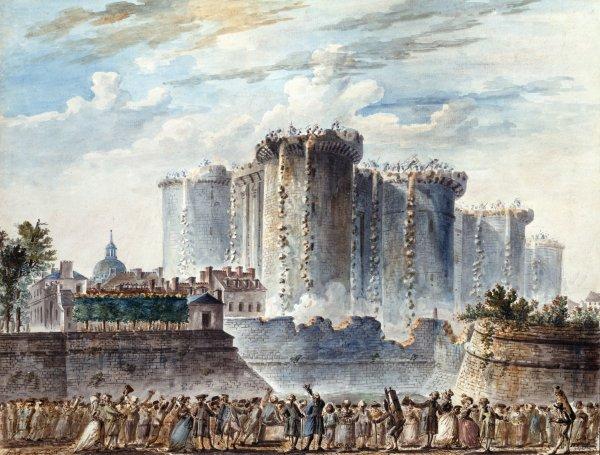
Citizens of Paris stormed and captured the Bastille, a fortified royal prison that had become one of the most powerful symbols of absolute monarchy. The event became a defining moment of the French Revolution, but it also marked a major transformation in the urban and architectural history of Paris.
Originally constructed during the 14th century to defend the eastern entrance to Paris, the Bastille was later converted into a state prison. Over time, its massive walls and towers came to represent royal authority and imprisonment without ordinary judicial proceedings.
On July 15, the day after the fortress was captured, its demolition was ordered and entrusted to building contractor Pierre-François Palloy. The dismantling of the enormous stone structure continued for approximately a year.
The demolition represented more than the removal of a building. It produced a historic change in land use at the heart of eastern Paris. A site previously occupied by a defensive fortress, armoury and prison gradually became an open public space now known as Place de la Bastille.
The July Column was later erected on the site and inaugurated in 1840. The opening of Opéra Bastille in 1989 further established the surrounding district as an important cultural, architectural and public destination.
The transformation of the Bastille site remains a striking example of how political change can reshape property, architecture and urban identity. A closed symbol of royal authority was replaced by a public square that continues to serve as a place of cultural activity, civic gatherings and collective memory.
▪️Syed Shayan Real Estate Archive
▪ Reference(s):
پیرس کے شہریوں نے باستیل کے تاریخی قلعے اور شاہی جیل پر قبضہ کرلیا۔ یہ واقعہ فرانسیسی انقلاب کی اہم ترین علامت بن گیا، لیکن شہری اور تعمیراتی تاریخ کے اعتبار سے بھی اس کی غیر معمولی اہمیت ہے۔
باستیل ابتدا میں چودھویں صدی کے دوران پیرس کے مشرقی دروازے کے دفاع کیلئے تعمیر کیا گیا تھا۔ بعدازاں اسے شاہی قیدخانے میں تبدیل کردیا گیا اور وقت گزرنے کے ساتھ یہ مطلق العنان بادشاہت کی علامت بن گیا۔
قلعے پر قبضے کے اگلے روز، 15 جولائی 1789 کو اس کے انہدام کا حکم دیا گیا اور یہ کام تعمیراتی ٹھیکیدار پیئر فرانسوا پالوئے کے سپرد کیا گیا۔ قلعے کے بڑے پتھروں اور تعمیراتی حصوں کو ہٹانے کا عمل تقریباً ایک سال تک جاری رہا۔
باستیل کا انہدام صرف ایک عمارت کا خاتمہ نہیں تھا بلکہ پیرس میں زمین کے استعمال کی ایک تاریخی تبدیلی بھی تھا۔ جہاں کبھی دفاعی قلعہ، اسلحہ خانہ اور جیل قائم تھی، وہ مقام رفتہ رفتہ ایک کھلی عوامی شہری جگہ میں تبدیل ہوگیا، جسے آج پلیس دے لا باستیل کے نام سے جانا جاتا ہے۔
بعد کے ادوار میں یہاں جولائی کالم تعمیر کیا گیا، جس کا افتتاح 1840 میں ہوا، جبکہ 1989 میں اوپیرا باستیل کے قیام نے اس علاقے کو پیرس کے اہم ثقافتی اور تعمیراتی مراکز میں شامل کردیا۔
باستیل کی تبدیلی شہری منصوبہ بندی کی تاریخ میں اس امر کی نمایاں مثال ہے کہ سیاسی تبدیلیاں عمارتوں، زمین کے استعمال اور عوامی مقامات کی شناخت کو بھی مکمل طور پر بدل سکتی ہیں۔ شاہی اختیار کی ایک بند اور قلعہ بند علامت کا عوامی چوک، ثقافتی مرکز اور شہری اجتماع گاہ میں بدل جانا پیرس کی تاریخی تعمیر نو کا ایک منفرد باب ہے۔
▪️ سید شایان ریئل اسٹیٹ آرکائیو
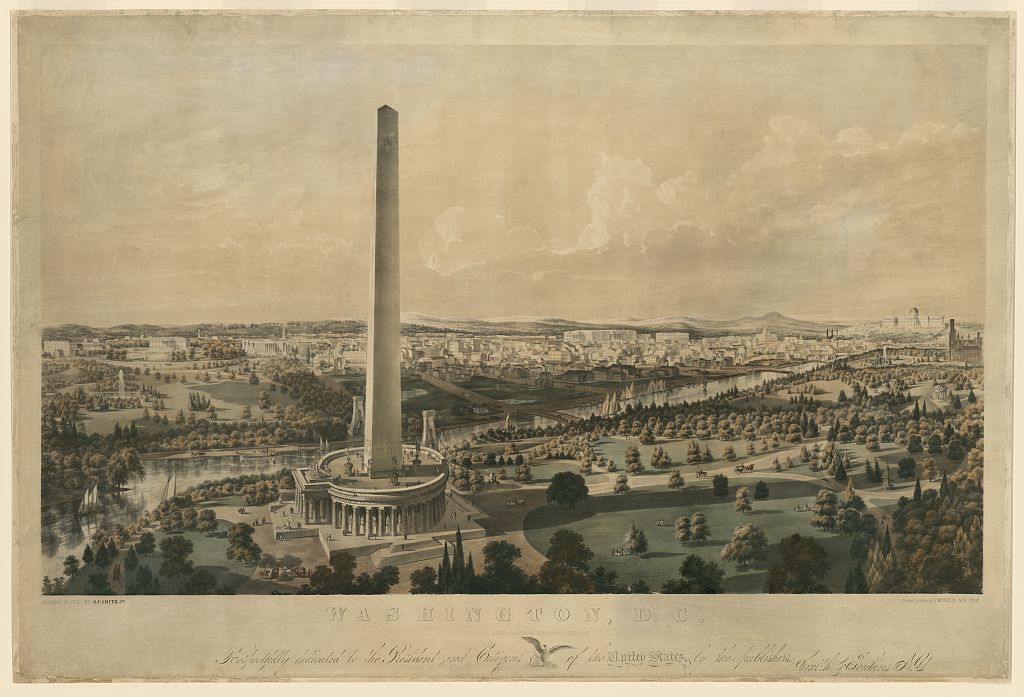
On October 9, 1888, the Washington Monument in Washington D.C. was officially opened to the public. Standing 555 feet tall, it was the tallest man-made structur...
Read More →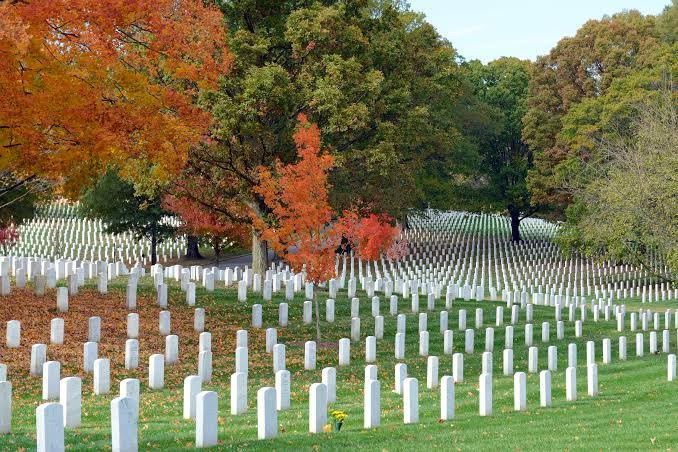
On 10 March 1930, the 27th President of the United States, William Howard Taft, was laid to rest at the nation’s renowned national burial ground, Arlington Nati...
Read More →
Makar Sankranti was a seasonal festival deeply rooted in the agrarian life of the subcontinent, traditionally observed around 14 January and celebrated with the...
Read More →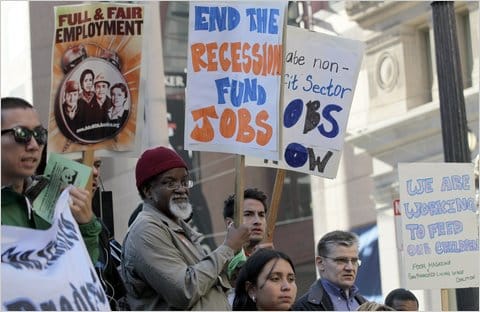
2010: The global real estate market had begun showing its first cautious signs of recovery after years of stagnation caused by the 2008 subprime mortgage colla...
Read More →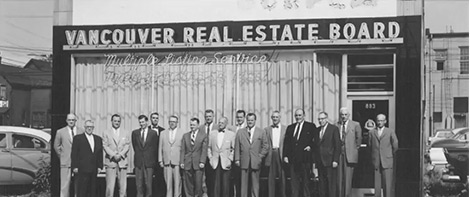
On October 22, 1929, the nation's first comprehensive real estate board was established, creating professional standards and ethical guidelines for property tra...
Read More →
The acquisition of land for the Model Town Society was one of the most remarkable and spirited chapters in its early history. Dewan Khem Chand and his...
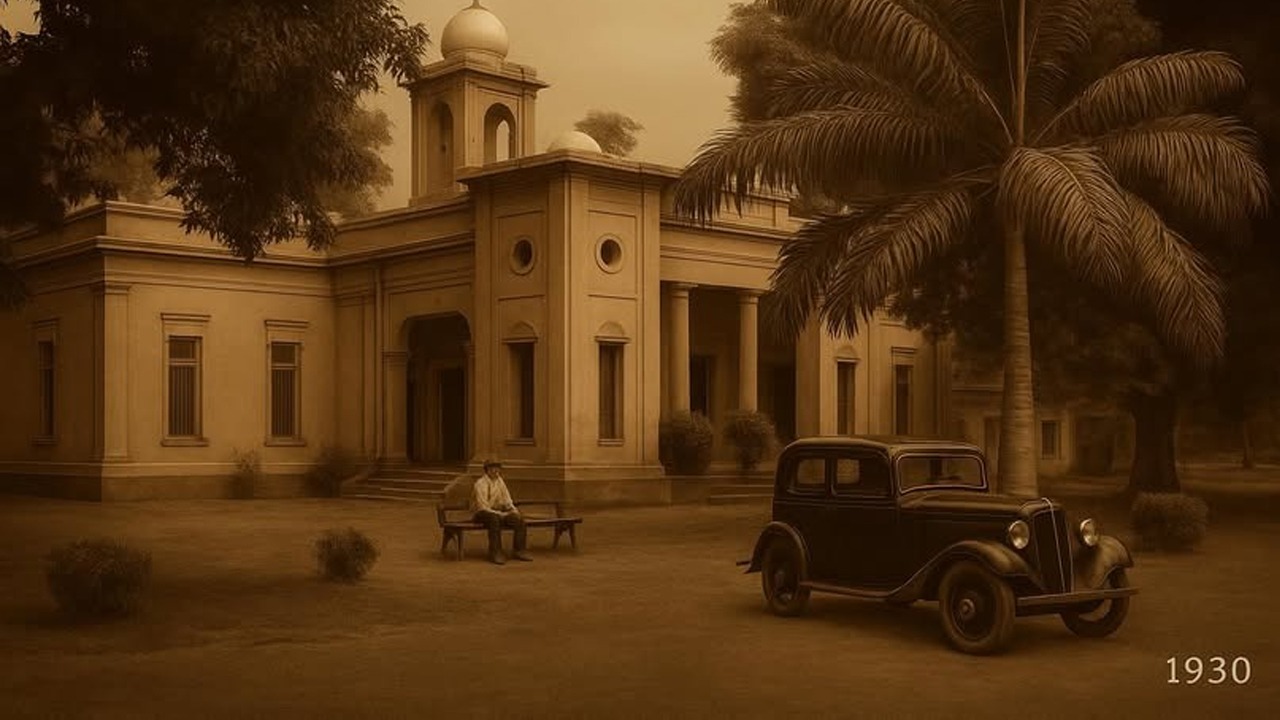
Between 1921 and 1924, the land for Model Town Lahore was acquired in successive phases. The process began in 1921, shortly after the establishment of...
No comments yet. Be the first to comment!