
Syed Shayan Real Estate Archive
Syed Shayan Real Estate Archive
From Real Estate History
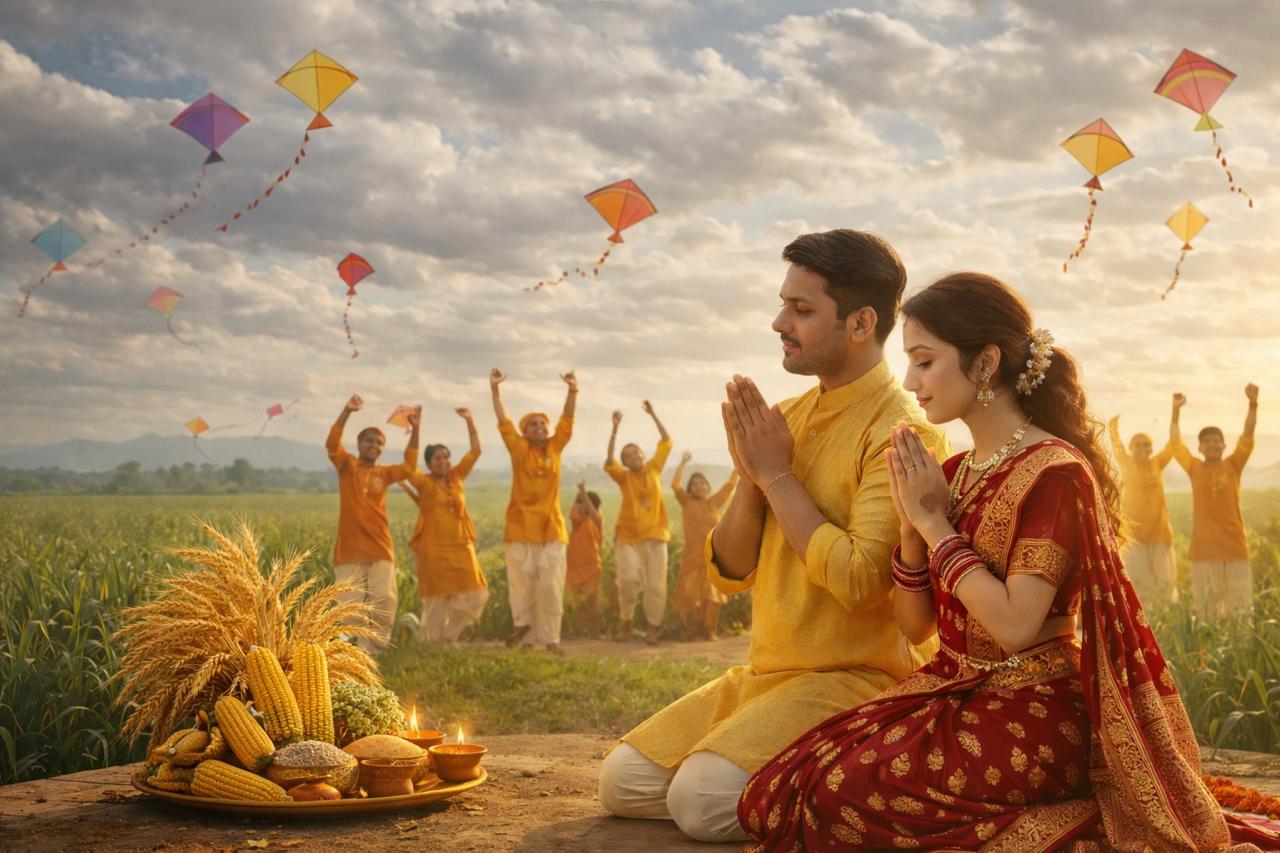
Makar Sankranti was a seasonal festival deeply rooted in the agrarian life of the subcontinent, traditionally observed around 14 January and celebrated with the significance of a day of Eid. In its contemporary form, however, it has largely been reduced to kite flying alone and is now commonly known as Basant.
In the history of the Indian subcontinent, certain dates hold meanings far beyond their place on the calendar. They reflect enduring relationships between human life, land, and economic systems. Makar Sankranti was one such occasion.
For rural society, this day marked a major celebration. It belonged to an era when land was the principal source of production and livelihood. The income of an ordinary household depended almost entirely on one or two harvests each year, making the completion of a crop cycle synonymous with the arrival of prosperity.
Makar Sankranti generally coincided with the completion of the Kharif harvest, including crops such as maize, sugarcane, cotton, and rice, while preparations for the Rabi season crops such as wheat, gram, and mustard would begin. It represented a moment of economic closure and renewal within the agricultural calendar.
At this stage, farmers received the reward for months of labour. Income was realised, food supplies were abundant, and capital accumulated in the form of cash or grain. This period enabled planning for the next agricultural cycle, including land agreements, repayment of debts, and the buying and selling of livestock. As a result, the day fostered genuine happiness, social cohesion, and psychological reassurance within rural communities. From an economic perspective, it effectively functioned as the farmer’s financial year closing.
The importance of 14 January is also well established from historical and astronomical perspectives. On this date, the sun enters the zodiac sign of Capricorn, and daylight hours begin to increase. The retreat of early winter signalled favourable conditions for crop growth. Known as Lohri in Punjab, Tirmoori in Sindh, and by other regional names elsewhere, this celebration served as an expression of gratitude for the fertility of the land and the income it sustained.
As the subcontinent gradually transitioned from an agrarian society to an urban and industrial one, the practical relevance of this festival steadily declined. Income sources shifted from agriculture to salaried employment, industry, and commerce. Along with this transformation, the festival itself changed form. What was once a rural celebration tied to land and seasons became an urban event, now widely referred to as Basant.
In cities, the day is marked by organised kite flying competitions. Corporate groups and multinational companies exchange invitations with clients and associates. People spend long hours flying kites, chanting celebratory slogans, and enjoying seasonal food while dressed in new and bright clothing. Outwardly, the festival continues, but its context has changed entirely.
Basant was originally a seasonal celebration grounded in the natural environment. It emerged under open skies, amid expansive fields and trees, where space, wind, and rhythm shaped daily life. In such surroundings, kite flying felt organic and harmonious, as though colour, air, and earth were participating together in a shared celebration.
When the same festival entered the city, it encountered a fundamentally different environment. Polluted air, dense networks of metallic power lines, endless rooftops, and crowded urban spaces transformed the nature of the activity. What had once been a rural game became a cause of fatal accidents. Gradually, celebration gave way to mourning.
In this sense, Basant did lose its spirit in the urban setting. The primary reason was the absence of cultural compatibility. The festival failed to adapt to its new environment. In rural areas, safety was embedded within the natural setting itself. In cities, that protective balance collapsed, and play turned into risk.
This reflects a broader principle. Every tradition, custom, and practice is shaped by its original environment. When a cultural activity is removed from its natural context, it may continue mechanically, but its essence is lost. The case of Basant illustrates this clearly.
Meaning arises not only from an activity itself but from the environment in which it exists. When something is separated from its natural setting and placed elsewhere, it ceases to be a source of beauty and becomes a potential hazard.
If urban residents were to celebrate Basant in rural areas, in open fields free from metallic wires and overcrowding, it is possible that the original joy, colour, and vitality of the festival could reappear. The problem does not lie in the festival itself, but in the place where it is practiced.
▪️Syed Shayan Real Estate Archive
▪ Reference(s):
مکر سنکرانتی: برصغیر کی دیہی زندگی کا ایک گمشدہ تہوار جو عموماً 14 جنوری کو روزِ عید کی مانند منایا جاتا تھا۔ آج بسنت کا نام دے کر اسے محض پتنگ بازی تک محدود کر دیا گیا ہے۔
برصغیر پاک و ہند کی تاریخ میں کچھ ایام ایسے ہیں جو محض تقویم کا حصہ نہیں بلکہ انسانی زندگی، زمین اور معیشت سے جُڑے رشتوں کی عکاسی کرتے ہیں۔
انہی میں سے ایک “مکر سنکرانتی” ہے، جو کبھی 14 جنوری کو دیہی معاشرے میں روزِ عید کی طرح بڑے خوشی کے دن کے طور پر منایا جاتا تھا۔ یہ وہ دور تھا جب زمین ہی پیداوار اور روزگار کا واحد بڑا ذریعہ سمجھی جاتی تھی۔
اس زمانے میں عام آدمی کی آمدن کا دارومدار سال میں کٹنے والی ایک یا دو فصلوں پر ہوتا تھا، اسی لیے فصل کی کٹائی کا مطلب ہی دولت کا آنا سمجھا جاتا تھا۔
مکر سنکرانتی، جو عموماً 14 جنوری کو آتی ہے، اس مرحلے کی نمائندگی کرتی تھی جب خریف (جیسے مکئی، گنا، کپاس اور چاول) کی فصل مکمل ہو چکی ہوتی تھی اور ربیع (جیسے گندم، چنا، سرسوں) کی فصل کی تیاری یا ابتدا ہو جاتی تھی۔
اس موقع پر کسان کو اپنی محنت کا پھل ملتا تھا، آمدن حاصل ہوتی تھی، خوراک وافر ہوتی تھی اور جیب میں نقدی یا اناج کی صورت میں وہ سرمایہ جمع ہوتا تھا جس سے وہ اگلے زرعی سال کی منصوبہ بندی کر سکتا تھا۔ زمینوں کے نئے معاہدے، قرضوں کی ادائیگی اور مویشیوں کی خرید و فروخت کے لیے یہ وقت موزوں ترین سمجھا جاتا تھا۔ یہی وجہ تھی کہ یہ دن کسان معاشرے میں حقیقی خوشی، اجتماعی میل جول اور ذہنی اطمینان کا باعث بنتا تھا۔ معاشی نقطۂ نظر سے یہ دن کسان کی “فنانشل ایئر کلوزنگ” (Financial Year Closing) کے مترادف تھا۔
تاریخی اور فلکیاتی طور پر بھی 14 جنوری کی اہمیت مسلم ہے۔ اس دن سورج برجِ جدی میں داخل ہوتا ہے اور اسی تاریخ سے دن کا دورانیہ بڑھنا شروع ہو جاتا ہے۔ موسمِ سرما کا پہلا دورانیہ رخصت ہو جاتا ہے۔ زراعت سے وابستہ لوگوں کے لیے بڑھتی ہوئی دھوپ فصلوں کی نشوونما کی نوید ہوتی تھی۔ پنجاب میں “لوہڑی”، سندھ میں “ترموری” اور دیگر علاقوں میں مختلف ناموں سے منایا جانے والا یہ جشن دراصل زمین کی زرخیزی اور اس سے حاصل ہونے والی آمدن کا شکرانہ تصور کیا جاتا تھا۔
وقت گزرنے کے ساتھ جب برصغیر کا معاشرتی نظام زرعی سے شہری اور صنعتی صورت اختیار کرتا گیا، تو اس تہوار کی عملی اہمیت بھی رفتہ رفتہ کم ہوتی چلی گئی۔ جیسے جیسے آمدن کے ذرائع فصلوں کے بجائے تنخواہ، صنعت اور کاروبار سے جڑتے گئے، زمین سے وابستہ اس تہوار کی شکل بھی بدلتی چلی گئی، اور آج اس تہوار کو عرفِ عام میں بسنت کہا جاتا ہے۔ اب یہ دیہی زندگی سے نکل کر ایک شہری تہوار بن چکا ہے۔
اس دن چھوٹے بڑے شہروں میں پتنگ بازی کے مقابلے ہوتے ہیں۔ مقامی ملٹی نیشنل کمپنیاں اور بڑے کاروباری گروپ ایک دوسرے کو اور اپنے کلائنٹس کو بسنت منانے کے دعوت نامے بھیجتے ہیں۔ سارا دن اور ساری رات پتنگ بازی کرتے ہوئے “بوکاٹا، بوکاٹا” کے نعرے بلند کیے جاتے ہیں اور موسمی کھانے کھاتے ہوئے وقت گزارا جاتا ہے۔ لوگ نئے، اجلے کپڑے پہن کر یہ دن مناتے ہیں اور خوش ہوتے ہیں۔
میں اکثر سوچتا ہوں کہ بسنت ایک زمینی حقیقت سے جڑا ہوا فصلی تہوار تھا، ایک ایسا تہوار جس نے ایک فطری ماحول میں جنم لیا جہاں کھلا آسمان تھا، لہلہاتے کھیت تھے، درخت تھے، ہوا میں وسعت تھی، اور زندگی کی رفتار میں ٹھہراؤ تھا۔ ایسے ماحول میں بسنت منانا اور پتنگ بازی کرنا فطرت کے قریب محسوس ہوتا ہے، جیسے رنگ، ہوا اور زمین ایک ہی جشن میں شریک ہوں۔
لیکن جب یہی تہوار شہر میں آیا تو اس نے گویا بالکل مختلف ماحول میں قدم رکھا۔ آلودہ فضا، بجلی کے دھاتی تاروں میں الجھے کھمبوں کا لا متناہی سلسلہ، تا حدِ نظر چھتوں سے جُڑے میدان اور لوگوں کا اژدحام۔ شہر میں وہی عمل جو دیہات میں کھیل تھا، یہاں آ کر خونی موت بن گیا۔ نتیجہ یہ نکلا کہ خوشی آہستہ آہستہ ماتم میں بدل گئی۔
تو کیا شہر میں بسنت نے اپنی روح کھو دی؟
ہاں، یقیناً ایسا ہی ہوا، اور اس کی سب سے بڑی وجہ ثقافتی ہم آہنگی یعنی کلچر کمپٹیبیلیٹی (Cultural Compatibility) کا فقدان ہے۔ بسنت شہر میں اس لیے خونی کہلائی کیونکہ وہ اس ماحول کے ساتھ ہم آہنگ نہ ہو سکی۔ دیہی ماحول میں اس تہوار کے اندر جو فطری حفاظت موجود تھی، وہ خود ماحول فراہم کرتا تھا۔ شہر میں وہ حفاظتی حصار ٹوٹ گیا، اور کھیل موت کا دائرہ بن گیا۔
قدرت کا یہی قانون ہے کہ ہر روایت، ہر رسم، اور ہر عمل اپنی اصل جگہ پر ہی جچتا ہے۔ کسی بھی ثقافتی سرگرمی کا اپنے فطری ماحول یعنی نیچرل کانٹیکسٹ (Natural Context) سے کٹ جانا اسے ایک مکینکی عمل تو بنا سکتا ہے، لیکن اس کی روح فنا کر دیتا ہے۔ بسنت کے حوالے سے بھی یہی کچھ ہوا۔
چیزیں صرف اپنے وجود سے نہیں بلکہ اپنے ماحول سے معنی پاتی ہیں۔ جب ہم کسی چیز کو اس کے فطری سیاق سے کاٹ کر کہیں اور رکھتے ہیں تو وہ حسن کے بجائے حادثہ بن جاتی ہے۔
ہاں، اگر آج شہری لوگ دیہاتوں میں جا کر بسنت منانا شروع کر دیں، کھلے میدانوں میں، بغیر دھاتی تاروں کے، بغیر ہجوم کے، تو شاید وہی خوشی، وہی رنگ، وہی زندگی دوبارہ واپس آ جائے جسے ہم کھو بیٹھے ہیں۔
▪️ سید شایان ریئل اسٹیٹ آرکائیو
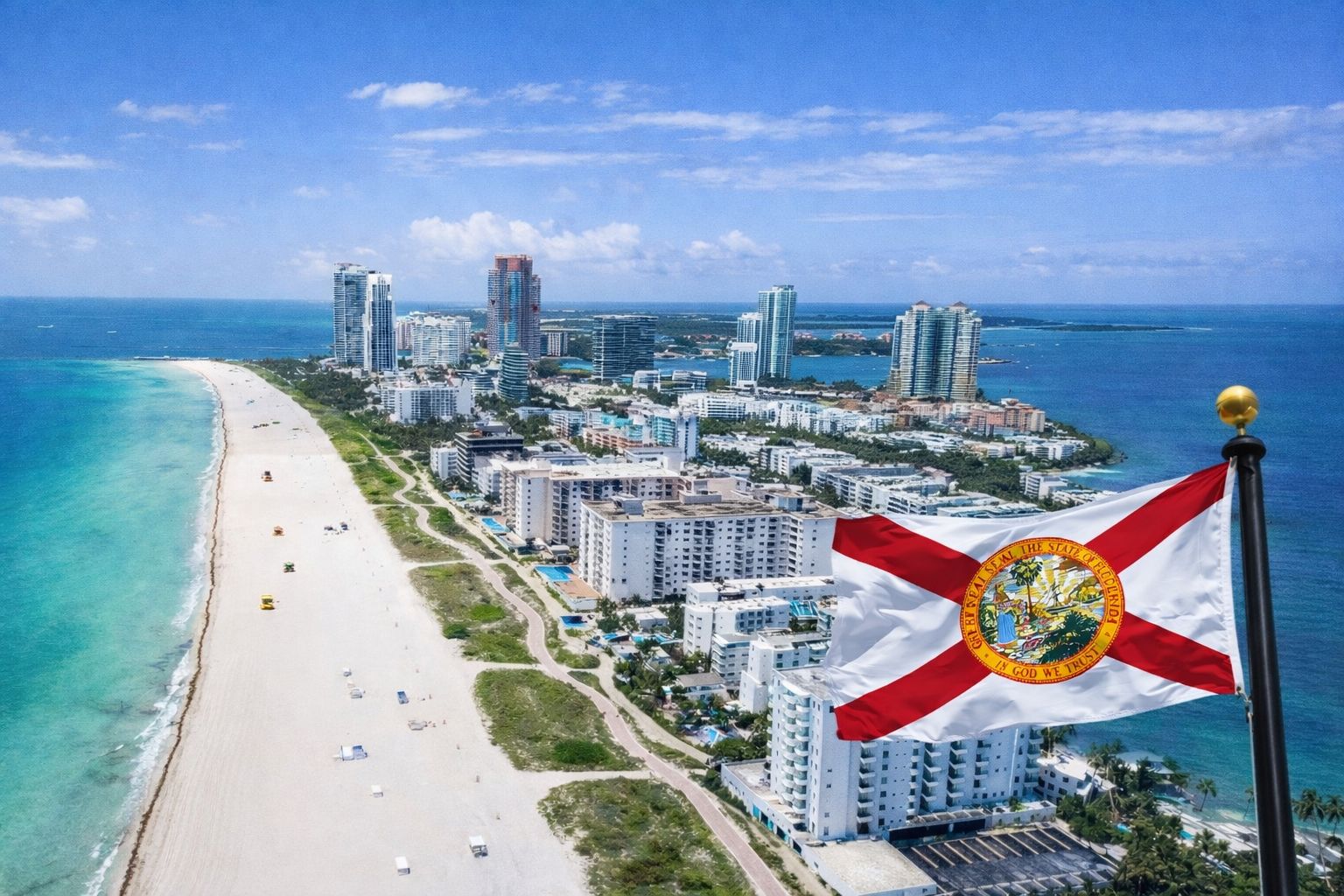
Prior to Florida’s admission, the United States consisted of 26 states. Its elevation to statehood was driven in part by the need to preserve the delicate polit...
Read More →
On November 12, 1885, Paris initiated a large-scale suburban expansion project inspired by Baron Haussmann’s earlier urban reforms. The French government sought...
Read More →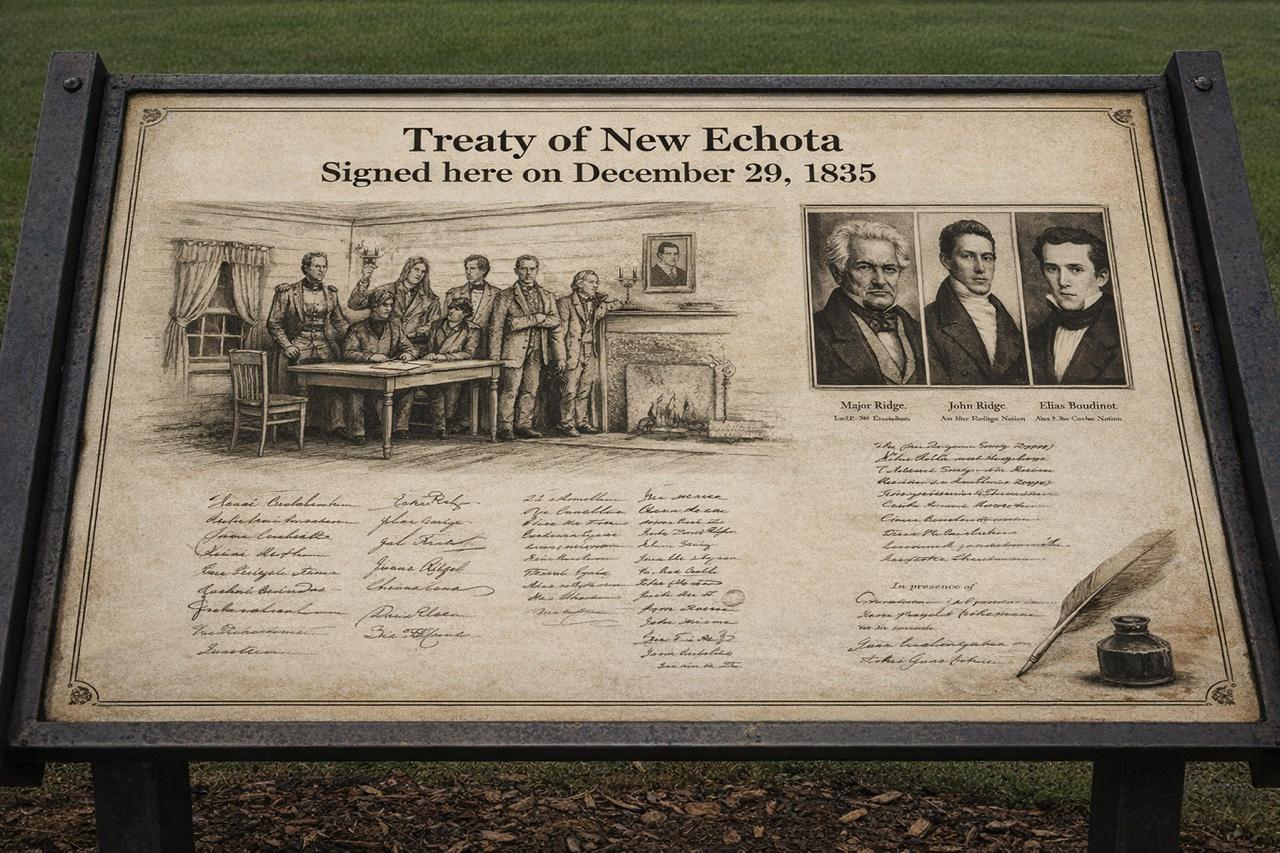
On 29 December 1835, a legal treaty was concluded in the American state of Georgia, historically known as the Treaty of New Echota. This agreement is regarded ...
Read More →
On October 23, 1972, pioneering energy efficiency standards for commercial buildings were enacted, establishing the first comprehensive requirements for energy ...
Read More →
On November 17, 1994, the Peshawar Development Authority (PDA) began its first Ring Road Housing Expansion Scheme to reduce congestion inside the historical cor...
Read More →
The acquisition of land for the Model Town Society was one of the most remarkable and spirited chapters in its early history. Dewan Khem Chand and his...
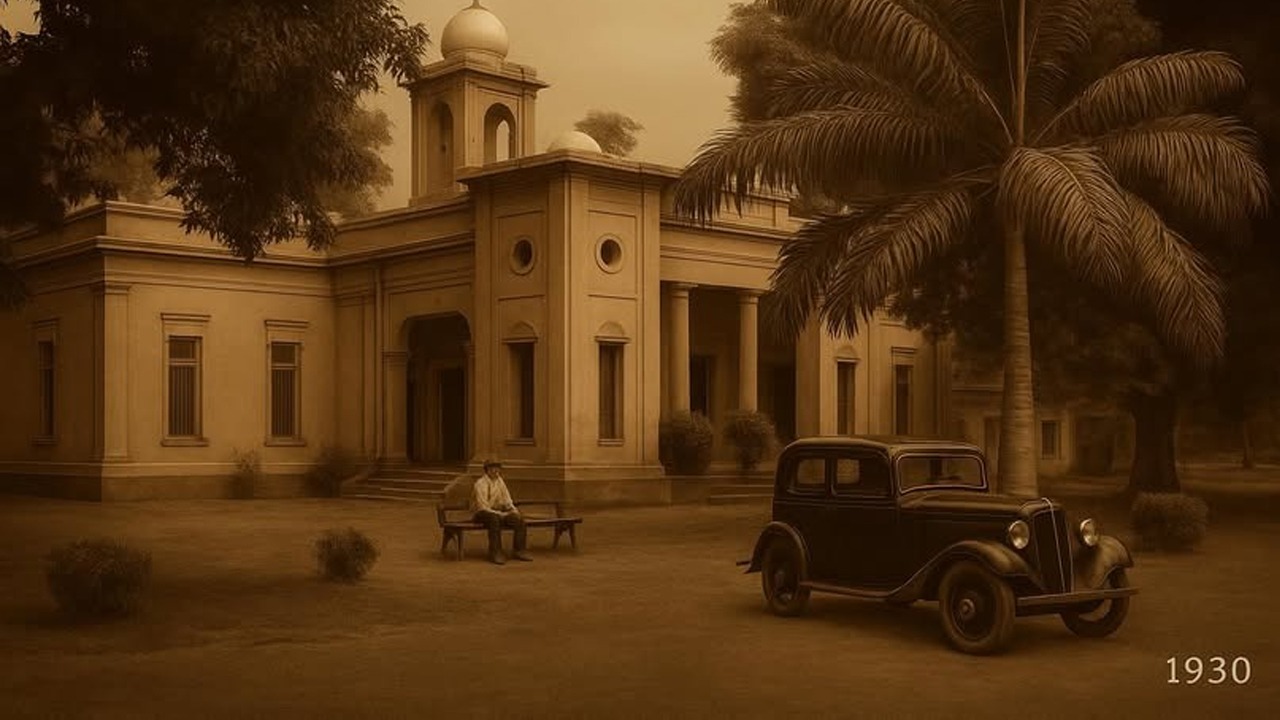
Between 1921 and 1924, the land for Model Town Lahore was acquired in successive phases. The process began in 1921, shortly after the establishment of...
No comments yet. Be the first to comment!