
Syed Shayan Real Estate Archive
Syed Shayan Real Estate Archive
From Real Estate History
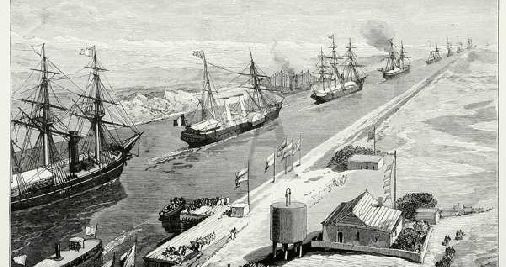
In a manoeuvre to fortify its stance upon the realms of international commerce and strategic infrastructure, the British Government has secured effective dominion over one of the world’s paramount maritime passages through the purchase of substantial shares in the Suez Canal Company. This historic transaction was executed under the direct sanction of Prime Minister Benjamin Disraeli, who capitalised upon the fiscal exigencies of the Egyptian sovereign, Khedive Ismail Pasha, to procure 176,602 shares at a sum of 3,976,582 pounds sterling. The financial arrangements were expeditiously facilitated by the Rothschild family in the form of an immediate loan, which played a central role in consummating the accord.
Although the acquisition was finalised on 25 November and apprised to the British Parliament on 26 November, it was on 27 November 1875 that sundry British periodicals, including The Times of London and The Manchester Guardian, promulgated the tidings upon their frontispieces. According to these accounts, Britain has thereby become a stakeholder in approximately 44 per centum of the Canal Company, conferring upon it a decisive sway over this vital conduit betwixt Europe and Asia.
Authorities in economics and geography opine that this inclusion in the proprietorship of the Suez Canal constitutes a unique paradigm in the sphere of global real estate oversight, wherein not mere terra firma, but a planetary corridor, was acquired. This corridor has profoundly altered the cartography of international trade, the orchestration of port cities, colonial administration, and the global transport schema. As a consequence of this purchase, mercantile routes have been abbreviated by nigh seven thousand kilometres, conveyance expenditures diminished, and British influence extended to unprecedented extents across the Middle East, Eastern Africa, and Southern Asia.
Historians aver that this bargain was, in essence, the decree which paved the path for Britain’s de facto suzerainty over Egypt in 1882. It not only transformed the urban schematics of metropolises such as Alexandria, Suez, and Port Said, but also augmented the economic stature of harbour entrepôts like Aden, Karachi, Hong Kong, and Singapore. Experts in global real estate affirm that this acquisition exemplifies how a singular infrastructure edifice may redirect the economic trajectories of entire continents.
Per the records of the Syed Shayan Real Estate Archive, the British gazettes of 27 November 1875 characterised this resolution as a decisive stride in British imperial stratagem, the repercussions of which shall resonate through the conduits of global commerce and urban evolution for more than a century henceforth.
▪ Reference(s):
رطانوی حکومت نے عالمی تجارت اور اسٹرٹیجک انفراسٹرکچر پر اپنی پوزیشن مستحکم کرنے کے لیے سویز کینال کمپنی کے بڑے حصص خرید کر دنیا کے سب سے اہم بحری راستے پر مؤثر کنٹرول حاصل کر لیا ہے۔ یہ تاریخی سودا وزیر اعظم بینجمن ڈِزریلی کی براہ راست منظوری سے انجام پایا، جنہوں نے مصری حکمران خِدیُو اسماعیل پاشا کی مالی بدحالی کے موقع کو استعمال کرتے ہوئے کینال کے 176,602 شیئرز 3,976,582 پاؤنڈ سٹرلنگ میں خرید لیے۔ رقم کا بندوبست روٹھ شیلڈ خاندان نے فوری قرض کی صورت میں کیا، جو اس معاہدے کو ممکن بنانے میں مرکزی کردار تھا۔
اگرچہ خریداری 25 نومبر کو مکمل ہوئی اور 26 نومبر کو برطانوی پارلیمنٹ کو آگاہ کیا گیا، لیکن 27 نومبر 1875 کو برطانیہ کے متعدد اخبارات، جن میں The Times London اور The Manchester Guardian شامل ہیں، نے یہ خبر سرِفہرست شائع کی۔ ان اخبارات کے مطابق برطانیہ اب کینال کمپنی کا تقریباً 44 فیصد حصہ دار بن چکا ہے، جو یورپ اور ایشیا کے درمیان واقع اس اہم گزرگاہ پر فیصلہ کن اثر و رسوخ کا حامل بننے کے مترادف ہے۔
معاشی اور جغرافیائی ماہرین کے مطابق سویز کینال کی ملکیت میں یہ شمولیت حقیقت میں عالمی رئیل اسٹیٹ کنٹرول کی ایک منفرد مثال تھی، جہاں زمین نہیں بلکہ ایک گلوبل کوریڈور خریدا گیا۔ اس کوریڈور نے بین الاقوامی تجارت، بندرگاہی شہروں کی پلاننگ، نوآبادیاتی تنظیم اور عالمی ٹرانسپورٹ کے نقشے کو یکسر بدل دیا۔ اس خریداری کے نتیجے میں تجارتی راستے تقریباً سات ہزار کلومیٹر کم ہو گئے، اشیا کی ترسیل کے اخراجات گھٹ گئے، اور برطانوی اثر و رسوخ مشرقِ وسطیٰ، مشرقی افریقہ اور جنوبی ایشیا تک بے مثال حد تک بڑھ گیا۔
تاریخ دانوں کا کہنا ہے کہ یہ سودا دراصل وہ فیصلہ ہے جس نے 1882 میں مصر پر برطانیہ کے عملی کنٹرول کی راہ ہموار کی۔ اس سے نہ صرف اسکندریہ، سویز اور پورٹ سعید جیسے شہروں کی شہری منصوبہ بندی تبدیل ہوئی بلکہ ایڈن، کراچی، ہانگ کانگ اور سنگاپور جیسے بندرگاہی شہروں کی اقتصادی حیثیت بھی بڑھ گئی۔ عالمی رئیل اسٹیٹ کے ماہرین کے مطابق یہ خریداری اس بات کی مثال ہے کہ کس طرح ایک اہم انفراسٹرکچر پورے براعظموں کی معاشی سمت تبدیل کر سکتا ہے۔
سید شایان رئیل اسٹیٹ آرکائیو کے مطابق 27 نومبر 1875 کے برطانوی اخبارات اس فیصلے کو برطانوی سامراجی حکمتِ عملی کا فیصلہ کن قدم قرار دیتے ہیں، جس کے اثرات ایک صدی سے زائد عرصہ تک عالمی تجارتی راستوں اور شہری ترقی پر محسوس کیے جاتے رہیں گے

On 27 November 1962, the Lahore Improvement Trust (LIT) issued a landmark resolution approving, for the first time, the formal urban expansion of Lahore across the western bank of the Ravi River (towards Shahdara). This decision emerged at a time when Lahore was confronting rapid population growth, the housing pressures of post Partition migration, and increasingly unplanned urban sprawl.
Established in 1936 under the Punjab Town Improvement Act of 1922, the LIT was responsible for urban reconstruction, residential layout planning, land acquisition, and the development of new housing schemes in and around Lahore. After Partition in 1947, the influx of refugees created an unprecedented housing crisis. In response, LIT initiated several major schemes including Samanabad (1950) for middle and lower income groups, Gulberg (1952) for higher income residents, and Wahdat Colony (1958) for government employees during the One Unit period. Financial limitations and a revenue model dependent on land sales, however, often resulted in greater attention toward middle and upper income categories.
▫Urban Pressure, the Ravi River, and Lahore’s Expanding Geography
By the late 1950s, Lahore was compelled to grow beyond its traditional eastern and central limits. Although vast land lay west of the Ravi River, expansion had long been inhibited by monsoon floods, drainage challenges, and the flat topography of the region. Yet socio economic surveys undertaken in 1962 increasingly indicated that westward expansion was essential to accommodate future residential needs.
Against this backdrop, the LIT on 27 November 1962 formally approved the opening of new residential estates on the Ravi’s western bank. The plan included dedicated engineering measures for flood protection, drainage, road alignment, and the provision of basic civic amenities. At the time, LIT’s administrative jurisdiction spanned 128 square miles, with proposals under review to expand that jurisdiction to 380 square miles. The 1962 decision marked a significant shift from piecemeal township schemes to broader metropolitan planning.
▫Financial Position and the Changing Planning Landscape
Annual statements from 1961 to 1965 show that LIT recorded a surplus of 1.7 million Pakistani rupees in 1962, providing limited fiscal space for new development. Yet long standing constraints remained: between 1947 and 1975, only 11 percent of all LIT residential plots were allocated to low income groups, reflecting structural limitations in its development model.
▫Subsequent Developments and the Path to the Creation of LDA
The 1962 westward expansion initiative set in motion a series of more modern planning efforts.
• By 1966, the Iqbal Town scheme was developed with Canadian consultants.
• At Kot Lakhpat, a low income housing project was designed with American assistance through Doxiadis Associates.
A major administrative shift occurred in February 1967, when Lahore’s complete water, sewerage, and drainage systems were transferred from the Lahore Municipal Corporation (LMC) to LIT. LMC had accumulated a deficit of 7.12 million rupees by 1965; assets worth 19.1 million rupees were transferred, resulting in new rate structures and the introduction of metering.
Infrastructure planning continued under engineering reports issued in 1964, which projected water demand up to 1981 and linked sewage disposal systems to the Ravi River. The 1966 Draft Master Plan for Greater Lahore (formally published in 1973) underscored the need for a stronger institution than LIT to manage citywide growth.
This process culminated in 1975, when the Punjab Legislative Assembly enacted the LDA Act, transforming the Lahore Improvement Trust into the Lahore Development Authority (LDA). LDA inherited LIT’s assets but was granted wider financial, regulatory, and judicial powers. In the following decades, LDA developed over 55,000 residential plots, introduced low cost housing schemes, and reshaped Lahore’s modern urban landscape.
The 27 November 1962 approval is therefore regarded as a key archival moment, marking the transition from colonial era improvement trusts toward more comprehensive, metropolitan scale development authorities in Pakistan.
▪ Reference(s):
▫️27 نومبر 1962 کا فیصلہ بعد میں ایل ڈی اے کی تشکیل کی بنیاد ثابت ہوا
27 نومبر 1962 کو لاہور امپرومنٹ ٹرسٹ (LIT) نے ایک تاریخی فیصلہ کرتے ہوئے پہلی مرتبہ دریائے راوی کے مغربی کنارے پر باقاعدہ شہری توسیع کی منظوری دے دی۔ یہ فیصلہ اُس وقت کیا گیا جب لاہور تیزی سے بڑھتی آبادی، مہاجرین کے دباؤ اور غیر منظم شہری پھیلاؤ کا سامنا کر رہا تھا۔
1936 میں پنجاب ٹاؤن امپرومنٹ ایکٹ 1922 کے تحت قائم ہونے والا LIT لاہور کی شہری تنظیم نو، رہائشی بستیوں کی منصوبہ بندی، اور زمین کے حصول جیسے امور کا ذمہ دار تھا۔ تقسیم کے بعد مہاجرین کی آمد سے شہر میں رہائش کی شدید قلت پیدا ہوئی، جس کے لیے LIT نے سمن آباد (1950)، گلبرگ (1952) اور وحدت کالونی (1958) جیسے منصوبے شروع کیے۔ یہ کالونیاں مختلف آمدنی طبقات کے لیے بنائی گئیں، اگرچہ مالیاتی دباؤ کے باعث زیادہ توجہ متوسط اور بالائی طبقات پر رہی۔
▫️شہری آبادی کا دباؤ، دریاۓ راوی اور بڑھتا ہوا لاہور
1950 کی دہائی کے اواخر تک لاہور روایتی مشرقی حدود سے باہر پھیلنے پر مجبور تھا۔ مغربی جانب زمین اگرچہ وسیع تھی، لیکن سیلابی خطرات اور نکاسی آب کے مسائل کے باعث منصوبہ بندی مشکل تھی۔ اس کے باوجود LIT کے پاس موجود سروے اور سوشیو اکنامک مطالعات 1962 میں اس بات کی نشاندہی کرنے لگے کہ مستقبل کی شہری ضروریات کے لیے راوی کے اس پار توسیع ناگزیر ہے۔
اسی پس منظر میں 27 نومبر 1962 کو ٹرسٹ نے ایک اہم منظوری دیتے ہوئے مغربی کنارے پر نئی رہائشی بستیاں قائم کرنے کا فیصلہ کیا، جن میں سیلابی تحفظ، نکاسی آب، اور بنیادی سہولیات کی فراہمی کے لیے خصوصی انجینئرنگ اقدامات شامل تھے۔
اس وقت LIT کی انتظامی حدود 128 مربع میل تھیں جبکہ اسے بڑھا کر 380 مربع میل تک لے جانے کی سفارشات حکومت کے پاس زیر غور تھیں۔ اس فیصلے کو مستقبل کی میٹروپولیٹن منصوبہ بندی کا پیش خیمہ سمجھا گیا۔
▫️مالی صورتحال اور منصوبہ سازی میں تبدیلیاں
LIT کی 1961 سے 1965 تک کی سالانہ رپورٹس کے مطابق 1962 میں ٹرسٹ کو 17 لاکھ روپے کا سرپلس ملا، جس نے نئی زمینوں کی ترقی کے لیے کچھ مالی گنجائش فراہم کی۔ تاہم کم آمدنی والے طبقات کے لیے رہائش پھر بھی محدود رہی اور 1947 سے 1975 تک محض 11 فیصد پلاٹس اس گروہ کو دیے گئے۔
▫️اگلے اقدامات اور ایل ڈی اے کی تشکیل کی راہ
1962 کے فیصلے کے بعد لاہور کے مستقبل کے منصوبے منظم ہونے لگے۔ 1966 میں اقبال ٹاؤن کا ڈیزائن کینیڈین کنسلٹنٹس کے ذریعے تیار ہوا جبکہ کوٹ لکھپت اسکیم امریکی امداد کے ساتھ ڈاکسیاڈیس ایسوسی ایٹس نے بنائی۔
فروری 1967 میں پانی، سیوریج اور ڈرینیج کا پورا نظام لاہور میونسپل کارپوریشن سے LIT کو منتقل کر دیا گیا۔ میونسپل کارپوریشن اس شعبے میں مالی بحران کا شکار تھی اور 71 لاکھ روپے کا خسارہ ریکارڈ ہو چکا تھا۔
1964 میں جاری انجینئرنگ کنسلٹنٹس کی رپورٹ نے 1981 تک کے طویل مدتی ترقیاتی پروگرام کی بنیاد رکھی، جس میں پانی کی یومیہ کھپت، سیوریج کے بہاؤ اور راوی کے ذریعے نکاسی جیسے اہم نکات شامل تھے۔
1966 کا “ڈرافٹ ماسٹر پلان فار گریٹر لاہور” (جو 1973 میں شائع ہوا) اس بات کو اجاگر کرتا ہے کہ LIT کے پاس اتنے بڑے شہر کی ترقی کا مؤثر اختیار نہیں تھا۔
بالآخر 1975 میں پنجاب اسمبلی نے LDA Act پاس کیا اور LIT کو لاہور ڈیولپمنٹ اتھارٹی (LDA) میں تبدیل کر دیا گیا، جسے وسیع مالی، انتظامی اور عدالتی اختیارات حاصل ہوئے۔ ایل ڈی اے نے بعد میں ہزاروں نئے پلاٹس، کم لاگت ہاؤسنگ اسکیمز، اور شہری منصوبہ بندی کے جدید ماڈلز متعارف کرائے

On October 8 1871 a catastrophic fire broke out in Chicago Illinois destroying over 17 000 buildings across 3.3 square miles and leaving 100 000 people homeless. Fueled by wooden construction strong winds and months of drought the flames raged for two days and claimed more than 300 lives. The financial losses exceeded 200 million dollars making it ...
Read More →
On 26 January 1905, the world’s largest known gem quality diamond, the Cullinan Diamond, was discovered at the Premier Mine in South Africa. The find immediately transformed the economic standing of the mine and its surrounding land, elevating the area to exceptional geological and commercial importance. Weighing 3,106 carats, the Cullinan Diamon...
Read More →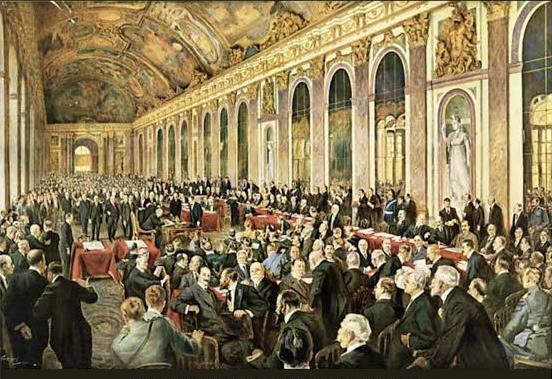
The structure of the world map and globe as they are recognised today is fundamentally rooted in the decisions taken following the Paris Peace Conference, which began on 18 January 1919. Prior to the conference, much of the world was organised under a limited number of vast imperial systems. These included the Ottoman Empire, extending across Asia...
Read More →
Across Pakistan, 31 December is designated as the annual Close of the revenue system, under which all land and property related records maintained by the Board of Revenue are formally closed on a yearly basis. This process encompasses all administrative levels, from the traditional patwari system to modern computerised land record offices. On 31...
Read More →On November 16, 1911 the British East Africa Protectorate (modern day Kenya) issued one of its earliest Township Housing Regulations to address disorderly informal settlements forming along the new railway trade routes. The regulations introduced plot demarcation, brick-based construction requirements, sanitation guidelines and commercial-zoning bo...
Read More →
The acquisition of land for the Model Town Society was one of the most remarkable and spirited chapters in its early history. Dewan Khem Chand and his...

Between 1921 and 1924, the land for Model Town Lahore was acquired in successive phases. The process began in 1921, shortly after the establishment of...
No comments yet. Be the first to comment!