
Syed Shayan Real Estate Archive
Syed Shayan Real Estate Archive
From Real Estate History
On November 18, 1967, Tehran introduced its first high-rise regulation code to manage urban expansion and support vertical growth in the city. The 1960s saw Tehran transforming from a low-rise city to a major metropolitan center, driven by industrial growth and rural-to-urban migration. The code defined maximum building heights, mandatory setbacks, elevator standards, seismic reinforcement requirements, and minimum parking ratios for multi-storey structures. This allowed vertical expansion while reducing central district congestion and mitigating land scarcity issues. Architects and developers gained clear planning guidelines, resulting in better construction quality and a controlled skyline. Over the following decades, the policy guided the creation of high-density corridors and mid-rise housing blocks, forming the basis of Tehran’s modern zoning system. It shaped urban growth patterns, encouraged responsible architectural design, and became a reference for future urban reforms.
▪ Reference(s):
18 نومبر 1967 کو تہران نے پہلی ہائی رائز ریگولیشن پالیسی متعارف کرائی تاکہ شہر کی توسیع اور عمودی نمو کو منظم کیا جا سکے۔ 1960 کی دہائی میں تہران کم منزلہ شہر سے ایک بڑے میٹروپولیٹن مرکز میں تبدیل ہو رہا تھا، جس کی وجہ صنعتی ترقی اور دیہی علاقوں سے شہری علاقوں میں ہجرت تھی۔ اس پالیسی میں عمارتوں کی زیادہ سے زیادہ اونچائی، لازمی سیٹ بیک، لفٹ کے معیار، زلزلہ مزاحم تقویت، اور کثیر المنزلہ عمارتوں کے لیے کم از کم پارکنگ کے اصول شامل تھے۔ اس نے مرکزی علاقوں میں بھیڑ کم کی اور زمین کی قلت کو کم کیا۔ معماروں اور ڈیولپرز کو واضح رہنما خطوط ملے، جس سے تعمیرات کا معیار بہتر ہوا اور اسکائی لائن قابو میں آئی۔ آنے والے عشروں میں اس پالیسی نے ہائی ڈینسٹی کاریڈورز اور درمیانی منزلہ رہائشی بلاکس کی تشکیل میں رہنمائی کی اور تہران کے جدید زوننگ سسٹم کی بنیاد رکھی۔ یہ شہری ترقی، ذمہ دارانہ ڈیزائن اور مستقبل کی شہری اصلاحات کے لیے معیار قائم کرنے میں اہم ثابت ہوئی۔
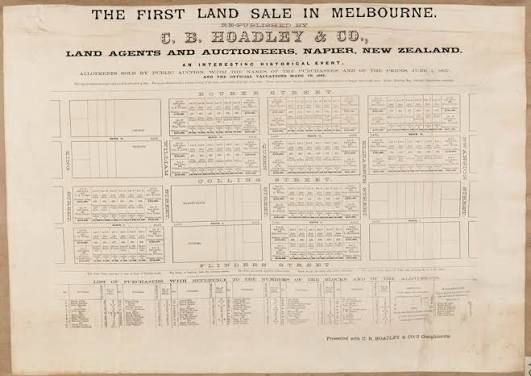
On October 10, 1885, Melbourne witnessed one of the most significant property events in its urban history when the city hosted its first large scale public land auction in the growing suburbs south of the Yarra River. At that time, Melbourne was experiencing a remarkable economic and population boom driven by gold rush prosperity, migration, and in...
Read More →
On November 21, 1979, the Tokyo Metropolitan Government released one of Japan’s earliest comprehensive flood-resilient urban infrastructure blueprints, responding to a decade of frequent typhoons and rising urban density. During the 1970s, Tokyo had experienced repeated flood emergencies due to overwhelmed drainage channels and rapid concrete exp...
Read More →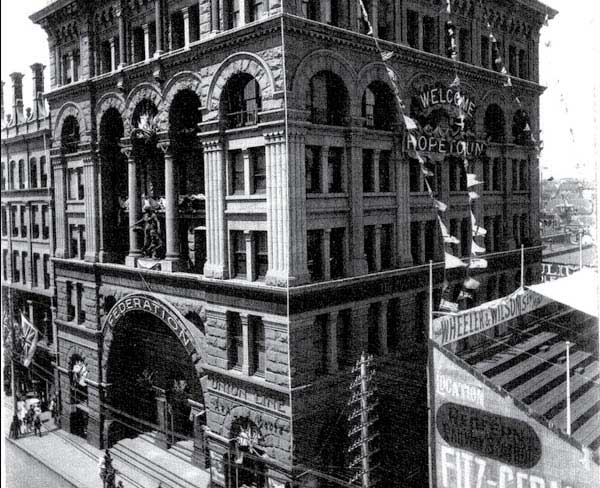
On October 22, 1888, pioneering building height limitation laws were enacted in major cities, establishing the first formal restrictions on building elevations. These regulations emerged as concerns grew about overcrowding, fire safety, and sunlight access in rapidly developing urban centers. The laws typically limited buildings to 6-8 stories, add...
Read More →
On October 27, 1994, the Federal Reserve's aggressive interest rate hikes significantly pressured the US housing market, demonstrating the powerful connection between monetary policy and real estate activity. The series of rate increases throughout 1994 translated directly into higher mortgage rates, slowing home sales, reducing refinancing activit...
Read More →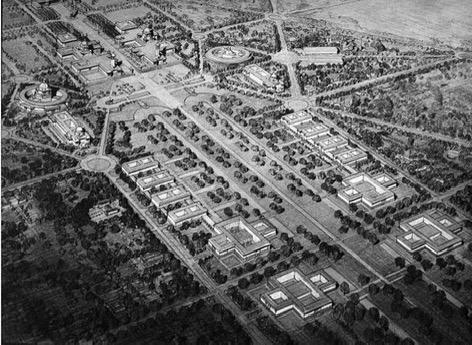
On 29 November 1912, a decisive notification was published in Part One of the Government of India Gazette, establishing the legal basis for the large scale acquisition of government land required for the construction of New Delhi, the new capital of British India. This notification followed the Delhi Durbar of 1911, during which King George V anno...
Read More →
The acquisition of land for the Model Town Society was one of the most remarkable and spirited chapters in its early history. Dewan Khem Chand and his...

Between 1921 and 1924, the land for Model Town Lahore was acquired in successive phases. The process began in 1921, shortly after the establishment of...
No comments yet. Be the first to comment!