
Syed Shayan Real Estate Archive
Syed Shayan Real Estate Archive
From Real Estate History
On November 15, 1910 the municipal government of Cape Town, South Africa created its first Public Housing Works Department to address deteriorating living conditions in overcrowded worker settlements. As industrial activity expanded around the Cape docks and railway yards, thousands of laborers lived in unhealthy informal quarters with no sanitation or structural regulation. The new department introduced properly built brick housing blocks, sanitation rules, public water points, and standardized street layouts. This marked the beginning of municipal-controlled housing reform in Cape Town and laid the foundation for early township planning. It also influenced later large-scale urban expansions, including the development of Langa township in the 1920s. The policy shifted worker housing from unregulated shacks to organized residential clusters, improving public health and shaping South Africa’s early urban real estate governance.
▪ Reference(s):
15 نومبر 1910 کو جنوبی افریقہ کے شہر کیپ ٹاؤن کی میونسپل حکومت نے مزدور بستیوں کی خراب ہوتی ہوئی رہائشی صورتحال کو بہتر بنانے کے لیے اپنا پہلا پبلک ہاؤسنگ ورکس ڈپارٹمنٹ قائم کیا۔ صنعتی سرگرمیوں کے پھیلاؤ کے ساتھ ہزاروں مزدور غیر صحت مند اور بے ترتیب بستیوں میں رہتے تھے جن میں صفائی اور تعمیراتی قواعد کا کوئی نظام نہ تھا۔ نئے ڈپارٹمنٹ نے باقاعدہ اینٹوں کے مکانات، صفائی کے اصول، عوامی پانی کے پوائنٹس اور منظم گلیوں کے نقشے متعارف کروائے۔ یہ کیپ ٹاؤن میں میونسپل سطح پر ہاؤسنگ ریفارم کی ابتدا تھی جس نے بعد میں لانگا ٹاؤن شپ جیسے منصوبوں کی بنیاد رکھی۔ اس پالیسی نے مزدوروں کو غیر رسمی جھگیوں سے نکال کر منظم رہائشی کلسٹرز میں منتقل کیا اور جنوبی افریقہ کی ابتدائی شہری رئیل اسٹیٹ پالیسیوں کو تشکیل دینے میں اہم کردار ادا کیا۔

On November 15, 1986 the Gujrat Development Authority launched the Model Town Gujrat Housing Scheme to address rising population pressure and the need for organized residential expansion. During the 1980s Gujrat was transitioning from a semi-rural district center to a rapidly urbanizing city influenced by overseas remittances and growing domestic industries. The new scheme introduced planned residential sectors, paved roads, a drainage layout, green belts, and designated commercial pockets. It provided urban families with properly sized plots and modernized housing standards, reducing the spread of unregulated neighborhoods across the city. The project also encouraged small and mid-level real estate investment by offering transparent plot allotment rather than informal land subdivision. Urban planners later viewed Model Town as one of Gujrat’s earliest structured housing developments, influencing subsequent schemes such as Gulberg Colony and Service Colony extensions.
▪ Reference(s):
15 نومبر 1986 کو گجرات ڈیویلپمنٹ اتھارٹی نے بڑھتی ہوئی آبادی اور منظم رہائشی توسیع کی ضرورت کو پورا کرنے کے لیے ماڈل ٹاؤن گجرات ہاؤسنگ اسکیم کا آغاز کیا۔ 1980 کی دہائی میں بیرون ملک ترسیلات اور مقامی صنعتوں کی ترقی کے باعث گجرات تیزی سے شہری مرکز بنتا جا رہا تھا۔ اس نئی اسکیم میں منصوبہ بند رہائشی سیکٹر، پختہ سڑکیں، نکاسیِ آب کا نظام، سبزہ زار اور مخصوص کمرشل زون شامل کیے گئے۔ اس نے شہری خاندانوں کو معیاری اور منظم رہائشی سہولیات فراہم کیں اور شہر میں بے ترتیب آبادکاری کے پھیلاؤ کو کم کیا۔ شفاف پلاٹ الاٹمنٹ نے چھوٹے اور درمیانے درجے کے رئیل اسٹیٹ سرمایہ کاروں کے لیے مواقع پیدا کیے۔ ماہرین کے مطابق ماڈل ٹاؤن گجرات شہر کی ابتدائی منصوبہ بند رہائشی اسکیموں میں سے ایک تھی جس نے بعد کی اسکیموں جیسے گلبرگ کالونی اور سروس کالونی کی توسیعات کو متاثر کیا۔

On October 25, 1967, Pakistan introduced the Urban Development and Housing Reform Act, which marked a turning point in national city planning. The legislation established urban development authorities and zoning regulations for major cities like Karachi, Lahore, and Islamabad. It promoted structured urban growth, affordable housing, and better muni...
Read More →
On October 20, 1901, the first comprehensive national building code standards were established, creating uniform construction regulations across the country. This landmark legislation addressed fire safety, structural integrity, and sanitation requirements for all new constructions. The code mandated minimum room dimensions, ventilation standards, ...
Read More →
For WeWork, the globally recognised emblem of rapidly expanding co working spaces, the year 2020 marked a decisive turning point. Following a period of excessive expansion and a failed initial public offering, it became evident that the company was required to undertake a fundamental reassessment of its strategy. WeWork’s valuation, business mode...
Read More →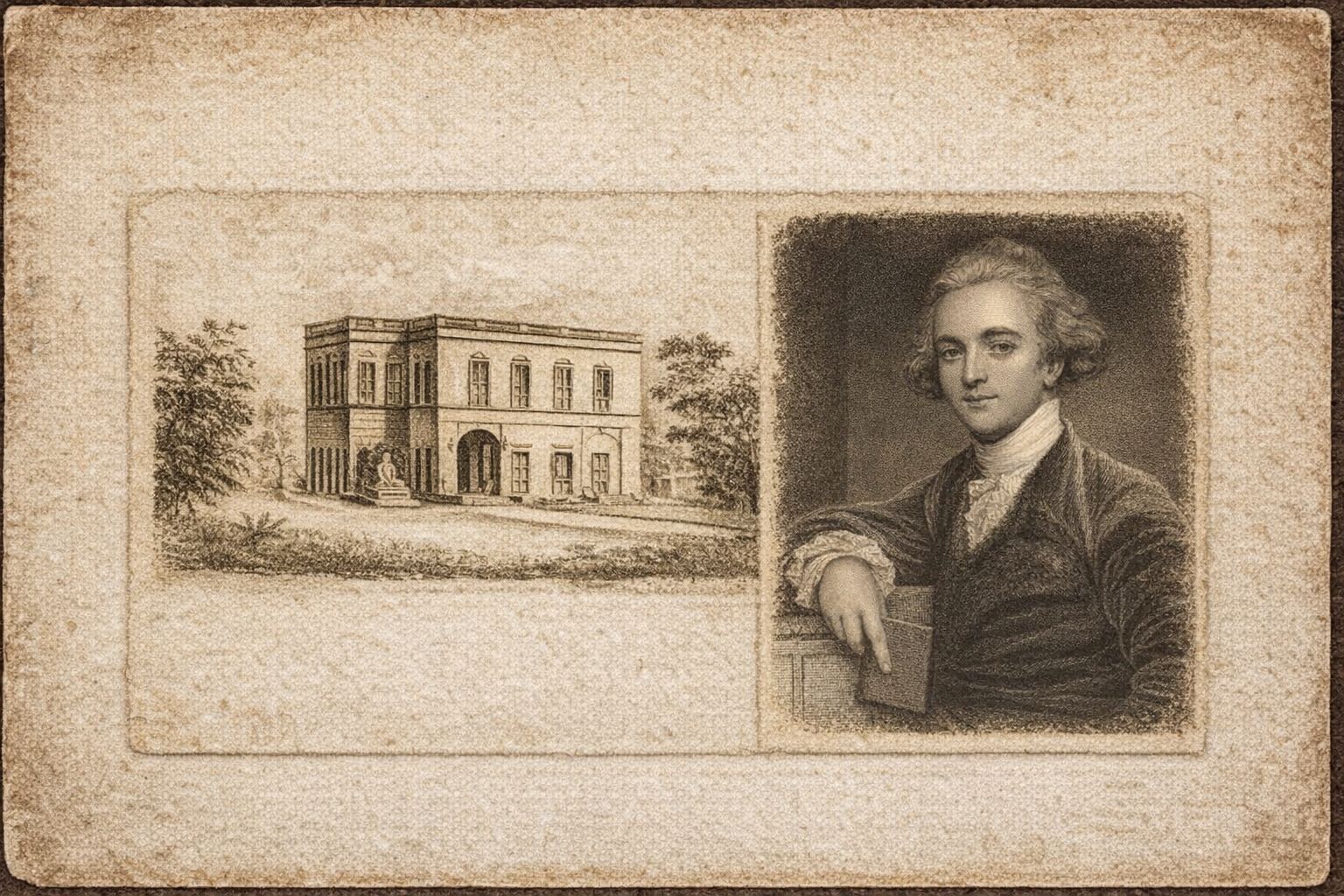
Exactly 242 years ago, on 15 January 1784, the Asiatic Society of Bengal was founded in Calcutta by Sir William Jones. On the same day, the Society convened its first formal meeting. The institution emerged as the earliest organised centre in the subcontinent dedicated to the systematic study of ancient manuscripts, archaeology, and geographical kn...
Read More →
On November 11, 1952, the Government of Pakistan approved the Karachi Land Reclamation and Port Housing Development Plan to support the growing workforce of Karachi Port and nearby industries. Following independence, Karachi had transformed into a vibrant trade hub with massive migration from across South Asia. However, housing shortages and unsafe...
Read More →
The acquisition of land for the Model Town Society was one of the most remarkable and spirited chapters in its early history. Dewan Khem Chand and his...

Between 1921 and 1924, the land for Model Town Lahore was acquired in successive phases. The process began in 1921, shortly after the establishment of...
No comments yet. Be the first to comment!