
Syed Shayan Real Estate Archive
Syed Shayan Real Estate Archive
From Real Estate History
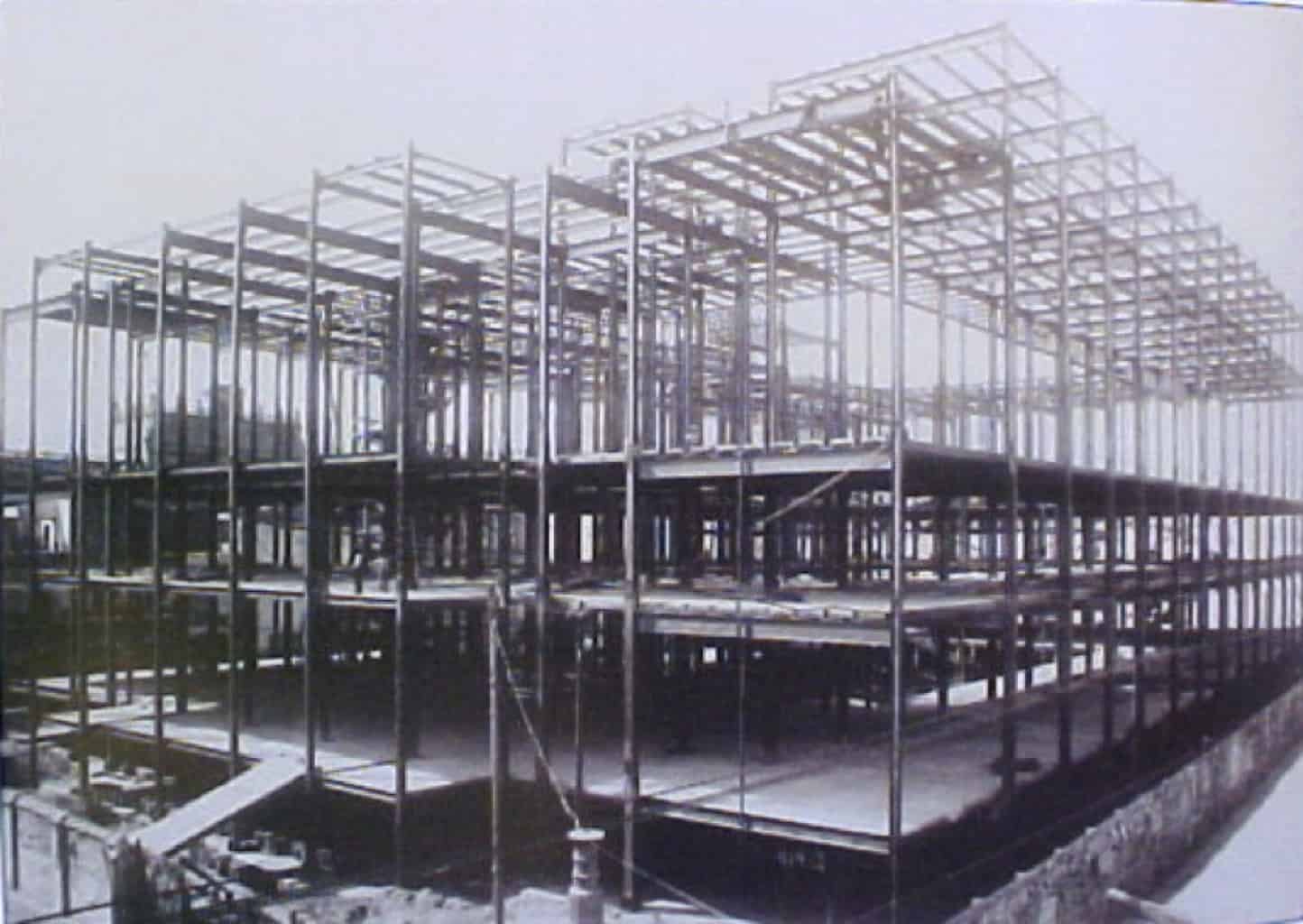
On October 28, 1895, the construction industry's widespread adoption of steel-frame technology enabled the first generation of modern skyscrapers, fundamentally transforming urban development worldwide. This engineering breakthrough allowed buildings to reach unprecedented heights, revolutionizing architectural possibilities and establishing new standards for commercial construction. The steel-frame method dramatically reduced construction costs for tall structures while enabling more flexible interior designs and faster project completion times. This technological advancement initiated the era of vertical urban growth, concentrated commercial districts, and transformed city skylines globally, creating the foundation for contemporary high-rise construction techniques that continue to evolve with modern materials and engineering innovations.
▪ Reference(s):
28 اکتوبر 1895 کو، تعمیراتی صنعت کے سٹیل فریم ٹیکنالوجی کے وسیع پیمانے پر اپنانے نے جدید اسکائسکریپرز کی پہلی نسل کو ممکن بنایا، جو عالمی سطح پر شہری ترقی کو بنیادی طور پر تبدیل کرتا ہے۔ اس انجینئرنگ کی کامیابی نے عمارتوں کو غیر معمولی اونچائی تک پہنچنے کی اجازت دی، جو آرکیٹیکچرل امکانات میں انقلاب برپا کرتی ہے اور کامرسل تعمیر کے لیے نئے معیارات قائم کرتی ہے۔

On October 28, 2020, Pakistan implemented a comprehensive COVID-19 recovery package specifically targeting the construction sector to stimulate economic revival amid the pandemic. The government initiative included tax incentives, subsidized financing, streamlined approval processes, and legal protections to accelerate construction activity and generate employment. This targeted policy intervention successfully mobilized the construction industry, creating thousands of jobs and driving economic activity during a challenging period. The package demonstrated how strategic sector-specific stimulus measures could effectively counter economic downturns while addressing critical infrastructure and housing needs. The construction-focused recovery approach became a model for economic revitalization that balanced immediate employment generation with long-term development objectives.
▪ Reference(s):
28 اکتوبر 2020 کو، پاکستان نے وبائی مرض کے درمیان معاحی بحالی کو متحرک کرنے کے لیے خصوصی طور پر تعمیراتی سیکٹر کو ہدف بنانے والا ایک جامع COVID-19 بحالی پیکیج نافذ کیا۔ حکومتی اقدام میں ٹیکس مراعات، سبسڈی والی فنانسنگ، ہموار منظوری کے عمل، اور تعمیراتی سرگرمی کو تیز کرنے اور روزگار پیدا کرنے کے لیے قانونی تحفظ شامل تھے۔ اس ہدف والی پالیسی کی مداخلت نے کامیابی سے تعمیراتی صنعت کو متحرک کیا، ہزاروں نوکریاں پیدا کیں، اور ایک مشکل دور کے دوران معاشی سرگرمی کو چلایا۔

On November 13, 1872, the British Parliament passed a housing reform act to address unsafe living conditions in London’s slums. The law aimed to replace overcrowded and unsanitary dwellings with organized tenements for industrial laborers. This legislation introduced minimum standards for ventilation, sanitation, and safety—ushering in the mode...
Read More →
On November 14, 1955, the Karachi Development Authority (KDA) officially launched North Nazimabad, Karachi's first properly planned residential township. Designed to accommodate the growing middle-class population in Pakistan's largest city, the project featured wide roads, proper drainage systems, designated commercial areas, and public parks. The...
Read More →
In the aftermath of the First World War, Europe faced widespread devastation. Millions of homes had been destroyed, while soldiers returned from the front to cities unable to absorb them. In Britain, this moment gave rise to the slogan “Homes Fit for Heroes”, encapsulating a growing belief that postwar reconstruction demanded more than physical...
Read More →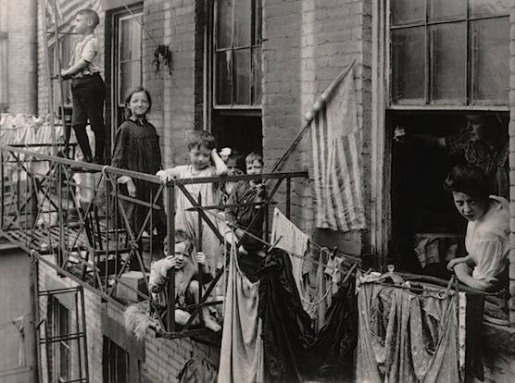
On November 14, 1884, New York State legislature passed the Tenement House Act, a landmark legislation aimed at improving the dreadful living conditions in immigrant tenements. The law mandated proper ventilation, minimum window requirements for every room, fire safety measures, and basic sanitation standards. This was the state's first comprehensi...
Read More →
On November 19, 1991, the Shanghai Municipal Government enacted the Pudong Housing Modernization Blueprint one of the most transformative urban redevelopment plans of pre-WTO China. At a time when Shanghai was emerging as the country’s economic engine, housing shortages, dilapidated worker dormitories, and congested alley-neighborhoods threatened...
Read More →
The acquisition of land for the Model Town Society was one of the most remarkable and spirited chapters in its early history. Dewan Khem Chand and his...

Between 1921 and 1924, the land for Model Town Lahore was acquired in successive phases. The process began in 1921, shortly after the establishment of...
No comments yet. Be the first to comment!