
Syed Shayan Real Estate Archive
Syed Shayan Real Estate Archive
From Real Estate History
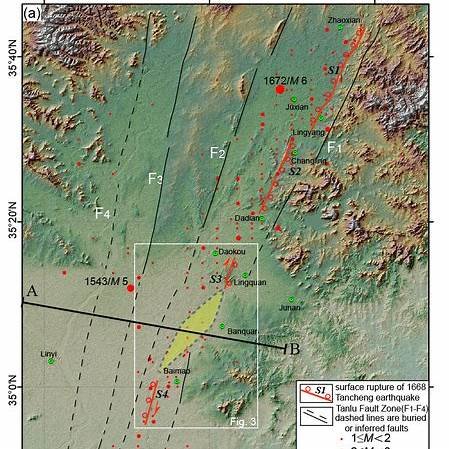
On the evening of 25 July 1668, a massive earthquake struck near Tancheng in present day Shandong province. Historical earthquake catalogues place the event near latitude 35 north and longitude 118.6 east and estimate its magnitude at 8.5. Modern researchers describe it as the largest known historical earthquake in eastern China and one of the most significant earthquakes recorded within the interior of a continent.
The earthquake occurred along the Tan Lu fault system. Because scientific instruments did not exist at the time, specialists reconstructed its strength and location from official records, descriptions of collapsed buildings, changes in the ground and reports collected from affected districts. Research based on these archives continues to refine the likely epicentre, rupture area and intensity of the disaster.
The losses were enormous. Academic studies estimate that about 43,000 to 50,000 people died. Tancheng, Ju County, Linyi and surrounding settlements suffered severe destruction, while shaking was reported across a wide region. Homes, public buildings, roads and water systems of the period were highly vulnerable because most structures had little resistance to powerful sideways ground movement.
The disaster remains important for modern urban planning because it shows that major earthquakes are not limited to the edges of tectonic plates. Long quiet periods can encourage cities to underestimate hidden faults, particularly when rapid construction places more people and property in exposed locations.
The lasting lesson is practical. Land use plans should identify active fault zones, essential buildings should meet stronger safety standards, older structures should be assessed and strengthened, and emergency routes and open gathering spaces should remain available. Historical records are equally valuable because they reveal risks that may not appear clearly in recent instrumental data.
More than three centuries later, the Tancheng earthquake is remembered not only as a tragedy, but also as evidence that safer cities depend on understanding and learning from the ground beneath them.
▪️Syed Shayan Real Estate Archive
▪ Reference(s):
25 جولائی 1668 کی شام موجودہ چینی صوبے شانڈونگ کے تانچینگ علاقے کے قریب ایک انتہائی طاقتور زلزلہ آیا۔ تاریخی زلزلہ ریکارڈ اس کا مرکز تقریباً 35 درجے شمالی عرض بلد اور 118.6 درجے مشرقی طول بلد کے قریب بتاتے ہیں، جبکہ اس کی اندازاً شدت 8.5 مقرر کی گئی ہے۔ جدید تحقیق اسے مشرقی چین کی معلوم تاریخ کا سب سے بڑا زلزلہ اور براعظم کے اندر آنے والے انتہائی طاقتور زلزلوں میں شمار کرتی ہے۔
یہ زلزلہ تان لو فالٹ نظام کے ساتھ آیا۔ فالٹ زمین کی تہوں میں موجود بڑی دراڑ کو کہتے ہیں جہاں چٹانیں حرکت کرسکتی ہیں۔ چونکہ اس دور میں سائنسی آلات موجود نہیں تھے، اس لیے ماہرین نے سرکاری تحریروں، عمارتوں کے گرنے، زمین میں تبدیلی اور متاثرہ علاقوں کی رپورٹوں سے اس کی شدت اور مقام کا اندازہ لگایا۔ انہی تاریخی ریکارڈز کی مدد سے آج بھی اس کے مرکز اور زمین پھٹنے کے ممکنہ راستے پر تحقیق جاری ہے۔
اس آفت میں انسانی اور تعمیراتی نقصان بہت بڑا تھا۔ علمی تحقیقات کے مطابق تقریباً 43 ہزار سے 50 ہزار افراد ہلاک ہوئے۔ تانچینگ، جو کاؤنٹی، لینی اور آس پاس کی بستیوں میں شدید تباہی ہوئی، جبکہ جھٹکے ایک وسیع علاقے میں محسوس کیے گئے۔ اس زمانے کے گھر، سرکاری عمارتیں، سڑکیں اور پانی کا نظام ایسی شدید زمینی حرکت برداشت کرنے کے قابل نہیں تھے۔
یہ واقعہ آج کے شہری منصوبہ سازوں کو یاد دلاتا ہے کہ بڑے زلزلے صرف سمندری کناروں یا زمینی پلیٹوں کی سرحدوں پر نہیں آتے۔ طویل خاموشی کسی علاقے کو محفوظ ثابت نہیں کرتی۔
اس سانحے کا عملی سبق یہ ہے کہ فعال فالٹ علاقوں کو نقشوں میں واضح کیا جائے، اہم عمارتوں کے لیے مضبوط حفاظتی معیار ہوں، پرانی عمارتوں کی جانچ اور مضبوطی کی جائے، جبکہ ہنگامی راستے اور کھلی جگہیں محفوظ رکھی جائیں۔ تاریخی ریکارڈ بھی شہری منصوبہ بندی کے لیے اہم ہیں، کیونکہ وہ ایسے خطرات سامنے لاتے ہیں جو حالیہ اعدادوشمار میں واضح نہیں ہوتے۔
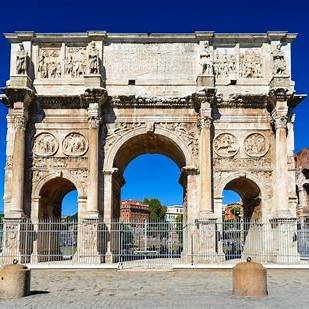
The Arch of Constantine was formally dedicated in Rome. The Roman Senate commissioned it to celebrate Emperor Constantine’s victory over Maxentius at the Battle of the Milvian Bridge in 312 and to mark the beginning of the tenth year of Constantine’s rule. Standing on the ancient triumphal route near the Colosseum, the arch was designed as a public statement of victory, authority and political legitimacy.
Its importance lies not only in its location but also in the way it was assembled. Much of the marble decoration came from older imperial monuments associated with Trajan, Hadrian and Marcus Aurelius. Their relief panels, statues and carved slabs were reorganised within a new architectural design. Several earlier imperial faces were also altered to resemble Constantine. In modern language, selected parts of older buildings were used to create a new political message.
This reuse preserved valuable Roman sculpture, but it also changed its original meaning. The arch therefore offers a powerful example of how buildings can carry several layers of history. A structure may begin as official propaganda, later become an archaeological record and eventually serve as a protected public landmark.
Today, the Arch of Constantine remains the largest surviving honorary arch of ancient Rome. Its position beside one of the world’s most recognisable heritage areas makes careful maintenance especially important. Conservation work must protect its marble, reliefs and structural elements while keeping the surrounding urban space accessible.
For modern cities, the monument offers a clear lesson: architecture is never only stone and decoration. Public buildings shape collective memory, express authority and influence how later generations understand a city’s past.
▪️Syed Shayan Real Estate Archive
▪ Reference(s):
25 جولائی 315ء کو روم میں آرچ آف کانسٹنٹائن کا باقاعدہ افتتاح کیا گیا۔ رومی سینیٹ نے یہ یادگار شہنشاہ کانسٹنٹائن کی 312 میں میلویئن پل کی جنگ میں میکسینٹیئس کے خلاف فتح کی یاد میں بنوائی تھی۔ اس موقع کا تعلق کانسٹنٹائن کی حکومت کے دسویں سال کے آغاز سے بھی تھا۔ کولوزیم کے قریب قدیم شاہی جلوسوں کے راستے پر کھڑی یہ محراب صرف ایک دروازہ نہیں بلکہ طاقت، فتح اور حکومت کی قانونی حیثیت کا عوامی اعلان بھی تھی۔
اس عمارت کی خاص بات یہ ہے کہ اس کی بہت سی پتھروں پر کی گئی سجاوٹ پہلے سے موجود رومی یادگاروں سے لی گئی۔ ٹریجن، ہیڈرین اور مارکس اوریلیئس کے زمانے کے نقش و نگار، مجسمے اور سنگی تختیاں نئی ترتیب کے ساتھ محراب میں نصب کی گئیں۔ بعض پرانے شہنشاہوں کے چہروں کو بھی بدل کر کانسٹنٹائن سے مشابہ بنایا گیا۔ یوں پہلے دور کی عمارتوں کے حصوں کو ایک نئی سیاسی کہانی سنانے کے لیے استعمال کیا گیا۔
اس عمل سے قیمتی رومی فن محفوظ بھی ہوگیا، لیکن اس کے اصل مطلب میں تبدیلی بھی آگئی۔ یہی وجہ ہے کہ یہ محراب دکھاتی ہے کہ ایک عمارت وقت کے ساتھ کئی معنی اختیار کرسکتی ہے۔ جو تعمیر پہلے شاہی تشہیر کے لیے بنائی گئی، وہ بعد میں تاریخی ثبوت، سیاحتی مقام اور محفوظ ثقافتی ورثہ میں بدل گئی۔
آج آرچ آف کانسٹنٹائن قدیم روم کی سب سے بڑی محفوظ اعزازی محراب سمجھی جاتی ہے۔ اس کی دیکھ بھال میں سنگ مرمر، نقش و نگار اور بنیادی ڈھانچے کو محفوظ رکھنا ضروری ہے۔ جدید شہروں کے لیے اس کا سبق واضح ہے: عمارتیں صرف پتھر نہیں ہوتیں، وہ طاقت، اجتماعی یادداشت اور شہر کی شناخت بھی بناتی ہیں۔

The structure of the world map and globe as they are recognised today is fundamentally rooted in the decisions taken following the Paris Peace Conference, which...
Read More →
Warsaw’s Palace of Culture and Science opened its doors to the public for the first time. Construction had begun on 1 May 1952 and was completed on 21 July 1955...
Read More →
On 10 January 1992, the formal construction of the Lahore Islamabad Motorway M2 was initiated in Pakistan. On this date, the project was officially launched and...
Read More →
On 5 December 1957, New York City became the first city in the United States to enact legislation prohibiting racial and religious discrimination in the housi...
Read More →
On 19 June 1921, the United Kingdom conducted its national census after delaying it from April because of widespread industrial unrest. The census recorded impo...
Read More →
The acquisition of land for the Model Town Society was one of the most remarkable and spirited chapters in its early history. Dewan Khem Chand and his...

Between 1921 and 1924, the land for Model Town Lahore was acquired in successive phases. The process began in 1921, shortly after the establishment of...
No comments yet. Be the first to comment!