
Syed Shayan Real Estate Archive
Syed Shayan Real Estate Archive
From Real Estate History
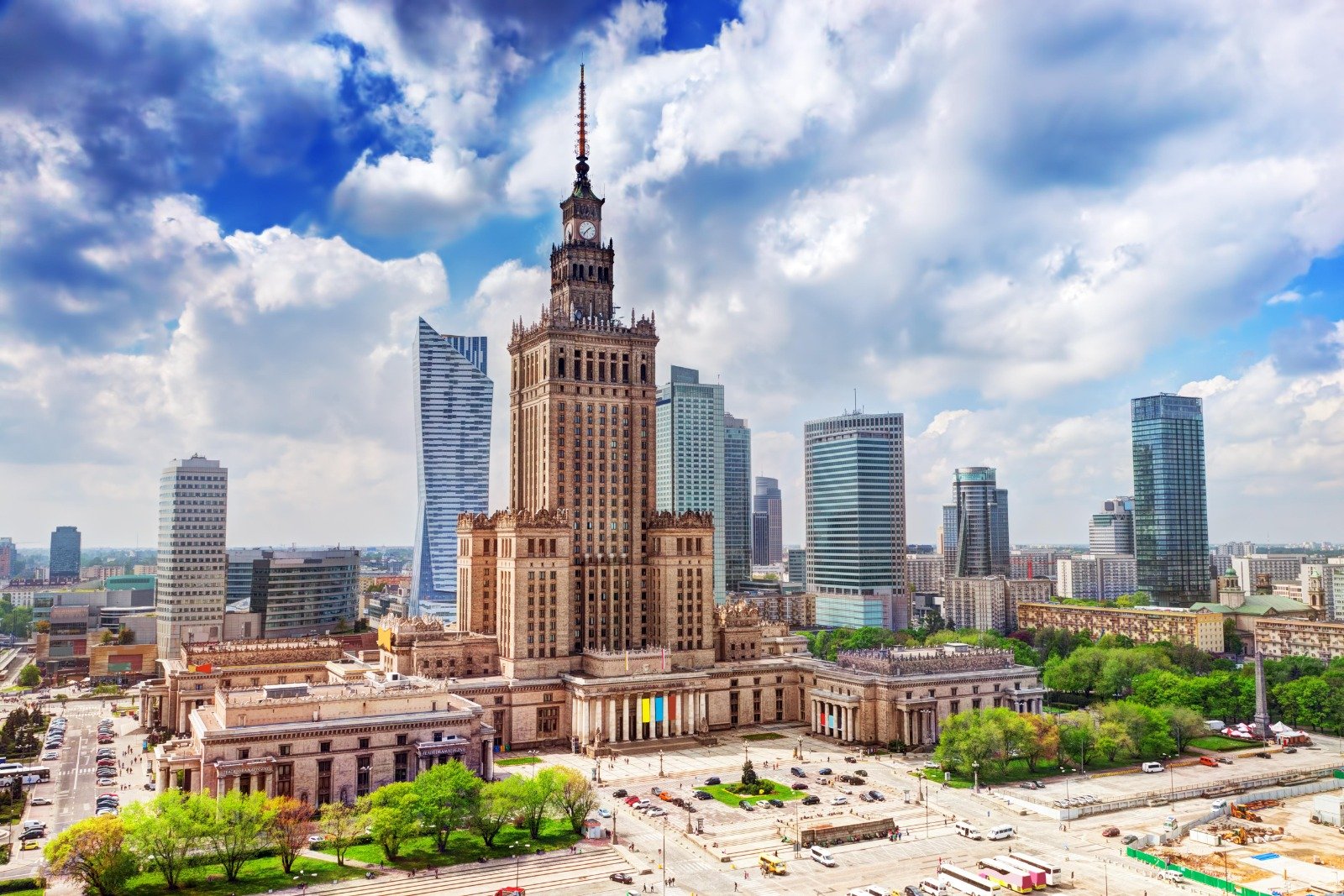
Warsaw’s Palace of Culture and Science opened its doors to the public for the first time. Construction had begun on 1 May 1952 and was completed on 21 July 1955. A major official gathering was held inside its Congress Hall on 22 July, while thousands of residents were allowed to enter and explore the new building.
The palace was presented by the Soviet Union as a gift to Poland and originally carried Joseph Stalin’s name. Designed in the monumental Socialist Realist style, it was intended not only as a cultural complex but also as a powerful visual symbol in the centre of postwar Warsaw. The building soon became the most dominant feature of the city’s skyline.
The vast complex contains 3,288 rooms along with theatres, museums, cinemas, offices, restaurants and exhibition spaces. Its observation terrace, located 114 metres above the city, provides panoramic views of Warsaw and remains one of the capital’s major visitor attractions.
For many Poles, however, the palace carried painful associations with Soviet control and communist rule. After Poland’s political transformation in 1989, there were repeated calls for its removal. The building survived and gradually developed a new identity as a centre for exhibitions, education, entertainment and public events.
From an urban planning perspective, the palace demonstrates how one major building can shape an entire city centre. Its scale influenced surrounding roads, open spaces, commercial development and Warsaw’s wider skyline. Modern glass towers now stand beside it, creating a visible contrast between the city’s communist past and its contemporary economy.
The palace remains controversial, but it is now inseparable from Warsaw’s architectural identity. Its history shows that buildings can outlive the political systems that created them and acquire entirely new meanings for later generations.
▪️Syed Shayan Real Estate Archive
▪ Reference(s):
22 جولائی 1955 کو پولینڈ کے دارالحکومت وارسا میں واقع پیلس آف کلچر اینڈ سائنس پہلی مرتبہ عوام کے لیے کھول دیا گیا۔ عمارت کی تعمیر یکم مئی 1952 کو شروع ہوئی تھی اور 21 جولائی 1955 کو مکمل ہوئی۔ اگلے روز اس کے کانگریس ہال میں ایک بڑی سرکاری تقریب منعقد ہوئی، جبکہ ہزاروں شہریوں کو عمارت دیکھنے کی اجازت دی گئی۔
یہ محل سوویت یونین کی جانب سے پولینڈ کے عوام کے لیے تحفہ قرار دیا گیا تھا اور شروع میں اسے جوزف سٹالن کے نام سے منسوب کیا گیا۔ اس کا نقشہ شاندار تعمیراتی انداز میں تیار کیا گیا۔ مقصد صرف ایک ثقافتی مرکز بنانا نہیں تھا بلکہ جنگ کے بعد دوبارہ تعمیر ہونے والے وارسا کے مرکز میں سوویت طاقت کی نمایاں علامت قائم کرنا بھی تھا۔
اس بڑی عمارت میں 3,288 کمرے موجود ہیں۔ یہاں تھیٹر، عجائب گھر، سنیما، دفاتر، ریستوران اور نمائش کے لیے مختلف ہال قائم ہیں۔ عمارت کی 30ویں منزل پر 114 میٹر بلندی پر ایک آبزرویٹری بھی بنائی گئی، جہاں سے پورے وارسا کا نظارہ کیا جاسکتا ہے۔
بہت سے پولش شہریوں کے لیے یہ عمارت طویل عرصے تک سوویت کنٹرول اور کمیونسٹ دور کی یادگار رہی۔ 1989 میں سیاسی نظام کی تبدیلی کے بعد اسے گرانے کے مطالبات بھی سامنے آئے، لیکن عمارت برقرار رہی۔ وقت کے ساتھ یہ نمائشوں، تعلیمی سرگرمیوں، ثقافتی پروگراموں اور عوامی تقریبات کا اہم مرکز بن گئی۔
شہری منصوبہ بندی کے لحاظ سے یہ عمارت اس بات کی مثال ہے کہ ایک بڑا منصوبہ پورے شہر کے مرکز کو کس طرح متاثر کرسکتا ہے۔ اس کے گرد سڑکوں، کھلی جگہوں، کاروباری عمارتوں اور جدید بلند ٹاورز کی تعمیر نے وارسا کے شہری منظر کو نئی شکل دی۔
آج جدید شیشے کے ٹاور اس تاریخی محل کے ساتھ کھڑے ہیں۔ یہ منظر وارسا کے ماضی اور موجودہ ترقی دونوں کی نمائندگی کرتا ہے۔ عمارت آج بھی متنازع ہے، لیکن اسے شہر کی شناخت سے الگ کرنا ممکن نہیں۔
▪️ سید شایان ریئل اسٹیٹ آرکائیو
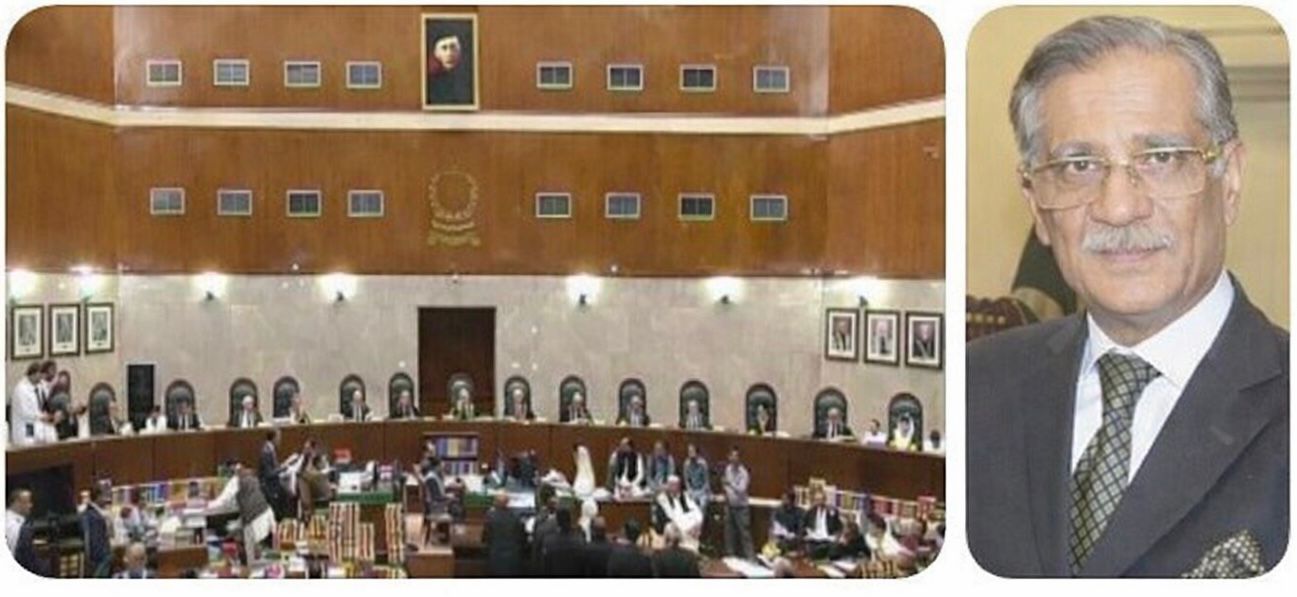
On 11 December 2018, the Supreme Court of Pakistan, under the leadership of then Chief Justice Mian Saqib Nisar, imposed a strict and highly unusual restriction...
Read More →
Across Pakistan, 31 December is designated as the annual Close of the revenue system, under which all land and property related records maintained by the Board ...
Read More →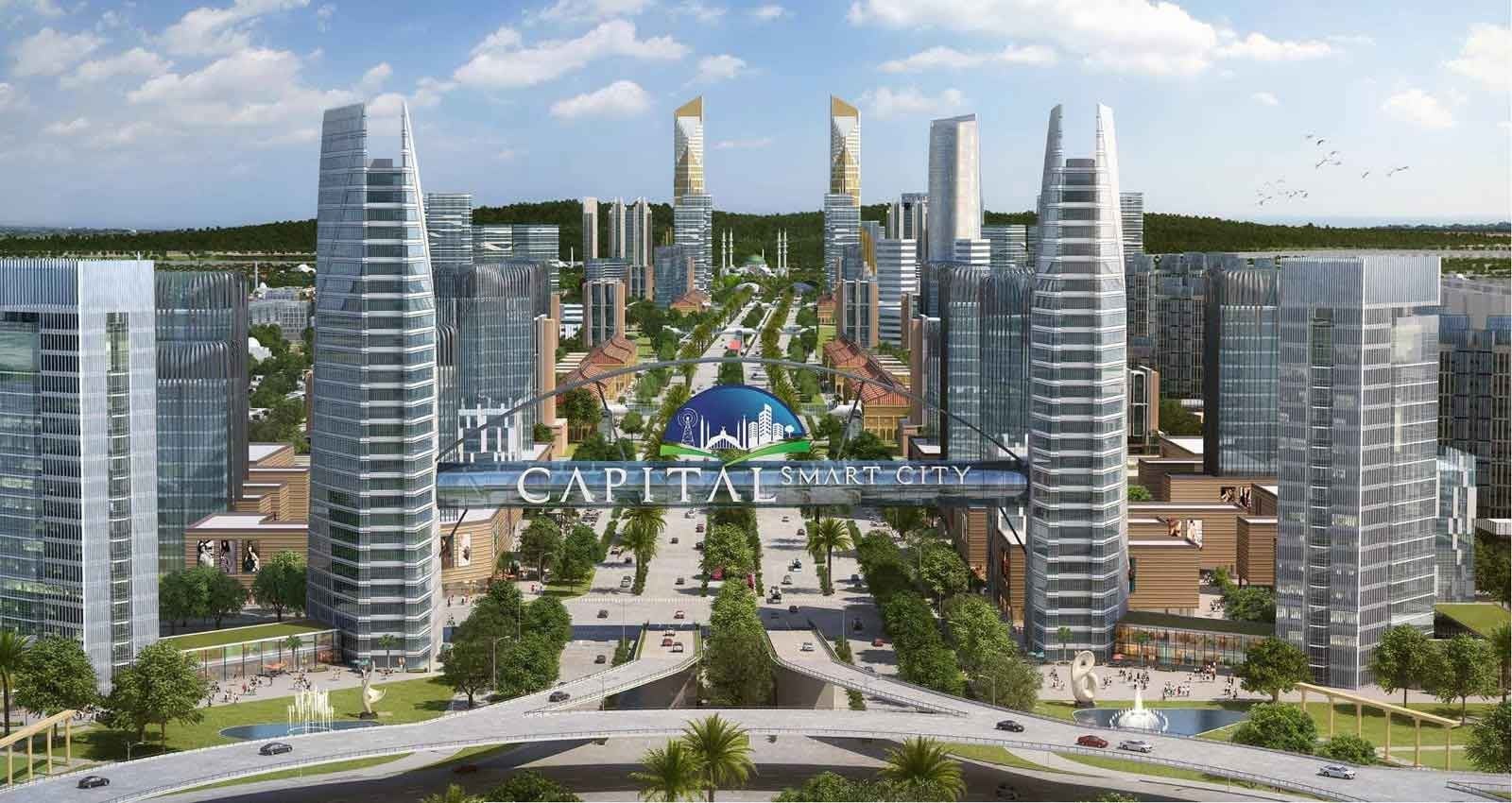
In 2020, Pakistan launched its first-ever smart city project in Islamabad, marking a groundbreaking milestone in the nation’s urban development landscape. This ...
Read More →
On November 14, 1955, the Karachi Development Authority (KDA) officially launched North Nazimabad, Karachi's first properly planned residential township. Design...
Read More →On October 26, 1933, the US New Deal introduced transformative housing reforms during the Great Depression. The Home Owners' Loan Corporation (HOLC) and Federal...
Read More →
The acquisition of land for the Model Town Society was one of the most remarkable and spirited chapters in its early history. Dewan Khem Chand and his...
Between 1921 and 1924, the land for Model Town Lahore was acquired in successive phases. The process began in 1921, shortly after the establishment of...
No comments yet. Be the first to comment!