
Syed Shayan Real Estate Archive
Syed Shayan Real Estate Archive
From Real Estate History
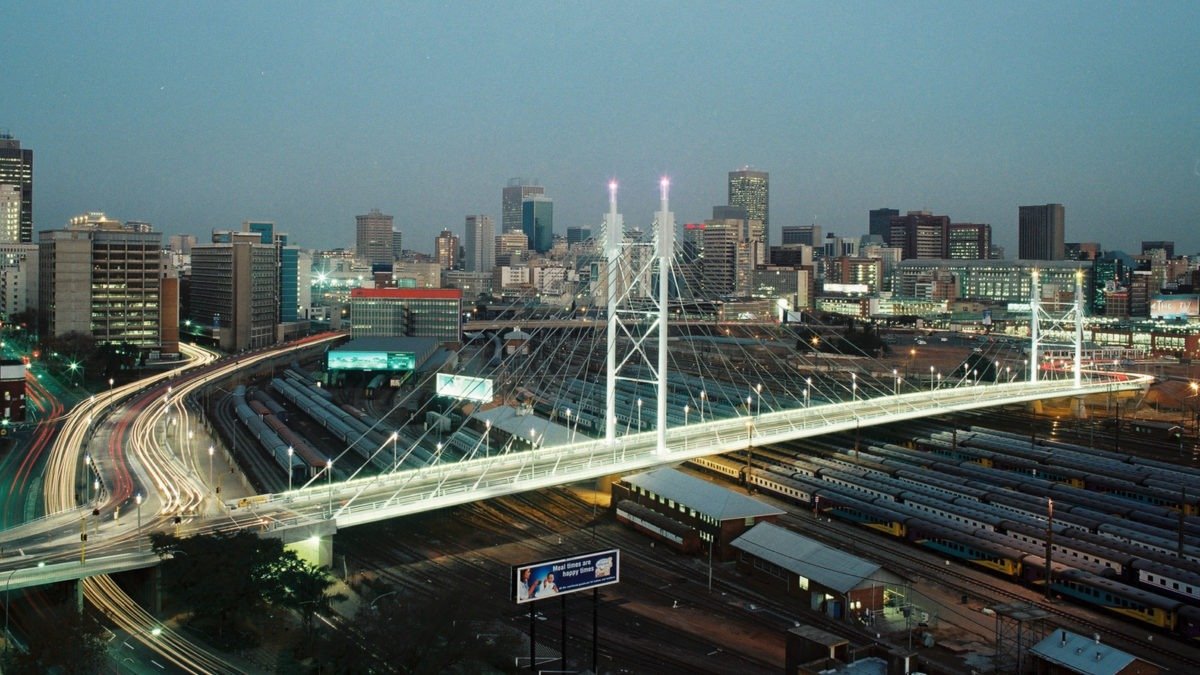
On July 20, 2003, former South African president Nelson Mandela officially opened the Nelson Mandela Bridge in Johannesburg. The ceremony took place two days after his 85th birthday and gave the city a powerful symbol of renewal, connection and the effort to repair an urban landscape shaped by segregation.
The cable stayed bridge, approximately 284 metres long, connected the business and education district of Braamfontein with the Newtown cultural precinct. It was constructed above 42 operational railway lines while rail services continued below. The structure carried two traffic lanes and included walkways for pedestrians.
The Nelson Mandela Bridge was more than a transport project. According to the Johannesburg Development Agency, it became the centrepiece of a R300 million inner city renewal programme designed to encourage people, businesses and investment to return to Newtown and central Johannesburg.
The wider Newtown programme included improvements to Mary Fitzgerald Square, arts and cultural facilities, security, parking and residential development. Official plans also included 2,200 new housing units, with half intended as subsidised rental accommodation.
By crossing the railway yard that had physically separated Braamfontein from Newtown, the bridge improved movement between two important urban districts. It also created a distinctive northern gateway to Newtown and strengthened access to offices, homes, entertainment venues, public spaces and cultural institutions.
From a real estate perspective, the project demonstrated how strategic public infrastructure can change the investment appeal of an underused district. Better access can support mixed use development, increase activity around commercial properties and make older inner city neighbourhoods more attractive for housing and business. This is an inference based on the documented aims and components of the renewal programme.
The opening on July 20, 2003, therefore marked more than the completion of an engineering landmark. It showed that a bridge, when integrated with housing, public space and economic planning, can reconnect divided land and help restore confidence in an urban property market.
▪️Syed Shayan Real Estate Archive
▪ Reference(s):
20 جولائی 2003 کو جنوبی افریقہ کے سابق صدر نیلسن منڈیلا نے جوہانسبرگ میں اپنے نام سے منسوب نیلسن منڈیلا برج کا باضابطہ افتتاح کیا۔ یہ افتتاحی تقریب ان کی 85 ویں سالگرہ کے دو روز بعد منعقد ہوئی اور شہر کی تعمیر نو، بہتر رابطے اور نسل کی بنیاد پر ہونے والی جغرافیائی تقسیم کو ختم کرکے شہریوں کو دوبارہ جوڑنے کی علامت بن گئی۔
تقریباً 284 میٹر طویل کیبل سٹے برج نے براہم فونٹین کے کاروباری اور تعلیمی علاقے کو نیو ٹاؤن کے ثقافتی ضلع سے ملایا۔ اس کی تعمیر 42 فعال ریلوے لائنوں کے اوپر کی گئی، جبکہ منصوبے پر کام کے دوران ٹرینوں کی آمدورفت جاری رکھی گئی۔ پل پر گاڑیوں کے لیے دو لینز کے ساتھ پیدل چلنے والوں کے راستے بھی بنائے گئے۔
نیلسن منڈیلا برج محض ٹرانسپورٹ انفراسٹرکچر نہیں تھا۔ جوہانسبرگ ڈویلپمنٹ ایجنسی کے مطابق یہ 300 ملین رینڈ کے اندرون شہر بحالی منصوبے کا مرکزی حصہ تھا، جس کا مقصد نیو ٹاؤن اور مرکزی کاروباری ضلع میں کاروباری لوگوں اور سرمایہ کاروں کی واپسی کی حوصلہ افزائی کرنا تھا۔
نیو ٹاؤن کی وسیع تر ترقی میں میری فٹزجیرالڈ سکوائر کی بہتری، فنون و ثقافت کے مراکز، سکیورٹی، پارکنگ اور رہائشی منصوبے شامل تھے۔ سرکاری منصوبہ بندی میں 2,200 نئے ہاؤسنگ یونٹس بھی شامل کیے گئے، جن میں نصف کو کرایہ داری میں رعایت دینے کے لیے مختص کرنے کا تصور پیش کیا گیا۔
اس پل نے ریلوے یارڈ سے جدا دونوں شہری حصوں کے درمیان رسائی آسان بنائی اور نیو ٹاؤن کو شمالی جوہانسبرگ سے آنے والوں کے لیے نمایاں داخلی راستہ فراہم کیا۔ بہتر رابطوں کی بحالی سے ثقافتی سرگرمیوں، دفاتر، رہائش اور عوامی مقامات کے لیے علاقے کی اہمیت میں اضافہ ہوا۔
رئیل اسٹیٹ کے نقطہ نظر سے یہ منصوبہ اس بات کی مثال ہے کہ سٹریٹجک پبلک انفراسٹرکچر کسی نظر انداز شدہ شہری علاقے میں سرمایہ کاری کرنے کیلئے کس قدر مفید اور ضروری ہوتا ہے۔ نقل و حمل میں بہتر ی اور منزل تک جلد رسائی سے کمرشل پراپرٹیز کے اطراف سرگرمیاں بڑھانے، رہائشی منصوبوں کی حوصلہ افزائی کرنے اور پرانے اندرون شہر علاقوں میں سرمایہ کاروں کا اعتماد بحال کرنے میں مدد ملتی ہے۔
20 جولائی 2003 کا افتتاح اس حقیقت کی مثال بن گیا کہ ایک پل محض دو علاقوں کو آ پس میں نہیں ملاتا بلکہ درست شہری منصوبہ بندی کے ساتھ وہ منقسم زمین، کمزور ہوتی پراپرٹی مارکیٹ اور نظر انداز کیے گئے علاقوں اور محلوں کو نئی معاشی شناخت بھی دے سکتا ہے۔
▪️ سید شایان ریئل اسٹیٹ آرکائیو
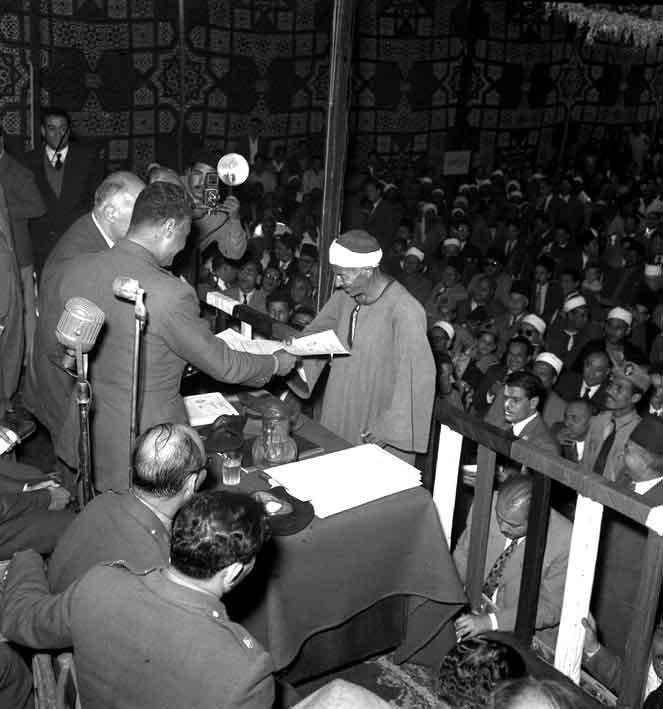
Egypt’s Free Officers Movement overthrew the government of King Farouk in an event that became known as the Egyptian Revolution of July. The revolution changed ...
Read More →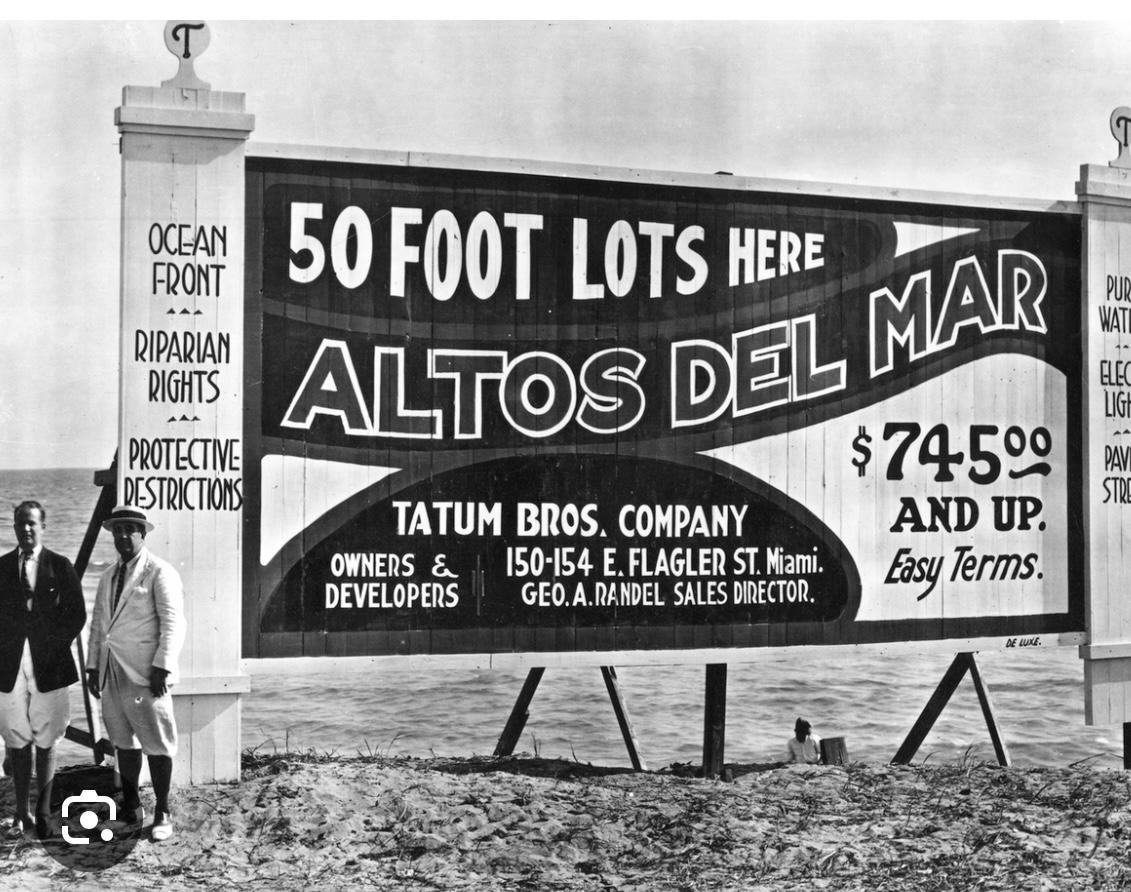
Exactly one century ago, on 23 December 1925, the most famous real estate phenomenon in American history stood at its absolute peak. Across Florida, particularl...
Read More →
On November 11, 1952, the Government of Pakistan approved the Karachi Land Reclamation and Port Housing Development Plan to support the growing workforce of Kar...
Read More →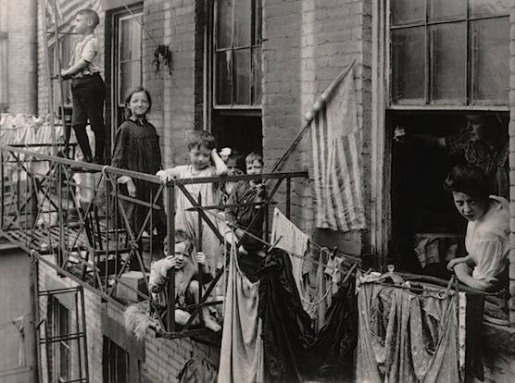
On November 14, 1884, New York State legislature passed the Tenement House Act, a landmark legislation aimed at improving the dreadful living conditions in immi...
Read More →
On November 7, 1851, the British colonial administration formally established the Lahore Cantonment one of the earliest planned military civil settlements in no...
Read More →
The acquisition of land for the Model Town Society was one of the most remarkable and spirited chapters in its early history. Dewan Khem Chand and his...

Between 1921 and 1924, the land for Model Town Lahore was acquired in successive phases. The process began in 1921, shortly after the establishment of...
No comments yet. Be the first to comment!