
Syed Shayan Real Estate Archive
Syed Shayan Real Estate Archive
From Real Estate History
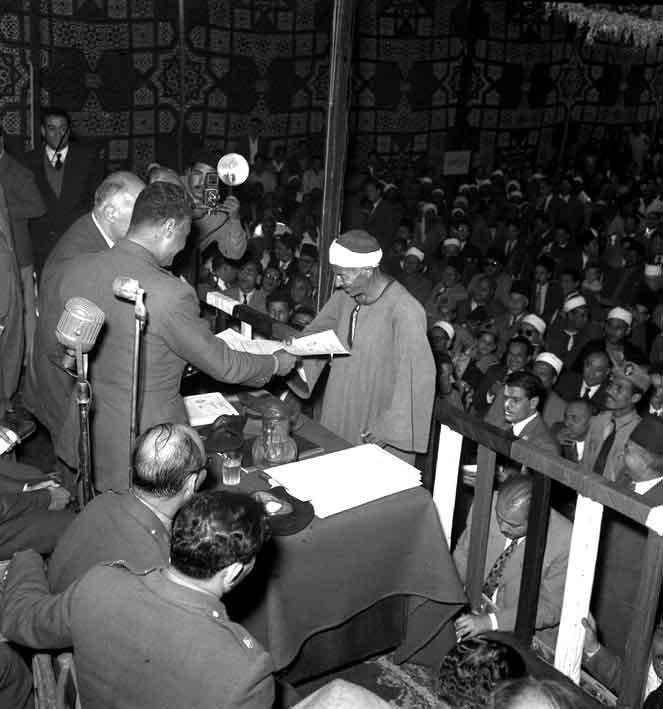
Egypt’s Free Officers Movement overthrew the government of King Farouk in an event that became known as the Egyptian Revolution of July. The revolution changed not only the country’s political system but also laid the foundation for major reforms in land ownership, tenancy and the distribution of large agricultural estates.
At the time, much of Egypt’s cultivable land was controlled by a small number of wealthy landowning families, while millions of farmers worked as tenants or agricultural labourers instead of owning the land they cultivated.
A few weeks after the revolution, the new government introduced Egypt’s first major agrarian reform law. The legislation limited an individual’s agricultural land ownership to a maximum of 200 feddans. A feddan is an Egyptian unit of land measurement roughly equal to one acre, while 200 feddans are equivalent to approximately 84 hectares.
Land exceeding the permitted limit was taken over by the state and gradually redistributed among small farmers and landless families. The law also introduced controls on agricultural rents, provided greater protection to tenant farmers and encouraged the formation of agricultural cooperatives for small landowners.
These reforms became a major turning point in Egypt’s modern land and property history. For the first time, the state imposed limits on large private landholdings and attempted to distribute ownership among a broader section of the population.
The reforms also changed the role of land in rural Egypt. Agricultural property was no longer viewed only as a source of wealth and political power for large landowners, but increasingly became a source of housing, employment and economic security for small farmers.
It is important to clarify that the revolution took place on July 23, while the formal land reform law was introduced later, in September 1952. Therefore, July 23 is considered the beginning of this major transformation in Egypt’s land ownership system rather than the date on which the law itself was enacted.
▪️Syed Shayan Real Estate Archive
▪ Reference(s):
23 جولائی 1952 کو مصر میں فوج کے فری آفیسرز موومنٹ نے بادشاہ فاروق کی حکومت کا تختہ الٹ دیا۔ اس واقعے کو مصر کا جولائی انقلاب کہا جاتا ہے۔ انقلاب نے صرف ملک کا سیاسی نظام نہیں بدلا بلکہ زمین کی ملکیت، کرایہ داری اور بڑے زرعی رقبوں کی تقسیم میں بھی بنیادی تبدیلیوں کی راہ ہموار کی۔
اس وقت مصر کی زیادہ تر قابلِ کاشت زمین چند بڑے جاگیردار خاندانوں کے قبضے میں تھی، جبکہ لاکھوں کسان اپنی زمین کے مالک بننے کے بجائے کرایہ دار یا کھیت مزدور کے طور پر کام کرتے تھے۔ انقلاب کے چند ہفتوں بعد نئی حکومت نے پہلا زرعی اصلاحات کا قانون نافذ کیا، جس کے تحت ایک شخص کی زرعی زمین کی ملکیت زیادہ سے زیادہ 200 فدان تک محدود کردی گئی۔ ایک فدان تقریباً ایک ایکڑ کے برابر مصری پیمانہ ہے اور 200 فدان تقریباً 84 ہیکٹر بنتے ہیں۔
مقررہ حد سے زیادہ زمین حکومت کے اختیار میں لے کر چھوٹے کسانوں اور بے زمین خاندانوں کو دینے کا عمل شروع کیا گیا۔ قانون میں زرعی زمین کے کرایوں کو قابو کرنے، کرایہ دار کسانوں کو زیادہ تحفظ دینے اور چھوٹے زمین مالکان کیلئے زرعی تعاون کی تنظیمیں بنانے کے اقدامات بھی شامل تھے۔
یہ اصلاحات جدید مصر کی زمین اور جائیداد کی تاریخ کا اہم موڑ بنیں۔ پہلی مرتبہ ریاست نے بڑے نجی زمینی اثاثوں پر حد مقرر کرکے ملکیت کو نسبتاً وسیع آبادی تک منتقل کرنے کی کوشش کی۔ اس سے دیہی علاقوں میں زمین صرف دولت اور سیاسی طاقت کی علامت نہیں رہی بلکہ چھوٹے کسانوں کیلئے رہائش، روزگار اور معاشی تحفظ کا ذریعہ بھی بنی۔
تاہم یہ وضاحت ضروری ہے کہ انقلاب 23 جولائی کو آیا تھا، جبکہ زمین کی اصلاح کا باقاعدہ قانون بعد میں ستمبر 1952 میں نافذ کیا گیا۔ اس لیے 23 جولائی کو اس بڑی زمینی تبدیلی کی ابتدا سمجھا جاتا ہے، قانون کے نفاذ کی تاریخ نہیں۔

On November 22, 1983, the French Ministry of Transport unveiled a nationwide rail safety modernization blueprint to respond to rising commuter volumes and expan...
Read More →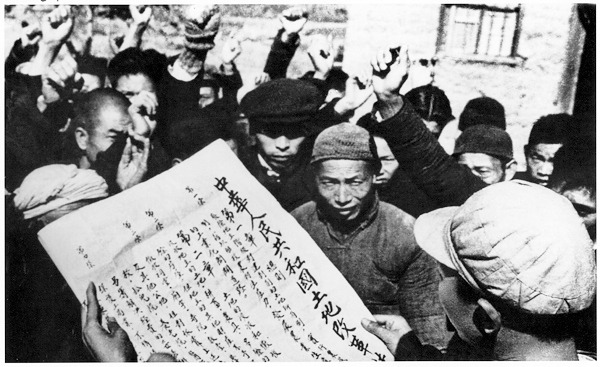
China adopted its Land Administration Law on 25 June 1986, marking a major turning point in the management, protection and planned use of land. The law created...
Read More →
On 16 July 2000, the late Sheikh Zayed bin Sultan Al Nahyan issued Federal Law No. 7 of 2000, establishing the Emirates Real Estate Corporation. The decision ma...
Read More →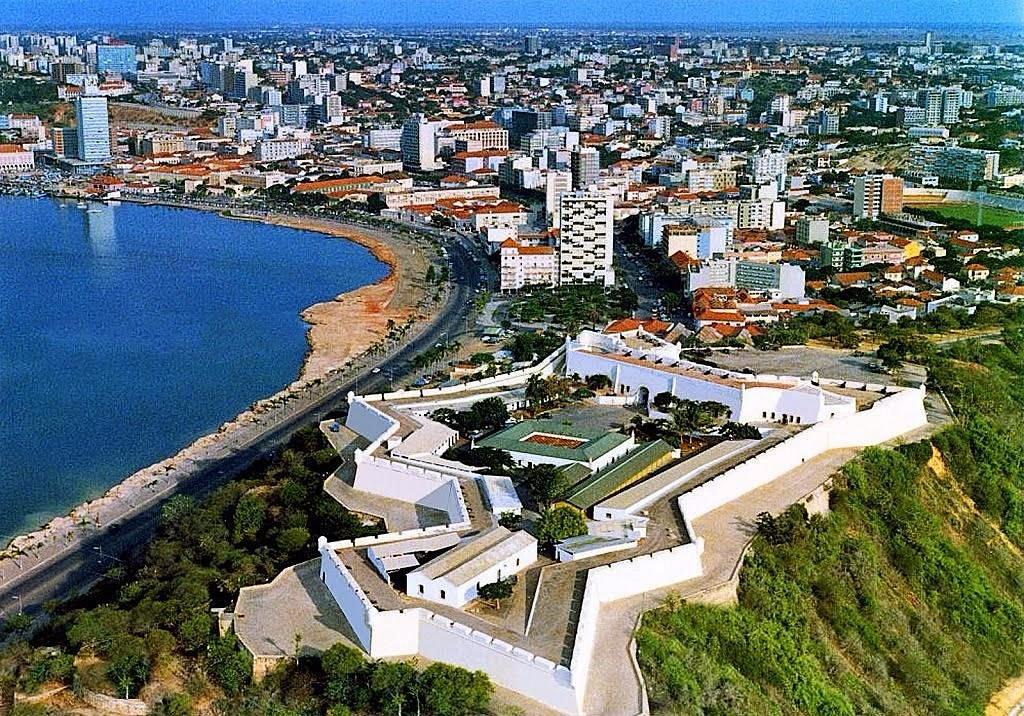
25 January 1575 marks the formal foundation of Luanda on the western coast of Africa by the Portuguese explorer and colonial administrator Paulo Dias de Novais....
Read More →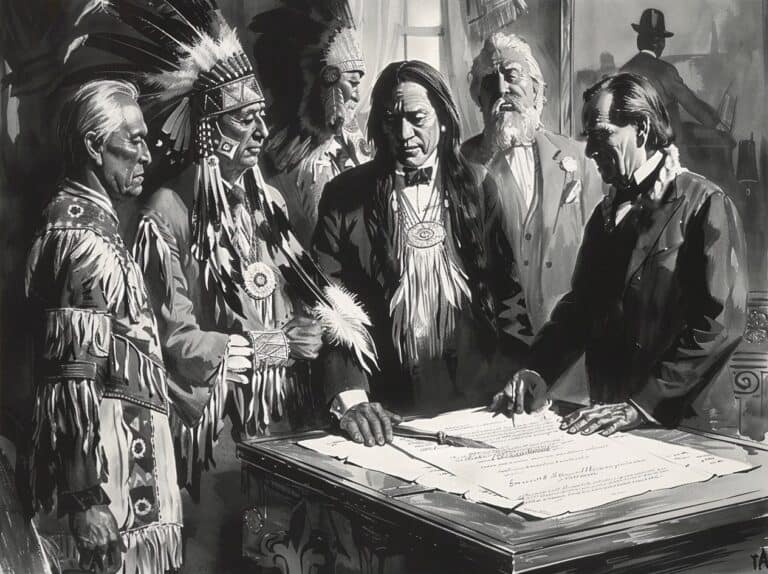
The Indian Reorganization Act, also known as the Wheeler Howard Act, was passed in the United States. The law marked a major shift in federal policy toward Nati...
Read More →
The acquisition of land for the Model Town Society was one of the most remarkable and spirited chapters in its early history. Dewan Khem Chand and his...

Between 1921 and 1924, the land for Model Town Lahore was acquired in successive phases. The process began in 1921, shortly after the establishment of...
No comments yet. Be the first to comment!