
Syed Shayan Real Estate Archive
Syed Shayan Real Estate Archive
From Real Estate History
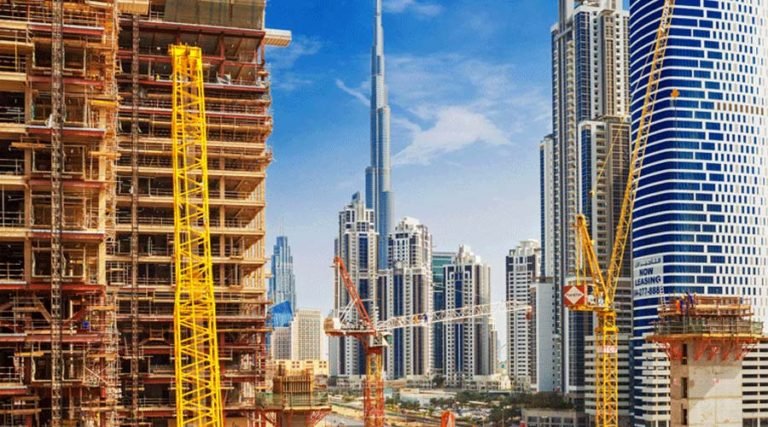
On 16 July 2000, the late Sheikh Zayed bin Sultan Al Nahyan issued Federal Law No. 7 of 2000, establishing the Emirates Real Estate Corporation. The decision marked an important stage in the development of a more organised and professional system for managing properties required by the UAE’s federal government.
The corporation was created with the capital of AED 500 million and was given responsibility for developing, owning, leasing, managing and maintaining properties used by federal ministries, authorities and public institutions. Its establishment reflected the UAE leadership’s recognition that government buildings should be managed as long term national assets rather than treated merely as individual construction projects.
At the beginning of the twenty first century, the UAE was expanding rapidly. Population growth, economic development and the increasing responsibilities of federal institutions created strong demand for new offices, service centres, courts, administrative complexes and specialised public buildings. Managing these requirements separately could have resulted in duplicated costs, inconsistent standards and inefficient use of government property.
The Emirates Real Estate Corporation introduced a centralised approach. Instead of every ministry arranging its own property requirements independently, a specialised federal institution could plan, design, construct, lease and maintain buildings according to government needs.
This system allowed ministries and authorities to focus on providing public services while the corporation handled their real estate and infrastructure requirements. It also encouraged a more complete approach to property management. The cost of a building was no longer viewed only in terms of construction. Maintenance, operational efficiency, safety, functionality and long term use also became important considerations.
The corporation was different from a conventional private developer. Its main purpose was not to construct residential towers or commercial projects for sale to investors. Its role was to meet the property needs of federal institutions and ensure that public buildings supported the effective delivery of government services.
Over time, its responsibilities included the development and management of properties for major federal bodies, as well as diplomatic buildings outside the UAE. Embassy and diplomatic projects required careful attention to security, cultural representation, functionality and national identity, extending the corporation’s role beyond the domestic property market.
The institution also created opportunities for the private sector. Federal property projects required architects, engineers, consultants, contractors, project managers, facilities management companies and building material suppliers. Through these projects, the corporation supported cooperation between the government and the UAE’s construction and real estate industries.
The establishment of the corporation was consistent with Sheikh Zayed’s wider vision of planned national development. Housing, roads, public buildings and urban infrastructure were regarded as essential foundations for economic progress and social welfare. Creating a dedicated federal real estate institution brought this planning philosophy into the management of government property.
The importance of the 16 July 2000 decision lies in the institutional change it introduced. It helped improve coordination, promote consistent building standards, strengthen maintenance systems and support better use of public assets.
The UAE’s real estate history is often associated with famous skyscrapers, luxury developments and master planned communities. However, government offices, courts, embassies and public service centres are also vital parts of the built environment.
By establishing the Emirates Real Estate Corporation, the UAE created a professional framework for developing and managing these assets. The law therefore remains an important milestone in the history of federal property management and public sector real estate development in the country.
▪ Reference(s):
16 جولائی 2000 کو متحدہ عرب امارات کے بانی، مرحوم شیخ زاید بن سلطان النہیان نے وفاقی قانون نمبر 7 مجریہ 2000 جاری کیا، جس کے تحت امارات رئیل اسٹیٹ کارپوریشن قائم کی گئی۔ یہ اقدام وفاقی حکومت کے زیر استعمال املاک کو زیادہ منظم، پیشہ ورانہ اور طویل مدتی بنیادوں پر چلانے کی جانب ایک اہم پیش رفت تھا۔
کارپوریشن کا قیام 500 ملین درہم کے سرمائے سے عمل میں آیا۔ اسے وفاقی وزارتوں، سرکاری اداروں اور مختلف اتھارٹیز کے لیے درکار عمارتیں تعمیر کرنے، خریدنے، اپنے پاس رکھنے، لیز پر دینے، انتظام سنبھالنے اور دیکھ بھال کرنے کی ذمہ داری سونپی گئی۔ اس فیصلے سے یہ تصور مضبوط ہوا کہ سرکاری عمارتیں محض تعمیراتی منصوبے نہیں بلکہ قومی اثاثے ہیں، جن کی باقاعدہ منصوبہ بندی، نگہداشت اور مؤثر استعمال ضروری ہے۔
اکیسویں صدی کے آغاز میں متحدہ عرب امارات تیزی سے ترقی کر رہا تھا۔ آبادی میں اضافہ، معیشت کی توسیع اور وفاقی اداروں کی بڑھتی ہوئی ذمہ داریوں کے باعث دفاتر، عدالتی عمارتوں، انتظامی مراکز، عوامی سروس سنٹرز اور دیگر خصوصی سرکاری تنصیبات کی ضرورت بھی بڑھ رہی تھی۔ ہر ادارے کی جانب سے الگ الگ بنیادوں پر املاک کے معاملات چلانے سے اخراجات میں اضافہ، تعمیراتی معیار میں فرق اور سرکاری جگہوں کے غیر مؤثر استعمال کا خدشہ موجود تھا۔
امارات رئیل اسٹیٹ کارپوریشن نے ان ضروریات کے لیے ایک مرکزی نظام فراہم کیا۔ اس کے بعد وزارتوں اور وفاقی اداروں کو اپنی عمارتوں کی منصوبہ بندی، تعمیر اور دیکھ بھال الگ الگ کرنے کے بجائے ایک مخصوص ماہر ادارے کی خدمات حاصل ہو گئیں۔ اس سے سرکاری ادارے اپنی بنیادی ذمہ داریوں اور عوامی خدمات پر زیادہ توجہ دے سکے۔
کارپوریشن کا کردار روایتی نجی رئیل اسٹیٹ ڈویلپر سے مختلف تھا۔ اس کا مقصد رہائشی ٹاورز یا کمرشل منصوبے بنا کر سرمایہ کاروں کو فروخت کرنا نہیں تھا، بلکہ وفاقی حکومت کی حقیقی پراپرٹی ضروریات پوری کرنا تھا۔ اس کے دائرہ کار میں عمارت کی تعمیر کے ساتھ ساتھ اس کی حفاظت، آپریشنل کارکردگی، سہولیات، مرمت اور طویل مدتی استعمال بھی شامل تھا۔
وقت کے ساتھ کارپوریشن نے مختلف وفاقی اداروں کے لیے عمارتوں کی تیاری اور انتظام کے علاوہ بیرون ملک سفارتی املاک سے متعلق منصوبوں میں بھی کردار ادا کیا۔ سفارت خانوں اور سفارتی عمارتوں کی تعمیر میں سکیورٹی، قومی شناخت، ثقافتی نمائندگی اور عملی ضروریات کو یکجا کرنا پڑتا ہے، اس لیے یہ ذمہ داری خصوصی اہمیت رکھتی تھی۔
کارپوریشن کے قیام سے نجی شعبے کے لیے بھی مواقع پیدا ہوئے۔ وفاقی منصوبوں میں ماہر تعمیراتی اداروں، انجینئرز، کنسلٹنٹس، ٹھیکیداروں، پراجیکٹ مینیجرز، فیسلٹی مینجمنٹ کمپنیوں اور تعمیراتی سامان فراہم کرنے والوں کی خدمات درکار ہوتی تھیں۔ اس طرح سرکاری رئیل اسٹیٹ منصوبوں نے تعمیراتی صنعت اور نجی شعبے کے ساتھ تعاون کو فروغ دیا۔
یہ فیصلہ شیخ زاید کے وسیع تر ترقیاتی وژن کا حصہ تھا، جس میں رہائش، سڑکوں، سرکاری عمارتوں اور شہری انفراسٹرکچر کو قومی ترقی کی بنیاد سمجھا جاتا تھا۔ امارات رئیل اسٹیٹ کارپوریشن نے اسی سوچ کو وفاقی املاک کے انتظام میں ادارہ جاتی شکل دی۔
16 جولائی 2000 کا یہ اقدام اس لیے اہم ہے کہ اس نے متحدہ عرب امارات میں سرکاری املاک کی منصوبہ بندی، تعمیر، دیکھ بھال اور استعمال کے لیے ایک مربوط نظام قائم کیا۔ متحدہ عرب امارات کی رئیل اسٹیٹ تاریخ عموماً بلند و بالا عمارتوں، لگژری منصوبوں اور جدید رہائشی کمیونٹیز کے حوالے سے جانی جاتی ہے، لیکن وزارتیں، عدالتیں، سفارت خانے اور عوامی خدمت کے مراکز بھی اسی تعمیر شدہ ماحول کا بنیادی حصہ ہیں۔
امارات رئیل اسٹیٹ کارپوریشن کے قیام نے ان سرکاری اثاثوں کو پیشہ ورانہ انداز میں منظم کرنے کی بنیاد رکھی۔ اسی لیے 16 جولائی 2000 متحدہ عرب امارات میں وفاقی رئیل اسٹیٹ اور پبلک سیکٹر پراپرٹی مینجمنٹ کی تاریخ کا ایک اہم سنگ میل قرار دیا جا سکتا ہے۔
فلوریڈا سے قبل امریکہ میں 26 ریاستیں موجود تھیں۔ 3 مارچ 1845 کو اسے بھی امریکی ریاست بنانے کی ضرورت اس لیے محسوس ہوئی کہ اُس وقت امریکہ میں غلامی کے حامی اور م...
مزید پڑھیں
24 جنوری 1965 کو حیدرآباد میں واقع تاریخی سردار محل کو جائیداد ٹیکس کے واجبات جمع نہ ہونے کے باعث بلدیاتی انتظامیہ نے اپنی تحویل میں لے کر یہاں اپنے دفاتر قائم...
مزید پڑھیں
سکاٹ لینڈ میں Kilmarnock and Troon Railway کا افتتاح ہوا، جسے سکاٹ لینڈ کی پہلی عوامی ریلوے لائن سمجھا جاتا ہے۔ یہ ریلوے لائن Ayrshire کے علاقے میں Kilmarnock ...
مزید پڑھیں
بین الاقوامی اولمپک کمیٹی نے ماسکو میں منعقدہ اپنے 112ویں اجلاس کے دوران چین کے دارالحکومت بیجنگ کو 2008 کے موسم گرما کے اولمپک مقابلوں کی میزبانی کیلئے منتخب ک...
مزید پڑھیں
امریکا میں پندرہویں مردم شماری ایکٹ کی منظوری دی گئی۔ اس قانون کے تحت 1930 کی مردم شماری کی اجازت دی گئی اور آبادی، زراعت، زمین کے استعمال اور معاشی اعداد و ش...
مزید پڑھیں
ماڈل ٹاؤن لاہور ایک جدید رہائشی سوسائٹی جو لاہور کے قدیمی جنگل میں بسائی گئی ماڈل ٹاؤن سوسائٹی کے لیے زمین کی خریداری اور حصول بھی ایک نہایت ...

ماڈل ٹاؤن سوسائٹی کی 500 ایکڑ زمین کہاں گئی؟ ماڈل ٹاؤن لاہور کی زمین 1921 سے 1924 کے درمیان مختلف مرحلوں میں خریدی گئی۔ ابتدا 1921 میں ہوئی جب...
No comments yet. Be the first to comment!