
Syed Shayan Real Estate Archive
Syed Shayan Real Estate Archive
From Real Estate History
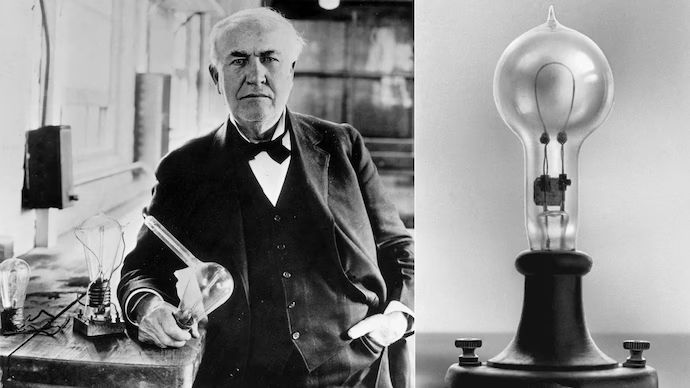
Although Thomas Edison had already developed the electric light bulb in 1879 and had illuminated public spaces on a commercial scale in New York through the Pearl Street Power Station in 1882, the use of electricity at that stage remained limited to a small number of buildings and confined areas.
On 19 January 1883, in the town of Roselle, New Jersey, electricity was supplied to an inhabited community through an overhead wiring system using pole-mounted cables. Under this arrangement, the First Presbyterian Church of Roselle became the first public building to be illuminated, with Edison himself present to supervise the installation. This demonstration conclusively proved that electricity was no longer restricted to laboratories or isolated facilities, but could illuminate homes, streets, roads, and marketplaces after dark. Until then, underground wiring had been prohibitively expensive, limiting access to electricity largely to affluent individuals or select commercial institutions. Overhead wiring, by contrast, offered a far more economical and scalable solution.
Edison’s true significance lay not merely in the invention of the electric bulb, but in his capacity to transform that invention into a functioning urban system. While Nikola Tesla possessed revolutionary concepts for transmitting electricity over long distances, Edison was the first to present a practical, working model that carried electricity out of experimental settings and into populated urban neighbourhoods and ordinary homes.
Edison did not invent a bulb in isolation. He unified electricity generation, transmission, measurement, and safety into a coherent system that enabled society to move beyond darkness. He understood that a bulb, without electricity available inside homes, would remain little more than a novelty. Once the bulb had been created, the real challenge before him was the establishment of a complete system for the production, transmission, and distribution of electricity.
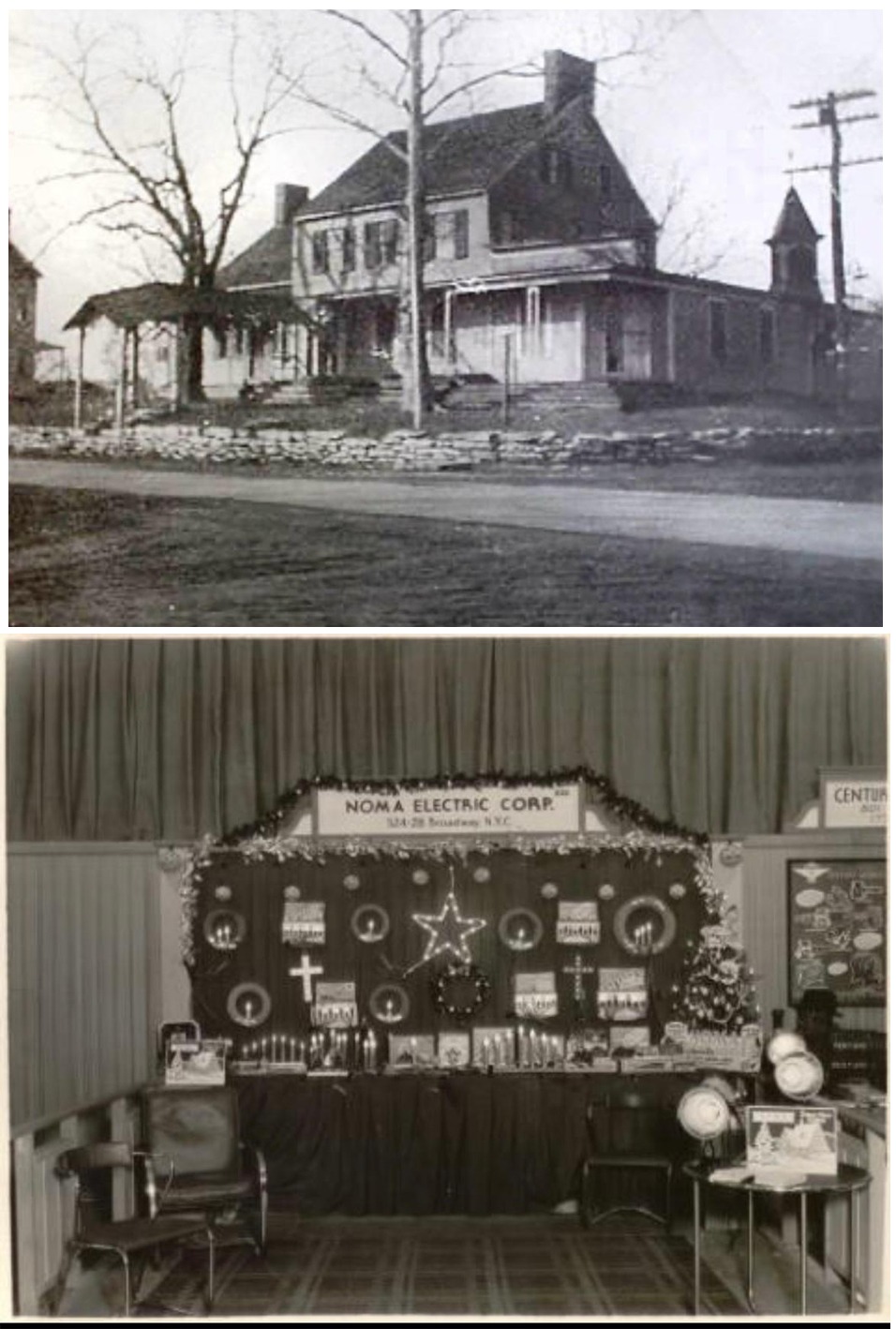
These two images depict, with historical authenticity, the town of Roselle in the US state of New Jersey and a public exhibition of the complete early electricity supply system. Roselle is the settlement where, on 19 January 1883, electricity was first delivered to homes through Thomas Edison’s overhead wiring system, while the exhibition image presents Edison’s entire electricity supply framework, including bulbs, wiring, and related equipment, as it was displayed to the public.
Guided by this understanding, Edison turned his attention to power stations, wiring infrastructure, and distribution networks, ensuring that electricity did not remain the privilege of laboratories or wealthy elites, but became an integral part of everyday urban life. Historians broadly agree that Edison’s principal achievement was not the invention of the bulb itself, but the creation of a system capable of delivering electricity reliably and safely.
Edison transformed electricity from an isolated invention into an organised grid system. He developed electric meters, fuses, switches, generators, and all essential components of distribution, without which electricity could never have entered common use.
This vision first took concrete form in 1882 with the Pearl Street Power Station in New York, which demonstrated for the first time that electricity could be generated at a central location and distributed via underground cables across an entire urban block. This model subsequently became the foundation of modern power grids worldwide.
The later experiment with overhead wiring in New Jersey marked another decisive advance. Installing cables on poles was both more economical and more effective for extending electricity to distant urban areas. Electricity was no longer confined to a handful of large residences, but spread into ordinary streets and neighbourhoods, becoming a fundamental element of modern urban life.
Through Edison’s sustained efforts, electricity reached a stage at which it could be generated, measured, distributed in units, and sold at a defined price.
▪️Syed Shayan Real Estate Archive
▪ Reference(s):
اگرچہ 1879 میں ایڈیسن نے بجلی کا بلب تیار کر لیا تھا اور 1882 میں انہوں نے نیویارک میں Pearl Street Power Station کے ذریعے کمرشل سطح پر عوامی مقامات کو روشن بھی کیا تھا، مگر اس وقت تک بجلی کا استعمال چند عمارتوں اور محدود علاقوں تک ہی تھا۔
19 جنوری 1883 کو امریکی ریاست نیو جرسی کے قصبے Roselle میں اوور ہیڈ وائرنگ، یعنی کھمبوں پر نصب تاروں کے ذریعے، بجلی کو ایک آباد بستی تک پہنچایا گیا۔ اس منصوبے میں First Presbyterian Church, Roselle پہلی عوامی عمارت تھی جسے اس نظام کے تحت روشن کیا گیا، اور خود ایڈیسن اس تنصیب کی نگرانی میں موجود تھے۔ اس تجربے نے یہ ثابت کر دیا کہ بجلی اب محض تجربہ گاہوں تک محدود نہیں رہی بلکہ گھروں، گلیوں، سڑکوں اور بازاروں کو بھی رات کے وقت روشن کیا جا سکتا ہے۔ اس سے پہلے زیرِ زمین وائرنگ اتنی مہنگی تھی کہ بجلی صرف چند امیر افراد یا محدود تجارتی اداروں تک ہی قابلِ رسائی سمجھی جاتی تھی، جبکہ کھمبوں پر تاریں بچھانا نسبتاً سستا اور بڑے پیمانے پر ممکن تھا۔
ایڈیسن کی عظمت کا اصل راز صرف برقی بلب ایجاد کرنے میں نہیں بلکہ اپنی اس ایجاد کو فعال شہری نظام میں ڈھالنے کی صلاحیت میں پوشیدہ تھا۔ اگرچہ نکولا ٹیسلا کے پاس بجلی کو طویل فاصلوں تک منتقل کرنے کے انقلابی نظریات موجود تھے، لیکن ایڈیسن وہ پہلے شخص تھے جنہوں نے بجلی کو تجربہ گاہوں سے نکال کر شہری آبادیوں اور عام انسان کے گھر تک پہنچانے کا عملی نمونہ فراہم کیا۔
ایڈیسن نے صرف بلب ایجاد نہیں کیا بلکہ بجلی کی پیداوار، ترسیل، پیمائش اور حفاظت کے تمام مراحل کو یکجا کر کے ایک ایسا منظم نظام پیش کیا جس نے انسانی معاشرے سے اندھیرے ختم کرنے میں رہنمائی فراہم کی۔
یہ دو تصاویر امریکی ریاست نیو جرسی کے قصبے Roselle کی اور ابتدائی بجلی کی سپلائی کے مکمل نظام کی عوامی نمائش کو تاریخی طور پر مستند انداز میں پیش کرتی ہیں۔ Roselle وہی بستی ہے جہاں 19 جنوری 1883 کو تھامس ایڈیسن کے اوور ہیڈ وائرنگ سسٹم کے ذریعے پہلی بار گھروں تک بجلی پہنچائی گئی، جبکہ نمائش کی تصویر میں تھامس ایڈیسن کی بجلی کی سپلائی کے پورے نظام کو بلب، تاروں اور آلات سمیت عوام کے سامنے پیش کیا گیا
عام طور پر لوگ ایڈیسن کو صرف ایک موجد کے طور پر جانتے ہیں، لیکن حقیقت میں وہ ایک عظیم سسٹم انجینئر اور کاروباری مفکر بھی تھے۔ وہ بخوبی جانتے تھے کہ اگر بلب بنا بھی لیا جائے مگر گھروں میں بجلی موجود نہ ہو تو وہ بلب محض ایک کھلونا ہی رہے گا۔ اسی لیے بلب کی ایجاد کے بعد ایڈیسن کے سامنے اصل سوال بجلی کی پیداوار، ترسیل اور تقسیم کا مکمل نظام قائم کرنا تھا۔
اسی سوچ کے تحت انہوں نے بلب کے بعد پاور اسٹیشن، وائرنگ اور تقسیم کے نظام پر کام کیا تاکہ بجلی تجربہ گاہوں یا امیر طبقے تک محدود نہ رہے بلکہ عام شہری زندگی کا حصہ بن سکے۔ تاریخ دان اس نکتے پر متفق ہیں کہ ایڈیسن کا اصل کارنامہ محض بلب ایجاد کرنا نہ تھا بلکہ بجلی کو ترسیل کرنے کے سسٹم میں ڈھالنا تھا۔
ایڈیسن نے بجلی کو ایک انفرادی ایجاد سے نکال کر باقاعدہ گرڈ سسٹم کی شکل دی۔ انہوں نے بجلی کے میٹر، فیوز، سوئچ، جنریٹر اور تقسیم کے تمام ضروری اجزا تیار کیے، جن کے بغیر بجلی عام استعمال میں نہیں آ سکتی تھی۔
اسی سوچ کا عملی اظہار 1882 میں نیویارک کے پرل اسٹریٹ اسٹیشن کی صورت میں ہوا، جس نے پہلی بار یہ ثابت کیا کہ ایک مرکزی مقام پر بجلی پیدا کر کے اسے زیرِ زمین تاروں کے ذریعے پورے شہری بلاک میں تقسیم کیا جا سکتا ہے، اور یہی ماڈل بعد میں دنیا بھر کے پاور گرڈز کی بنیاد بنا۔
اس کے بعد نیو جرسی میں اوور ہیڈ وائرنگ کا تجربہ ایک اہم قدم ثابت ہوا، کیونکہ کھمبوں پر تاریں بچھانا سستا بھی تھا اور دور دراز شہری آبادی تک بجلی پہنچانے میں زیادہ مؤثر بھی، جس سے بجلی چند بنگلوں تک محدود نہ رہی بلکہ عام گلیوں اور محلّوں تک پہنچ کر جدید شہری زندگی کا لازمی حصہ بن گئی۔
یوں ایڈیسن کی مسلسل محنت کے بعد وہ مرحلہ آیا جب بجلی کو پیدا کیا جا سکتا تھا، ناپا جا سکتا تھا، یونٹس میں تقسیم کیا جا سکتا تھا اور قیمت کے ساتھ فروخت بھی کیا جا سکتا تھا۔
▪️ سید شایان ریئل اسٹیٹ آرکائیو
On October 20, 1901, the first comprehensive national building code standards were established, creating uniform construction regulations across the country. Th...
Read More →
On October 21, 1959, Pakistan launched its first House Building Finance Scheme through the House Building Finance Corporation (HBFC). This initiative aimed to p...
Read More →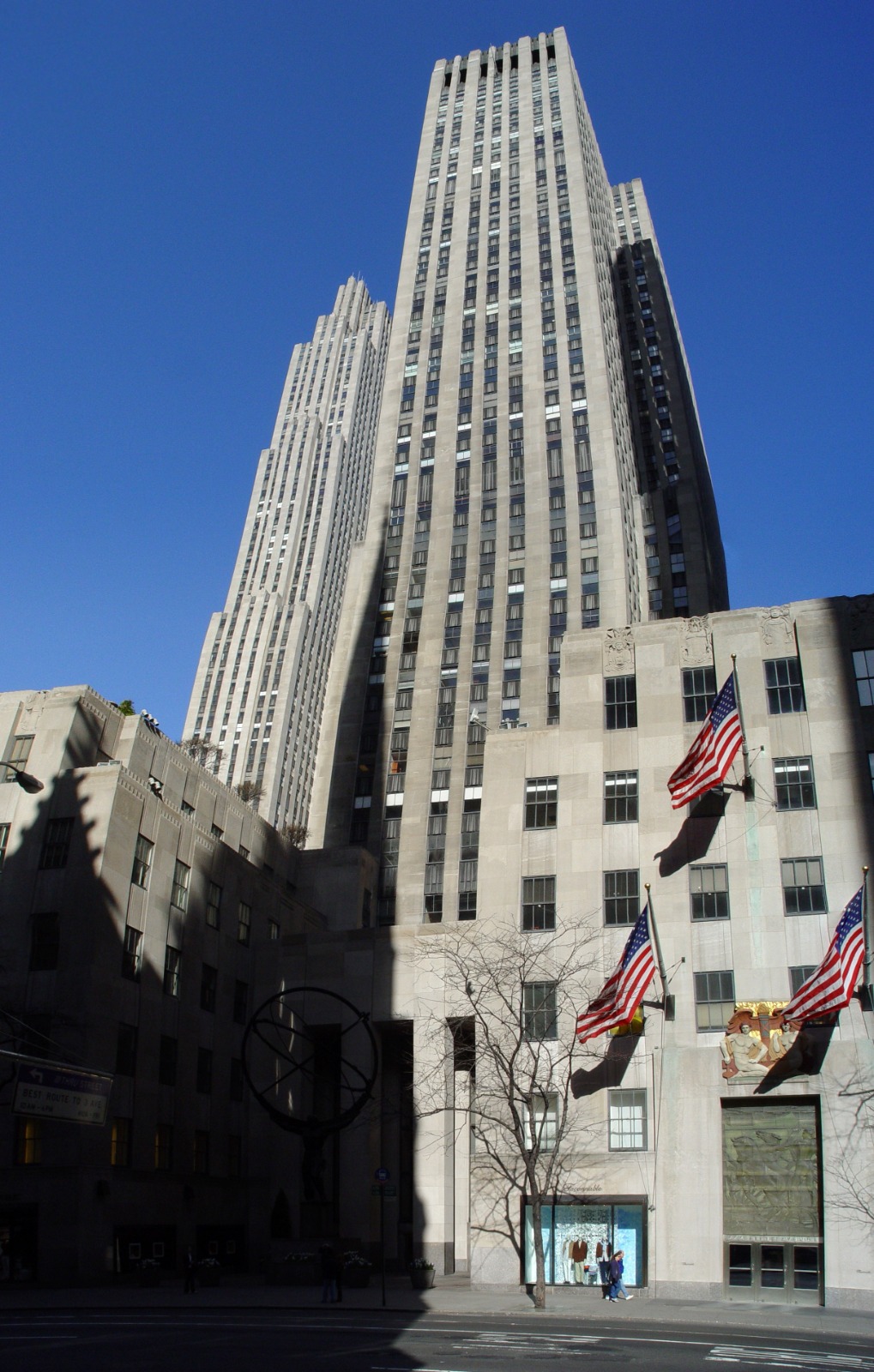
A ceremonial groundbreaking was held for Palazzo d’Italia, an Italian themed commercial building planned as part of Rockefeller Center’s International Complex o...
Read More →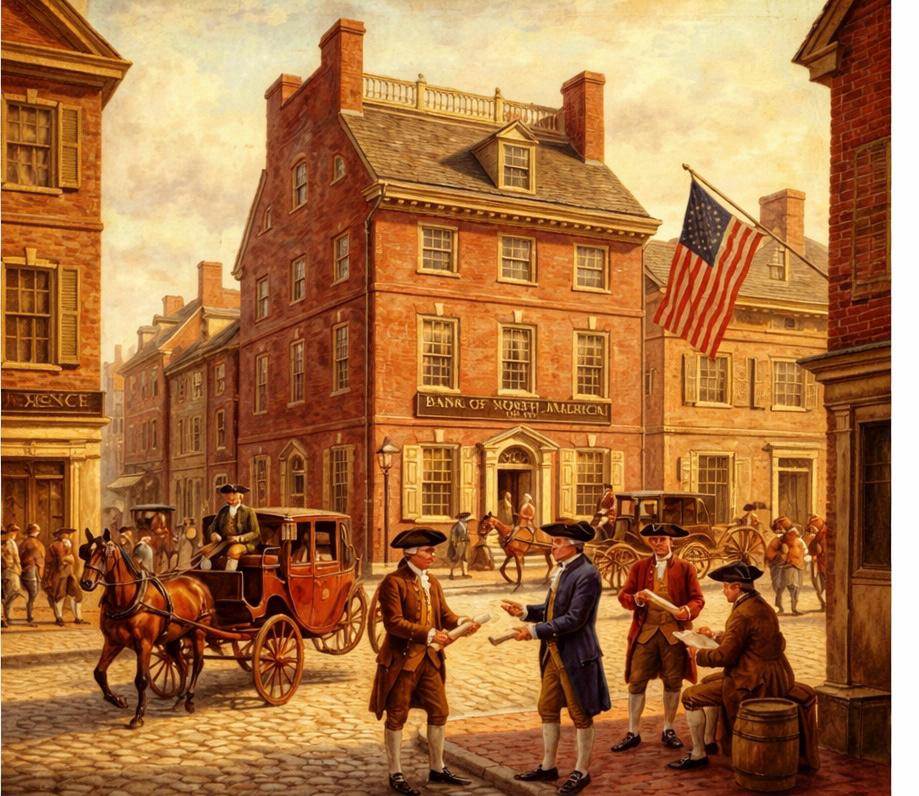
On the 12th of January 1831, a pivotal moment in the annals of global real estate transpired, heralding a transformation in the ownership of land and dwelling...
Read More →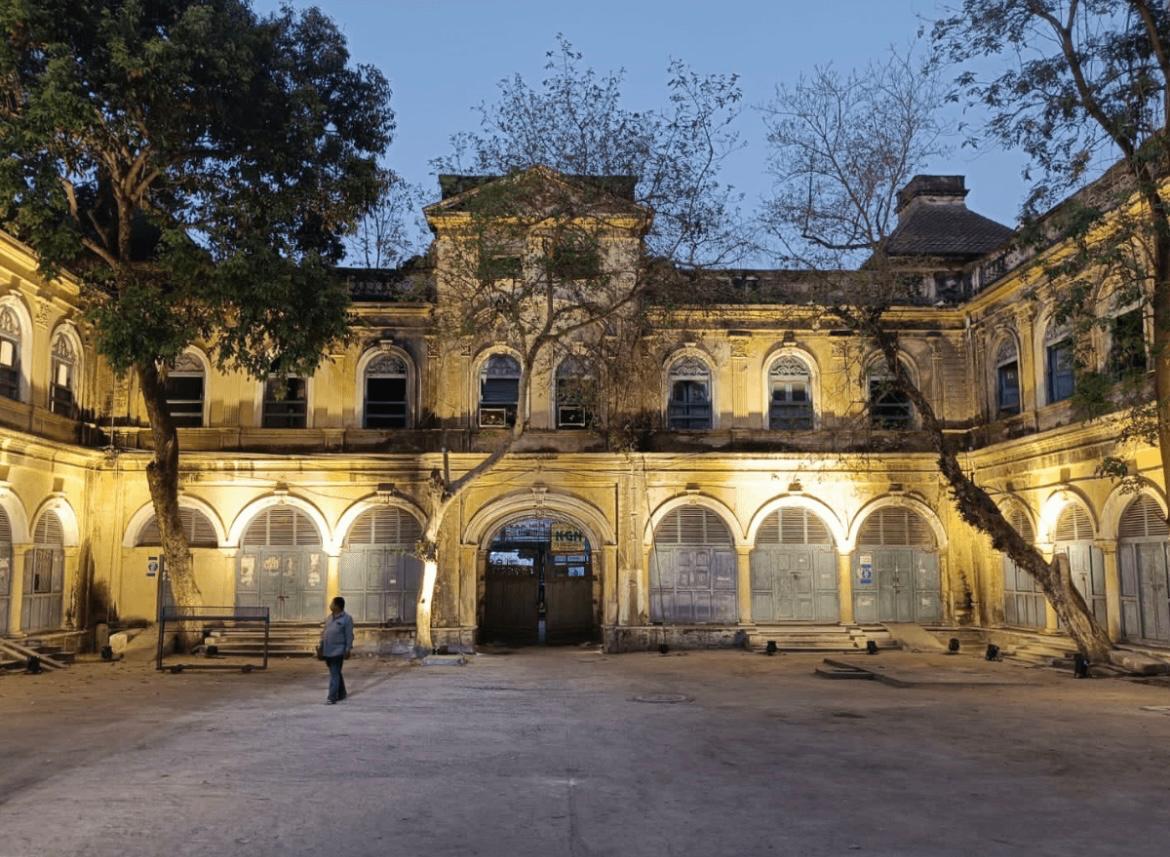
On 24 January 1965, the historic Sardar Mahal, located in Hyderabad, was placed under official municipal control following the failure to clear outstanding pro...
Read More →
The acquisition of land for the Model Town Society was one of the most remarkable and spirited chapters in its early history. Dewan Khem Chand and his...
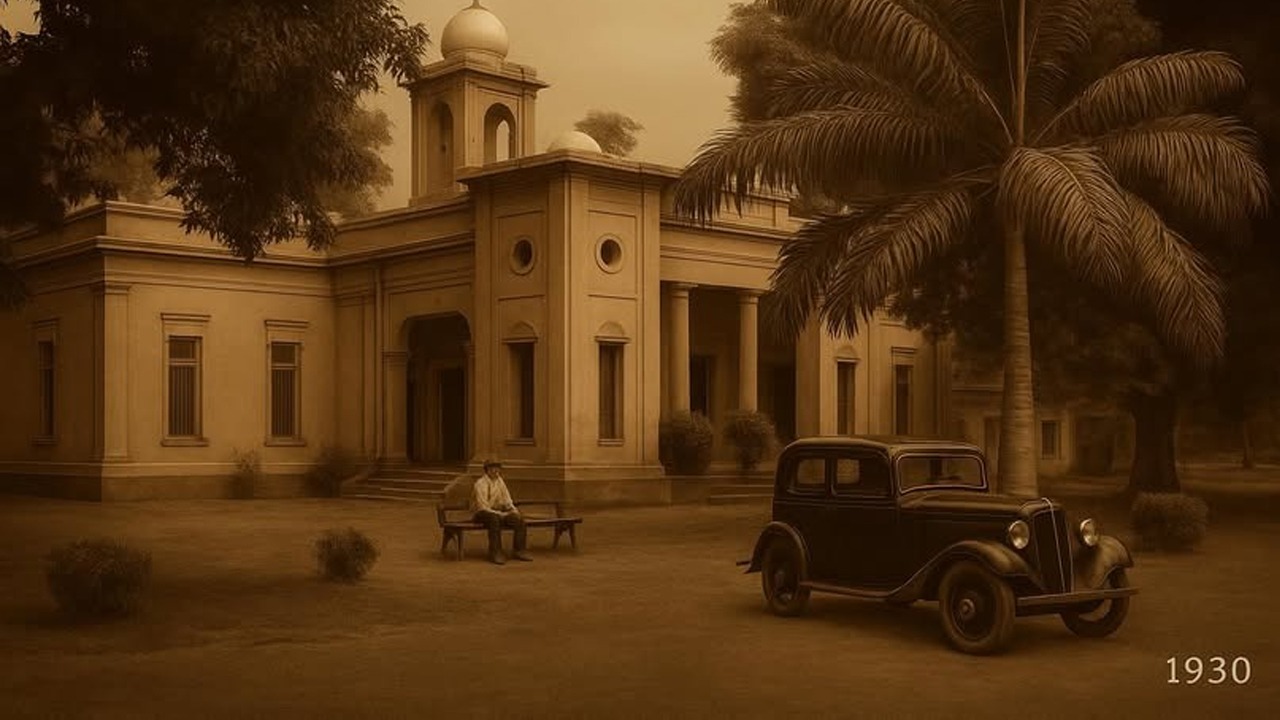
Between 1921 and 1924, the land for Model Town Lahore was acquired in successive phases. The process began in 1921, shortly after the establishment of...
No comments yet. Be the first to comment!