
Syed Shayan Real Estate Archive
Syed Shayan Real Estate Archive
From Real Estate History
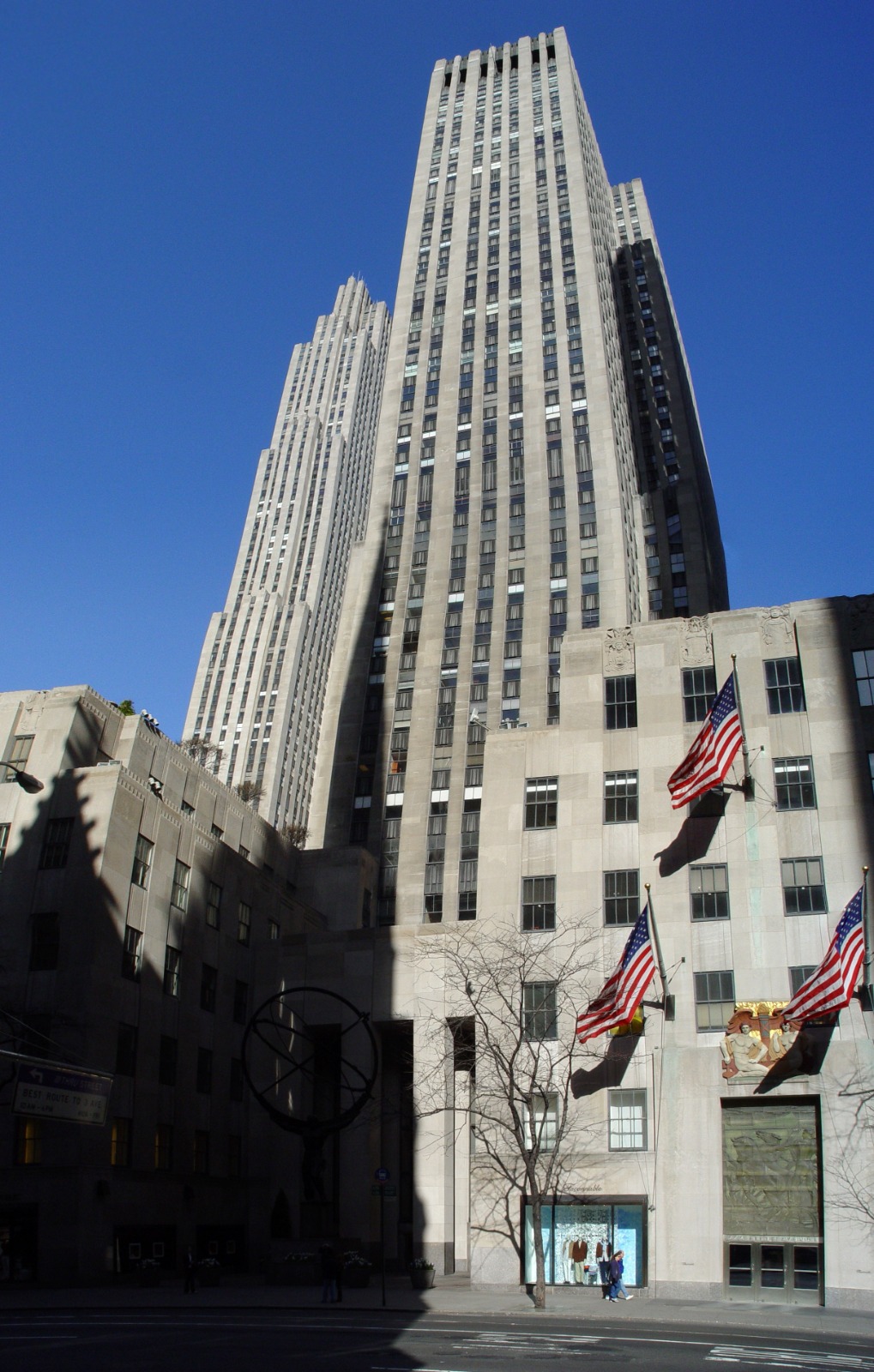
A ceremonial groundbreaking was held for Palazzo d’Italia, an Italian themed commercial building planned as part of Rockefeller Center’s International Complex on Fifth Avenue in New York City. The ceremony marked an important stage in the expansion of one of the twentieth century’s most influential privately developed commercial real estate projects.
Palazzo d’Italia was conceived as a centre for Italian commercial, cultural, tourism and business interests. Its development reflected Rockefeller Center’s broader strategy of combining office buildings, shops, public spaces, art and international representation within a unified urban complex.
The original plans were later revised, and Palazzo d’Italia became one of the two smaller wings of the International Building. The 41 storey Art Deco office tower opened in 1935, with its construction becoming notable for speed, quality and modern building techniques. Its main structure was reportedly completed within 136 working days.
The development demonstrated how large scale real estate could create an entire commercial district rather than a single building. Offices, retail outlets, landscaped roof gardens, pedestrian plazas and public art were integrated to improve both the commercial value and identity of the property.
Rockefeller Center later became a New York City landmark and a United States National Historic Landmark. Its planning model continues to influence modern mixed use developments, business districts and urban regeneration projects around the world.
▪️Syed Shayan Real Estate Archive
▪ Reference(s):
نیویارک کی ففتھ ایونیو پر واقع راک فیلر سینٹر کے بین الاقوامی تعمیراتی مجموعے کے ایک اہم حصے پالازو ڈی اٹالیا کی بنیاد رکھنے کی تقریب منعقد ہوئی۔ یہ پیش رفت بیسویں صدی کے انتہائی بااثر نجی کمرشل رئیل اسٹیٹ منصوبوں میں شامل راک فیلر سینٹر کی توسیع کا اہم مرحلہ تھی۔
پالازو ڈی اٹالیا کو اطالوی تجارتی، ثقافتی، سیاحتی اور کاروباری سرگرمیوں کے مرکز کے طور پر منصوبہ بند کیا گیا تھا۔ اس منصوبے نے راک فیلر سینٹر کے اس وسیع تصور کی نمائندگی کی جس کے تحت دفاتر، دکانوں، عوامی مقامات، فن پاروں اور بین الاقوامی کاروباری اداروں کو ایک منظم شہری مجموعے میں یکجا کیا گیا۔
بعدازاں ابتدائی نقشوں میں تبدیلی کی گئی اور پالازو ڈی اٹالیا کو انٹرنیشنل بلڈنگ کے دو نسبتاً چھوٹے حصوں میں شامل کر دیا گیا۔ آرٹ ڈیکو طرز کی 41 منزلہ انٹرنیشنل بلڈنگ 1935 میں کھولی گئی، جبکہ اس کا بنیادی تعمیراتی ڈھانچہ صرف 136 کام کے دنوں میں مکمل کیا گیا تھا۔
اس منصوبے نے ثابت کیا کہ بڑے پیمانے کی رئیل اسٹیٹ ترقی کو محض ایک عمارت تک محدود رکھنے کے بجائے مکمل کاروباری اور شہری ضلع تشکیل دینے کیلئے استعمال کیا جا سکتا ہے۔ منصوبے میں دفاتر، تجارتی مراکز، چھتوں پر باغات، پیدل چلنے والوں کیلئے کھلی جگہوں اور عوامی فن پاروں کو یکجا کیا گیا۔
راک فیلر سینٹر کو بعد میں نیویارک شہر کی تاریخی عمارت اور امریکا کے قومی تاریخی اثاثے کا درجہ دیا گیا۔ اس کا تعمیراتی اور شہری منصوبہ بندی کا نمونہ آج بھی دنیا بھر کے مخلوط استعمال کے منصوبوں، کاروباری اضلاع اور شہری بحالی کی سکیموں کو متاثر کر رہا ہے۔
▪️ سید شایان ریئل اسٹیٹ آرکائیو

Across Pakistan, 31 December is designated as the annual Close of the revenue system, under which all land and property related records maintained by the Board ...
Read More →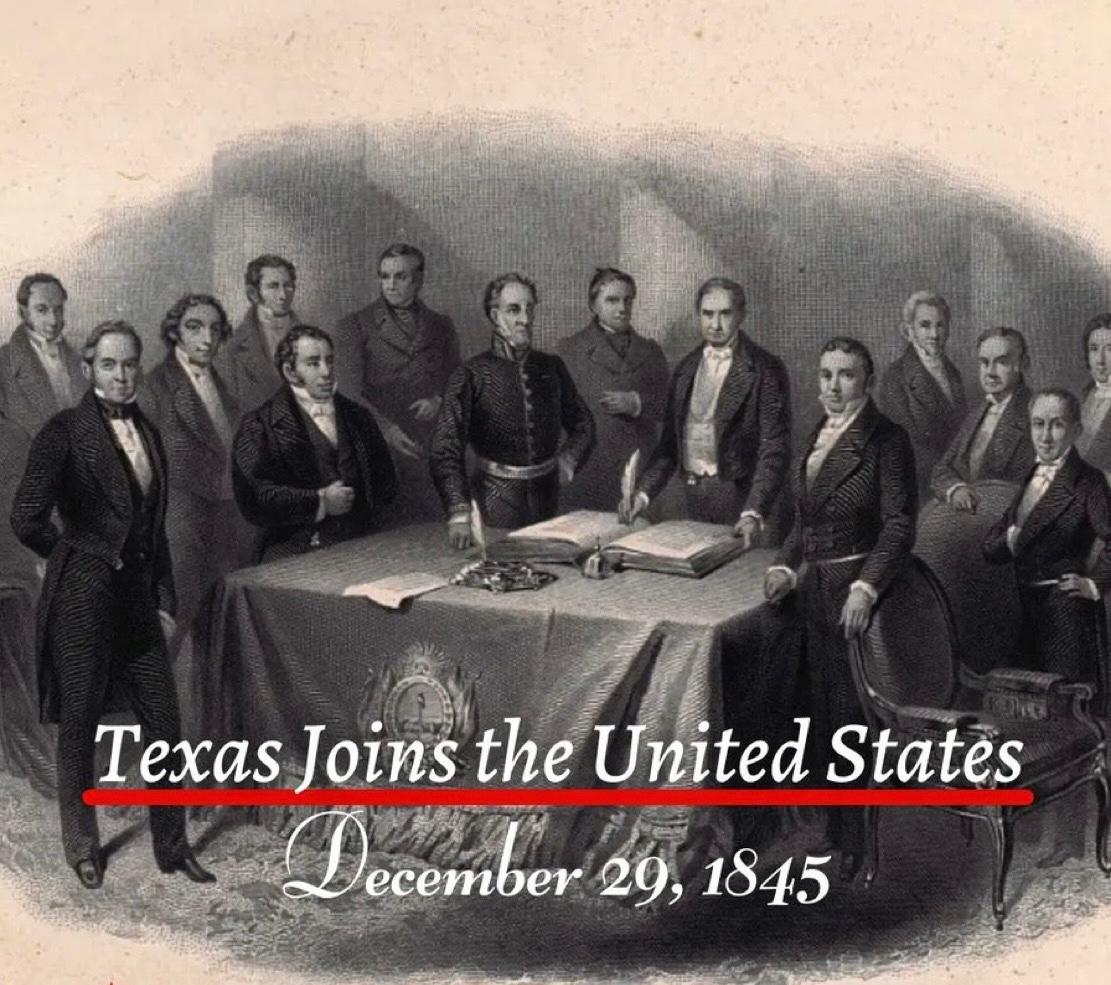
On 29 December 1845, Texas formally became the twenty eighth state of the United States. This event was not merely a political decision. It marked an extraord...
Read More →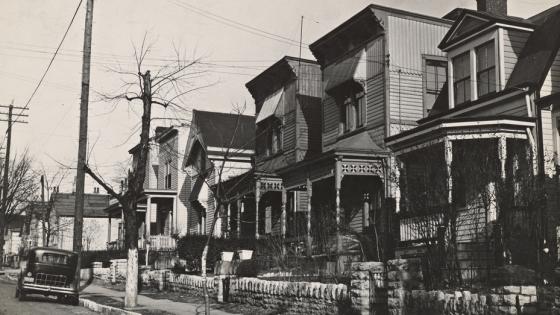
On October 27, 1835, the first official institutional mortgage system emerged in the United States through 'Terminating Building Societies' (TBS), marking a rev...
Read More →.jpg)
On October 18, 2017, Saudi Arabia officially announced the historic decision to lift the decades-long ban on women driving, marking a major step toward gender e...
Read More →
In 2021, the Federal Reserve introduced a series of strategic interventions aimed at stabilizing the U.S. real estate market amid growing concerns over housing ...
Read More →
The acquisition of land for the Model Town Society was one of the most remarkable and spirited chapters in its early history. Dewan Khem Chand and his...
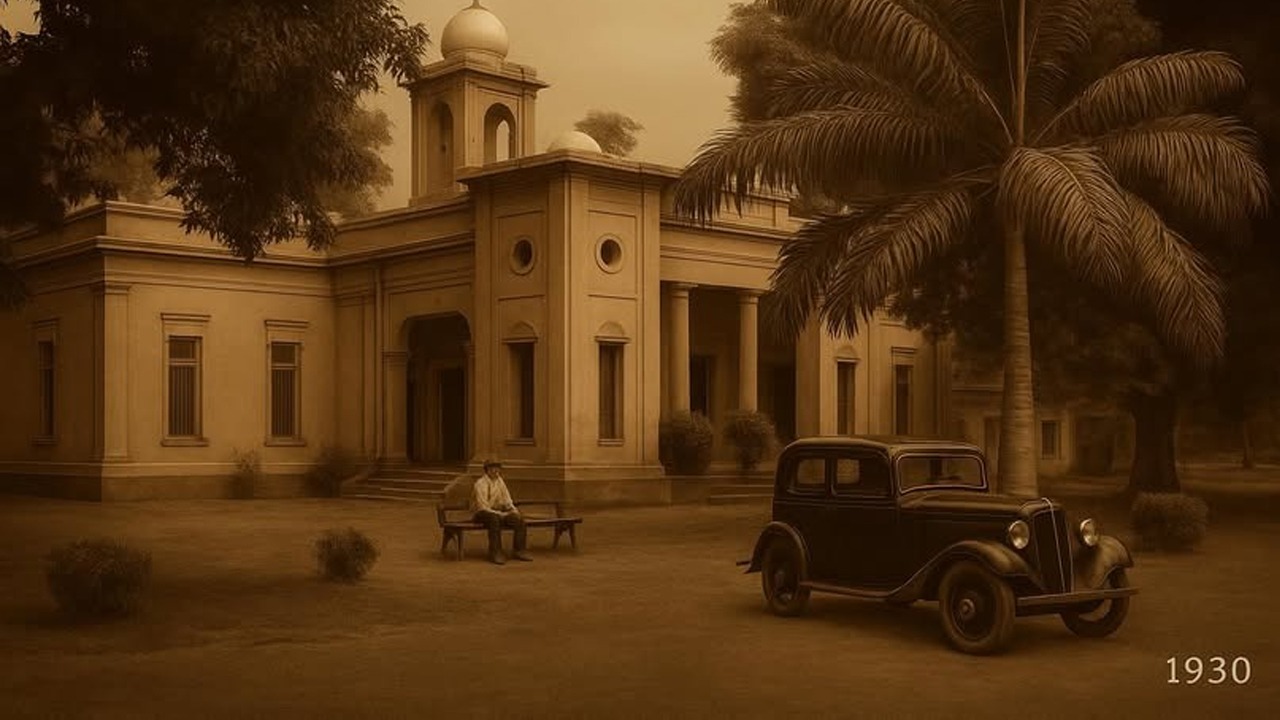
Between 1921 and 1924, the land for Model Town Lahore was acquired in successive phases. The process began in 1921, shortly after the establishment of...
No comments yet. Be the first to comment!