
Syed Shayan Real Estate Archive
Syed Shayan Real Estate Archive
From Real Estate History
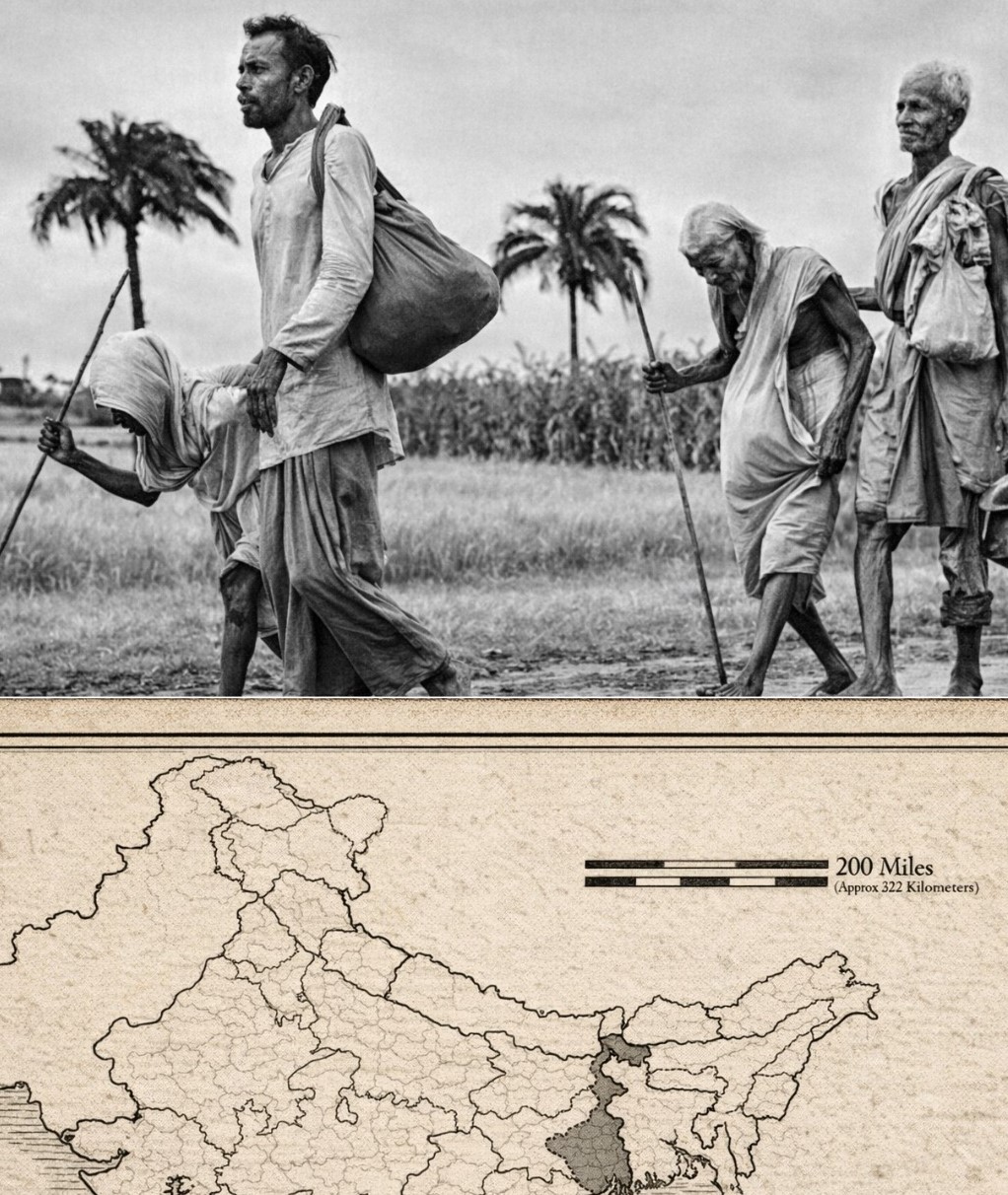
In 1947, the partition of the subcontinent divided Bengal into two parts, West Bengal and East Bengal, later known as East Pakistan.
The system of land ownership had been severely disrupted. Large scale migration left millions of acres of land without resident owners, as many had crossed the newly drawn borders. These abandoned properties quickly attracted organised attempts at unlawful occupation. To address this critical situation, the Government of West Bengal took a major administrative decision on 2 January 1948. On that day, all district officers were directed to carry out immediate surveys of land belonging to displaced owners and to place the records under official supervision, ensuring that such properties could not be illegally sold or transferred.
Under this notification, systematic ground surveys of abandoned and disputed properties were launched, and the process of land registration was brought under organised state control. This marked the first serious effort by the post Partition administration to restore and restructure land records.
A significant feature of this initiative was the introduction of safeguards for sharecroppers and tenant farmers. Legal protection was extended to cultivators who worked land owned by others, ensuring that migration or changes in ownership did not result in their sudden displacement. The notification therefore represented not merely an interim administrative measure, but the starting point of broader agrarian and land reforms.
The principal beneficiaries of this decision were poor farmers and tenants who had cultivated these lands for generations. On 2 January, the government made it explicit that no cultivator would be evicted until new ownership documentation had been formally prepared. This measure not only curtailed unlawful occupation but also reassured ordinary people that their primary means of livelihood, namely land, would remain protected. In doing so, it weakened long established feudal landholding structures and laid the foundation for an organised and state regulated land record system.
Although the decision initially took the form of an administrative order, it later served as the basis for comprehensive land ownership legislation. Land experts and historical studies confirm that January 1948 marked the beginning of formal recognition of the cultivator as a legitimate stakeholder in land rights. To this day, the events of that period are regarded as a milestone in the evolution of land record accuracy and the functioning of the revenue administration system.
▪️Syed Shayan Real Estate Archive
▪ Reference(s):
1947 میں برصغیر کی تقسیم کے نتیجے میں بنگال دو حصوں، مغربی بنگال اور مشرقی بنگال (مشرقی پاکستان) میں منقسم ہو گیا تھا۔
زمینوں کی ملکیت کا نظام بری طرح بگڑ چکا تھا۔ بڑے پیمانے پر ہجرت کے باعث لاکھوں ایکڑ زمین ایسی تھی جس کے مالکان سرحد پار جا چکے تھے، جبکہ ان جائیدادوں پر قبضہ گروپوں کی نظریں تھیں۔ اس سنگین صورتحال کو سنبھالنے کے لیے 2 جنوری 1948 کو مغربی بنگال کی حکومت نے ایک بڑا انتظامی فیصلہ کیا۔ اس دن تمام ضلعی افسران کو ہدایت دی گئی کہ وہ ہجرت کرنے والے مالکان کی زمینوں کا فوری سروے کریں اور ان کا ریکارڈ سرکاری نگرانی میں لائیں تاکہ کوئی بھی شخص ان زمینوں کو غیر قانونی طور پر فروخت نہ کر سکے۔
اس نوٹیفکیشن کے تحت ترک شدہ یا متنازعہ جائیدادوں کا باقاعدہ زمینی سروے شروع کیا گیا اور زمینوں کے اندراج کا عمل منظم کیا گیا۔ یہ وہ پہلا موقع تھا جب تقسیم کے بعد ریاست نے زمین کے ریکارڈ کو دوبارہ ترتیب دینے کی سنجیدہ کوشش کی۔
اس اقدام کا ایک نمایاں پہلو بٹائی داروں اور مزارعین کے تحفظ کی بنیاد رکھنا تھا۔ ان کسانوں کو قانونی تحفظ دینے کی سمت پہلا قدم اٹھایا گیا جو دوسروں کی زمینوں پر کاشتکاری کرتے تھے، تاکہ مالکان کی ہجرت یا ملکیت کی تبدیلی کے باعث انہیں اچانک بے دخل نہ کیا جا سکے۔ یوں یہ نوٹیفکیشن محض ایک عبوری انتظامی حکم نہیں بلکہ مستقبل کی زرعی اور زمینی اصلاحات کا نقطہ آغاز ثابت ہوا۔
اس فیصلے کا سب سے زیادہ فائدہ ان غریب کسانوں اور مزارعین کو ہوا جو ان زمینوں پر نسلوں سے محنت کر رہے تھے۔ حکومت نے 2 جنوری کو یہ واضح کر دیا کہ جب تک زمینوں کے نئے کاغذات تیار نہیں ہو جاتے، تب تک کسی بھی کاشتکار کو اس کی زمین سے بے دخل نہیں کیا جائے گا۔ اس اقدام نے نہ صرف قبضوں کا راستہ روکا بلکہ عام آدمی کو یہ تحفظ بھی دیا کہ اس کی روزی روٹی کا ذریعہ، یعنی زمین، محفوظ ہے۔ اس اقدام سے صدیوں پرانا جاگیردارانہ نظام کمزور ہوا اور ایک منظم سرکاری ریکارڈ کی بنیاد رکھی گئی۔
اگرچہ اس وقت یہ فیصلہ ایک سرکاری حکم نامے کی صورت میں تھا، لیکن اسی کی بنیاد پر آگے چل کر زمینوں کی ملکیت سے متعلق بڑے قوانین بنے۔ ماہرینِ اراضی اور تاریخی کتب اس بات کی تصدیق کرتی ہیں کہ جنوری 1948 کا آغاز ہی وہ وقت تھا جب عام کسان کو زمین کا اصل حق دار تسلیم کرنے کی کارروائی شروع ہوئی۔ آج بھی زمینوں کے ریکارڈ کی درستی اور پٹوار خانے کے نظام میں اس دن کی اہمیت کو ایک سنگ میل کے طور پر دیکھا جاتا ہے۔
▪️ سید شایان ریئل اسٹیٹ آرکائیو
On 19 June 1913, South Africa’s Natives Land Act became law, marking one of the most consequential moments in the country’s land and property history. The legis...
Read More →
On 24 January 1965, the historic Sardar Mahal, located in Hyderabad, was placed under official municipal control following the failure to clear outstanding pro...
Read More →
On 11 December 2018, the Supreme Court of Pakistan, under the leadership of then Chief Justice Mian Saqib Nisar, imposed a strict and highly unusual restriction...
Read More →
On November 2, 2015, world leaders and climate experts gathered in Paris to finalize the framework for the COP21 Climate Agreement, a landmark initiative aimed ...
Read More →
On October 9, 1874, representatives from twenty-two nations gathered in Bern, Switzerland, to establish the Universal Postal Union (UPU) — a pioneering global f...
Read More →
The acquisition of land for the Model Town Society was one of the most remarkable and spirited chapters in its early history. Dewan Khem Chand and his...

Between 1921 and 1924, the land for Model Town Lahore was acquired in successive phases. The process began in 1921, shortly after the establishment of...
No comments yet. Be the first to comment!