
Syed Shayan Real Estate Archive
Syed Shayan Real Estate Archive
From Real Estate History
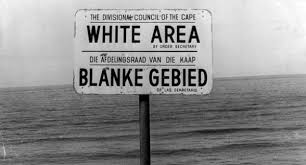
On 19 June 1913, South Africa’s Natives Land Act became law, marking one of the most consequential moments in the country’s land and property history. The legislation severely restricted African land ownership, confining Black South Africans to limited reserve areas that initially covered only about 7 percent of the country’s land. This share was later expanded to around 13 percent, but the law continued to deny the majority population meaningful access to land, ownership rights and economic opportunity. The Act reshaped settlement patterns, pushed many African families off productive land, and strengthened a system of racial and spatial inequality that influenced South Africa for generations. Its impact extended far beyond agriculture, affecting housing, migration, labour markets and urban development. The law became a foundation for later segregationist policies and remains a defining reference point in debates on land reform and historical justice.
▪️Syed Shayan Real Estate Archive
▪ Reference(s):
19 جون 1913 کو جنوبی افریقہ کا نیٹوز لینڈ ایکٹ قانون بن گیا، جو ملک کی زمین اور جائیداد کی تاریخ کے نہایت اہم واقعات میں شمار ہوتا ہے۔ اس قانون کے تحت افریقی باشندوں کی زمین کی ملکیت پر سخت پابندیاں عائد کی گئیں اور سیاہ فام جنوبی افریقیوں کو محدود محفوظ علاقوں تک محدود کر دیا گیا، جو ابتدا میں ملک کی کل زمین کے تقریباً 7 فیصد حصے پر مشتمل تھے۔ بعد میں یہ حصہ بڑھا کر تقریباً 13 فیصد کر دیا گیا، مگر اس کے باوجود اکثریتی آبادی کو زمین، ملکیتی حقوق اور معاشی مواقع تک مؤثر رسائی سے محروم رکھا گیا۔ اس قانون نے آبادکاری کے انداز بدل دیے، متعدد افریقی خاندانوں کو زرخیز زمینوں سے بے دخل کیا اور نسلی و علاقائی عدم مساوات کو مضبوط کیا۔ اس کے اثرات زراعت سے آگے بڑھ کر رہائش، نقل مکانی، محنت کی منڈیوں اور شہری ترقی تک پھیل گئے۔ یہ قانون بعد کی نسل پرستانہ پالیسیوں کی بنیاد بنا اور آج بھی زمینی اصلاحات اور تاریخی انصاف کی بحث میں ایک اہم حوالہ سمجھا جاتا ہے۔
▪️ سید شایان ریئل اسٹیٹ آرکائیو
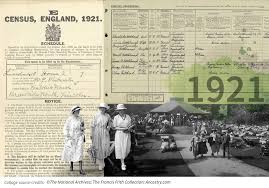
On 19 June 1921, the United Kingdom conducted its national census after delaying it from April because of widespread industrial unrest. The census recorded important details about the population, including age, occupation, household structure and living conditions. Over time, this data became valuable for understanding housing demand, urban growth and population movement across towns and cities. For planners, researchers and policymakers, the 1921 Census offered a clearer picture of how communities were changing after the First World War, helping guide decisions related to housing studies, city planning, infrastructure development and public services.
▪️Syed Shayan Real Estate Archive
▪ Reference(s):
19 جون 1921 کو برطانیہ میں قومی مردم شماری کی گئی، جسے اپریل سے مؤخر کیا گیا تھا کیونکہ اس وقت وسیع پیمانے پر صنعتی بے چینی پائی جاتی تھی۔ اس مردم شماری میں آبادی سے متعلق اہم تفصیلات ریکارڈ کی گئیں، جن میں عمر، پیشہ، گھریلو ساخت اور رہائشی حالات شامل تھے۔ وقت گزرنے کے ساتھ یہ معلومات رہائش کی طلب، شہری پھیلاؤ اور شہروں و قصبوں میں آبادی کی نقل و حرکت کو سمجھنے کے لیے نہایت اہم ثابت ہوئیں۔ منصوبہ سازوں، محققین اور پالیسی سازوں کے لیے 1921 کی مردم شماری نے پہلی جنگ عظیم کے بعد بدلتی ہوئی آبادیوں کی واضح تصویر پیش کی اور رہائشی مطالعے، شہری منصوبہ بندی، بنیادی ڈھانچے کی ترقی اور عوامی خدمات سے متعلق فیصلوں میں مدد فراہم کی۔
▪️ سید شایان ریئل اسٹیٹ آرکائیو
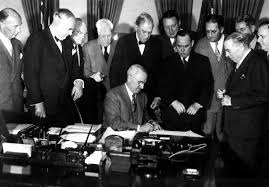
On 19 June 1947, Britain and France invited European nations to Paris to discuss a coordinated recovery programme after the devastation of the Second World War. These talks helped shape what later became known as the Marshall Plan, a major American-backed initiative for rebuilding Europe. The programme supported war-damaged economies, restored industrial production, improved transport networks, and helped revive cities, housing and public infrastructure across Western Europe. Beyond financial aid, the Marshall Plan encouraged cooperation among European states and became a turning point in post-war reconstruction, urban recovery and long-term economic stability.
▪️Syed Shayan Real Estate Archive
▪ Reference(s):
19 جون 1947 کو برطانیہ اور فرانس نے دوسری عالمی جنگ کی تباہ کاریوں کے بعد یورپی ممالک کو پیرس مدعو کیا تاکہ ایک مشترکہ بحالی پروگرام پر بات چیت کی جا سکے۔ انہی مذاکرات نے بعد میں مارشل پلان کی شکل اختیار کی، جو یورپ کی تعمیر نو کے لیے ایک بڑا امریکی حمایت یافتہ منصوبہ تھا۔ اس پروگرام نے جنگ سے متاثرہ معیشتوں کی بحالی، صنعتی پیداوار کی بحالی، نقل و حمل کے نظام کی بہتری اور مغربی یورپ کے شہروں، رہائش اور عوامی بنیادی ڈھانچے کو دوبارہ کھڑا کرنے میں اہم کردار ادا کیا۔ مالی امداد سے آگے بڑھ کر مارشل پلان نے یورپی ریاستوں کے درمیان تعاون کو فروغ دیا اور جنگ کے بعد شہری بحالی، معاشی استحکام اور تعمیر نو کی تاریخ میں ایک اہم موڑ ثابت ہوا۔
▪️ سید شایان ریئل اسٹیٹ آرکائیو
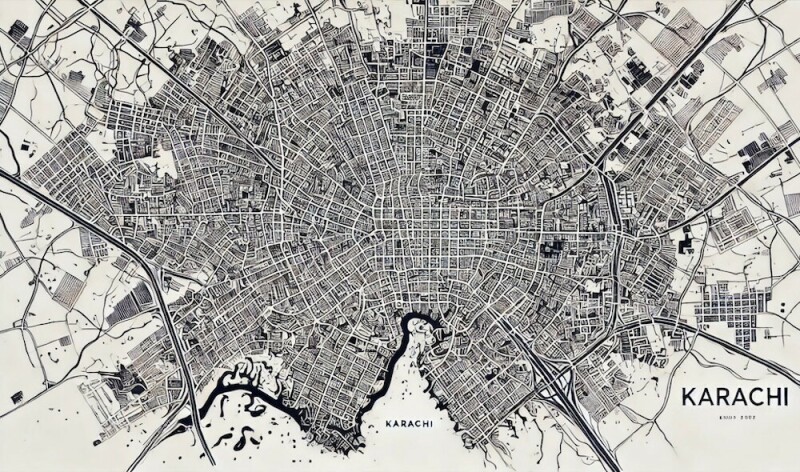
On October 11, 1955, the Federal Cabinet of Pakistan approved the formation of the Karachi Development Authority (KDA) Master Plan Unit, marking the beginning o...
Read More →
In the global history of real estate and housing, 20 January is remembered as a pivotal date, as it marks the formal signing of the United States Housing Act....
Read More →
The structure known globally today as Burj Khalifa was originally conceived and launched under the name Burj Dubai. An important and deliberate aspect of its h...
Read More →
3 January 1959 marks not merely the admission of Alaska as the forty ninth state of the United States, but a historically significant moment representing the tr...
Read More →
On October 10, 1924, the Registrar of Co-operative Societies in the Bengal Presidency recorded one of the earliest applications for a Residential Cooperative Ho...
Read More →
The acquisition of land for the Model Town Society was one of the most remarkable and spirited chapters in its early history. Dewan Khem Chand and his...

Between 1921 and 1924, the land for Model Town Lahore was acquired in successive phases. The process began in 1921, shortly after the establishment of...
No comments yet. Be the first to comment!