
Syed Shayan Real Estate Archive
Syed Shayan Real Estate Archive
From Real Estate History

On November 25, 1982, the Government of Punjab finalized its first pre master planning guidelines to manage accelerating urban growth in Lahore, Rawalpindi, Faisalabad, Multan, and Gujranwala. During the late 1970s and early 1980s, these cities witnessed rapid expansion marked by informal subdivisions, inadequate street layouts, and insufficient drainage systems. To address these challenges, the new guidelines introduced early land assessments, structured plotting rules, and basic zoning coordination that would help authorities identify development pressures before colonies expanded uncontrollably. The policy particularly focused on fringe zones, where agricultural land was quickly being converted into speculative residential pockets without formal planning oversight.
The guidelines required pre development surveys to document soil stability, natural drainage channels, and existing right-of-way pathways, allowing planners to create more sustainable layouts. They also made cadastral verification mandatory to minimize overlapping land claims, which had become a rising issue in fast-growing districts. Alongside technical steps, the government launched training initiatives for patwaris, junior planners, and municipal engineers to improve mapping accuracy and strengthen basic documentation practices.
The policy recommended a phased model for integrating private housing schemes into municipal systems through shared contributions toward link roads, water supply lines, and sewer networks. This helped reduce the long-term burden on municipal budgets. The 1982 framework later shaped Punjab’s structured planning reforms in the 1990s by standardizing NOC checks and promoting more data-driven approvals. Although preliminary, these guidelines became a foundation for modern peri-urban zoning practices and remain influential in shaping organized growth in expanding cities.
▪ Reference(s):
25 نومبر 1982 کو حکومت پنجاب نے پری ماسٹر پلاننگ گائیڈلائنز کو حتمی شکل دی جن کا مقصد لاہور، راولپنڈی، فیصل آباد، ملتان اور گوجرانوالہ میں تیزی سے بڑھتی ہوئی شہری توسیع کو مؤثر طریقے سے منظم کرنا تھا۔ 1970 کی دہائی کے آخر اور 1980 کے آغاز میں غیر منصوبہ بند رہائشی بستیاں، بے قاعدہ گلیوں کا نظام اور نکاسی آب کی کمی بڑے انتظامی مسائل بن چکے تھے۔ ان مسائل کو دیکھتے ہوئے نئی گائیڈلائنز میں ابتدائی زمینی سروے، منظم پلاٹنگ اصول اور بنیادی زوننگ کوآرڈینیشن شامل کی گئی تاکہ کالونیاں بے قابو انداز میں نہ پھیلیں۔ پالیسی خصوصاً مضافاتی علاقوں پر مرکوز تھی جہاں زرعی زمین تیزی سے رہائشی مقاصد کے لیے تبدیل ہو رہی تھی اور مناسب جانچ کے بغیر تعمیرات بڑھ رہی تھیں۔
گائیڈلائنز کے مطابق پری ڈویلپمنٹ سروے میں مٹی کا جائزہ، قدرتی نالوں کی نشاندہی اور موجودہ راستوں کا ریکارڈ شامل کرنا لازمی قرار دیا گیا تاکہ مستقبل کے لیے پائیدار سڑک اور نکاسی آب کا نظام بنایا جا سکے۔ اس کے ساتھ کیڈسٹرل ریکارڈ کی درست تصدیق کو بھی لازمی بنایا گیا تاکہ پلاٹوں کی حدود کے تنازعات کم ہوں۔ حکومت نے اس سلسلے میں پٹواریوں اور پلانرز کی تربیت کے پروگرام بھی شروع کیے تاکہ نقشہ سازی اور ریکارڈ مرتب کرنے کے طریقہ کار میں بہتری آئے۔
پالیسی میں نجی ہاؤسنگ سکیموں کو میونسپل نظام میں مرحلہ وار شامل کرنے کے لیے مشترکہ مالی معاونت کا ماڈل پیش کیا گیا، جس سے مستقبل میں سڑکوں اور نکاسی آب پر بجٹ کا دباؤ کم ہوا۔ 1982 کا یہ فریم ورک بعد میں 1990 کی دہائی کی منصوبہ بندی اصلاحات کی بنیاد بنا اور آج بھی تیزی سے بڑھتے ہوئے شہروں میں منظم شہری ترقی کی رہنمائی کرتا ہے۔
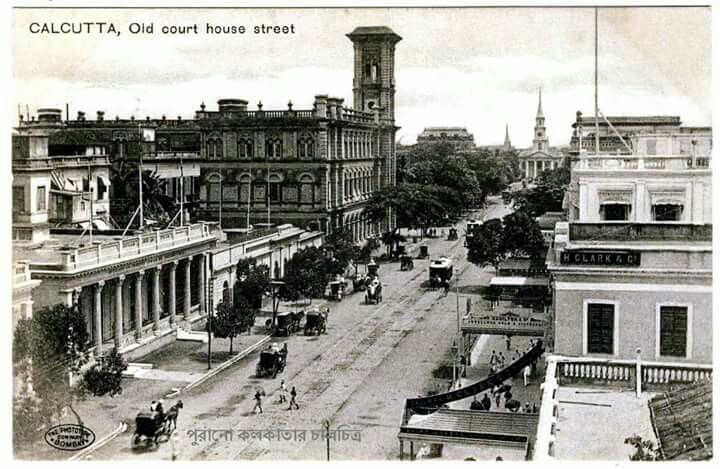
On October 10, 1924, the Registrar of Co-operative Societies in the Bengal Presidency recorded one of the earliest applications for a Residential Cooperative Ho...
Read More →
In Britain, the understanding of land and property ownership underwent a decisive and lasting transformation with the legal enforcement of the Land Registration...
Read More →
On November 3, 2010, Pakistan’s Parliament enacted the 18th Constitutional Amendment, marking a historic shift toward provincial autonomy. The amendment devolve...
Read More →
On 27 January 1888, the National Geographic Society was established in Washington DC. The purpose of this institution was to advance understanding of the world...
Read More →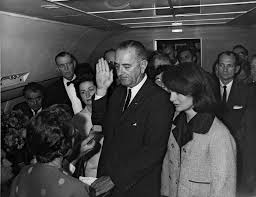
On November 24, 1963, newly sworn-in U.S. President Lyndon B. Johnson addressed the United Nations for the first time following the assassination of President J...
Read More →
The acquisition of land for the Model Town Society was one of the most remarkable and spirited chapters in its early history. Dewan Khem Chand and his...
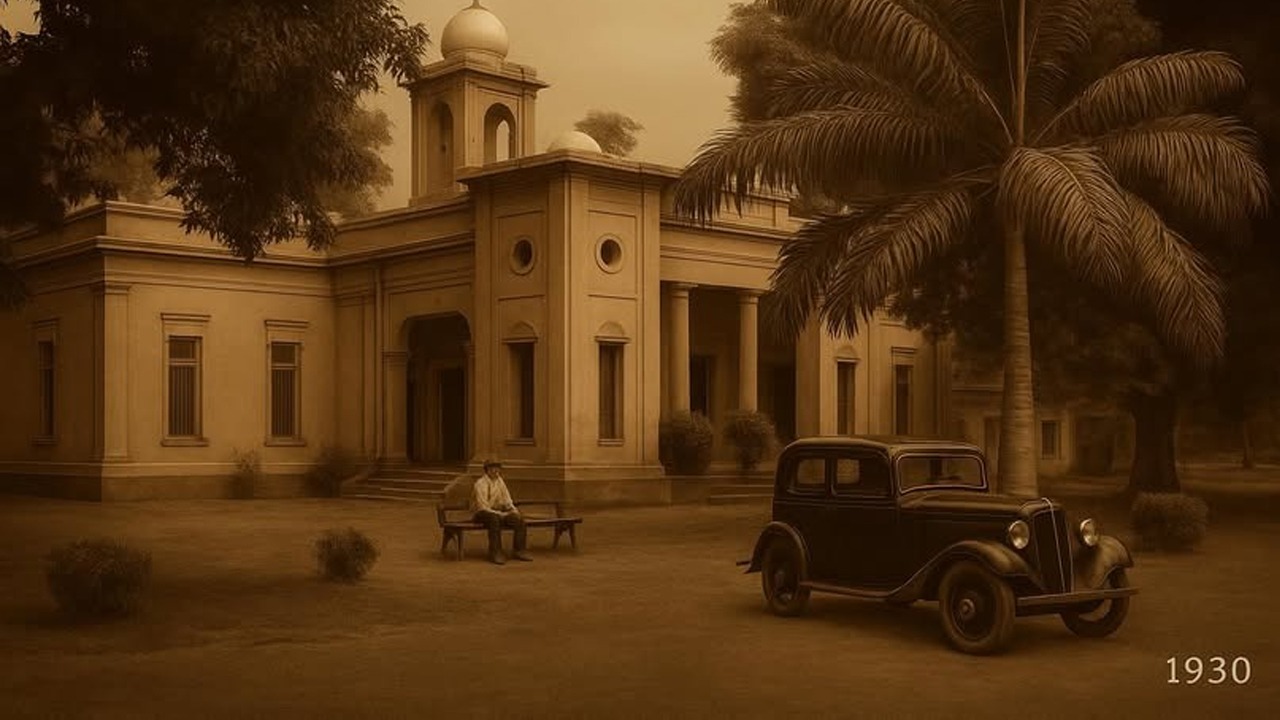
Between 1921 and 1924, the land for Model Town Lahore was acquired in successive phases. The process began in 1921, shortly after the establishment of...
No comments yet. Be the first to comment!