
Syed Shayan Real Estate Archive
Syed Shayan Real Estate Archive
From Real Estate History
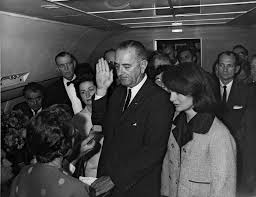
On November 24, 1963, newly sworn-in U.S. President Lyndon B. Johnson addressed the United Nations for the first time following the assassination of President John F. Kennedy. The global community watched closely as Johnson outlined America’s commitments to international cooperation, nuclear arms control, and ongoing development programs under the United Nations' framework. His speech aimed to reassure allies during a period of deep uncertainty while warning against Cold War escalations. Delegates praised the calm and steady tone, viewing it as an attempt to preserve diplomatic continuity during one of the tensest moments in U.S. political history. The address became a defining moment in restoring global confidence after the shock of Kennedy’s death.
▪ Reference(s):
24 نومبر 1963 کو نئے امریکی صدر لنڈن بی جانسن نے صدر کینیڈی کے قتل کے بعد پہلی بار اقوام متحدہ سے خطاب کیا۔ دنیا بھر کی توجہ اس خطاب پر مرکوز تھی جس میں جانسن نے عالمی تعاون، جوہری ہتھیاروں کے کنٹرول اور اقوام متحدہ کے ترقیاتی پروگراموں کے لیے امریکی عزم کو دوبارہ سے واضح کیا۔ ان کا خطاب غیر یقینی ماحول میں اتحادیوں کو یقین دہانی کرانے اور سرد جنگ میں کشیدگی کے بڑھنے سے خبردار کرنے کے لیے تھا۔ مندوبین نے خطاب کے پُرسکون لہجے کو سراہا اور اسے امریکی سیاسی تاریخ کے نازک ترین مرحلے میں سفارتی تسلسل برقرار رکھنے کی کوشش کے طور پر دیکھا۔ یہ خطاب صدر کینیڈی کے قتل کے بعد عالمی سطح پر اعتماد کی بحالی کا اہم موقع ثابت ہوا۔
On November 24, 1990, the Government of Pakistan launched a nationwide overhaul of the aging railway system to address decades of underinvestment, slow transport speeds, and rising maintenance failures. The Ministry of Railways introduced new repair programs, upgraded signaling technology, and initiated phased restoration of passenger and freight routes. Officials emphasized improving reliability and reducing travel delays, especially for long-distance rural connections. The program was seen as a step toward restoring Pakistan Railways as a backbone of national logistics and trade. Although challenges such as financial constraints and outdated rolling stock remained, the initiative generated optimism among commuters and cargo operators across the country.
▪ Reference(s):
24 نومبر 1990 کو حکومتِ پاکستان نے پرانے اور زوال پذیر ریلوے نظام کی بڑی مرمت اور بہتری کا ملک گیر منصوبہ شروع کیا۔ ریلوے کی وزارت نے نئے مرمتی پروگرام، جدید سگنلنگ ٹیکنالوجی کی تنصیب اور مسافروں و مال برداری کی متعدد لائنوں کی مرحلہ وار بحالی کا اعلان کیا۔ حکام نے خصوصاً دیہی اور طویل فاصلے کے سفر کے لیے قابلِ اعتماد سروس اور سفر میں تاخیر کے خاتمے پر زور دیا۔ مالی رکاوٹوں اور پرانے ڈبوں کی موجودگی کے باوجود اس اقدام نے ملک بھر میں مسافروں اور تجارتی اداروں میں امید پیدا کی کہ ریلوے دوبارہ قومی نقل و حمل کا مرکزی ستون بن سکے گی۔
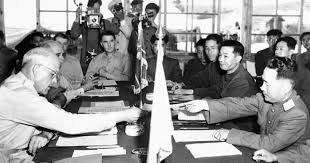
On July 27, 1953, the Korean Armistice Agreement was signed to halt three years of devastating warfare between North and South Korea. The historic agreement was...
Read More →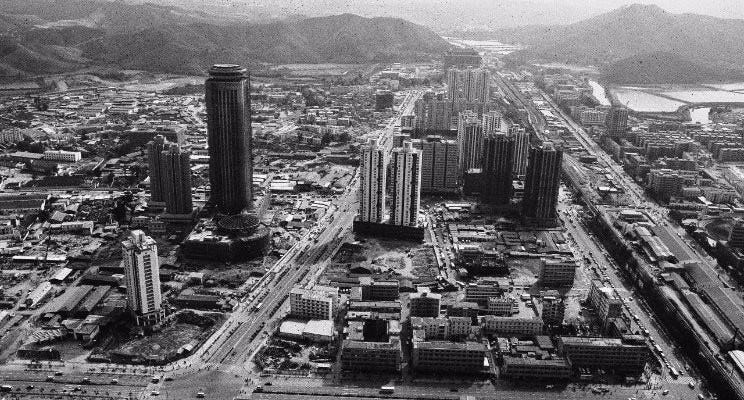
On November 17, 1982, the Chinese government initiated the Shenzhen Special Housing Corridor, one of the earliest urban housing reforms designed to manage the m...
Read More →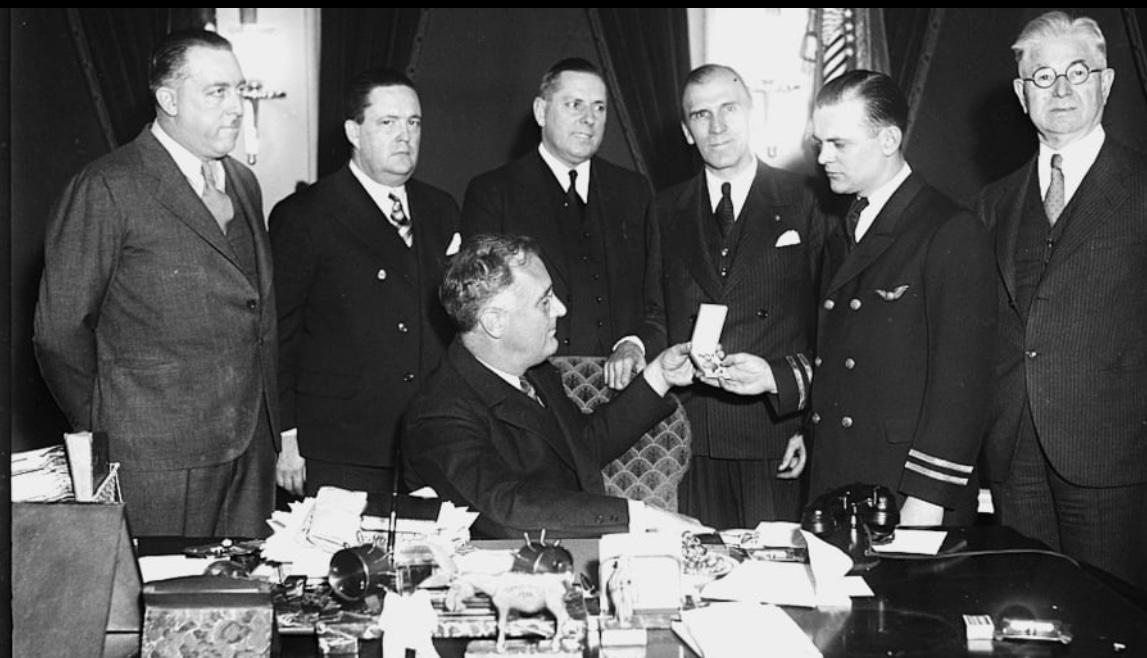
In the global history of real estate and housing, 20 January is remembered as a pivotal date, as it marks the formal signing of the United States Housing Act....
Read More →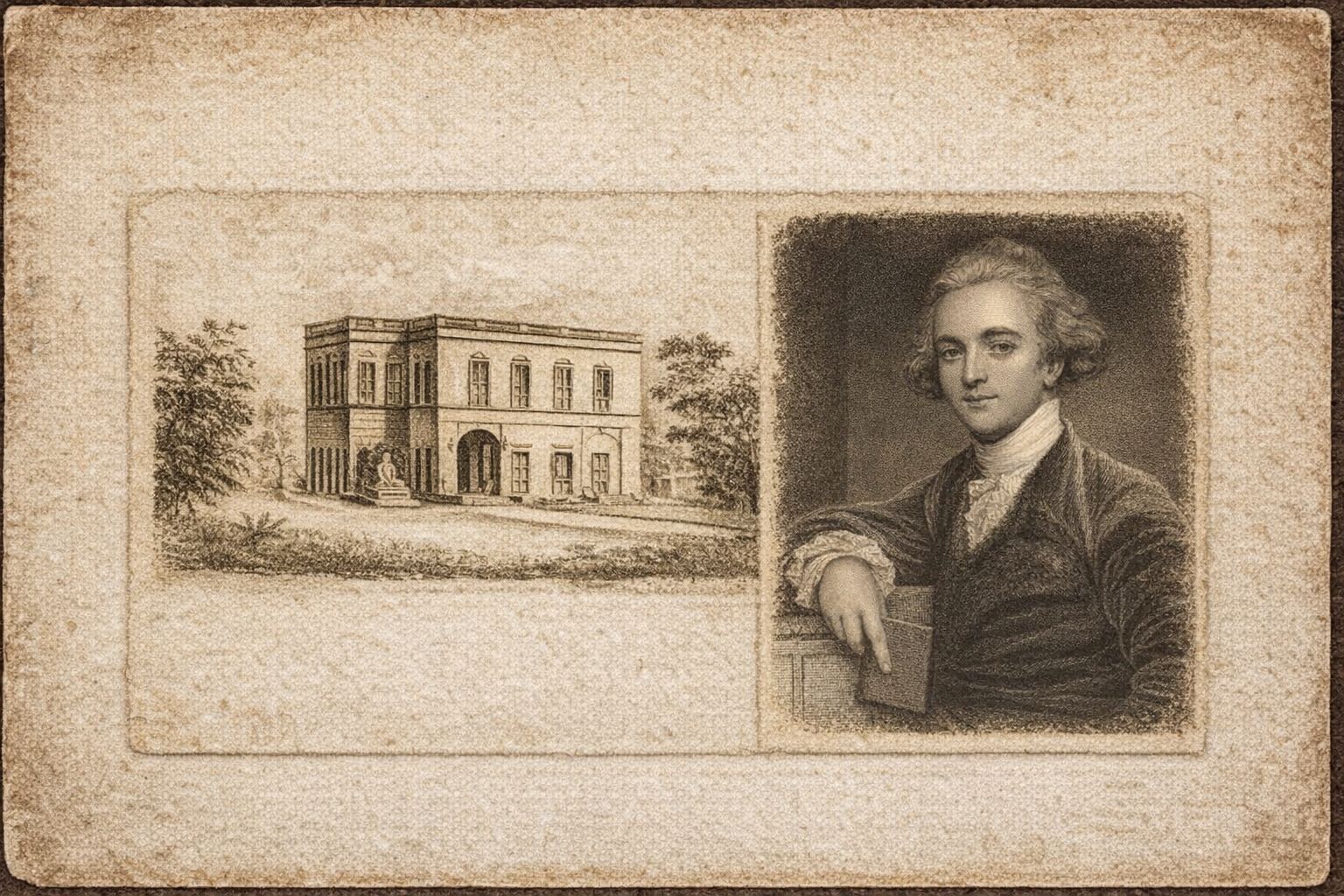
Exactly 242 years ago, on 15 January 1784, the Asiatic Society of Bengal was founded in Calcutta by Sir William Jones. On the same day, the Society convened its...
Read More →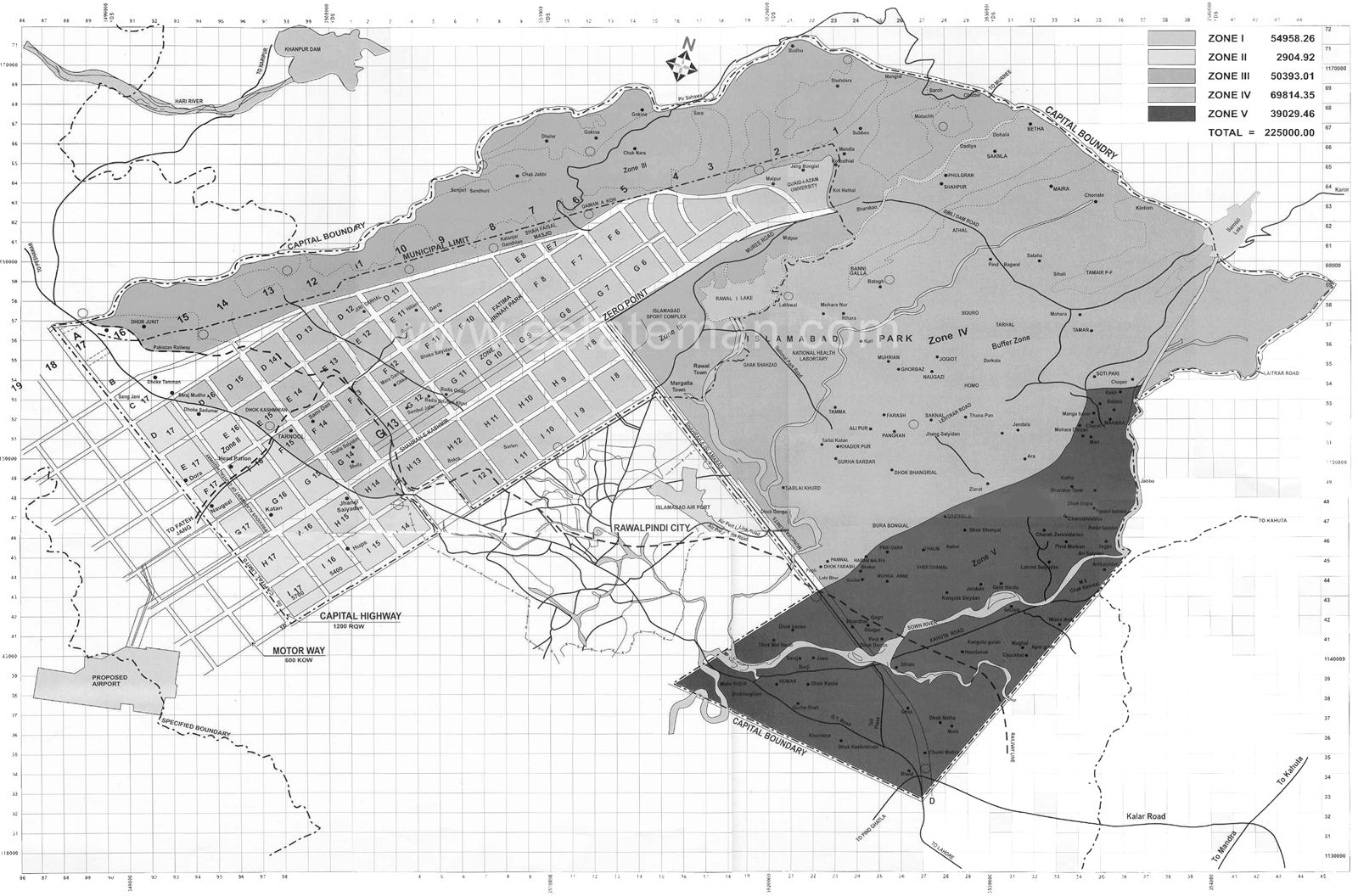
On this date, the Capital Development Authority formally approved the first sector boundary map for Pakistan’s newly designated federal capital, Islamabad. The ...
Read More →
The acquisition of land for the Model Town Society was one of the most remarkable and spirited chapters in its early history. Dewan Khem Chand and his...
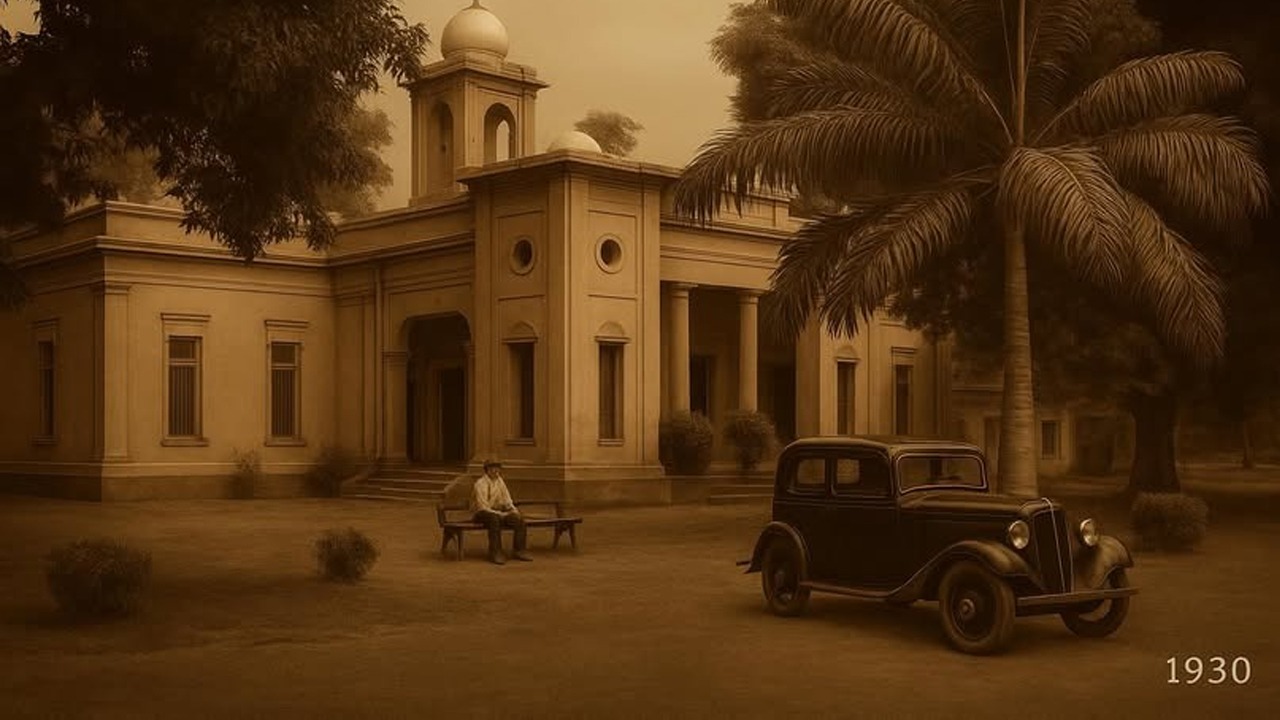
Between 1921 and 1924, the land for Model Town Lahore was acquired in successive phases. The process began in 1921, shortly after the establishment of...
No comments yet. Be the first to comment!