
Syed Shayan Real Estate Archive
Syed Shayan Real Estate Archive
From Real Estate History

On November 10, 1992, the Capital Development Authority of Pakistan announced a major plan to expand Islamabad toward the southern side of the city. The plan included the creation of two new residential sectors named D12 and E12. The purpose of this expansion was to manage the city’s increasing population and to provide affordable housing options for middle income families. The sectors were designed with careful urban planning standards that focused on road networks, electricity, water systems, schools, mosques, and green parks. D12 is located near the Margalla Hills and became known for its scenic environment and modern infrastructure. Although the E12 sector faced delays due to land disputes and development challenges, D12 progressed steadily and became an example of well planned hillside housing in Pakistan. The project reflected a shift in Islamabad’s approach to city development by combining residential planning with environmental care. It showed how organized urban expansion can prevent overcrowding in central areas while creating new opportunities for planned living. The CDA’s initiative also influenced future housing policies in the capital, setting a model for balanced and sustainable urban growth that continues to guide city planners today.
▪ Reference(s):
10 نومبر 1992 کو کیپیٹل ڈویلپمنٹ اتھارٹی نے اسلام آباد کے جنوبی علاقے کی طرف توسیع کا ایک اہم منصوبہ پیش کیا۔ اس منصوبے میں دو نئے رہائشی سیکٹرز ڈی 12 اور ای 12 شامل تھے۔ اس توسیع کا مقصد بڑھتی ہوئی آبادی کے لیے مناسب رہائش فراہم کرنا اور درمیانے طبقے کے لوگوں کو سستے پلاٹس دینا تھا۔ ان سیکٹرز کو جدید شہری منصوبہ بندی کے اصولوں کے مطابق تیار کیا گیا جن میں سڑکوں کا منظم نظام، بجلی اور پانی کی فراہمی، اسکول، مساجد اور پارک شامل تھے۔ ڈی 12 مارگلہ کی پہاڑیوں کے قریب واقع ہے اور خوبصورت ماحول کے ساتھ جدید انفراسٹرکچر کی وجہ سے مشہور ہوا۔ ای 12 میں زمین کے تنازعات کی وجہ سے تاخیر ہوئی لیکن ڈی 12 تیزی سے ترقی کرتا گیا اور پاکستان میں پہاڑی رہائشی منصوبوں کی ایک مثال بن گیا۔ یہ منصوبہ اسلام آباد کی شہری ترقی کے نئے دور کی نمائندگی کرتا ہے جہاں ماحولیاتی توازن کے ساتھ رہائشی منصوبہ بندی پر زور دیا گیا۔ اس اقدام نے مرکزی علاقوں پر دباؤ کم کیا اور منظم شہری توسیع کی بنیاد رکھی۔ سی ڈی اے کا یہ منصوبہ آج بھی دارالحکومت کی ترقیاتی پالیسیوں کے لیے رہنمائی فراہم کرتا ہے۔
On November 10, 1995, the government of Japan began a national program to rebuild homes and cities after the Kobe earthquake that caused severe damage earlier that year. The plan aimed to make housing stronger and safer against future earthquakes. Japan introduced new building rules that required stronger concrete and steel structures. It also provided financial support for families whose homes were destroyed. Within three years, more than one hundred thousand new houses were built using modern construction technologies designed to reduce earthquake damage. The initiative not only helped the affected people rebuild their lives but also changed the country’s approach to housing and city planning. It emphasized safety, community rebuilding, and long term sustainability. Urban planners from different countries studied Japan’s rebuilding process and adopted similar standards in regions such as Turkey and Iran. The Kobe housing project became an international example of how a country can recover from natural disasters with planning and technology. Today, Japan continues to follow those principles, ensuring that every new construction meets strict safety standards. This initiative reshaped the country’s real estate market and made Japan one of the global leaders in disaster resistant housing development.
▪ Reference(s):
10 نومبر 1995 کو جاپان کی حکومت نے اس سال کے شروع میں آنے والے تباہ کن کوبے زلزلے کے بعد ایک قومی منصوبہ شروع کیا جس کا مقصد گھروں اور شہروں کو دوبارہ محفوظ طریقے سے تعمیر کرنا تھا۔ اس منصوبے کے تحت تعمیراتی قوانین کو سخت کیا گیا اور کنکریٹ اور اسٹیل کے مضبوط ڈھانچوں کو لازمی قرار دیا گیا۔ حکومت نے ان خاندانوں کی مدد کے لیے مالی معاونت فراہم کی جن کے گھر تباہ ہو گئے تھے۔ تین سال کے اندر ایک لاکھ سے زیادہ نئے مکانات جدید تعمیراتی ٹیکنالوجی کے تحت مکمل کیے گئے جو زلزلے کے اثرات کو کم کرنے کے قابل تھے۔ اس منصوبے نے متاثرہ آبادی کی بحالی میں مدد دی اور جاپان کی شہری منصوبہ بندی کے طریقہ کار کو تبدیل کر دیا۔ اس میں حفاظت، پائیداری اور سماجی بحالی پر زور دیا گیا۔ ترکی اور ایران جیسے ممالک نے بھی جاپان کے اس ماڈل سے سیکھا اور اپنے تعمیراتی معیار کو بہتر بنایا۔ کوبے منصوبہ دنیا بھر میں ایک مثال کے طور پر تسلیم کیا گیا کہ قدرتی آفات کے بعد بھی ایک ملک منظم منصوبہ بندی سے مضبوطی سے دوبارہ کھڑا ہو سکتا ہے۔ آج جاپان اسی پالیسی کے تحت تعمیرات کرتا ہے جہاں ہر نیا منصوبہ سخت حفاظتی اصولوں کے مطابق بنایا جاتا ہے۔
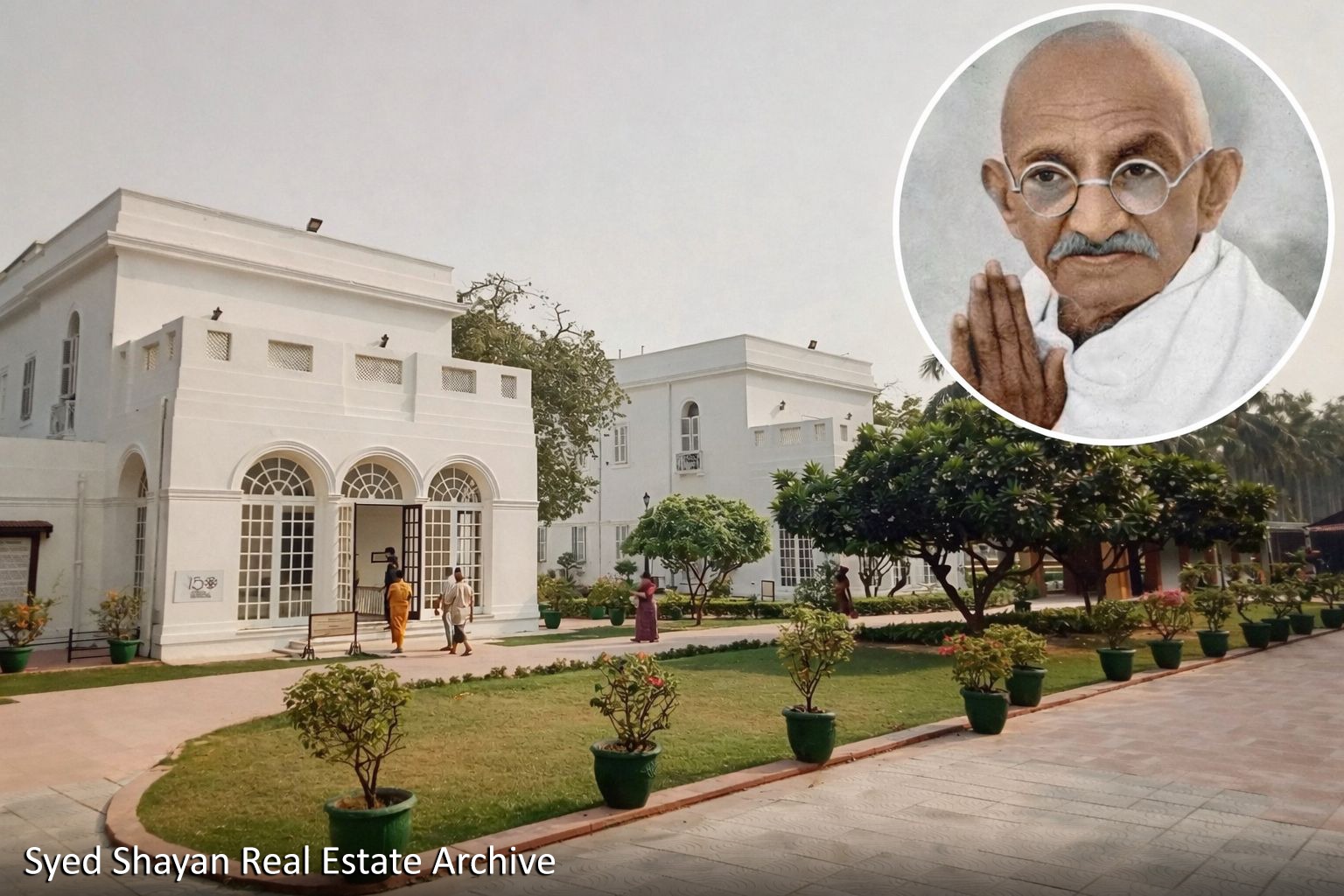
Birla Bhavan is situated within Lutyens’ Delhi, an area regarded as India’s most exclusive, secure, and expensive residential zone. This district is home to for...
Read More →On November 16, 1911 the British East Africa Protectorate (modern day Kenya) issued one of its earliest Township Housing Regulations to address disorderly infor...
Read More →On November 12, 1892, the British Municipal Authority of Karachi approved the Frere Town Housing Project, one of the earliest organized residential developments...
Read More →
The structure of the world map and globe as they are recognised today is fundamentally rooted in the decisions taken following the Paris Peace Conference, which...
Read More →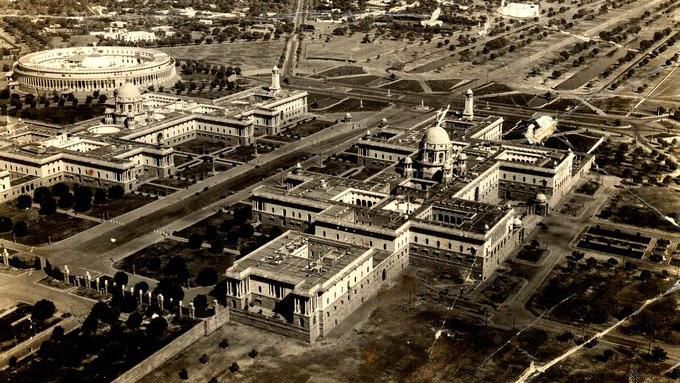
On 21 December 1911, during the period of the British Raj, a formal notice for the acquisition of land for New Delhi was published in the Punjab Gazette. This n...
Read More →
The acquisition of land for the Model Town Society was one of the most remarkable and spirited chapters in its early history. Dewan Khem Chand and his...
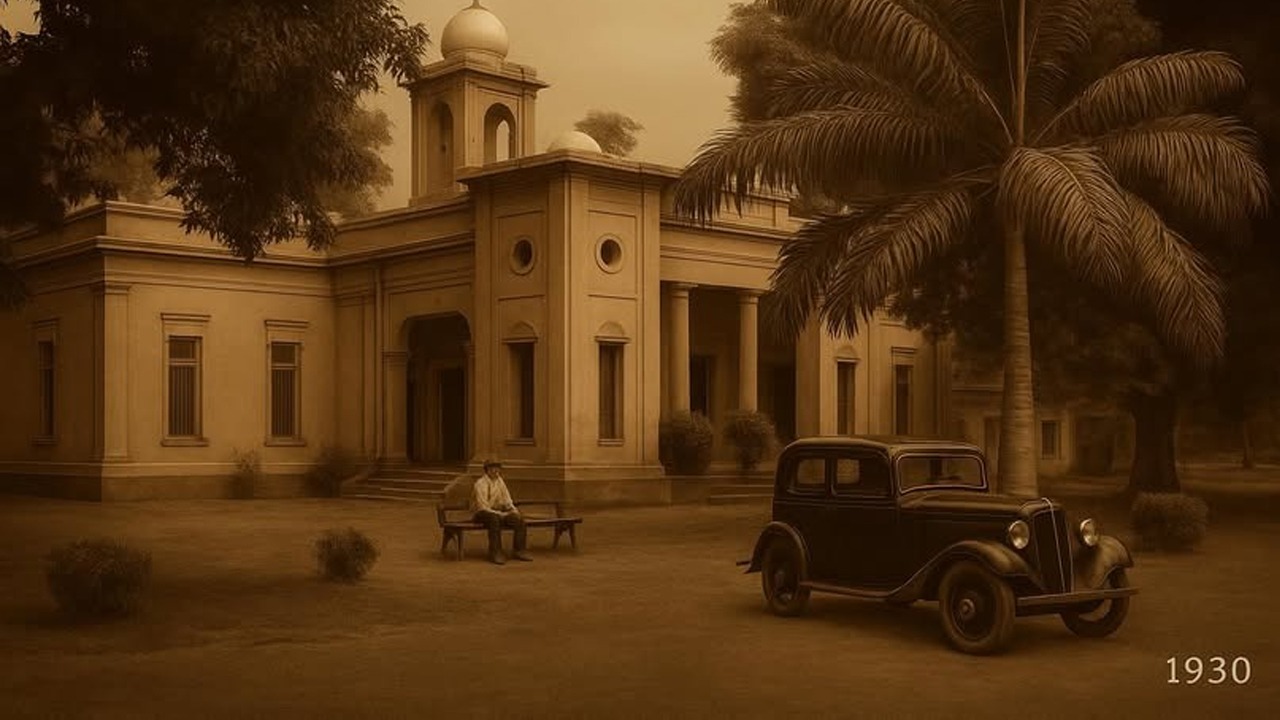
Between 1921 and 1924, the land for Model Town Lahore was acquired in successive phases. The process began in 1921, shortly after the establishment of...
No comments yet. Be the first to comment!