
Syed Shayan Real Estate Archive
Syed Shayan Real Estate Archive
From Real Estate History
On This Date
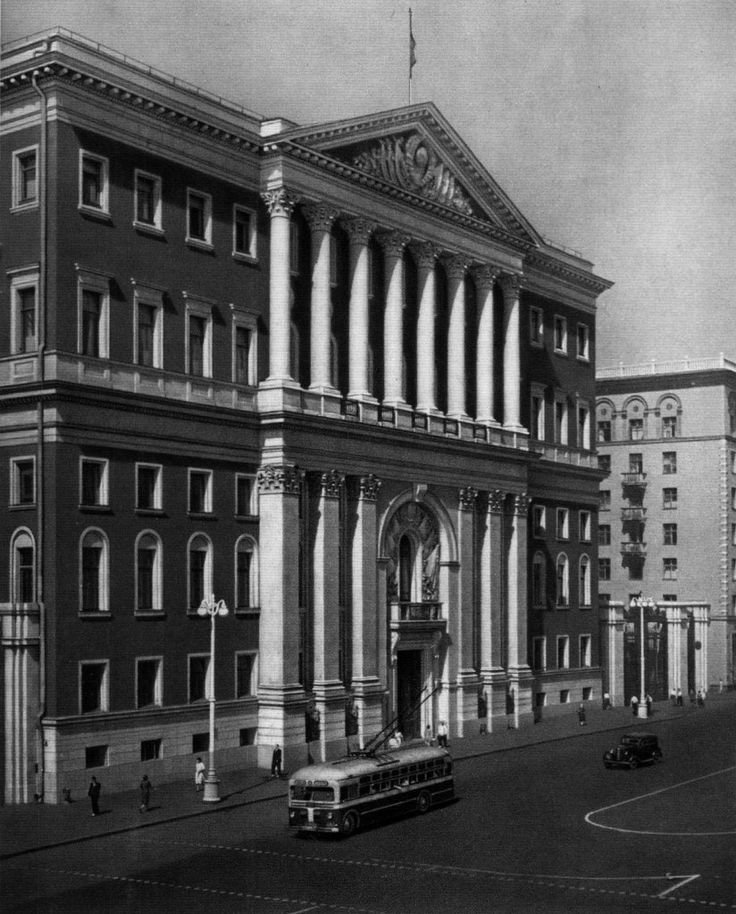
On 16 September 1939, Moscow witnessed one of the most extraordinary urban engineering operations of the twentieth century when Soviet engineers moved an entire historic government building, weighing around 20,000 tonnes, instead of demolishing it to make way for the widening of a major city avenue. The building was the headquarters of the Moscow Soviet, the city government of the time, and today forms part of Moscow City Hall at 13 Tverskaya Street. Dating back to the late eighteenth century, the structure had originally served as the residence of Moscow's governors general and had become an important part of the city's architectural and administrative heritage.
The challenge emerged during the large scale reconstruction of Moscow in the 1930s. Tverskaya Street, then known as Gorky Street, was being widened as part of an ambitious programme to modernise the Soviet capital. Under the new street plan, the historic government building stood approximately 13.65 metres beyond the required building line. Demolishing it would have been the simplest solution, but authorities chose instead to preserve the building and move the entire structure deeper into its plot.
The engineering challenge was enormous. The building was more than 150 years old, weighed approximately 20,000 tonnes and contained valuable government offices and archives. Before the move, engineers reinforced the structure, separated it from its existing foundations and prepared a new foundation behind its original position. A sophisticated system of steel supports, rails, electric jacks, winches and other moving equipment was installed beneath the building to carry its enormous weight.
At 9:16 in the morning on 16 September 1939, the machinery was activated and the historic building began to move. A contemporary report published by the Soviet newspaper Trud the following day recorded that 25 electric jacks initially helped set the structure in motion, after which two electric winches supplied the main pulling force. The building travelled along 18 sets of four rail tracks and completed its 13.65 metre journey in only 41 minutes. Its movement reportedly varied between approximately 16 and 22 metres per hour, an extraordinary achievement considering the size, age and weight of the structure.
Perhaps the most remarkable aspect of the operation was that normal government work reportedly continued inside the building while it was being moved. Officials remained at their desks as the entire structure changed location beneath them. Contemporary accounts stated that work in the Moscow Soviet and the regional administration was not interrupted during the relocation. Months of careful preparation had therefore culminated in an operation that took less than three quarters of an hour to complete.
The building survived the move and remained an important part of Moscow's administrative landscape. In later years it underwent further reconstruction and was raised by two additional storeys, helping create the appearance associated with Moscow City Hall today. The 1939 relocation remains one of the most unusual examples of combining urban redevelopment with architectural preservation.
More than eight decades later, the event still carries an important lesson for modern real estate and city planning. Expanding cities frequently face conflicts between new infrastructure and historic buildings, with demolition often seen as the easiest option. Moscow's experiment demonstrated that urban development and heritage preservation do not always have to be competing choices. Instead of erasing a historic property to make room for a wider road, engineers moved a 20,000 tonne building 13.65 metres and preserved it for future generations.
▪️Syed Shayan Real Estate Archive
▪ Reference(s):
On This Date
16 ستمبر 1939 کو ماسکو میں شہری ترقی اور تعمیراتی انجینئرنگ کی تاریخ کا ایک ایسا غیر معمولی واقعہ پیش آیا جب ایک بڑی شاہراہ کو کشادہ کرنے کی راہ میں آنے والی تاریخی سرکاری عمارت کو منہدم کرنے کے بجائے تقریباً 20 ہزار ٹن وزنی پوری عمارت کو 13.65 میٹر پیچھے منتقل کردیا گیا۔ یہ عمارت اس وقت ماسکو کی شہری کونسل کا صدر دفتر تھی اور آج اسی تاریخی عمارت میں ماسکو کی شہری حکومت کے مرکزی دفاتر قائم ہیں۔ اٹھارہویں صدی کے اواخر میں تعمیر ہونے والی یہ عمارت ابتدا میں ماسکو کے گورنر جنرل کی رہائش گاہ کے طور پر استعمال ہوتی رہی اور وقت کے ساتھ شہر کے اہم انتظامی اور تعمیراتی ورثے کا حصہ بن گئی۔
1930 کی دہائی میں ماسکو کی بڑے پیمانے پر تعمیر نو شروع ہوئی تو شہر کی مرکزی شاہراہ تورسکایا، جسے اس وقت گورکی سٹریٹ کہا جاتا تھا، کو کشادہ کرنے کا فیصلہ کیا گیا۔ نئی شہری منصوبہ بندی کے تحت سڑک کے کنارے عمارتوں کے لیے نئی حد مقرر کی گئی لیکن تاریخی سرکاری عمارت اس حد سے تقریباً 13.65 میٹر آگے موجود تھی۔ اسے گرانا بظاہر سب سے آسان حل تھا، مگر حکام نے تاریخی عمارت کو محفوظ رکھنے کا فیصلہ کرتے ہوئے انجینئروں کو پوری عمارت پیچھے منتقل کرنے کا غیر معمولی کام سونپ دیا۔
یہ ایک انتہائی مشکل تعمیراتی منصوبہ تھا۔ عمارت ڈیڑھ صدی سے زیادہ پرانی تھی، اس کا وزن تقریباً 20 ہزار ٹن تھا اور اس میں اہم سرکاری دفاتر اور قیمتی دستاویزات کا ذخیرہ بھی موجود تھا۔ منتقلی سے پہلے عمارت کو مضبوط دھاتی سہاروں کے ذریعے محفوظ کیا گیا، اسے پرانی بنیاد سے الگ کیا گیا اور اس کے نئے مقام پر پہلے سے نئی بنیاد تیار کی گئی۔ عمارت کے نیچے دھاتی پٹریاں، برقی جیک، کھینچنے والی مشینیں اور دوسرے خصوصی آلات نصب کیے گئے تاکہ اتنے بڑے وزن کو نقصان پہنچائے بغیر حرکت دی جا سکے۔
16 ستمبر 1939 کی صبح 9 بج کر 16 منٹ پر مشینیں چلائی گئیں اور پوری عمارت آہستہ آہستہ حرکت کرنے لگی۔ اگلے روز شائع ہونے والے سوویت اخبار ترود کی رپورٹ کے مطابق ابتدا میں 25 برقی جیکوں نے عمارت کو حرکت دینے میں مدد دی جبکہ بعد میں دو برقی کھینچنے والی مشینوں نے مرکزی قوت فراہم کی۔ عمارت کو پٹریوں کے 18 مجموعوں پر آگے بڑھایا گیا اور صرف 41 منٹ میں اسے اپنی اصل جگہ سے 13.65 میٹر پیچھے منتقل کردیا گیا۔ اس دوران عمارت کی رفتار تقریباً 16 سے 22 میٹر فی گھنٹہ رہی جو اس کے غیر معمولی وزن، جسامت اور عمر کے لحاظ سے ایک حیران کن تعمیراتی کامیابی تھی۔
اس واقعے کا شاید سب سے دلچسپ پہلو یہ تھا کہ عمارت کے اندر معمول کا سرکاری کام بھی جاری رہا۔ تاریخی دستاویزات کے مطابق اہلکار اپنے دفاتر میں کام کرتے رہے جبکہ ان کے نیچے موجود پوری عمارت اپنی جگہ تبدیل کر رہی تھی۔ ماسکو کی شہری کونسل اور علاقائی انتظامیہ کا کام منتقلی کے دوران بند نہیں کیا گیا۔ کئی ماہ کی منصوبہ بندی اور تیاری کے بعد اصل کارروائی ایک گھنٹے سے بھی کم وقت میں مکمل ہوگئی۔
یہ عمارت منتقلی کے بعد بھی ماسکو کے انتظامی منظرنامے کا اہم حصہ رہی۔ بعد کے برسوں میں اس کی مزید تعمیر نو کی گئی اور اس پر دو اضافی منزلیں تعمیر کی گئیں، جس کے بعد اسے وہ شکل ملی جو آج ماسکو کی شہری حکومت کی معروف عمارت کے طور پر دکھائی دیتی ہے۔
تقریباً نو دہائیاں گزرنے کے باوجود 16 ستمبر 1939 کا یہ واقعہ جدید شہری منصوبہ بندی اور جائیداد کے شعبے کے لیے ایک اہم سبق رکھتا ہے۔ دنیا کے بڑے شہروں میں سڑکوں کی توسیع، نئی تعمیرات اور بنیادی ڈھانچے کے منصوبے اکثر تاریخی عمارتوں سے ٹکراتے ہیں اور ایسی صورت میں انہدام کو سب سے آسان راستہ سمجھا جاتا ہے۔ ماسکو نے اس کے برعکس یہ ثابت کیا کہ شہری ترقی اور تاریخی ورثے کا تحفظ لازماً ایک دوسرے کی ضد نہیں۔ شہر نے شاہراہ بھی کشادہ کی اور 20 ہزار ٹن وزنی تاریخی عمارت کو صرف 13.65 میٹر پیچھے لے جا کر آنے والی نسلوں کے لیے محفوظ بھی کرلیا۔
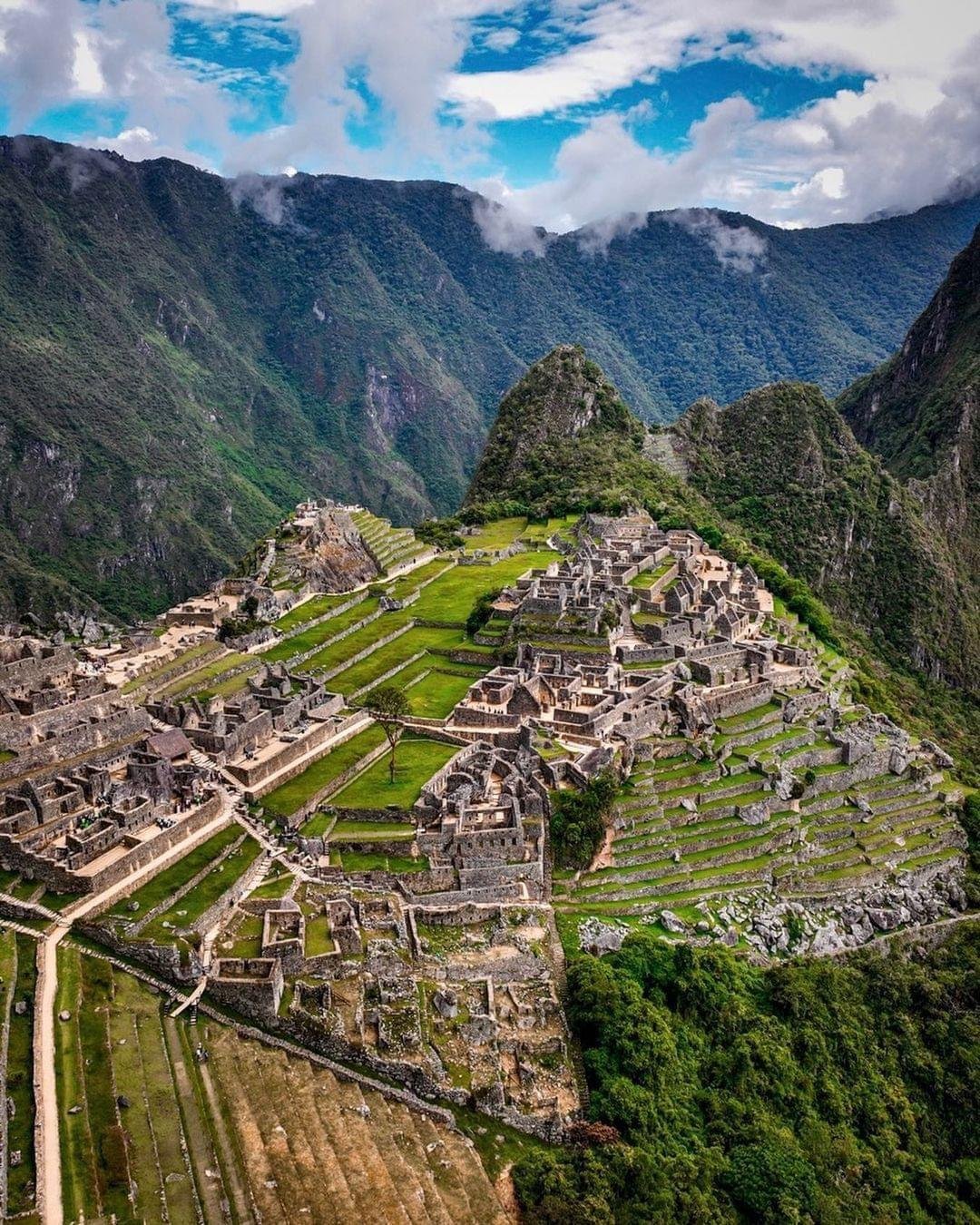
Machu Picchu, the ancient Inca settlement located in Peru’s Andes Mountains, gained international attention when explorer Hiram Bingham reached the site with th...
Read More →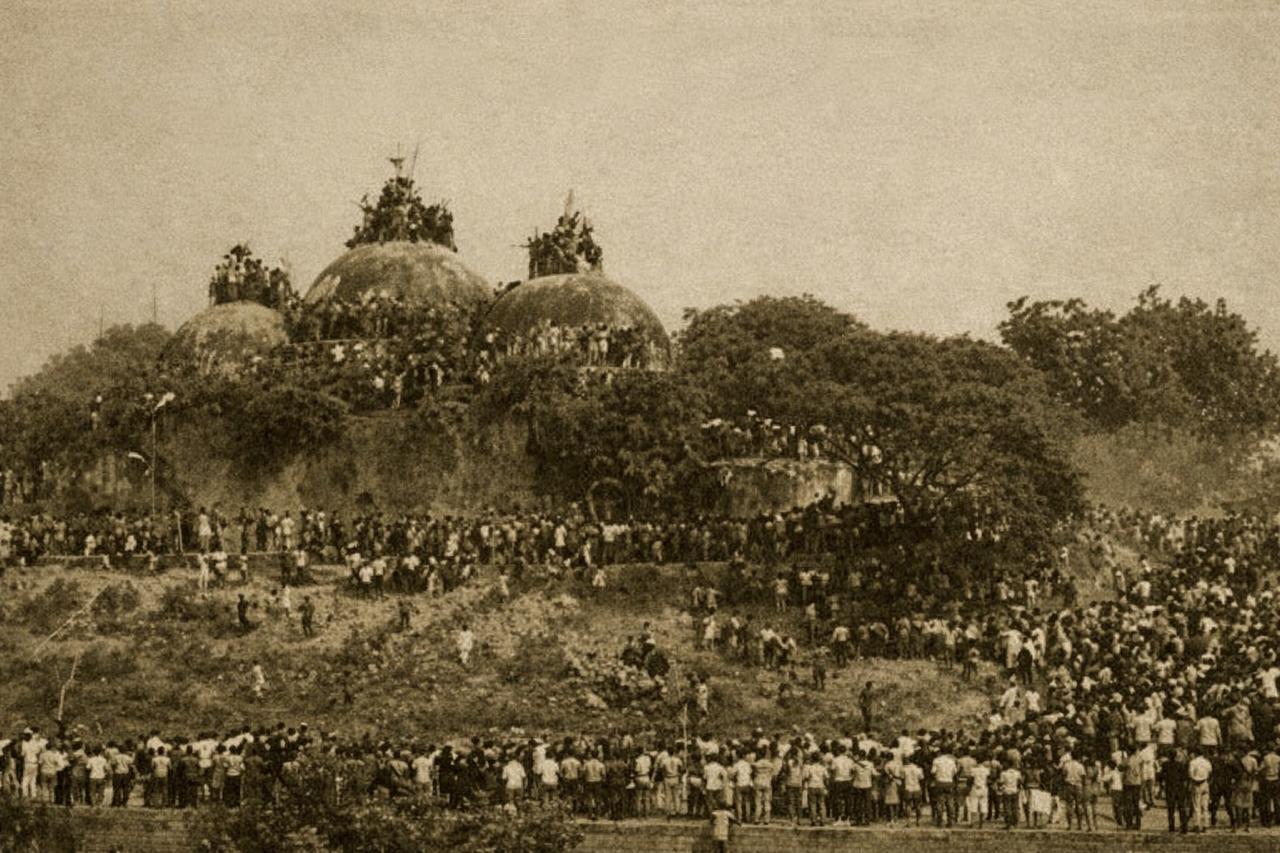
On 6 December 1992, the historic Babri Masjid in the Indian city of Ayodhya was demolished by a large crowd. This event constituted a profound religious trauma ...
Read More →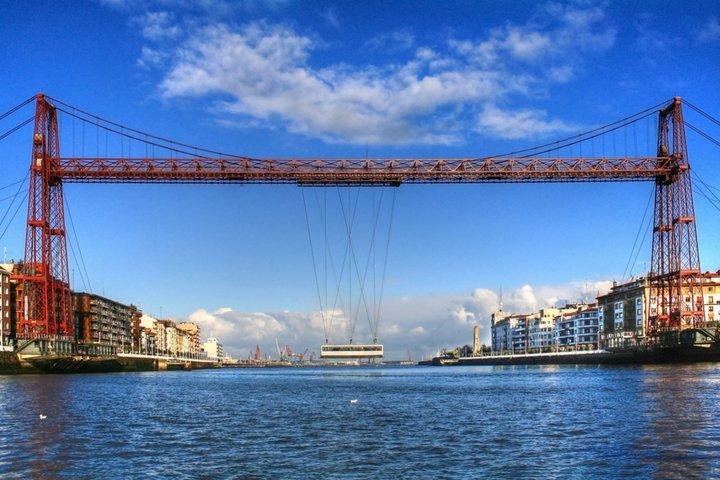
The Vizcaya Bridge opened to the public in northern Spain. Recognised as the world’s first transporter bridge, it introduced a new approach to bridge constructi...
Read More →
On 11 December 2018, the Supreme Court of Pakistan, under the leadership of then Chief Justice Mian Saqib Nisar, imposed a strict and highly unusual restriction...
Read More →
The Treaty of Versailles was signed at the Palace of Versailles in France, officially bringing World War I to an end. While the treaty is primarily remembered f...
Read More →
The acquisition of land for the Model Town Society was one of the most remarkable and spirited chapters in its early history. Dewan Khem Chand and his...

Between 1921 and 1924, the land for Model Town Lahore was acquired in successive phases. The process began in 1921, shortly after the establishment of...
No comments yet. Be the first to comment!