
Syed Shayan Real Estate Archive
Syed Shayan Real Estate Archive
From Real Estate History
On This Date
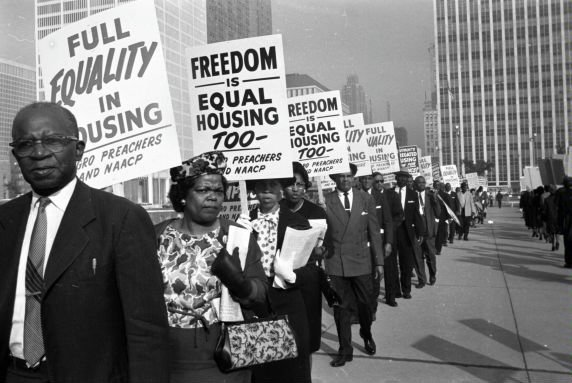
On August 28, 1963, one of the most significant public demonstrations in American history took place as an estimated 200,000 to 250,000 people gathered for the March on Washington for Jobs and Freedom. Alongside demands for employment, equal wages, voting rights and an end to racial discrimination, the movement also called for decent and integrated housing.
The event holds a significant place in real estate history because it helped frame housing as more than a question of buildings, property ownership or market value. It brought the issue into the wider struggle for civil rights and economic equality. At the time, racial discrimination in many American cities restricted where families could live, while unequal access to homeownership, rental housing and financial opportunities reinforced social and economic divisions.
Among the demands associated with the March was comprehensive civil rights legislation that would guarantee access to public accommodation, decent housing, education and voting rights. The demonstration placed greater political pressure on the country to confront inequalities that had shaped urban communities and housing opportunities for generations.
The day is best remembered for Martin Luther King Jr.’s historic “I Have a Dream” speech at the Lincoln Memorial. Yet the significance of the March extended far beyond a single speech. It represented a broader demand for a society in which a person’s opportunities, including the ability to choose where to live, would not be determined by race or social identity.
In the years that followed, the civil rights movement and subsequent legislation continued to challenge discrimination in housing and expand the principle of equal access. The struggle helped establish housing as an essential part of the broader debate over equality, citizenship and economic opportunity.
August 28, 1963 remains an important reminder that real estate is not only about land, buildings and prices. It can also determine access to opportunity, security and social mobility and the question of where people are allowed to live can become one of the most powerful questions in the history of a society.
▪️Syed Shayan Real Estate Archive
▪ Reference(s):
On This Date
28 اگست 1963 کو امریکہ کی تاریخ کے سب سے اہم عوامی اجتماعات میں سے ایک "مارچ آن واشنگٹن فار جابز اینڈ فریڈم" منعقد ہوا۔ تقریباً دو لاکھ سے ڈھائی لاکھ افراد واشنگٹن ڈی سی میں جمع ہوئے، جہاں روزگار، مساوی اجرت، ووٹنگ کے حقوق اور نسلی امتیاز کے خاتمے کے ساتھ ایک بنیادی مطالبہ مناسب اور غیر امتیازی رہائش کا بھی تھا۔
یہ واقعہ رئیل اسٹیٹ کی تاریخ میں اس لیے خاص اہمیت رکھتا ہے کہ اس نے رہائش کو محض مکان یا جائیداد کے مسئلے کے بجائے شہری حقوق اور معاشی انصاف کے سوال سے جوڑ دیا۔ اس دور میں امریکہ کے متعدد شہروں میں نسلی امتیاز کے باعث بہت سے خاندانوں کو مخصوص علاقوں تک محدود رکھا جاتا تھا، جبکہ گھروں کی خریداری، کرائے اور مالی سہولتوں تک رسائی میں بھی عدم مساوات موجود تھی۔
مارچ کے مطالبات میں ایسی جامع قانون سازی شامل تھی جو تمام شہریوں کو عوامی سہولتوں، مناسب رہائش اور دیگر بنیادی مواقع تک مساوی رسائی فراہم کرے۔ اسی جدوجہد نے آنے والے برسوں میں ہاؤسنگ پالیسی پر سیاسی دباؤ بڑھایا اور مساوی رہائش کے اصول کو قومی بحث کا اہم حصہ بنا دیا۔
اس دن مارٹن لوتھر کنگ جونیئر نے لنکن میموریل کے سامنے اپنا تاریخی “آئی ہیو اے ڈریم” خطاب بھی کیا، تاہم مارچ کی اہمیت صرف ایک تقریر تک محدود نہیں تھی۔ یہ ایک ایسے معاشرے کے مطالبے کی علامت تھا جہاں کسی شخص کے رہنے کی جگہ کا تعین اس کی نسل یا سماجی شناخت سے نہ ہو۔
بعد کے برسوں میں امریکی قانون سازی اور شہری حقوق کی تحریک نے رہائش میں امتیاز کے خلاف مزید اقدامات کی راہ ہموار کی۔ یوں 28 اگست 1963 کو رئیل اسٹیٹ کی تاریخ میں ایک ایسے دن کے طور پر دیکھا جا سکتا ہے جب “گھر کہاں مل سکتا ہے؟” کا سوال محض مارکیٹ کا نہیں بلکہ مساوات اور حقِ شہریت کا سوال بن کر قومی سطح پر ابھرا۔
28 اگست 1963 نے یہ یاد دلایا کہ رئیل اسٹیٹ صرف زمین، عمارت اور قیمت کا نام نہیں۔ کسی معاشرے میں یہ اس بات کا پیمانہ بھی ہے کہ لوگوں کو رہنے، آگے بڑھنے اور اپنی زندگی تعمیر کرنے کے مساوی مواقع کہاں تک حاصل ہیں۔

On October 30, 2001, the Karachi Development Authority implemented Pakistan's first comprehensive high-rise building regulations, fundamentally transforming the...
Read More →
On August 23, 1992, residents of Sydney’s historic Pyrmont neighbourhood staged one of Australia’s most unusual protests against large scale urban redevelopment...
Read More →
U.S. President Franklin D. Roosevelt signed the Housing Act of 1937, marking a major milestone in the history of American housing policy. The legislation establ...
Read More →
On October 28, 2020, Pakistan implemented a comprehensive COVID-19 recovery package specifically targeting the construction sector to stimulate economic revival...
Read More →
On October 26, 2018, blockchain technology began transforming real estate transactions through pilot programs testing property tokenization and smart contracts....
Read More →
The acquisition of land for the Model Town Society was one of the most remarkable and spirited chapters in its early history. Dewan Khem Chand and his...

Between 1921 and 1924, the land for Model Town Lahore was acquired in successive phases. The process began in 1921, shortly after the establishment of...
No comments yet. Be the first to comment!