
Syed Shayan Real Estate Archive
Syed Shayan Real Estate Archive
From Real Estate History
On This Date
September 27, 2007, became another critical date in the unfolding U.S. housing crisis, as fresh housing data revealed the depth of a downturn that was rapidly spreading beyond the property market and threatening the wider financial system.
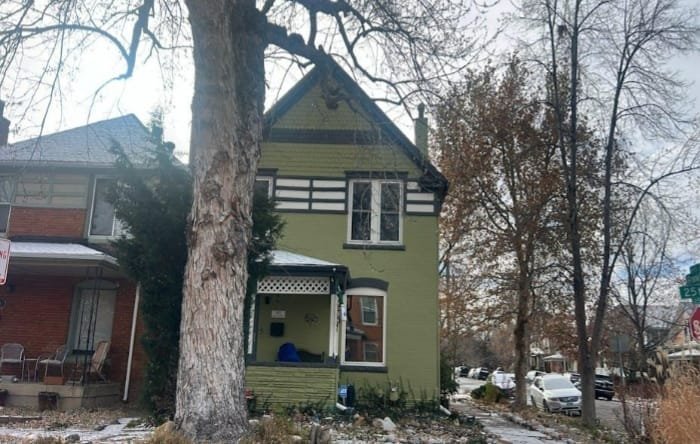
September 27, 2007, became another critical date in the unfolding U.S. housing crisis, as fresh housing data revealed the depth of a downturn that was rapidly spreading beyond the property market and threatening the wider financial system.
The U.S. The Commerce Department reported that sales of new single family homes had fallen 8.3 percent in August 2007, reaching their lowest level in seven years. The median price of a new home also dropped 7.5 percent year-on-year to $225,000. The figures came at a time when the American housing market was already under severe pressure from falling demand, rising inventories and tightening mortgage credit.
The deterioration was closely linked to the growing problems in the subprime mortgage market, where loans had been extended to borrowers with relatively high credit risk. As house prices stopped rising and began declining in many markets, borrowers with limited equity found it increasingly difficult to refinance their mortgages. Delinquencies and foreclosures began increasing, putting additional homes onto an already weakening property market.
The consequences were not confined to individual homeowners or American cities. Mortgage loans had increasingly been packaged into securities and sold to investors, connecting residential property to banks, investment firms and financial markets around the world. When concerns about mortgage losses intensified, investors began pulling back from mortgage related securities, while lenders tightened credit. The Federal Reserve later noted that problems in subprime mortgages had exposed weaknesses across broader financial markets.
The September 27 figures therefore represented more than a decline in American home sales. They were part of a chain of events that would contribute to the 2008 global financial crisis, producing widespread foreclosures, falling property values, tighter credit and major changes in mortgage regulation and financial risk management.
From a real estate perspective, the episode demonstrated how housing markets are connected to banking, investment and the global economy. A downturn that began with mortgages and homes ultimately became one of the most consequential financial disruptions of the modern era.
▪️Syed Shayan Real Estate Archive
▪ Reference(s):
On This Date
27 ستمبر 2007 امریکی ہاؤسنگ بحران کے دوران ایک اہم تاریخ ثابت ہوئی، جب تازہ اعدادوشمار نے پراپرٹی مارکیٹ میں آنے والی مندی کی شدت واضح کردی۔ یہ بحران بتدریج رئیل اسٹیٹ سیکٹر سے نکل کر وسیع تر مالیاتی نظام کے لیے خطرہ بن رہا تھا۔
27 ستمبر 2007 امریکی ہاؤسنگ بحران کے دوران ایک اہم تاریخ ثابت ہوئی، جب تازہ اعدادوشمار نے پراپرٹی مارکیٹ میں آنے والی مندی کی شدت واضح کردی۔ یہ بحران بتدریج رئیل اسٹیٹ سیکٹر سے نکل کر وسیع تر مالیاتی نظام کے لیے خطرہ بن رہا تھا۔
امریکی محکمہ تجارت کے مطابق اگست 2007 میں نئے سنگل فیملی گھروں کی فروخت میں 8.3 فیصد کمی ریکارڈ کی گئی اور یہ فروخت سات سال کی کم ترین سطح پر پہنچ گئی۔ نئے گھر کی اوسط قیمت بھی ایک سال کے دوران 7.5 فیصد کم ہوکر تقریباً 225,000 ڈالر رہ گئی۔ یہ اعدادوشمار ایسے وقت میں سامنے آئے جب امریکی ہاؤسنگ مارکیٹ پہلے ہی کمزور طلب، بڑھتے ہوئے مکانات کے ذخیرے اور رہائشی قرضوں کی سخت ہوتی شرائط کے دباؤ میں تھی۔
ہاؤسنگ مارکیٹ کی صورتحال بگڑنے کی ایک بڑی وجہ سب پرائم مارگیج مارکیٹ کے مسائل تھے، جہاں نسبتاً زیادہ کریڈٹ رسک رکھنے والے افراد کو ہاؤسنگ قرضے فراہم کیے گئے تھے۔ جب گھروں کی قیمتوں میں اضافہ رک گیا اور کئی مارکیٹوں میں قیمتیں گرنے لگیں تو محدود ایکویٹی رکھنے والے قرض داروں کے لیے اپنے قرضوں کی ری فنانسنگ مشکل ہوگئی۔ نتیجتاً قرضوں کی عدم ادائیگی اور گھروں کو ضبط کرنے کے واقعات میں اضافہ ہوا، جس سے مزید مکانات کمزور ہوتی پراپرٹی مارکیٹ میں شامل ہوگئے۔
اس بحران کے اثرات صرف امریکی گھر مالکان یا مقامی پراپرٹی مارکیٹ تک محدود نہیں رہے۔ رہائشی قرضوں کو بڑی تعداد میں سکیورٹیز کی شکل دے کر دنیا بھر کے سرمایہ کاروں کو فروخت کیا گیا تھا، جس سے رئیل اسٹیٹ، بینکوں، سرمایہ کاری اداروں اور عالمی مالیاتی منڈیوں کے درمیان مضبوط تعلق قائم ہوگیا۔ مارگیج نقصانات کے خدشات بڑھنے پر سرمایہ کاروں نے مارگیج سے متعلق سکیورٹیز سے فاصلہ اختیار کرنا شروع کیا جبکہ قرض دینے والے اداروں نے کریڈٹ مزید سخت کردیا۔
27 ستمبر کے اعدادوشمار محض امریکی گھروں کی فروخت میں کمی کی نشاندہی نہیں کر رہے تھے بلکہ یہ ان واقعات کی ایک کڑی تھے جنہوں نے بالآخر 2008 کے عالمی مالیاتی بحران کی بنیاد مضبوط کی۔ اس بحران کے نتیجے میں بڑے پیمانے پر گھروں کی ضبطی، پراپرٹی کی قیمتوں میں کمی، قرضوں کی سخت شرائط اور مالیاتی ضوابط میں اہم تبدیلیاں دیکھنے میں آئیں۔
رئیل اسٹیٹ کے تناظر میں یہ واقعہ اس بات کی واضح مثال بن گیا کہ ہاؤسنگ مارکیٹ کس طرح بینکاری، سرمایہ کاری اور عالمی معیشت سے جڑی ہوئی ہے۔ گھروں اور مارگیج سے شروع ہونے والی مندی نے بالآخر جدید دور کے انتہائی اہم مالیاتی بحرانوں میں سے ایک کو جنم دیا۔

Born on 7 January 1886, Jamshed Nusserwanjee Mehta’s life story is inseparable from the transformation of Karachi itself, from a small harbour settlement into a...
Read More →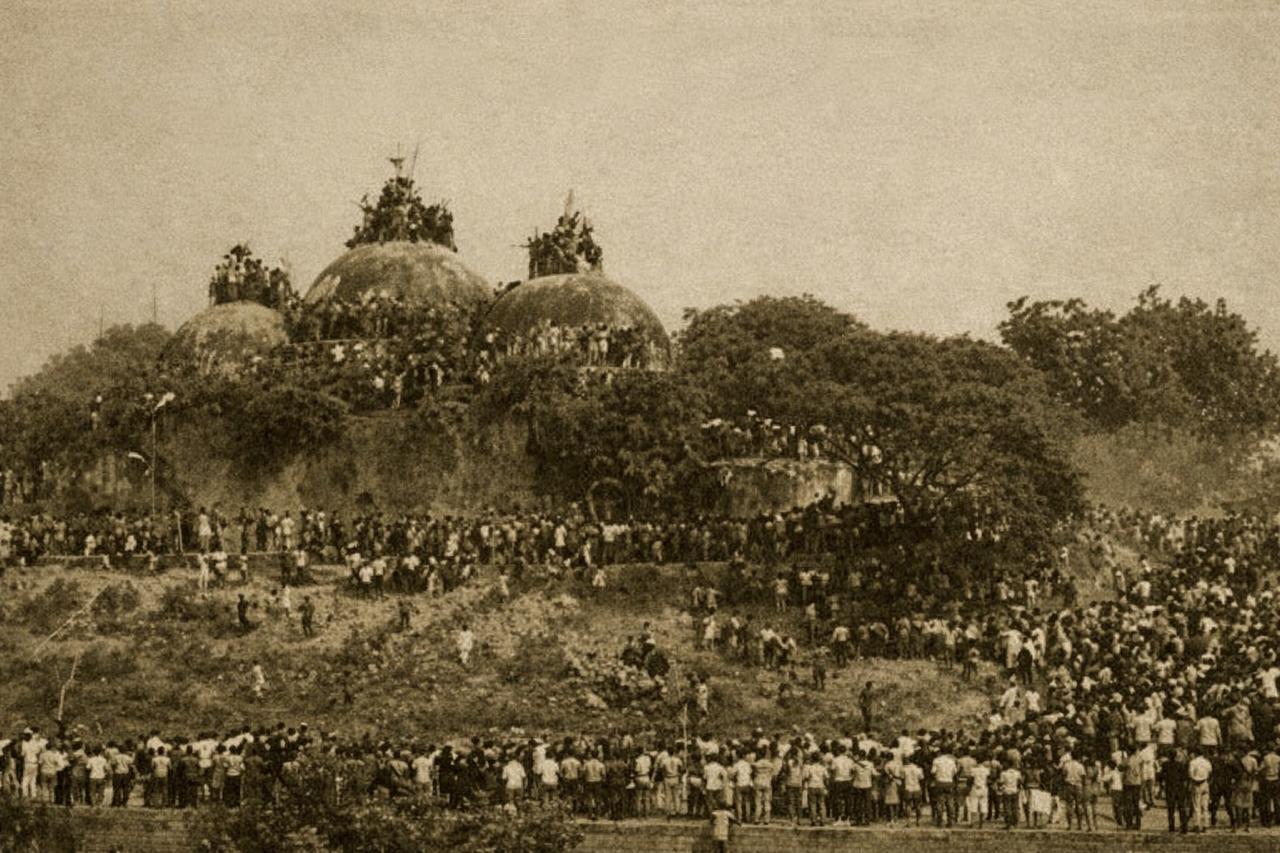
On 6 December 1992, the historic Babri Masjid in the Indian city of Ayodhya was demolished by a large crowd. This event constituted a profound religious trauma ...
Read More →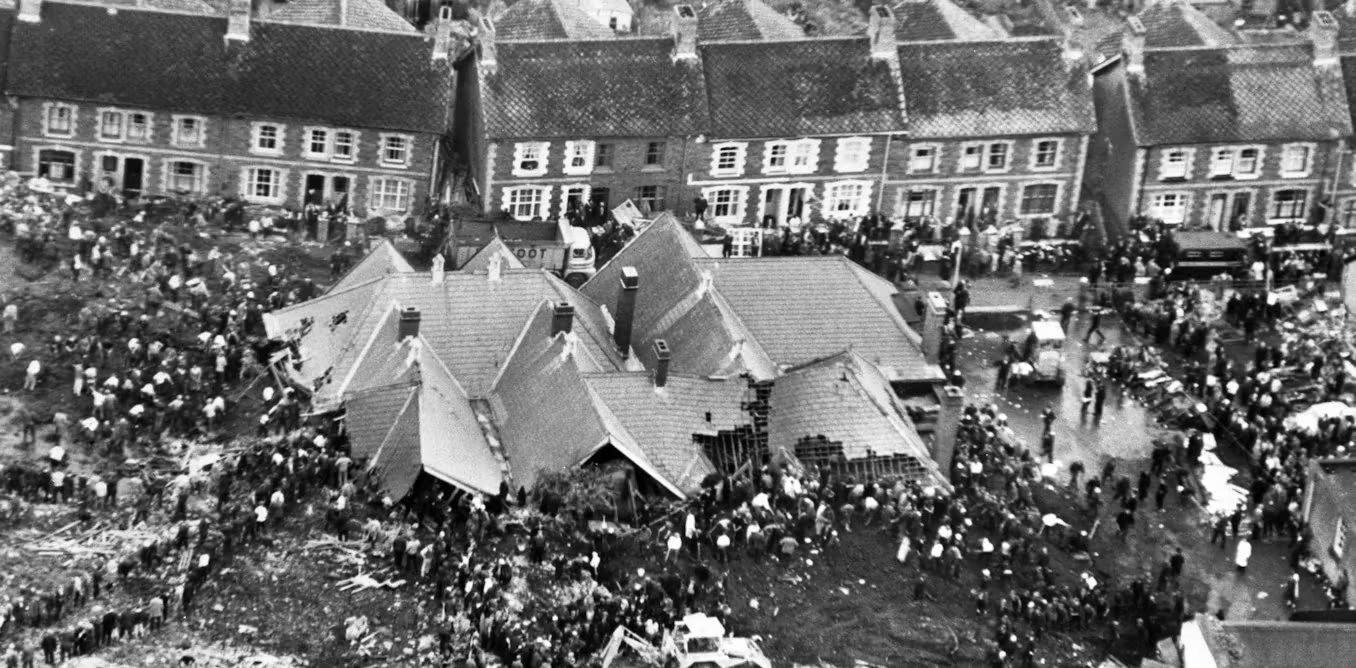
On October 21, 1966, the Aberfan disaster occurred in Wales when a colliery spoil tip collapsed onto the village, killing 144 people including 116 children. Thi...
Read More →On November 24, 1990, the Government of Pakistan launched a nationwide overhaul of the aging railway system to address decades of underinvestment, slow transpor...
Read More →
September 27, 2007, became another critical date in the unfolding U.S. housing crisis, as fresh housing data revealed the depth of a downturn that was rapidly s...
Read More →
The acquisition of land for the Model Town Society was one of the most remarkable and spirited chapters in its early history. Dewan Khem Chand and his...

Between 1921 and 1924, the land for Model Town Lahore was acquired in successive phases. The process began in 1921, shortly after the establishment of...
No comments yet. Be the first to comment!