
Syed Shayan Real Estate Archive
Syed Shayan Real Estate Archive
From Real Estate History
On This Date
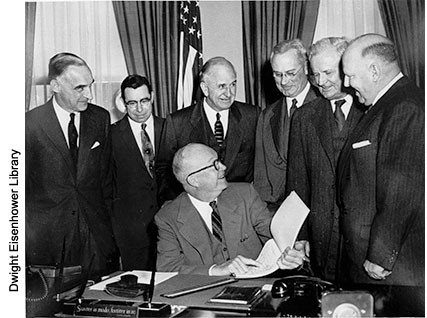
U.S. President Dwight D. Eisenhower signed the Federal Aid Highway Act, a landmark law that created the Interstate Highway System. The act authorized the construction of a 41,000 mile national highway network and became one of the largest public infrastructure programs in American history. It was designed to improve transportation, strengthen national connectivity, support defense needs and make long distance travel faster and safer across the country.
The impact of this law went far beyond roads and transportation. It reshaped the American real estate market by opening new areas for residential, commercial and industrial development. As highways connected cities with surrounding regions, suburban expansion accelerated and land near major routes, interchanges and exits became more valuable. New housing communities, shopping centers, motels, fuel stations, warehouses and logistics hubs began to grow along highway corridors.
The Interstate Highway System also changed urban planning patterns in the United States. Easy road access became an important factor in property demand, business location and regional development. Many families moved from crowded city centers to suburban areas, while businesses benefited from faster movement of goods and people. In this way, the 1956 law became a major turning point in modern infrastructure, land use and real estate development history.
▪ Reference(s):
On This Date
امریکی صدر ڈوائٹ ڈی آئزن ہاور نے فیڈرل ایڈ ہائی وے ایکٹ پر دستخط کیے، جو ایک تاریخی قانون تھا جس کے تحت انٹرسٹیٹ ہائی وے سسٹم قائم کیا گیا۔ اس قانون کے ذریعے 41 ہزار میل طویل قومی شاہراہ نیٹ ورک کی تعمیر کی منظوری دی گئی، جو امریکی تاریخ کے سب سے بڑے عوامی انفراسٹرکچر منصوبوں میں شمار ہوتا ہے۔ اس کا مقصد ٹرانسپورٹ نظام کو بہتر بنانا، قومی رابطوں کو مضبوط کرنا، دفاعی ضروریات کو سہارا دینا اور ملک بھر میں طویل فاصلے کے سفر کو تیز اور محفوظ بنانا تھا۔
اس قانون کے اثرات صرف سڑکوں اور ٹرانسپورٹ تک محدود نہیں رہے۔ اس نے امریکہ کی رئیل اسٹیٹ مارکیٹ کو بھی نئی سمت دی، کیونکہ شاہراہوں کے ذریعے رہائشی، تجارتی اور صنعتی ترقی کے لیے نئے علاقے کھل گئے۔ جب شہروں کا رابطہ آس پاس کے علاقوں سے مضبوط ہوا تو مضافاتی آبادیوں کی توسیع تیز ہو گئی، جبکہ بڑی شاہراہوں، انٹرچینجز اور ایگزٹس کے قریب زمینوں کی قیمتوں میں اضافہ ہوا۔ انہی ہائی وے کوریڈورز کے ساتھ نئی رہائشی کمیونٹیز، شاپنگ سینٹرز، موٹلز، فیول سٹیشنز، گودام اور لاجسٹکس ہبز ترقی کرنے لگے۔
انٹرسٹیٹ ہائی وے سسٹم نے امریکہ میں شہری منصوبہ بندی کے انداز کو بھی بدل دیا۔ آسان روڈ رسائی جائیداد کی طلب، کاروباری مقامات کے انتخاب اور علاقائی ترقی کا اہم عنصر بن گئی۔ بہت سے خاندان رش والے شہری مراکز سے نکل کر مضافاتی علاقوں میں منتقل ہوئے، جبکہ کاروباروں کو سامان اور لوگوں کی تیز نقل و حرکت سے فائدہ پہنچا۔ اس طرح 1956 کا یہ قانون جدید انفراسٹرکچر، زمین کے استعمال اور رئیل اسٹیٹ ڈویلپمنٹ کی تاریخ میں ایک اہم موڑ ثابت ہوا۔
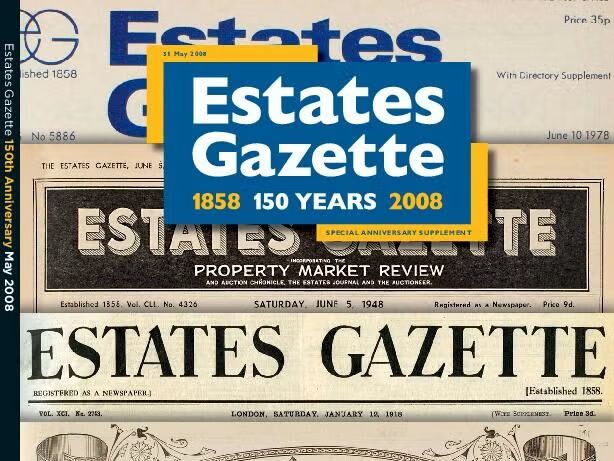
On 6 December 2022, the United Kingdom’s historic weekly real estate journal Estates Gazette (EG) announced that, due to severe financial pressures, it was no l...
Read More →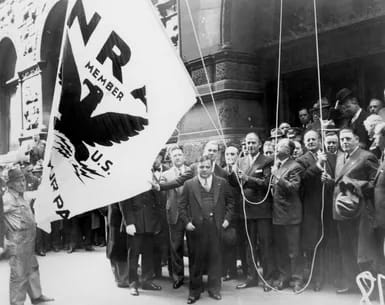
On 16 June 1933, U.S. President Franklin D. Roosevelt signed the National Industrial Recovery Act (NRA), one of the major laws of the New Deal era. The law was ...
Read More →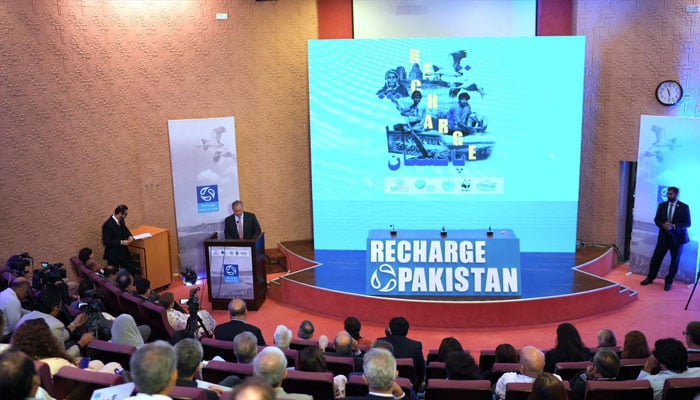
On November 2, 2021, Pakistan’s Ministry of Climate Change launched the ‘Recharge Pakistan’ project in collaboration with the World Bank and the Green Climate F...
Read More →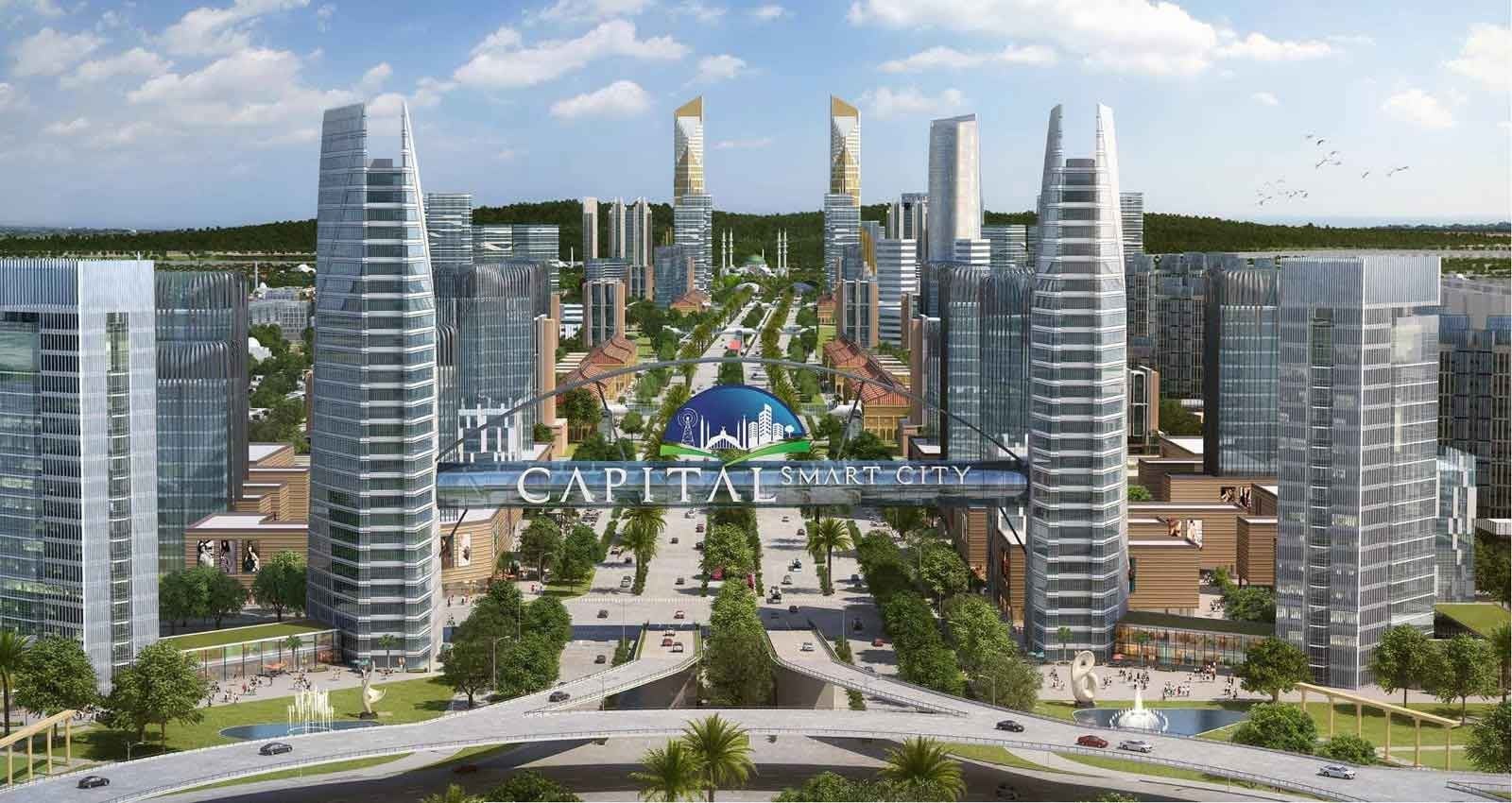
In 2020, Pakistan launched its first-ever smart city project in Islamabad, marking a groundbreaking milestone in the nation’s urban development landscape. This ...
Read More →
On November 9, 1989, the fall of the Berlin Wall triggered one of the most transformative urban renewal movements in modern Europe. East Berlin’s neglected hous...
Read More →
The acquisition of land for the Model Town Society was one of the most remarkable and spirited chapters in its early history. Dewan Khem Chand and his...

Between 1921 and 1924, the land for Model Town Lahore was acquired in successive phases. The process began in 1921, shortly after the establishment of...
No comments yet. Be the first to comment!