
Syed Shayan Real Estate Archive
Syed Shayan Real Estate Archive
From Real Estate History
Across Pakistan, 31 December is designated as the annual Close of the revenue system, under which all land and property related records maintained by the Board of Revenue are formally closed on a yearly basis. This process encompasses all administrative levels, from the traditional patwari system to modern computerised land record offices.
On 31 December, land mutations, the Jamabandi or Record of Rights, and other entries are given final form on an annual basis, while revenue related accounts including land revenue and water charges are closed and carried forward into the new year.
Within the revenue system, the most prominent symbol of this day is the Lal Kitab, regarded as the fundamental and classical register of the patwari system. The Lal Kitab records information relating to the nature of the land, natural conditions, crop status, and agricultural resources of the area, details that are not ordinarily included in standard registers. At the end of the year, the renewal of this record is informally understood as a summary of the land’s History of Title.
According to our real estate analyst, this annual closure on 31 December is of particular importance for investors and developers, as it forms the basis for determining the legal status of land, tax liabilities, and revenue assessments for the coming year. It is at this point that the previous year is formally closed in terms of land records, and the new year begins with fresh entries.
Revenue officials state that although Pakistan’s financial year commences on 1 July, within the land record and patwari system 31 December continues to be regarded as a practical deadline, reflecting an administrative continuity that extends back centuries.
Digital land ownership records, both in Pakistan and in many parts of the world, are also frozen on 31 December, and at midnight a new register or digital database is opened for the following year. This process is significant as it determines the total value of land ownership transferred over the course of the year.
▪️Syed Shayan Real Estate Archive
▪ Reference(s):
پاکستان بھر میں 31 دسمبر کو ریونیو نظام کا سالانہ Close قرار دیا جاتا ہے، جس کے تحت بورڈ آف ریونیو کے ماتحت زمین اور جائیداد سے متعلق تمام ریکارڈ سال کے حساب سے بند کر دیے جاتے ہیں۔ اس عمل میں پٹوار نظام سے لے کر جدید کمپیوٹرائزڈ لینڈ ریکارڈ دفاتر تک، تمام انتظامی سطحیں شامل ہوتی ہیں۔
31 دسمبر کو زمین کے انتقال (Mutation)، جمع بندی (Record of Rights) اور دیگر اندراجات کو سالانہ بنیاد پر حتمی شکل دی جاتی ہے، جبکہ ریونیو سے متعلق مالیہ (Land Revenue) اور آبیانہ (Water Charges) کے حسابات بند کر کے نئے سال کے لیے منتقل کر دیے جاتے ہیں۔
ریونیو نظام میں اس دن کی سب سے نمایاں علامت لال کتاب (Lal Kitab) ہے، جسے پٹوار نظام کا بنیادی اور کلاسک رجسٹر تصور کیا جاتا ہے۔ لال کتاب میں زمین کی نوعیت، قدرتی اثرات، فصلوں کی صورتحال اور علاقے کے زرعی وسائل سے متعلق وہ معلومات درج ہوتی ہیں جو عام رجسٹرز میں شامل نہیں ہوتیں۔ سال کے اختتام پر اس ریکارڈ کی تجدید کو غیر رسمی طور پر زمین کی تاریخِ ملکیت (History of Title) کا خلاصہ بھی سمجھا جاتا ہے۔
ہمارے ریئل اسٹیٹ اینالسٹ کے مطابق 31 دسمبر کی یہ سالانہ بندش سرمایہ کاروں اور ڈویلپرز کے لیے اس لیے اہم ہے کہ اسی بنیاد پر آئندہ سال زمین کی قانونی حیثیت، ٹیکس ذمہ داریوں اور ریونیو تشخیص کا تعین کیا جاتا ہے۔ یہی وہ مرحلہ ہوتا ہے جہاں پرانا سال زمینی ریکارڈ کے لحاظ سے بند اور نیا سال نئے اندراجات کے ساتھ شروع ہوتا ہے۔
ریونیو حکام کا کہنا ہے کہ اگرچہ پاکستان کا مالی سال یکم جولائی سے شروع ہوتا ہے، تاہم زمین کے ریکارڈ اور پٹوار نظام میں 31 دسمبر کو آج بھی ایک عملی ڈیڈ لائن تصور کیا جاتا ہے، جو صدیوں پرانے انتظامی تسلسل کی عکاس ہے۔
زمین کی ملکیت کا ڈیجیٹل ریکارڈ بھی پاکستان سمیت دنیا کے کئی حصوں میں 31 دسمبر کو منجمد (Freeze) کر دیا جاتا ہے، اور رات 12 بجے زمین کا ریکارڈ اگلے سال کے لیے نیا رجسٹر (یا ڈیجیٹل ڈیٹا بیس) کھولا جاتا ہے۔ یہ عمل اس لیے اہم ہے کیونکہ اس سے یہ طے ہوتا ہے کہ سال بھر میں کتنی مالیت کی زمین کی ملکیت تبدیل ہوئی۔
▪️ سید شایان ریئل اسٹیٹ آرکائیو

On November 12, 1885, Paris initiated a large-scale suburban expansion project inspired by Baron Haussmann’s earlier urban reforms. The French government sought to manage rapid industrial growth and population pressure by extending planned boulevards and housing layouts beyond the city walls. The expansion included public transport integration, w...
Read More →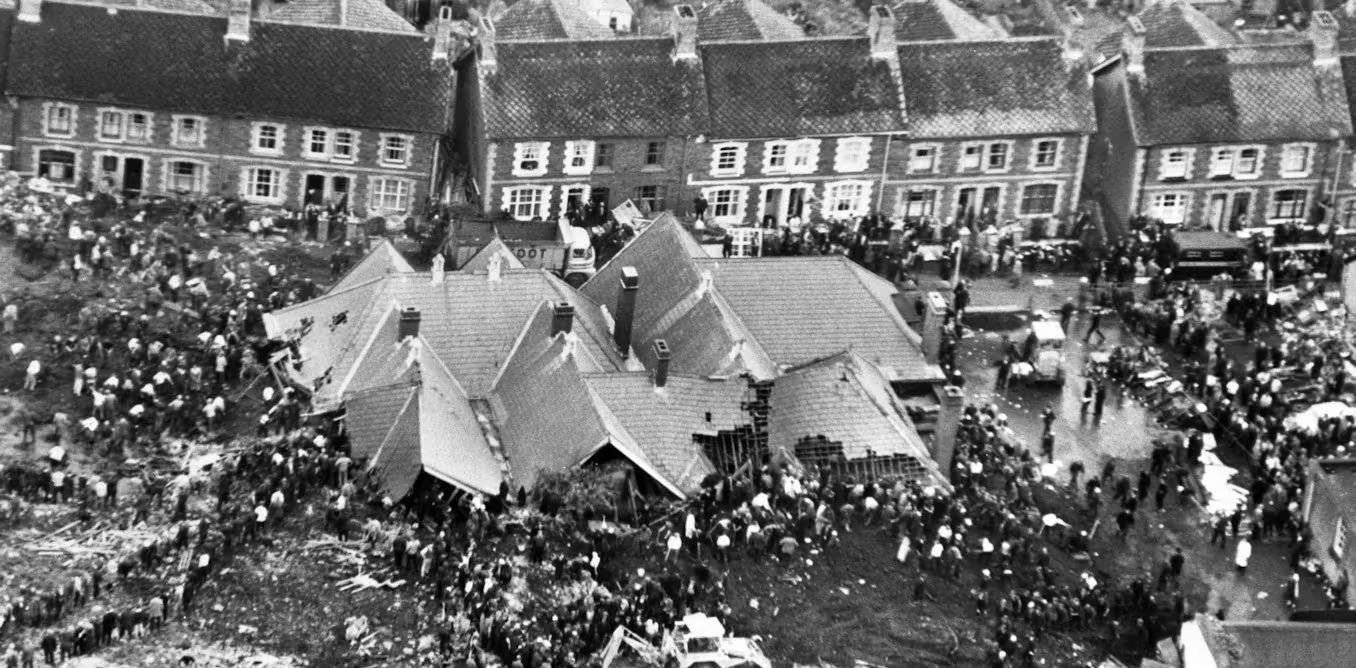
On October 21, 1966, the Aberfan disaster occurred in Wales when a colliery spoil tip collapsed onto the village, killing 144 people including 116 children. This tragic event exposed critical failures in mining waste management and land use planning near populated areas. The disaster led to comprehensive reforms in mining regulations, waste disposa...
Read More →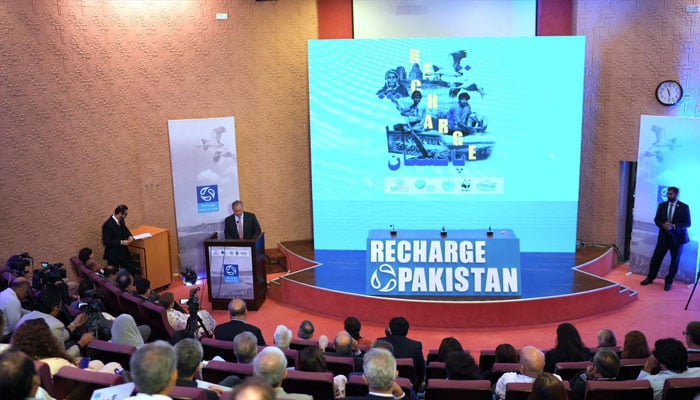
On November 2, 2021, Pakistan’s Ministry of Climate Change launched the ‘Recharge Pakistan’ project in collaboration with the World Bank and the Green Climate Fund. The initiative aimed to enhance water resilience by restoring wetlands, improving groundwater recharge, and managing floodwaters more sustainably. With nearly 90% of Pakistan’s ...
Read More →On November 24, 1990, the Government of Pakistan launched a nationwide overhaul of the aging railway system to address decades of underinvestment, slow transport speeds, and rising maintenance failures. The Ministry of Railways introduced new repair programs, upgraded signaling technology, and initiated phased restoration of passenger and freight r...
Read More →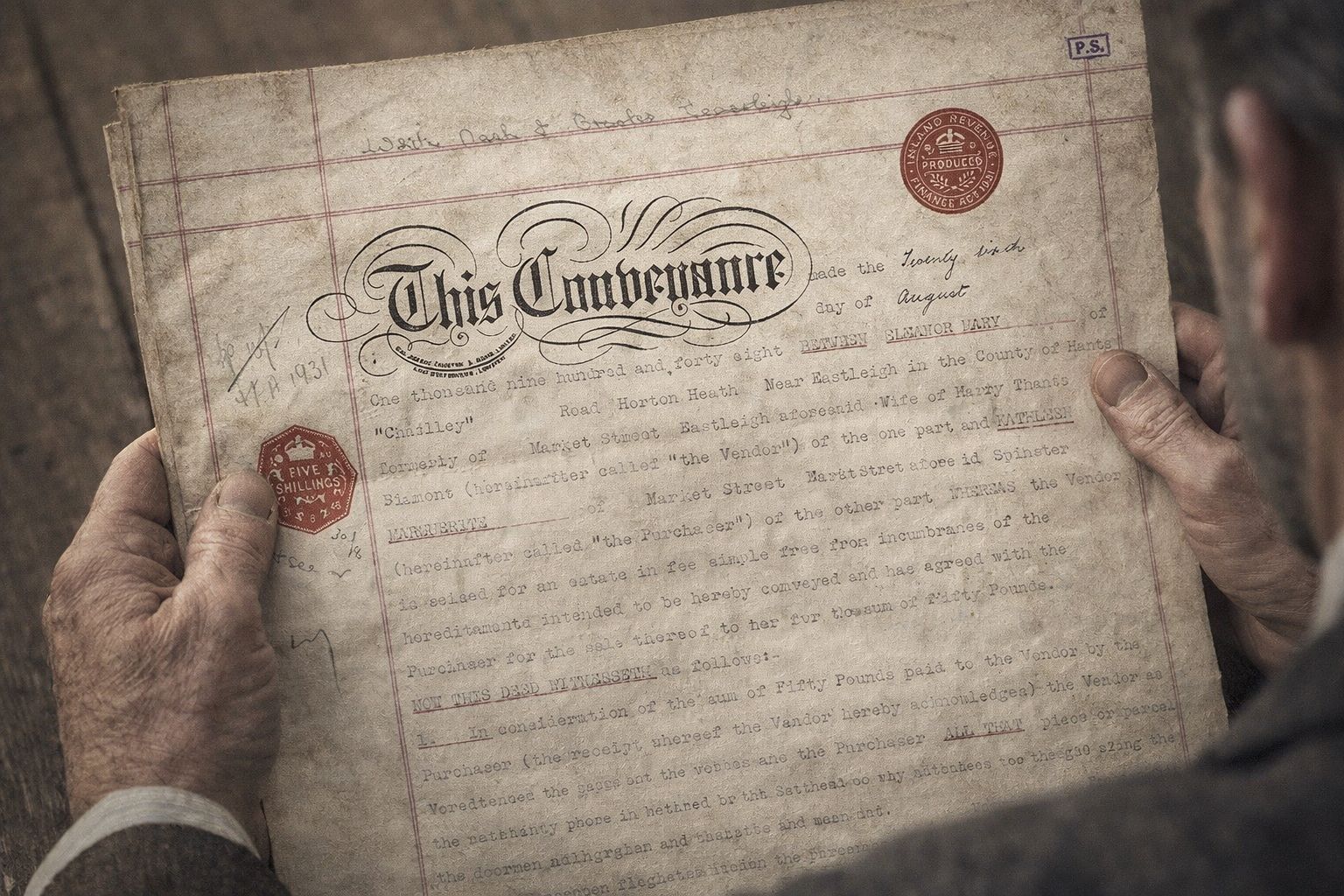
In Britain, the understanding of land and property ownership underwent a decisive and lasting transformation with the legal enforcement of the Land Registration Rules 1925 under Statutory Instrument 1925 No. 1093. According to the records of the House of Lords and official legal archives, the final confirmation of these Rules on 5 December 1925 ...
Read More →
The acquisition of land for the Model Town Society was one of the most remarkable and spirited chapters in its early history. Dewan Khem Chand and his...
Between 1921 and 1924, the land for Model Town Lahore was acquired in successive phases. The process began in 1921, shortly after the establishment of...
No comments yet. Be the first to comment!