
Syed Shayan Real Estate Archive
Syed Shayan Real Estate Archive
From Real Estate History
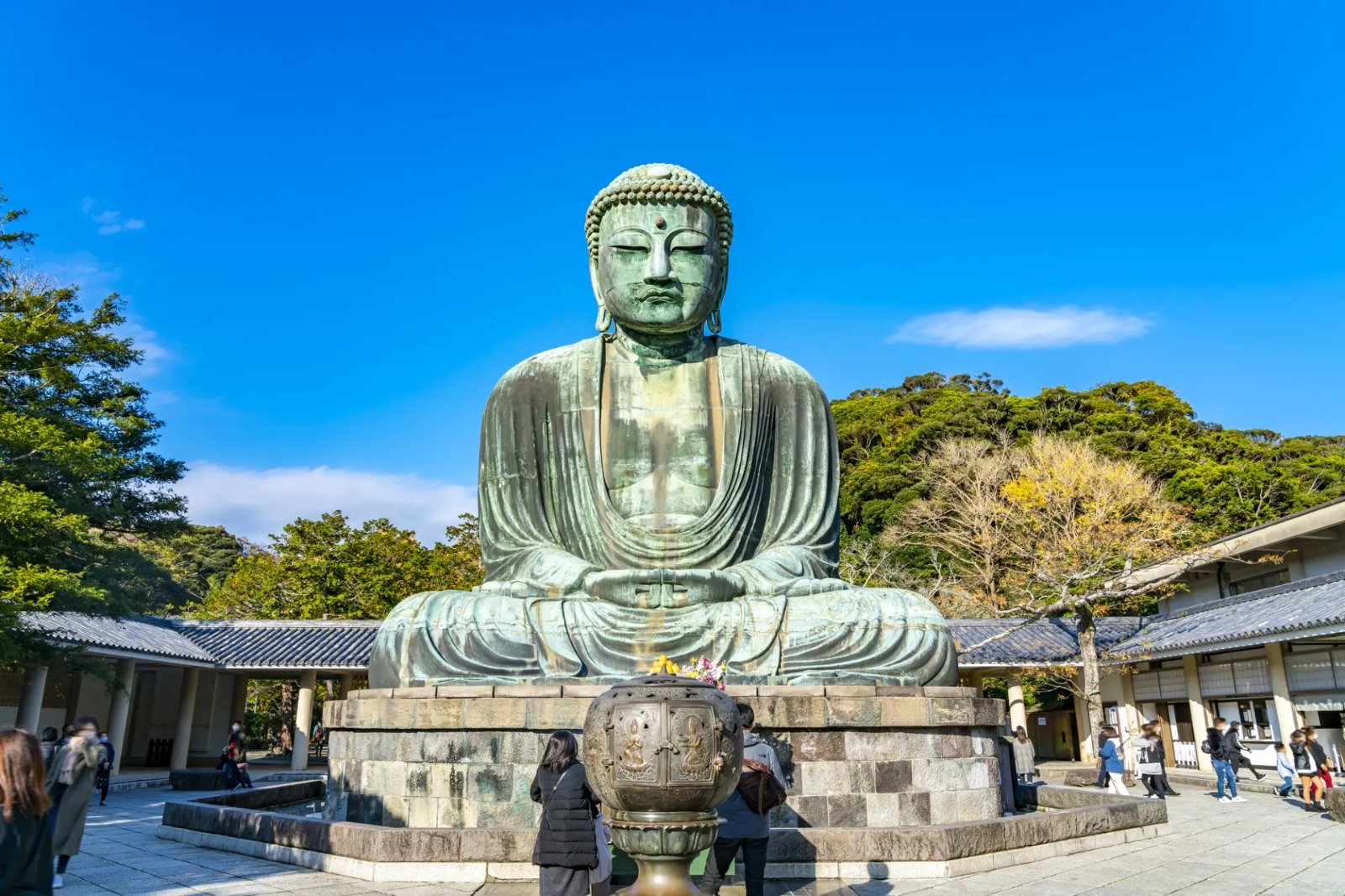
On September 20, 1498, a powerful earthquake near Japan’s Nankai region triggered a tsunami that destroyed the building housing the Great Buddha at Kotoku in Temple in Kamakura. The event remains an important example of the relationship between historic architecture, coastal settlements and natural disasters. The existing bronze statue of the Great Buddha stands approximately 13.35 metres tall and was originally housed inside a dedicated hall. Historical records indicate that the structure had already suffered repeated damage from severe weather. A typhoon destroyed the hall in 1334, after which it was rebuilt. Another storm damaged the building in 1369, leading to further reconstruction. However, the tsunami generated by the Nankai earthquake on September 20, 1498, swept away the building completely. The bronze statue survived, but it was not placed inside another hall afterwards and has remained outdoors ever since. In this way, a natural disaster not only destroyed a historic structure but also changed the long term architectural identity of the site. The incident illustrates the importance of considering location, coastal exposure, structural resilience and disaster preparedness when planning buildings in areas vulnerable to earthquakes and tsunamis. It also demonstrates that the destruction of a historic building does not necessarily mean the disappearance of the heritage associated with it. The surviving statue continued to preserve the cultural significance of the site while its open air setting became a defining feature of the monument. Today, the Great Buddha of Kamakura remains one of Japan’s recognised historic attractions. Its history reflects how architecture and cultural heritage can adapt after catastrophic events. From a real estate history perspective, the incident offers an enduring lesson: the value of a historic property is not limited to its physical structure, as cultural meaning, surviving landmarks and the surrounding site can continue to shape its identity long after the original building has disappeared.
▪️Syed Shayan
Real Estate Archive
▪ Reference(s):
20 ستمبر 1498 کو جاپان کے ساحلی علاقے نانکائی کے قریب آنے والے شدید زلزلے کے نتیجے میں پیدا ہونے والی سونامی نے کاماکورا شہر میں واقع کوتوکو اِن مندر کے عظیم بدھا کے مجسمے کو محفوظ رکھنے والی عمارت تباہ کر دی۔ یہ واقعہ جاپان کی تعمیراتی اور مذہبی تاریخ کے ساتھ ساتھ ساحلی آبادیوں، تاریخی عمارتوں اور قدرتی آفات کے درمیان تعلق کی ایک اہم مثال سمجھا جاتا ہے۔ عظیم بدھا کا موجودہ کانسی کا مجسمہ تقریباً 13.35 میٹر بلند ہے، جبکہ اسے ابتدا میں ایک مخصوص عبادت گاہ کے اندر رکھا گیا تھا۔ تاریخی ریکارڈ کے مطابق اس عمارت کو اس سے قبل بھی طوفانوں اور قدرتی نقصانات کا سامنا کرنا پڑا تھا۔ 1334 میں ایک طوفان سے عمارت تباہ ہوئی، جسے دوبارہ تعمیر کیا گیا، جبکہ 1369 میں ایک اور طوفان کے باعث اسے نقصان پہنچا۔ بعد ازاں عمارت کی دوبارہ تعمیر کی گئی، تاہم 20 ستمبر 1498 کو آنے والی سونامی نے اسے مکمل طور پر بہا دیا۔ کانسی کا عظیم بدھا مجسمہ اس تباہی میں محفوظ رہا، لیکن اس کے بعد اسے دوبارہ کسی عمارت کے اندر رکھنے کے بجائے کھلے آسمان تلے قائم کر دیا گیا۔ یوں ایک قدرتی آفت نے نہ صرف ایک تاریخی تعمیر کو ختم کیا بلکہ اس مقام کی آئندہ شناخت بھی تبدیل کر دی۔ یہ واقعہ اس بات کی نشاندہی کرتا ہے کہ تاریخی عمارتوں کی منصوبہ بندی میں مقام، ساحلی خطرات، تعمیراتی مضبوطی اور قدرتی آفات سے تحفظ کو نظرانداز نہیں کیا جا سکتا۔ آج عظیم بدھا کھلے ماحول میں موجود ہے اور جاپان کے معروف تاریخی مقامات میں شمار ہوتا ہے۔
اس واقعے سے یہ سبق بھی ملتا ہے کہ بعض اوقات کسی عمارت کا خاتمہ اس کے اندر موجود تاریخی ورثے کے خاتمے کا سبب نہیں بنتا، بلکہ محفوظ رہ جانے والی اشیا نئی تعمیراتی اور ثقافتی شناخت اختیار کر لیتی ہیں۔
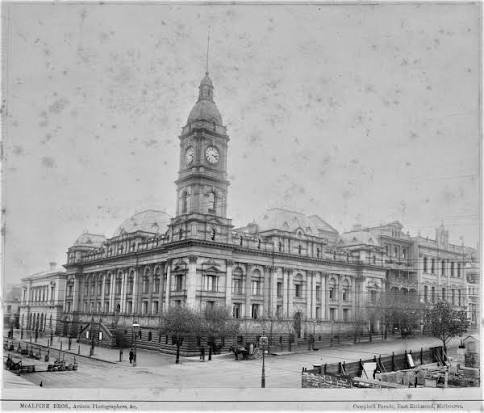
Melbourne celebrated the opening of its new Town Hall with a grand fancy dress ball, marking a memorable moment in the history of a building that would become o...
Read More →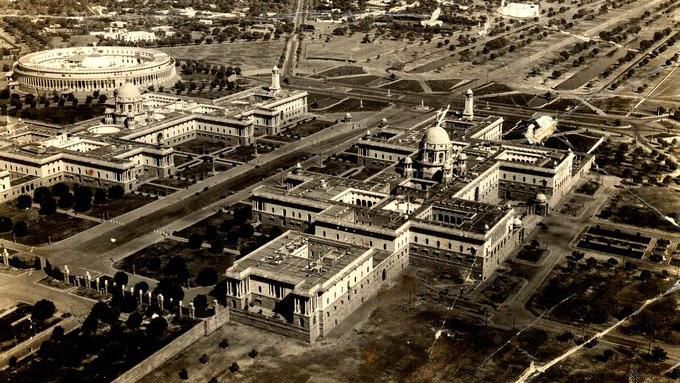
On 21 December 1911, during the period of the British Raj, a formal notice for the acquisition of land for New Delhi was published in the Punjab Gazette. This n...
Read More →On October 26, 2005, the US housing bubble reached its zenith, marking the peak of unsustainable price growth that would soon trigger the global financial crisi...
Read More →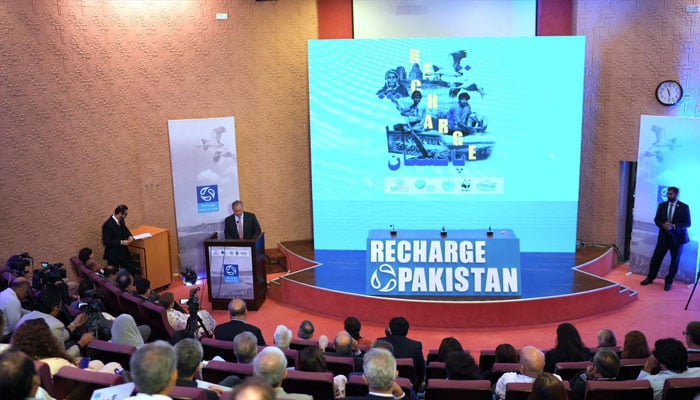
On November 2, 2021, Pakistan’s Ministry of Climate Change launched the ‘Recharge Pakistan’ project in collaboration with the World Bank and the Green Climate F...
Read More →On November 24, 1990, the Government of Pakistan launched a nationwide overhaul of the aging railway system to address decades of underinvestment, slow transpor...
Read More →
The acquisition of land for the Model Town Society was one of the most remarkable and spirited chapters in its early history. Dewan Khem Chand and his...
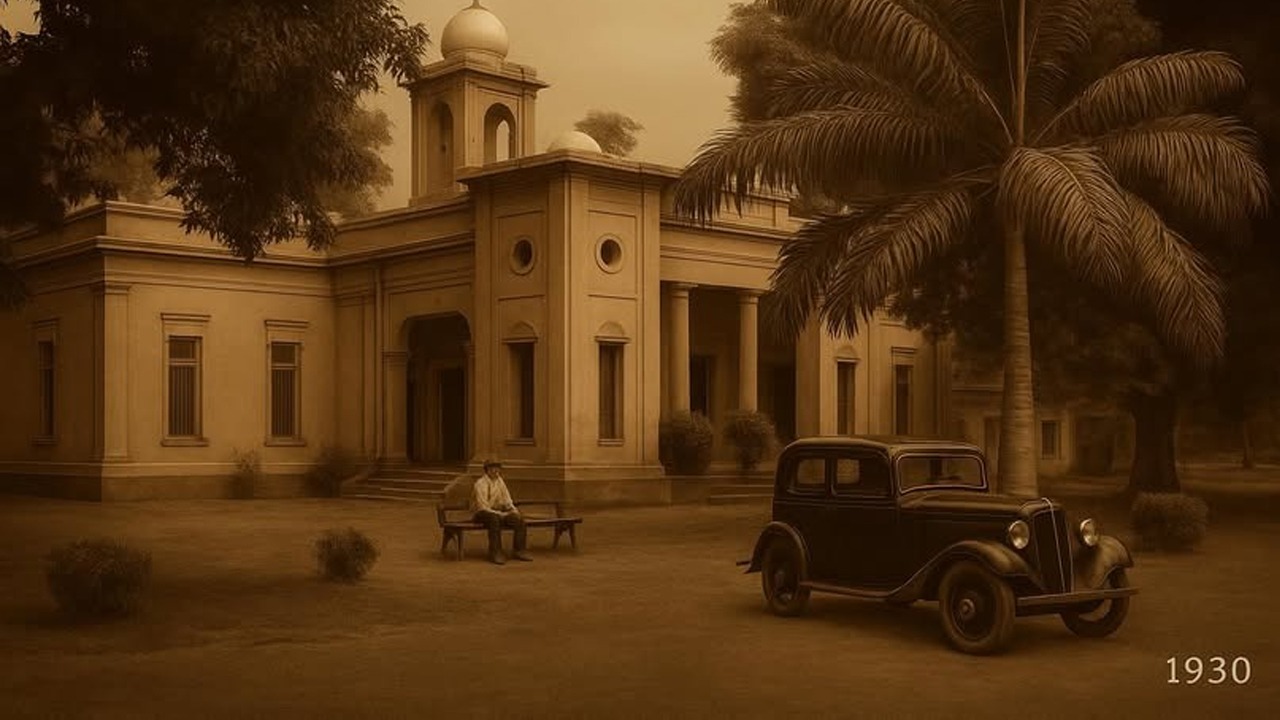
Between 1921 and 1924, the land for Model Town Lahore was acquired in successive phases. The process began in 1921, shortly after the establishment of...
No comments yet. Be the first to comment!