
Syed Shayan Real Estate Archive
Syed Shayan Real Estate Archive
From Real Estate History
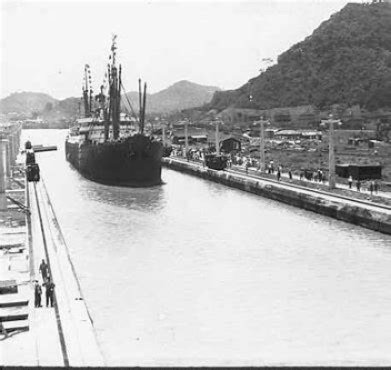
The Panama Canal officially opened to world traffic when the steamship SS Ancon made the historic passage through the newly completed waterway. The event connected the Atlantic and Pacific oceans through a much shorter maritime route and became one of the defining infrastructure achievements of the twentieth century.
From a real estate and urban development perspective, however, the Panama Canal was much more than a shipping project.
Its construction required land, housing, roads, railway infrastructure, hospitals, workplaces and entire communities capable of supporting a huge labour force. It demonstrated on an extraordinary scale how a single infrastructure project can reshape not only transport routes but also the built environment surrounding it.
The American phase of canal construction began in 1904 and continued for approximately a decade. Under the 1903 Hay Bunau Varilla Treaty, the United States obtained rights over a strip of land across the Isthmus of Panama for construction and operation of the canal.
As construction accelerated, the area underwent major physical development.
According to the Panama Canal Authority’s historical record, entire communities were developed to accommodate workers. Housing, dining halls, hospitals, hotels, schools, churches, cold-storage facilities, clubhouses and laundries were constructed. At one stage, nearly half of a workforce numbering about 24,000 was employed in building related work.
The impact extended beyond the immediate construction zone.
Streets in Colón and Panama City were paved and water and sewerage systems were installed as part of the wider infrastructure improvements associated with the project.
This makes the Panama Canal particularly significant for real estate history.
Mega infrastructure projects often change the value and purpose of surrounding land because they create new patterns of movement, employment and commercial activity. The canal provided a powerful early example of infrastructure becoming the organising force behind new residential, industrial and logistical development.
The physical transformation was enormous.
Rail lines had to be reorganised, excavation areas created and vast quantities of soil and rock removed. Locks, dams, artificial lakes and other supporting infrastructure permanently changed the landscape across the isthmus. Library of Congress records show that canal planning also involved rerouting parts of the Panama Railroad as engineers redesigned the territory around the new waterway.
When the canal finally opened on 15 August 1914, SS Ancon travelled through a waterway of about 80 kilometres between the Atlantic and Pacific sides. The canal dramatically reduced sailing distances for many maritime routes and subsequently became a major link in international trade.
For port cities, warehouses, industrial land and logistics-related property, this new geography of trade had long-term consequences.
Businesses could reconsider where goods should be stored, processed and shipped. Ports connected to shorter maritime routes gained new strategic importance, while infrastructure surrounding the canal itself continued to support commercial and urban activity.
The canal’s relationship with urban development did not end with its construction.
The Panama Canal Authority notes that the waterway continues to contribute to Panama’s maritime sector and provides potable water to Panama City and Colón, linking the infrastructure project directly with the functioning and expansion of nearby urban areas.
More than a century later, the Panama Canal remains a reminder that the most important real estate transformations are not always initiated by a housing project or a property developer.
Sometimes they begin with a road, railway, port, airport or ...in this case ...a canal.
Such infrastructure can determine where people live, where businesses locate, where warehouses and industries develop and which pieces of land become strategically important.
On 15 August 1914, the Panama Canal did more than open a passage between two oceans. It showed how a major infrastructure project could reorganise transport, construction, settlement and the economic use of land on an international scale.
▪️Syed Shayan
Real Estate Archive
▪ Reference(s):
پاناما کینال باقاعدہ طور پر عالمی بحری آمدورفت کیلئے کھول دی گئی اور ایس ایس اینکون (SS Ancon) نامی بحری جہاز نے نئی آبی گزرگاہ سے تاریخی سفر کرکے اس کا افتتاح کیا۔ بحر اوقیانوس اور بحرالکاہل کو ملانے والا یہ منصوبہ بیسویں صدی کے سب سے اہم تعمیراتی اور انفراسٹرکچر منصوبوں میں شمار ہوا۔
لیکن رئیل اسٹیٹ اور شہری ترقی کی تاریخ میں پاناما کینال کی اہمیت صرف بحری جہازوں کیلئے ایک مختصر راستہ بنانے تک محدود نہیں۔
اس منصوبے کیلئے زمین، رہائشی عمارتیں، سڑکیں، ریلوے، ہسپتال، کام کی جگہیں اور ہزاروں کارکنوں کیلئے باقاعدہ آبادیاں تعمیر کرنا پڑیں۔
یوں پاناما کینال اس بات کی ایک بڑی تاریخی مثال بن گئی کہ کس طرح ایک انفراسٹرکچر منصوبہ صرف آمدورفت نہیں بلکہ اپنے اردگرد زمین کے استعمال اور شہری تعمیر کا پورا نقشہ تبدیل کرسکتا ہے۔
کینال کی امریکی دور کی تعمیر 1904 میں شروع ہوئی اور تقریباً دس سال جاری رہی۔ 1903 کے معاہدے کے تحت امریکا کو پاناما کے آرپار ایک مخصوص زمینی پٹی میں کینال کی تعمیر اور انتظام سے متعلق حقوق حاصل ہوئے۔
تعمیراتی کام بڑھنے کے ساتھ علاقے میں غیر معمولی شہری ترقی بھی شروع ہوگئی۔
پاناما کینال اتھارٹی کے تاریخی ریکارڈ کے مطابق کارکنوں کو رہائش اور سہولتیں فراہم کرنے کیلئے پوری آبادیاں قائم کی گئیں۔ ان میں گھر، کھانے کے مراکز، ہسپتال، ہوٹل، اسکول، گرجا گھر، کولڈ اسٹوریج، کلب ہاؤسز اور کپڑے دھونے کی سہولتیں تک شامل تھیں۔ ایک مرحلے پر تقریباً 24 ہزار افراد پر مشتمل افرادی قوت میں سے قریب نصف افراد عمارتوں کی تعمیر سے متعلق کاموں میں مصروف تھے۔
اس منصوبے کے اثرات تعمیراتی علاقے تک محدود نہیں رہے۔
پاناما کینال اتھارٹی کے مطابق کولون اور پاناما سٹی میں سڑکیں پختہ کی گئیں جبکہ پانی اور سیوریج کے نظام بھی قائم کیے گئے۔
یہی پہلو اسے رئیل اسٹیٹ کی تاریخ کیلئے خاص طور پر اہم بناتا ہے۔
بڑے انفراسٹرکچر منصوبے عموماً اپنے اردگرد زمین کے استعمال کو تبدیل کرتے ہیں۔ جہاں نئی آمدورفت، ملازمت اور کاروباری سرگرمی پیدا ہوتی ہے وہاں رہائش، تجارتی عمارتوں، گوداموں اور صنعتی زمین کی ضرورت بھی پیدا ہوتی ہے۔
پاناما کینال اس عمل کی ایک تاریخی مثال تھی۔
اس منصوبے کیلئے صرف نہر نہیں کھودی گئی بلکہ موجودہ زمینی اور آمدورفت کے نظام کو بھی بڑے پیمانے پر تبدیل کیا گیا۔
ریلوے لائنوں کی ترتیب بدلی گئی، بڑے پیمانے پر زمین کھودی گئی، لاکس، ڈیم اور مصنوعی جھیلیں تعمیر ہوئیں۔ لائبریری آف کانگریس کے تاریخی ریکارڈ سے بھی معلوم ہوتا ہے کہ کینال کے منصوبے کے تحت پاناما ریلوے کے بعض حصوں کا راستہ تبدیل کرنا پڑا۔
15 اگست 1914 کو کینال کے کھلنے کے بعد بحر اوقیانوس اور بحرالکاہل کے درمیان بحری سفر کیلئے تقریباً 80 کلومیٹر طویل نئی راہداری دستیاب ہوگئی۔ اس راستے نے متعدد بحری سفر مختصر کیے اور وقت اور نقل و حمل کے اخراجات میں نمایاں کمی کا ذریعہ بنا۔
اس تبدیلی کے اثرات بندرگاہی اور تجارتی رئیل اسٹیٹ تک بھی پہنچے۔
عالمی تجارت کے راستے تبدیل ہونے سے بندرگاہوں، سامان ذخیرہ کرنے کے مراکز، صنعتی مقامات اور لاجسٹکس سے متعلق زمین کی اہمیت بھی نئی بنیادوں پر طے ہونے لگی۔
پاناما میں خود کینال اور شہری ترقی کا تعلق تعمیر مکمل ہونے کے بعد بھی برقرار رہا۔
پاناما کینال اتھارٹی کے مطابق کینال آج بھی ملک کے بحری شعبے اور معاشی سرگرمیوں میں اہم کردار ادا کرتی ہے جبکہ پاناما سٹی اور کولون کو پینے کے پانی کی فراہمی میں بھی کینال کا نظام اہم ہے۔
ایک صدی سے زیادہ عرصہ گزرنے کے باوجود پاناما کینال رئیل اسٹیٹ اور شہری منصوبہ بندی کیلئے ایک اہم سبق رکھتی ہے۔
شہروں اور جائیدادوں کی بڑی تبدیلی ہمیشہ کسی ہاؤسنگ سوسائٹی یا عمارت کی تعمیر سے شروع نہیں ہوتی۔
کبھی ایک نئی سڑک، ریلوے، بندرگاہ، ہوائی اڈہ یا آبی گزرگاہ یہ فیصلہ کردیتی ہے کہ لوگ کہاں آباد ہوں گے، کاروبار کہاں جائیں گے، صنعت کہاں قائم ہوگی اور کون سی زمین مستقبل میں زیادہ اہم ہوجائے گی۔
15 اگست 1914 کو پاناما کینال نے صرف دو سمندروں کے درمیان راستہ نہیں کھولا بلکہ یہ بھی دکھایا کہ ایک بڑا انفراسٹرکچر منصوبہ زمین، تعمیرات، آبادکاری اور کاروباری سرگرمیوں کے جغرافیے کو کس طرح تبدیل کرسکتا ہے۔
The United States Housing Corporation was legally created, marking an important moment in the history of public housing, planned residential development and mod...
Read More →
On 10 January 1992, the formal construction of the Lahore Islamabad Motorway M2 was initiated in Pakistan. On this date, the project was officially launched and...
Read More →
On 29 November 1912, a decisive notification was published in Part One of the Government of India Gazette, establishing the legal basis for the large scale acqu...
Read More →
On November 17, 1994, the Peshawar Development Authority (PDA) began its first Ring Road Housing Expansion Scheme to reduce congestion inside the historical cor...
Read More →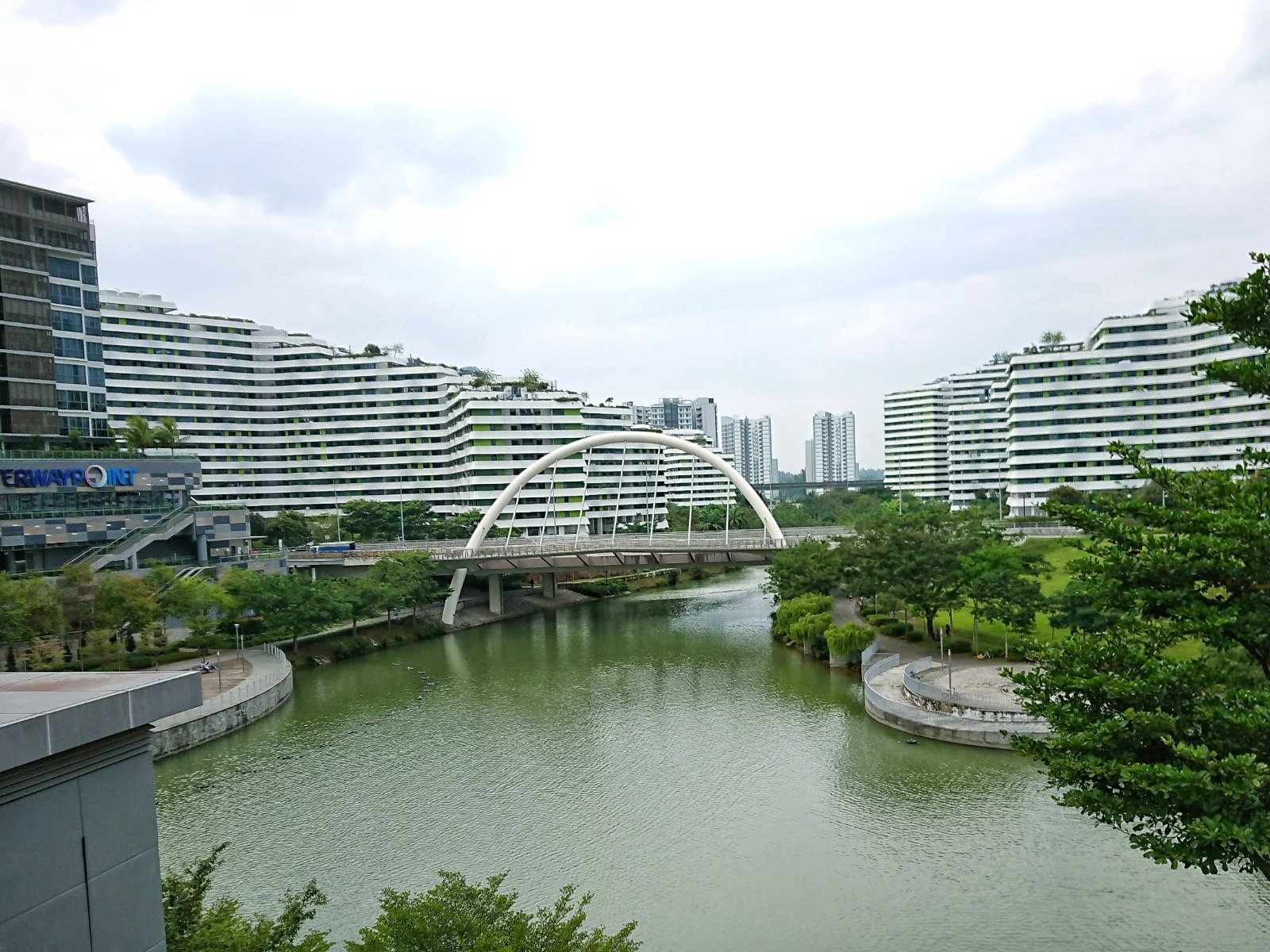
On August 19 2007, Singapore marked an important moment in its urban and real estate history when then-Prime Minister Lee Hsien Loong announced the Punggol 21 ...
Read More →
The acquisition of land for the Model Town Society was one of the most remarkable and spirited chapters in its early history. Dewan Khem Chand and his...

Between 1921 and 1924, the land for Model Town Lahore was acquired in successive phases. The process began in 1921, shortly after the establishment of...
No comments yet. Be the first to comment!