
Syed Shayan Real Estate Archive
Syed Shayan Real Estate Archive
From Real Estate History
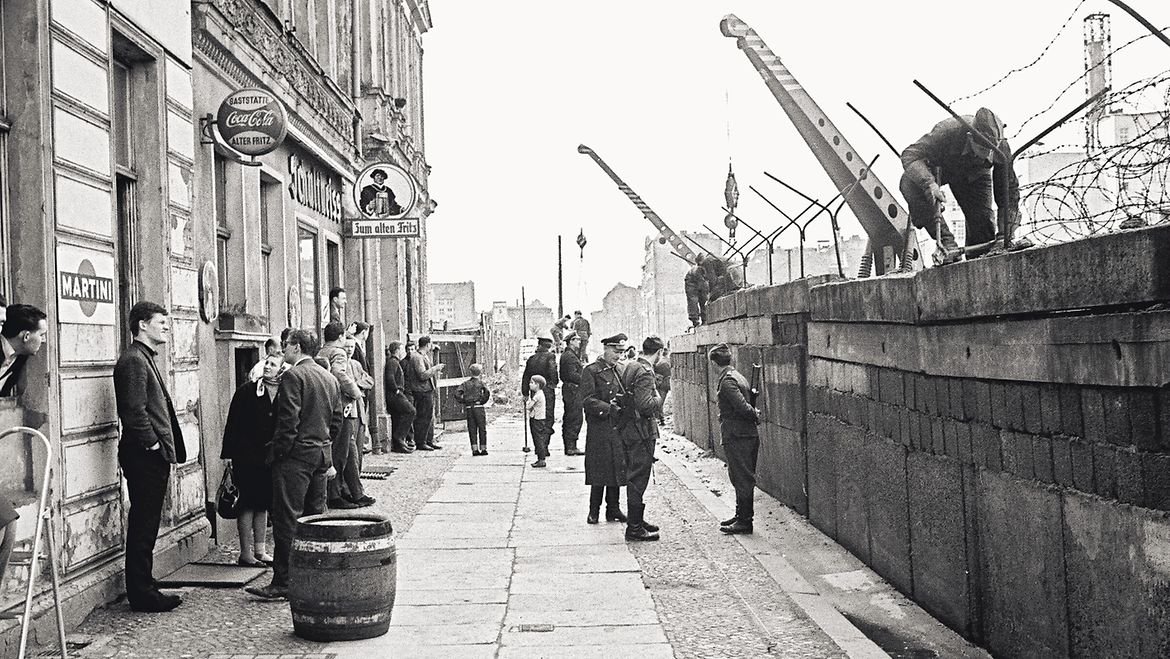
East German authorities began sealing the border between East and West Berlin, an action that would transform not only the political geography of Europe but also the physical structure of one of its most important cities. In the early hours of that Sunday, police, border forces and work crews tore up streets, erected barricades, installed concrete posts and stretched barbed wire across crossing points. Most sector crossings were closed and S Bahn and U Bahn connections between the two sides were interrupted. What began as a sudden barrier of wire and roadblocks was gradually expanded into the Berlin Wall, a 155 kilometre border system that surrounded West Berlin and cut through the city centre. Its impact on urban life was immediate. Streets ended abruptly, public transport routes were severed, neighborhoods were divided and buildings that had once faced ordinary city streets suddenly stood on a major political frontier. Bernauer Strasse became one of the clearest examples. The border ran directly in front of buildings on the East Berlin side, prompting some residents to escape through apartment windows into West Berlin. Within weeks, the buildings were evacuated, residents were forced to move elsewhere and windows and doors facing the border were bricked up. In later years, several buildings were demolished to create a wider and more controlled border strip. For urban and real estate history, August 13 demonstrates how political decisions can instantly alter access to land, housing, streets, transport networks and the relationship between neighborhoods. The Wall remained a defining element of Berlin until November 9, 1989, while systematic dismantling of the border installations began in 1990. August 13, 2026 marks the 65th anniversary of the start of construction, with an official commemoration being held at the Berlin Wall Memorial. The anniversary remains a powerful reminder that cities are shaped not only by architects, developers and property markets; political borders can also redraw the urban landscape and fundamentally change how people use, reach and experience property.
▪️Syed Shayan
Real Estate Archive
▪ Reference(s):
13 اگست 1961 کو مشرقی جرمنی کی حکومت نے مشرقی اور مغربی برلن کے درمیان سرحد بند کرنا شروع کی، ایک ایسا فیصلہ جس نے صرف سرد جنگ کی سیاسی تاریخ ہی نہیں بلکہ یورپ کے ایک بڑے شہر کی زمینی اور شہری ساخت بھی بدل دی۔ اتوار کی صبح سویرے پولیس، سرحدی دستوں اور تعمیراتی عملے نے سڑکیں اکھاڑیں، رکاوٹیں کھڑی کیں، کنکریٹ کے ستون نصب کیے اور مختلف مقامات پر خاردار تار بچھا دی۔ مشرقی اور مغربی حصوں کے بیشتر گزرگاہیں بند کردی گئیں جبکہ ریل اور زیر زمین ریل کے رابطے بھی متاثر ہوئے۔ ابتدائی خاردار تار اور رکاوٹیں چند ہی دنوں میں باقاعدہ دیوار میں بدلنے لگیں اور وقت کے ساتھ یہ 155 کلومیٹر طویل سرحدی نظام بن گیا، جس نے مغربی برلن کو گھیر لیا اور شہر کے مرکزی حصوں کو بھی کاٹ دیا۔ اس تبدیلی کا شہری زندگی پر فوری اثر پڑا۔ سڑکیں اچانک ختم ہوگئیں، محلّے تقسیم ہوگئے، آمدورفت کے راستے منقطع ہوئے اور کئی رہائشی عمارتیں جو پہلے عام شہری ماحول کا حصہ تھیں، اچانک ایک سیاسی سرحد کے کنارے آگئیں۔ برناؤر شٹراسے اس تبدیلی کی سب سے نمایاں مثالوں میں شامل ہے، جہاں سرحد مشرقی برلن کی جانب واقع عمارتوں کے عین سامنے سے گزرتی تھی۔ بعض مکین اپنے فلیٹوں کی کھڑکیوں سے نکل کر مغربی برلن پہنچے۔ چند ہفتوں بعد عمارتیں خالی کرا لی گئیں، رہائشیوں کو دوسری جگہ منتقل کیا گیا اور سرحد کی طرف کھلنے والی کھڑکیاں اور دروازے اینٹوں سے بند کردیئے گئے۔ بعد میں کئی عمارتیں گرا کر وسیع سرحدی پٹی قائم کی گئی۔ شہری ترقی اور رئیل اسٹیٹ کی تاریخ میں 13 اگست اس بات کی غیر معمولی مثال ہے کہ سیاسی فیصلے زمین تک رسائی، رہائش، سڑکوں، ٹرانسپورٹ اور محلّوں کے باہمی تعلق کو کس طرح یکدم بدل سکتے ہیں۔ دیوار 9 نومبر 1989 تک برلن کی شہری ساخت کا نمایاں حصہ رہی اور 1990 میں سرحدی تنصیبات کو منظم طور پر ختم کرنے کا عمل شروع ہوا۔ 13 اگست 2026 کو اس واقعے کے 65 سال مکمل ہو رہے ہیں اور برلن وال میموریل میں سرکاری یادگاری تقریب بھی منعقد کی جا رہی ہے۔
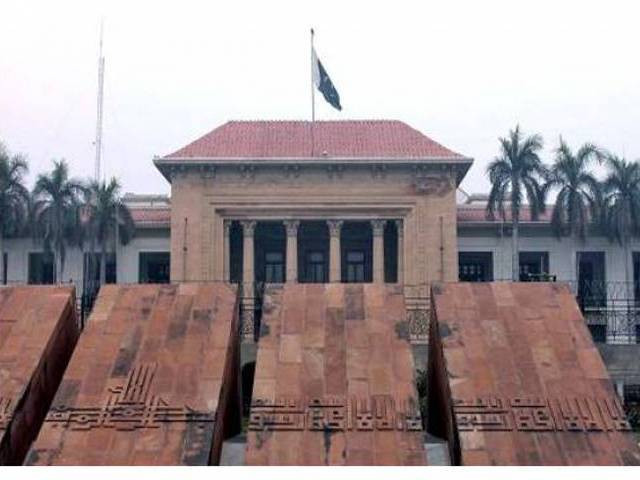
The Punjab Assembly passed the Management and Transfer of Properties by Development Authorities Act 2014, a law aimed at making the management, transfer and le...
Read More →.jpg)
On October 18, 2017, Saudi Arabia officially announced the historic decision to lift the decades-long ban on women driving, marking a major step toward gender e...
Read More →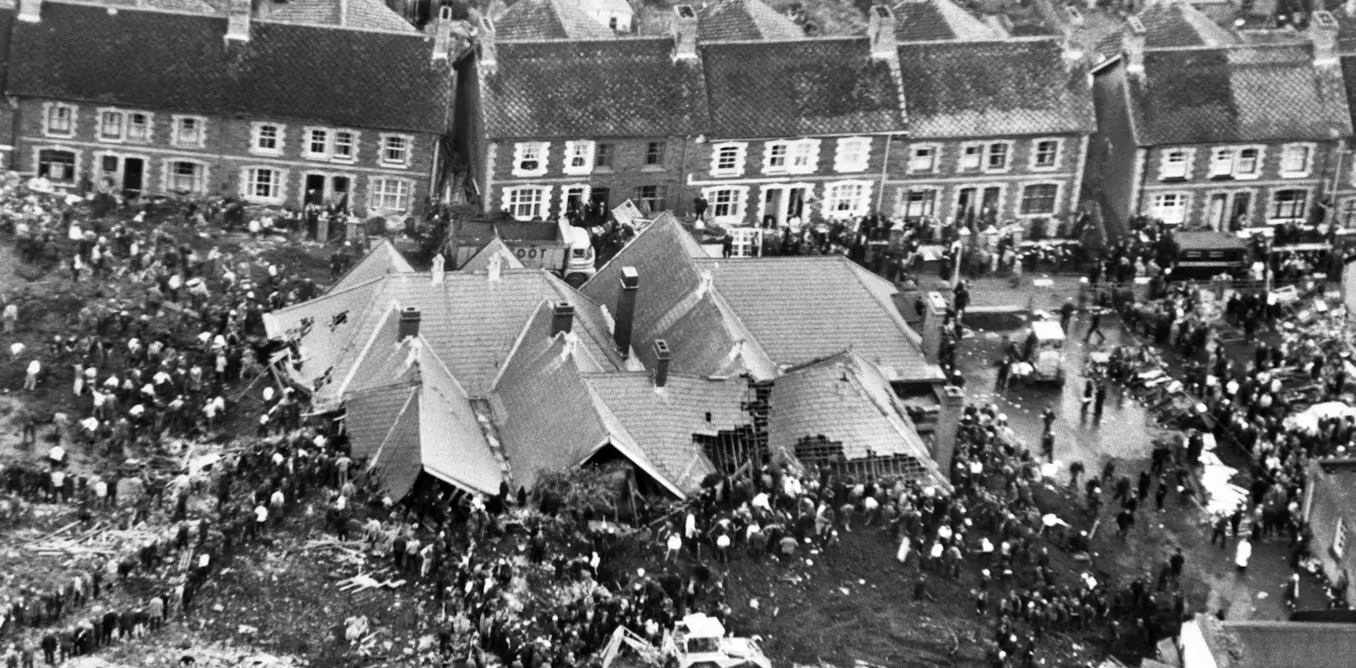
On October 21, 1966, the Aberfan disaster occurred in Wales when a colliery spoil tip collapsed onto the village, killing 144 people including 116 children. Thi...
Read More →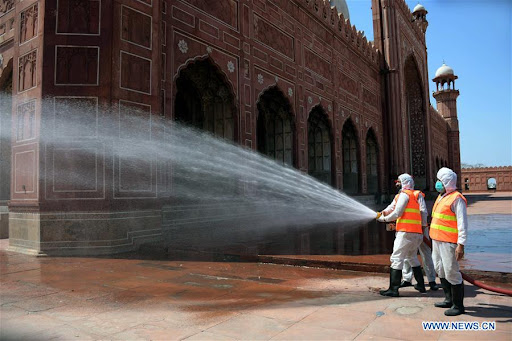
On October 28, 2020, Pakistan implemented a comprehensive COVID-19 recovery package specifically targeting the construction sector to stimulate economic revival...
Read More →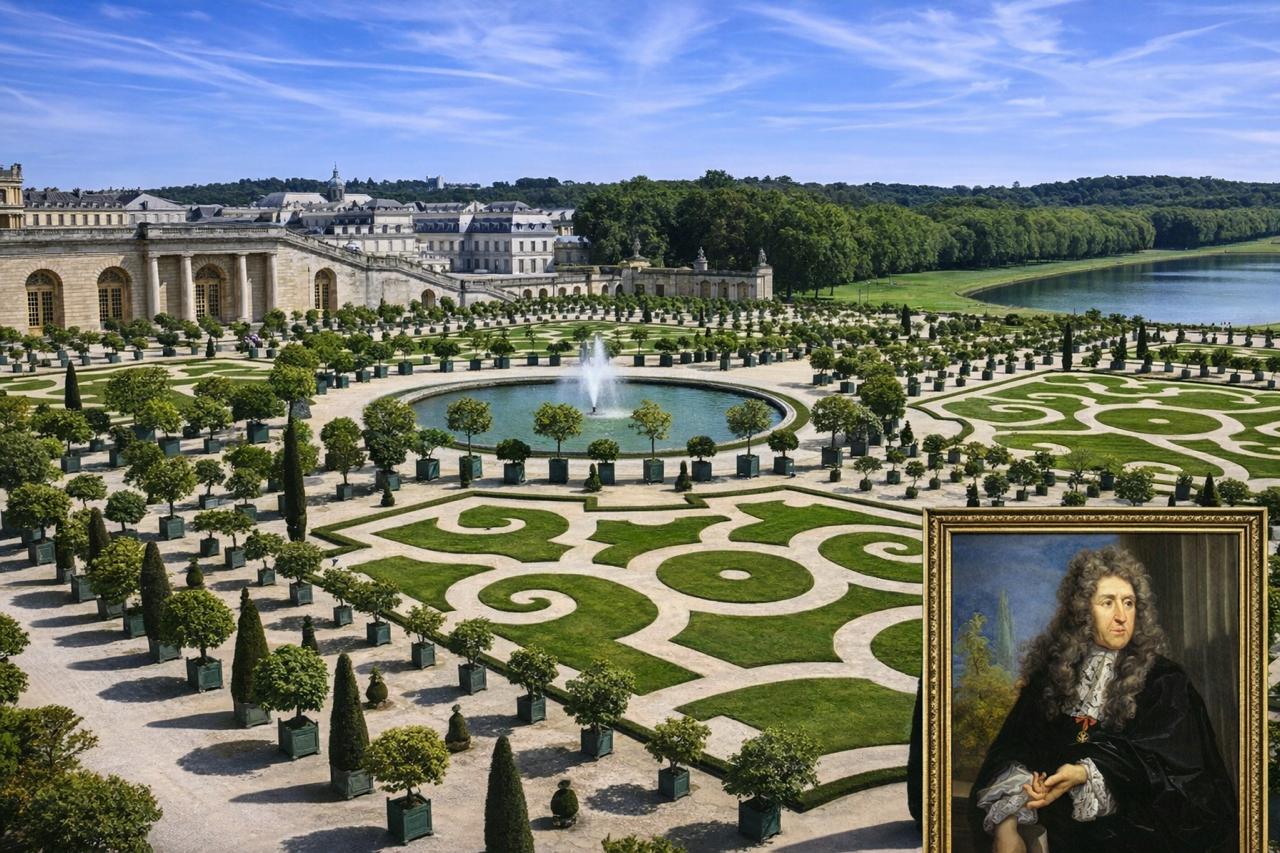
On 12 March 1613 André Le Nôtre was born in Paris France. He came from a family that had been connected with the management and care of royal gardens for severa...
Read More →
The acquisition of land for the Model Town Society was one of the most remarkable and spirited chapters in its early history. Dewan Khem Chand and his...
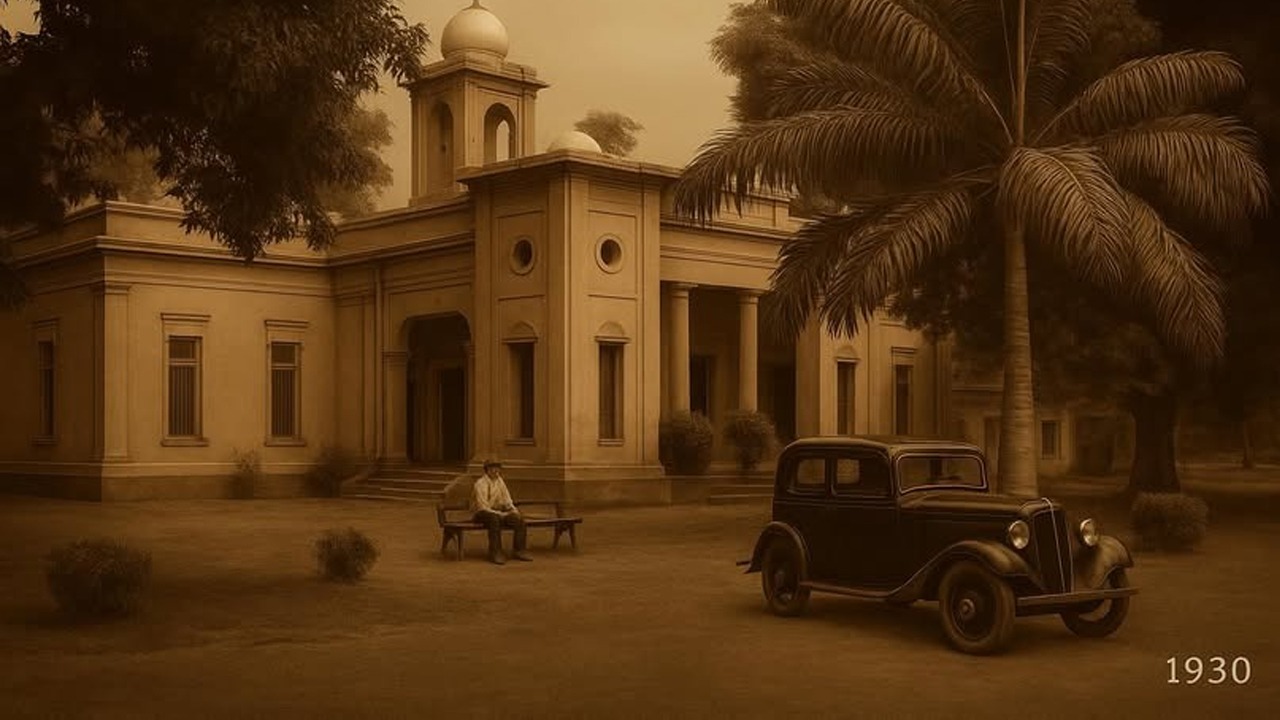
Between 1921 and 1924, the land for Model Town Lahore was acquired in successive phases. The process began in 1921, shortly after the establishment of...
No comments yet. Be the first to comment!