
Syed Shayan Real Estate Archive
Syed Shayan Real Estate Archive
From Real Estate History
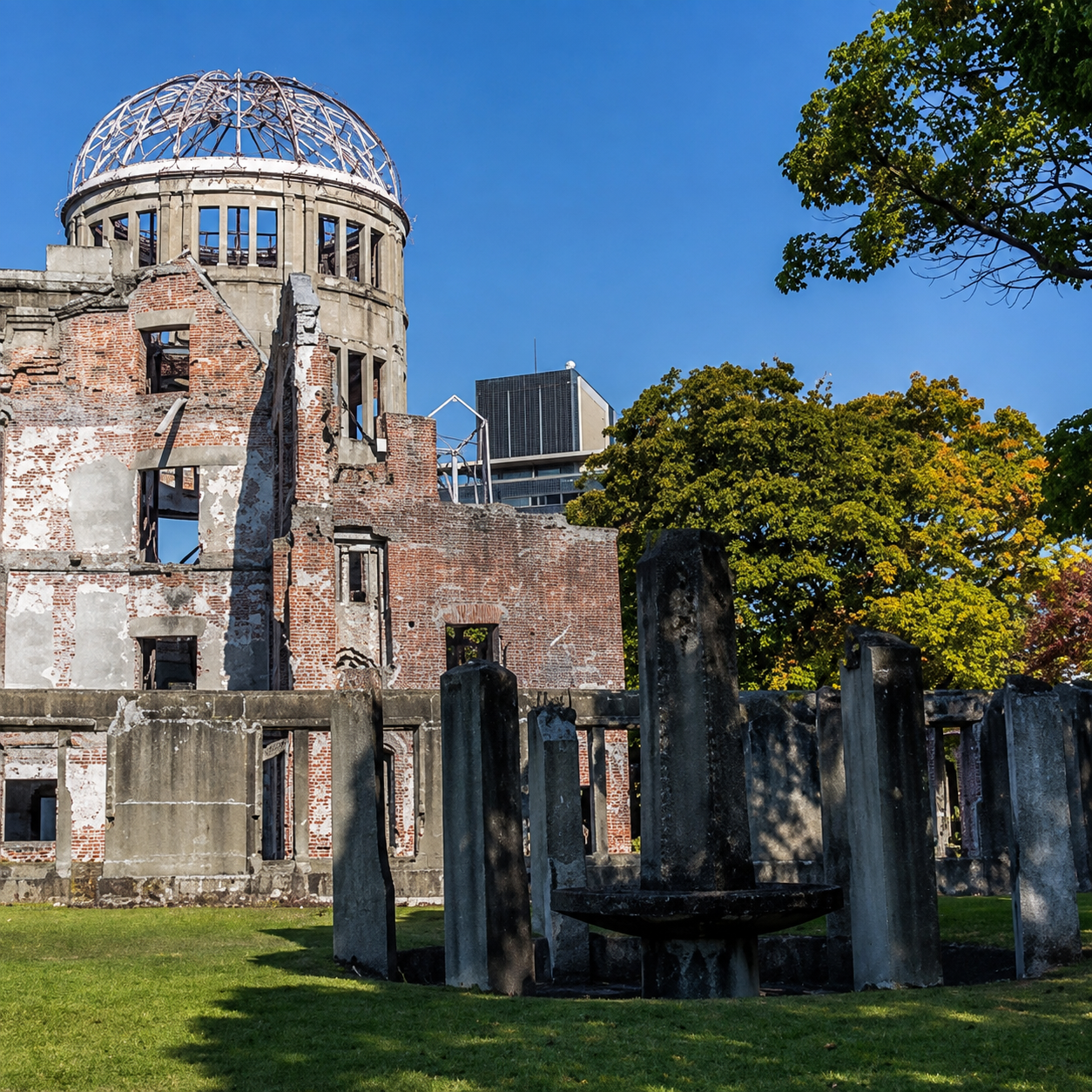
Japan enacted the Hiroshima Peace Memorial City Construction Law, establishing a special legal framework for the reconstruction, urban planning and redevelopment of Hiroshima after its destruction during the Second World War. Created under Article 95 of the Japanese Constitution, the legislation applied specifically to Hiroshima and came into force following a local referendum. It transformed the rebuilding of the city from a financially constrained municipal effort into a project supported by the national government.
Hiroshima faced an acute shortage of financial resources, housing and functioning infrastructure after the war. The municipal government lacked sufficient funds to reconstruct roads, homes, drainage systems, schools and public facilities. Under the new law, former military sites and other nationally owned properties were transferred to the city as part of a preferential assistance programme. Official records show that approximately 35 hectares of state owned land were provided without compensation for educational facilities, water supply systems, sanitation services and welfare infrastructure.
The legislation also led to the adoption of the Hiroshima Peace Memorial City Construction Plan in 1952. The plan proposed the development of Peace Memorial Park near the centre of the devastated city, the creation of major public parks and riverside green areas, the preservation of surrounding woodland and the construction of an efficient sewerage and drainage system. A grid based road network was designed around a 100 metre wide east to west boulevard running through the city centre. Land readjustment schemes were also used to reorganise damaged districts for housing, commercial activity, public services and transportation.
The reconstruction programme supported the development of municipal housing, bridges, roads, parks and civic institutions. Among its early housing projects were the “Peace Apartments,” built beside the Kyobashi River in 1951. The development was Hiroshima’s first postwar municipal apartment complex constructed with reinforced concrete and represented an important step in restoring permanent urban housing.
Hiroshima’s reconstruction remains significant in global real estate and urban development history because it demonstrated how destroyed urban land could be restored through special legislation, public land transfers, national subsidies and long term city planning. Rather than simply replacing damaged buildings, the programme reshaped the city around public spaces, modern infrastructure, environmental planning and a new civic identity.
The law enacted on August 6, 1949 continues to serve as an important foundation for Hiroshima’s planning and development, showing how coordinated land policy and urban investment can transform a devastated city into a functioning and internationally recognised urban centre.
▪️Syed Shayan Real Estate Archive
▪ Reference(s):
جاپان میں ہیروشیما پیس میموریل سٹی کنسٹرکشن لا نافذ کیا گیا، جس نے جنگ کے نتیجے میں تباہ ہونے والے ہیروشیما کی منظم تعمیرِ نو، شہری منصوبہ بندی اور زمین کے نئے استعمال کے لیے قانونی بنیاد فراہم کی۔ یہ قانون جاپانی آئین کے آرٹیکل 95 کے تحت منظور کیا گیا ایک خصوصی قانون تھا، جس کا اطلاق صرف ہیروشیما شہر پر ہوتا تھا۔ مقامی ریفرنڈم کے بعد نافذ ہونے والے قانون نے شہر کی بحالی کو محض مقامی حکومت کی ذمہ داری کے بجائے قومی منصوبے کی حیثیت دے دی۔
جنگ کے بعد ہیروشیما کو شدید مالی مشکلات، تباہ شدہ انفراسٹرکچر اور رہائش کی قلت کا سامنا تھا۔ مقامی حکومت کے پاس سڑکوں، گھروں، نکاسی آب، تعلیمی اداروں اور بنیادی شہری سہولتوں کی تعمیر کے لیے مطلوبہ وسائل موجود نہیں تھے۔ نئے قانون کے تحت وفاقی حکومت کی ملکیت سابق فوجی اور دوسری سرکاری اراضی شہر کو تعمیرِ نو کے لیے منتقل کی گئی۔ سرکاری ریکارڈ کے مطابق تقریباً 35 ہیکٹر قومی اراضی بلا معاوضہ ہیروشیما کو دی گئی، جسے تعلیمی، فراہمی آب، صفائی، فلاحی اور دیگر شہری سہولتوں کے لیے استعمال کیا گیا۔
اس قانون کے تحت 1952 میں ہیروشیما پیس میموریل سٹی کنسٹرکشن پلان منظور کیا گیا۔ منصوبے میں پیس میموریل پارک کی تعمیر، مرکزی شہر میں بڑے عوامی پارکس، دریاؤں کے کنارے گرین بیلٹس، جنگلات کا تحفظ، گرڈ پیٹرن پر مرکزی شاہراہوں کی تشکیل اور جدید سیوریج و ڈرینیج نظام شامل تھا۔ شہری مرکز سے گزرنے والی 100 میٹر چوڑی شاہراہ کو نئے روڈ نیٹ ورک کا بنیادی محور بنایا گیا، جبکہ زمین کی دوبارہ ترتیب کے منصوبوں کے ذریعے تباہ شدہ علاقوں کو رہائش، کاروبار اور عوامی استعمال کے لیے ازسرنو منظم کیا گیا۔
اس قانونی فریم ورک کے نتیجے میں ہیروشیما میں سرکاری رہائش، جدید سڑکوں، پلوں، پارکوں اور شہری اداروں کی تعمیر ممکن ہوئی۔ 1951 میں دریائے کیوباشی کے کنارے تعمیر ہونے والے “پیس اپارٹمنٹس” جنگ کے بعد شہر کی پہلی مضبوط کنکریٹ سے تعمیر شدہ میونسپل رہائشی عمارتوں میں شامل تھے۔
ہیروشیما کا تجربہ رئیل اسٹیٹ اور شہری ترقی کی تاریخ میں اس لیے اہم ہے کہ اس نے ثابت کیا کہ تباہ شدہ شہری زمین کو واضح قانون، سرکاری اراضی کی منتقلی، مالی معاونت اور طویل مدتی ماسٹر پلان کے ذریعے دوبارہ قابل رہائش اور معاشی طور پر فعال بنایا جاسکتا ہے۔ 6 اگست 1949 کا یہ قانون آج بھی ہیروشیما کی شہری منصوبہ بندی اور امن پر مبنی شناخت کی بنیادی دستاویز سمجھا جاتا ہے۔

On October 23, 1972, pioneering energy efficiency standards for commercial buildings were enacted, establishing the first comprehensive requirements for energy ...
Read More →
On 10 July 1690, authority in the Province of New York shifted firmly under the government established in the name of King William III and Queen Mary II during ...
Read More →
On 29 January 1819, a decision was taken that would quietly but decisively alter the course of maritime trade and urban development in Southeast Asia. On that d...
Read More →
The Fifteenth Census Act was approved in the United States. The law authorized the 1930 census and helped strengthen the collection of population, agriculture, ...
Read More →
Approximately 1,169 years ago, on 22 December 856 AD, a devastating earthquake struck the city of Damghan and its surrounding areas in the northern region of Qu...
Read More →
The acquisition of land for the Model Town Society was one of the most remarkable and spirited chapters in its early history. Dewan Khem Chand and his...
Between 1921 and 1924, the land for Model Town Lahore was acquired in successive phases. The process began in 1921, shortly after the establishment of...
No comments yet. Be the first to comment!